
 Save to Pinterest
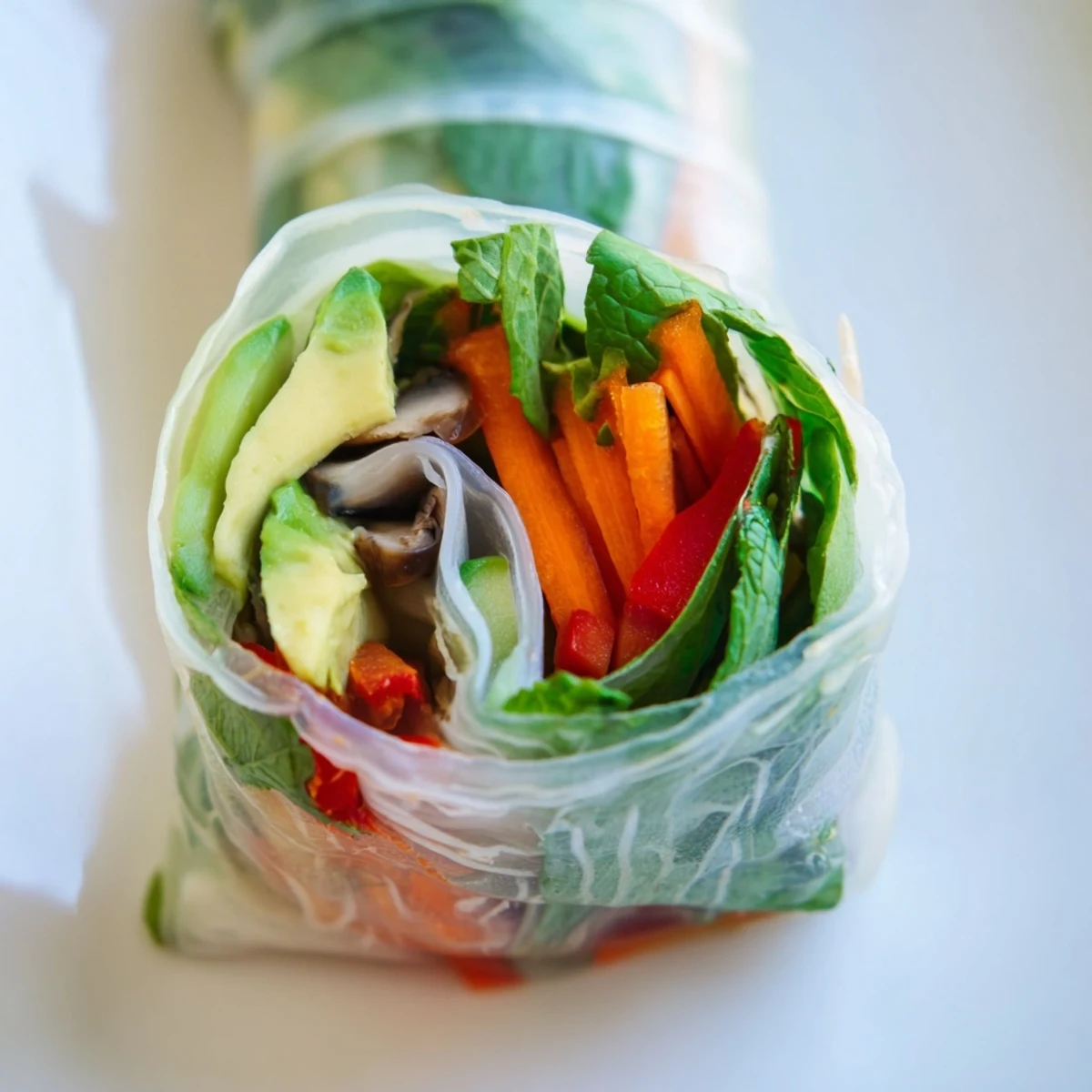
 These fresh spring rolls combine creamy avocado slices with tender sautéed shiitake mushrooms and an array of crisp vegetables including carrot, cucumber, and red bell pepper. Wrapped in delicate rice paper and served with a tangy ginger-soy dipping sauce, they make an elegant appetizer or light meal.
The preparation involves quickly sautéing the mushrooms to enhance their umami flavor, then softening rice paper wrappers and filling them with the colorful vegetable medley. A simple whisked sauce with soy sauce, rice vinegar, sesame oil, and fresh ginger adds the perfect finishing touch.
Each roll delivers a satisfying crunch from fresh vegetables balanced by the smooth richness of avocado. The dish naturally accommodates vegetarian, vegan, and gluten-free dietary preferences while offering beautiful presentation when served whole or halved.
The first time I attempted fresh spring rolls, my kitchen counter looked like a vegetable explosion gone wrong. Rice paper stuck to everything except itself, and I ended up eating more failed attempts than actual rolls. But something about that combination of cool, crisp vegetables and creamy avocado kept me trying until I finally got the hang of it.
Last summer, I made these for a backyard gathering and watched my skeptical uncle eat three in a row while claiming he normally hates raw vegetables. There is something about the act of assembling your own perfect bite at the table that turns spring rolls into a conversation starter.
Ingredients
- Ripe avocado: The creamy element that ties everything together, so choose one that yields slightly to gentle pressure but is not mushy
- Fresh shiitake mushrooms: Earthy and meaty, these add depth and umami that fresh vegetables alone cannot provide
- Rice paper sheets: The delicate wrapper that transforms from stiff to pliable with just 15 seconds in warm water
- Fresh herbs: Cilantro and mint are not optional, they bring that bright, aromatic punch that makes spring rolls taste like spring itself
- Quick dipping sauce: Soy sauce, rice vinegar, sesame oil, and ginger create this perfect salty tangy balance that makes every roll sing
Instructions
- Sauté the shiitake mushrooms:
- Cook sliced mushrooms in a dry non-stick skillet over medium heat for 5 to 6 minutes until tender and slightly golden, which concentrates their natural umami. Let them cool completely before using, otherwise they will make the rice paper soggy.
- Prep your vegetable lineup:
- Julienned carrot and cucumber, thinly sliced bell pepper, scallions, and avocado slices should be arranged in separate piles within easy reach. The key is having everything ready before you start working with the rice paper, which dries out quickly once softened.
- Soften the rice paper:
- Fill a shallow dish with warm water and dip one sheet for 10 to 15 seconds until pliable but not completely soft. Lay it flat on a clean kitchen towel and work quickly but gently, as rice paper tears easily once softened.
- Layer the filling strategically:
- Start with spinach leaves closest to the rice paper, then add small amounts of each vegetable and herbs in rows, keeping everything compact and centered. Do not overfill or the rice paper will tear, which is the most common mistake beginners make.
- Roll with confidence:
- Fold the bottom edge over the filling, tuck in the sides like a burrito, then roll forward tightly but gently until sealed. The first few might look messy, but by the third or fourth roll you will develop a rhythm and the rolls will start looking professional.
- Whisk together the dipping sauce:
- Combine soy sauce, rice vinegar, sesame oil, maple syrup, grated ginger, and minced garlic until smooth. Thin with a tablespoon of water if needed, then taste and adjust the balance until it hits that perfect salty sweet spot.
 Save to Pinterest
 These spring rolls have become my go-to contribution to potlucks because they travel beautifully and never fail to disappear first. Something about eating with your hands and dipping into that tangy sauce just makes people happy.
Making Ahead
You can prepare all the vegetables and sauce up to a day in advance, keeping everything in separate containers in the refrigerator. The shiitake mushrooms actually develop more flavor after sitting, so do not hesitate to cook them the night before. Rice paper rolls are best eaten within a few hours of assembly because they start to dry out, but you can store them in the refrigerator layered between damp paper towels if you need to make them ahead.
Customizing Your Filling
Once you master the basic rolling technique, the filling possibilities become endless. Add cooked vermicelli noodles for bulk, or swap in fresh basil instead of mint for a different herbal profile. Thinly sliced mango or papaya adds sweetness that pairs beautifully with the salty dipping sauce, while a sprinkle of crushed peanuts on top brings welcome crunch.
Perfect Presentation
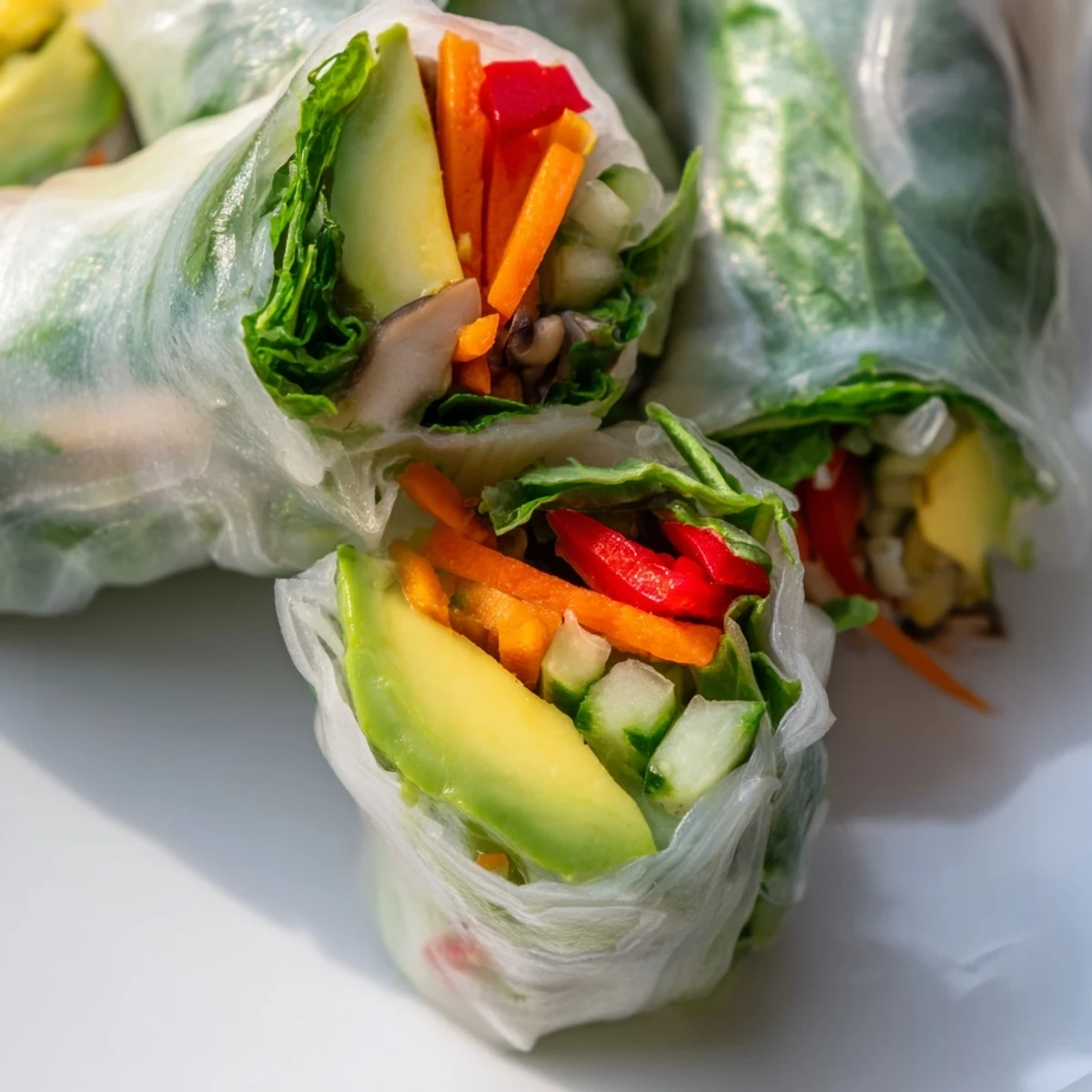
The secret to restaurant style presentation is slicing each roll in half at a sharp diagonal angle before arranging them on a platter. This shows off the colorful layers inside and makes them easier to eat in one or two bites. Serve the dipping sauce in a small bowl alongside, and consider placing a few extra herb leaves on the platter for garnish.
- Use the sharpest knife you own for clean cuts that do not squish the filling
- Arrange rolls cut side up so the colorful vegetable layers are visible
- Sprinkle with sesame seeds right before serving for an extra pop of texture
 Save to Pinterest
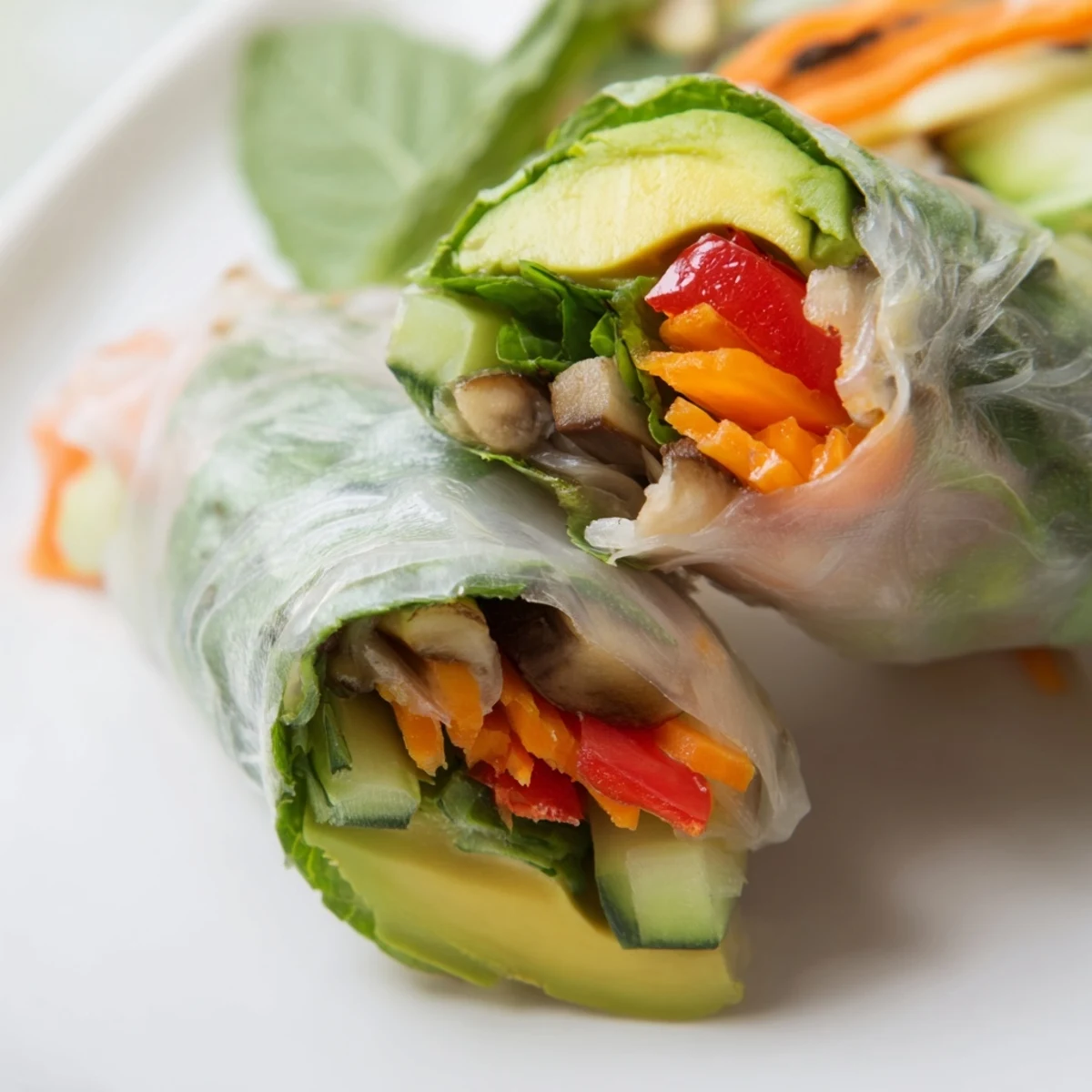
 There is something deeply satisfying about eating food you assembled with your own hands, and these spring rolls capture that perfectly. They remind me that sometimes the simplest preparations yield the most joyful results.
Common Questions
- → How do I prevent rice paper from tearing?
-
Soak rice paper sheets in warm water for just 10-15 seconds until pliable but not overly soft. Work on a clean, damp towel to prevent sticking. Handle gently and roll immediately after filling.
- → Can I make these spring rolls ahead of time?
-
Spring rolls are best enjoyed fresh within 2-3 hours. The rice paper can become tough when refrigerated overnight. If preparing ahead, keep components separate and assemble just before serving.
- → What vegetables work well in these rolls?
-
Julienned carrots, cucumber, bell pepper, and fresh herbs like cilantro and mint provide excellent crunch and flavor. You can also add shredded cabbage, bean sprouts, or thinly sliced radish.
- → How do I store leftover spring rolls?
-
Wrap individual rolls tightly in plastic wrap and refrigerate for up to 1 day. The rice paper may become slightly chewy. Bring to room temperature before serving for the best texture.
- → Can I add protein to these spring rolls?
-
Yes, try adding grilled shrimp, cooked chicken, baked tofu, or even vermicelli noodles. Cook proteins ahead and let cool completely before rolling to prevent moisture from softening the rice paper.