
 Save to Pinterest
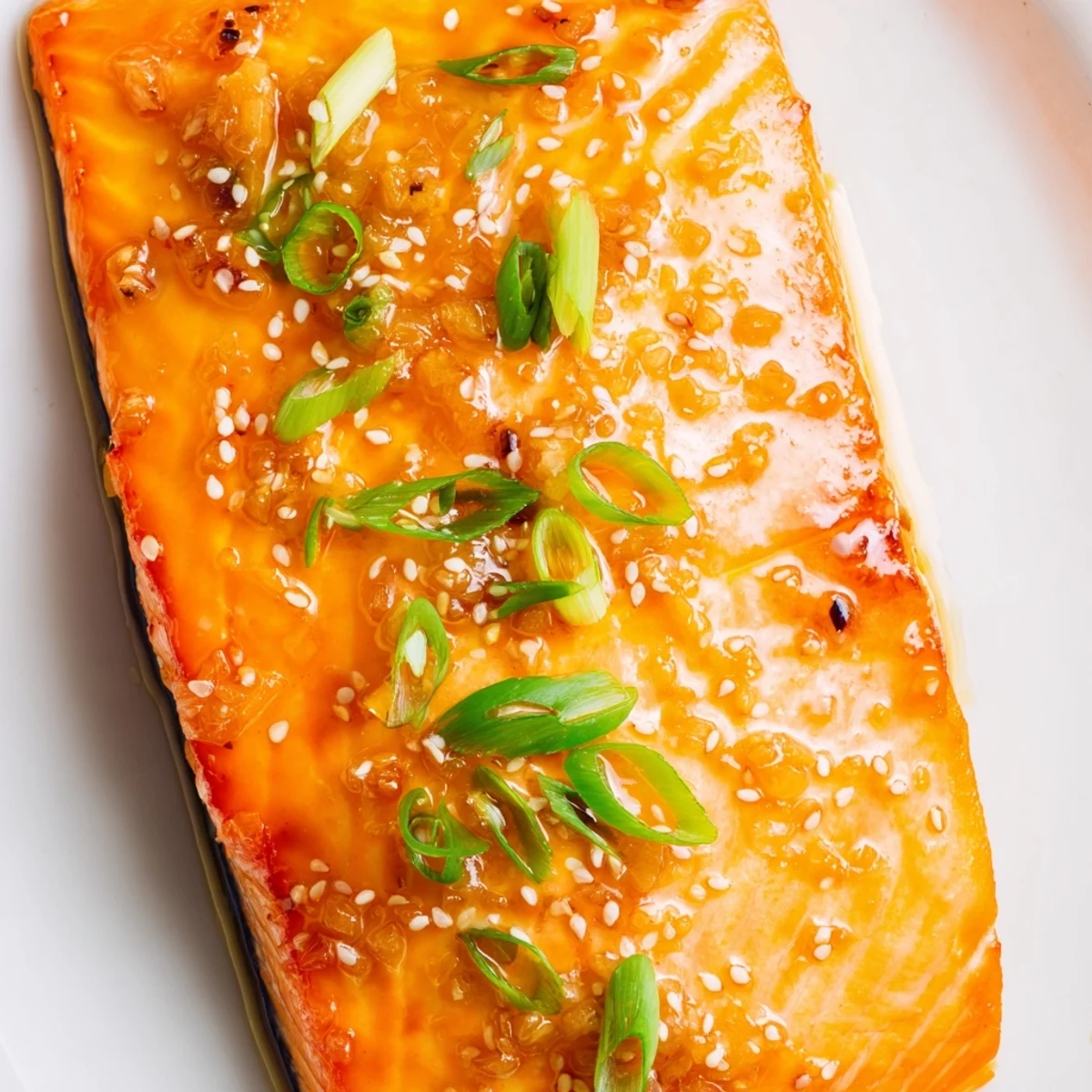
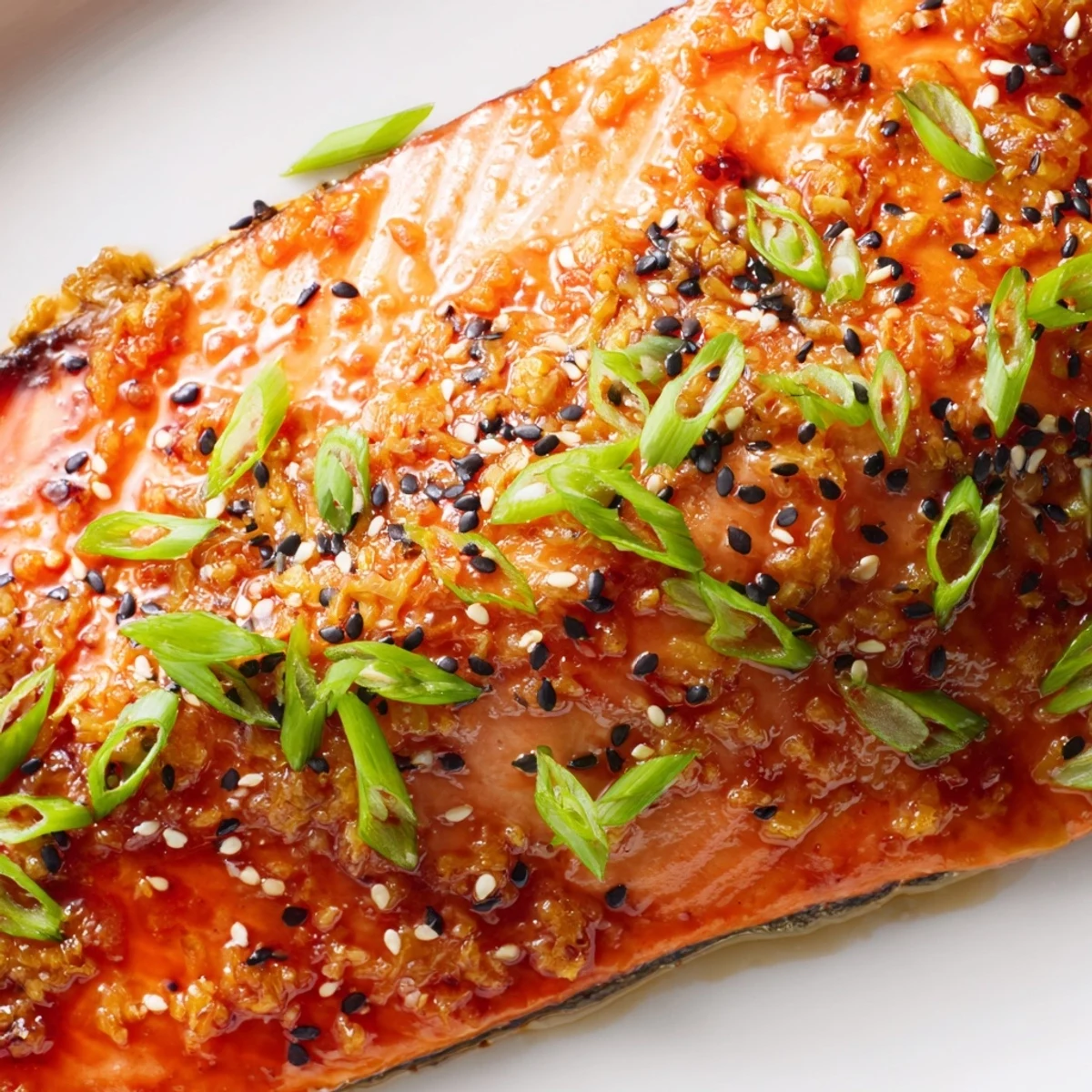
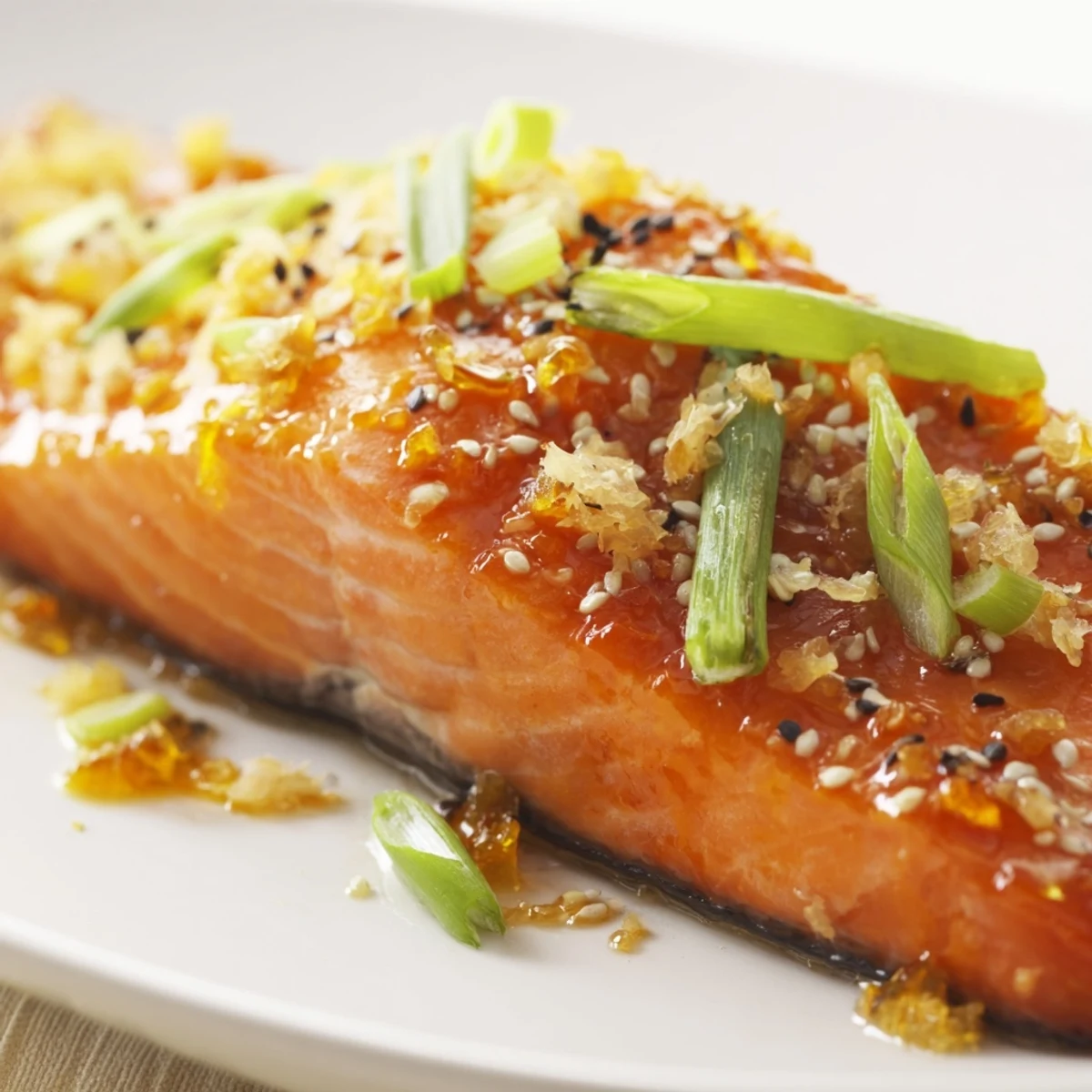
 This dish combines tender salmon fillets baked to flaky perfection, coated in a bright and zesty orange glaze with honey and fresh ginger. The glaze is simmered to develop rich flavors and brushed generously over the fish before baking. Garnishes like green onions and toasted sesame seeds add texture and color, making this a quick, flavorful option for any night.
There was this Thursday night when a friend mentioned how much she missed restaurant-quality fish at home, and I found myself at the market staring at beautiful salmon fillets, suddenly inspired to create something that would make her forget takeout altogether. The moment I squeezed fresh oranges and the juice hit the pan with ginger and honey, the kitchen filled with this warm, bright aroma that felt like bringing a little luxury into an ordinary weeknight. That's when I knew this glaze would become a regular thing in my rotation, the kind of dish that tastes like you tried harder than you actually did.
I made this for my partner on a random Tuesday when we both needed something that felt a little special without the fuss, and watching them take that first bite—eyes lighting up at the combination of sweet honey and sharp orange—made me realize simple doesn't have to mean forgettable. The kitchen smelled incredible, and honestly, that moment of knowing I'd nailed something that tasted like restaurant cooking felt better than any complicated recipe ever could.
Ingredients
- Salmon fillets (4, about 150g each): Look for fillets with a bright orange color and firm flesh; skin-on keeps the fish more moist while baking and adds texture.
- Salt and freshly ground black pepper: Don't skip the fresh grinding—pre-ground pepper tastes dusty against the delicate fish.
- Freshly squeezed orange juice (1/3 cup): Bottled juice won't give you that vibrant, living flavor; squeeze it yourself and your glaze will taste completely different.
- Honey (2 tbsp): This balances the acid and ginger heat, creating a glaze that clings to the salmon instead of running off.
- Low-sodium soy sauce (1 tbsp): Use tamari if you need gluten-free; it adds umami depth that salt alone can't give you.
- Rice vinegar or white wine vinegar (1 tbsp): This cuts through the sweetness and keeps the glaze from becoming cloying.
- Fresh ginger, finely grated (1 tbsp): Ginger paste works in a pinch, but fresh has a spicy, clean bite that makes the whole dish sing.
- Garlic clove, minced (1): Just one is perfect; too much and it overpowers the delicate citrus notes.
- Orange zest (1 tsp): This is what makes people ask what's in the glaze—zest adds that intense orange flavor that juice alone can't deliver.
- Green onions, sesame seeds, orange slices (optional garnish): These finish the dish with color and a small textural contrast that makes it feel intentional.
Instructions
- Heat your oven and prep your pan:
- Get the oven to 400°F and line a baking sheet with parchment paper or a light oil brush; this takes the stress out of the salmon sticking and keeps cleanup effortless. Cold parchment is your friend—it helps the heat distribute evenly underneath the fillets.
- Dry and season the salmon:
- Pat each fillet really dry with paper towels—moisture is the enemy of a nicely textured exterior. Season both sides generously with salt and pepper, then arrange them skin-side down on your prepared sheet.
- Build the glaze:
- Pour the orange juice, honey, soy sauce, vinegar, grated ginger, minced garlic, and orange zest into a small saucepan and bring it to a gentle simmer over medium heat. Let it bubble softly for 4–5 minutes, stirring occasionally, until you notice it starting to coat the back of a spoon—that's when you know it's thick enough to stay put on the fish instead of sliding off.
- Brush and bake:
- Use a pastry brush to coat each fillet generously with glaze, saving some to brush on again after baking. Slide the sheet into the oven and set your timer for 12–15 minutes; you're looking for salmon that flakes easily when you press it gently with a fork.
- Finish with flourish:
- The moment it comes out, brush with that reserved glaze while it's still warm so it soaks in, then scatter green onions and sesame seeds over top if you're using them. A few thin orange slices on the side add that visual moment that makes people actually notice what you've made.
 Save to Pinterest
 There's something about serving this dish that shifts the entire mood of a meal—suddenly it's no longer just dinner, it's a moment worth paying attention to. The brightness of the orange, the subtle warmth of ginger, the shine of the glaze under kitchen light—it all comes together in a way that makes ordinary Tuesday feel like you're doing something right.
Marinating for Extra Depth
If you have time, marinating the salmon in half the glaze for 20–30 minutes before baking deepens the flavors and gives the fish time to absorb all that citrus and ginger. I discovered this by accident when I made the glaze early and let the fillets sit longer than planned, and the difference was noticeable—the salmon tasted more complex, less one-dimensional. It doesn't take any more effort, just a little planning ahead.
What to Serve Alongside
This salmon pairs beautifully with something light and absorbent—steamed jasmine rice soaks up the glaze like it was meant to, or if you want something with more texture, quinoa picks up the citrus notes without competing. Sautéed greens like bok choy or spinach add a gentle bitterness that balances the sweet-tart glaze perfectly, and honestly, a simple green salad with a light vinaigrette works just as well if you want to keep things simple.
Variations Worth Exploring
Once you understand how this glaze works, you can start playing with it in small ways that feel refreshing rather than risky. Lime works beautifully in place of orange if you want something sharper and more tropical, or you could swap in fresh lemon zest for a cleaner, more Mediterranean feel. The framework here—acid, sweetness, ginger, and umami—is what makes the salmon shine, so as long as you keep those elements in balance, you're free to improvise.
- Try adding a pinch of red pepper flakes to the glaze for subtle heat that builds as you eat.
- A splash of coconut milk mixed into the glaze creates something richer and almost creamy without adding heaviness.
- If you're feeling adventurous, a tiny splash of miso paste in the glaze adds umami complexity that makes people wonder what your secret ingredient is.
 Save to Pinterest
 This recipe quietly became one of those dishes I reach for when I want to feel like I'm taking care of the people I'm cooking for, and that matters more than any technique or timing could ever capture. It's proof that the best meals are often the simplest ones, made with ingredients you can find anywhere and a little attention to what you're doing.
Common Questions
- → How do I make the orange glaze?
-
Combine freshly squeezed orange juice, honey, soy sauce, rice vinegar, grated ginger, minced garlic, and orange zest in a saucepan. Simmer for 4–5 minutes until slightly thickened.
- → What is the best way to bake the salmon?
-
Preheat oven to 400°F (200°C), place seasoned salmon fillets skin-side down on a lined baking sheet, brush with glaze, and bake for 12–15 minutes until flaky.
- → Can I prepare the salmon ahead of time?
-
Yes, marinate the salmon in half of the glaze for up to 30 minutes before baking to enhance flavor.
- → What sides pair well with this dish?
-
Steamed rice, quinoa, or sautéed greens complement the salmon’s bright flavors nicely for a balanced meal.
- → How can I make this dish gluten-free?
-
Use gluten-free soy sauce or tamari in the glaze to keep the dish gluten-free while maintaining flavor.
- → Is it better to use skin-on or skinless salmon?
-
Both work well; skin-on helps retain moisture during baking and can be crisped up if desired.