
 Save to Pinterest
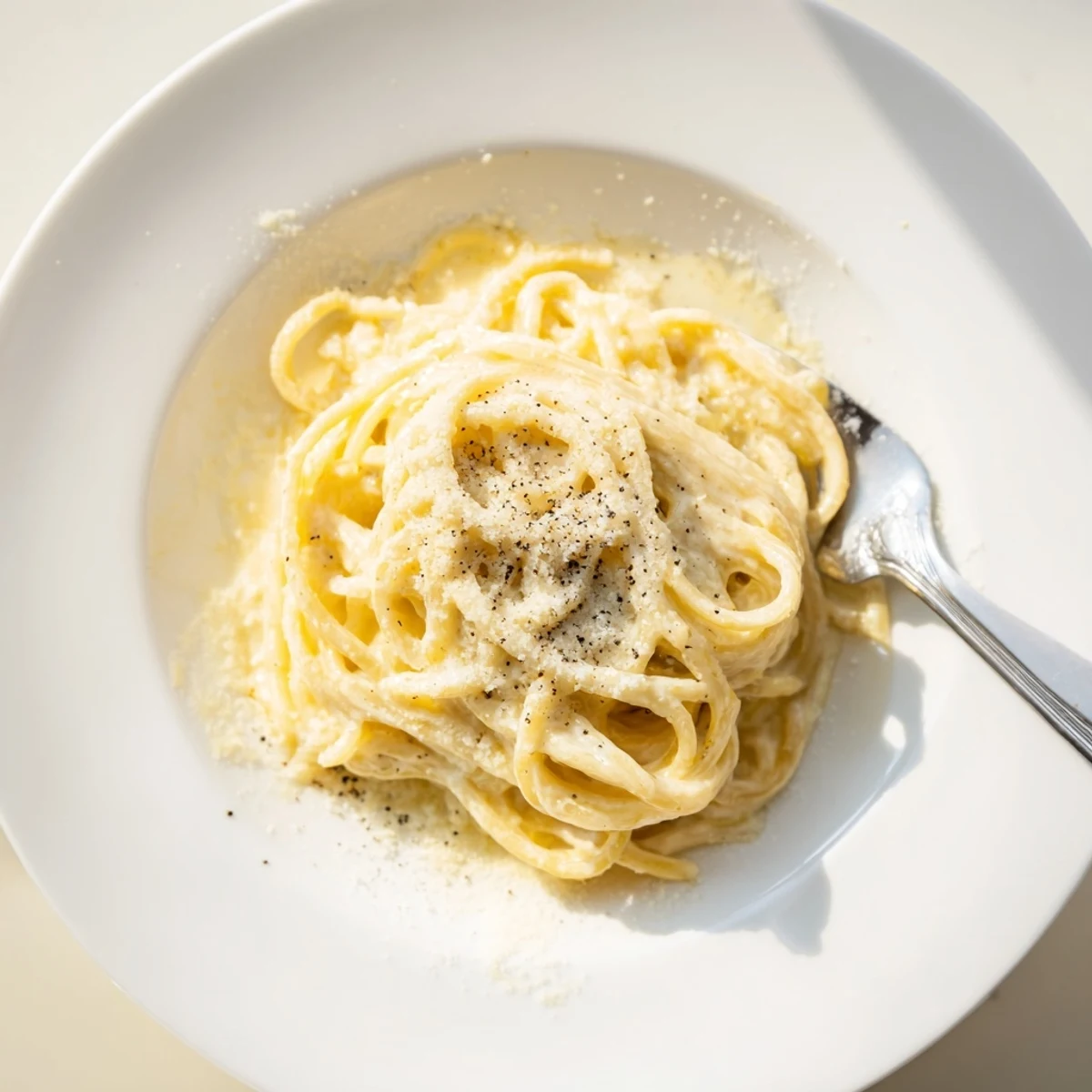
 This beloved Roman classic transforms humble ingredients into something extraordinary. Spaghetti gets coated in a velvety emulsion of aged Pecorino Romano and freshly cracked black pepper, creating that signature creamy, peppery sauce. The technique lies in creating a cheese paste with hot pasta water, then tossing everything together until glossy and clinging to each strand. The result is luxuriously smooth yet surprisingly light, with sharp, salty notes and warming pepper heat. Perfect for weeknight elegance when you want restaurant-quality results with minimal effort.
The steam from my tiny Rome apartment kitchen still haunts me in the best way possible. I'd watched an Italian nonna make this through a window across the courtyard, mimicking her movements without understanding a word she shouted to her husband. That first attempt resulted in a clumpy, separated mess that taught me more about pasta water chemistry than any cookbook ever could.
My sister visiting from Chicago was my second attempt audience, and the way she went silent after her first bite told me everything. She still requests this every time she visits, claiming no Italian restaurant in the Midwest quite captures that same peppery creaminess.
Ingredients
- 200 g (7 oz) spaghetti or tonnarelli: Tonnarelli's square edges hold sauce beautifully, but spaghetti works perfectly when you cannot find the authentic cut
- 80 g (2.8 oz) Pecorino Romano cheese, finely grated: Freshly grate it yourself because pre shredded cheese contains anti caking agents that prevent proper melting
- 2 tsp freshly ground black pepper: Toasting the pepper releases its aromatic oils, creating that signature Roman warmth
- 1/2 tsp salt: Just enough to season the pasta water without overpowering the salty cheese
- 1 liter (4 cups) water: Using less water than usual creates a starchy liquid that's essential for emulsifying the sauce
Instructions
- Start the pasta water:
- Bring 1 liter of water to a boil in a large pot, then add salt before dropping in your pasta
- Cook the pasta:
- Add spaghetti and cook until al dente, stirring occasionally, then reserve about 1 cup of the starchy pasta water before draining
- Toast the pepper:
- In a large skillet over medium heat, toast the black pepper for 1 minute until fragrant, watching carefully so it does not burn
- Create the pepper base:
- Add 1/2 cup of the reserved hot pasta water to the skillet with the pepper and let it simmer gently
- Make the cheese paste:
- In a large mixing bowl, combine grated Pecorino Romano with a few tablespoons of hot pasta water to form a thick paste
- Combine pasta and pepper:
- Add the cooked spaghetti to the skillet with pepper and toss well, then remove from heat completely
- Form the sauce:
- Gradually add the cheese paste to the pasta, tossing quickly and adding more reserved pasta water as needed to form a creamy, silky sauce that coats the noodles evenly
- Serve immediately:
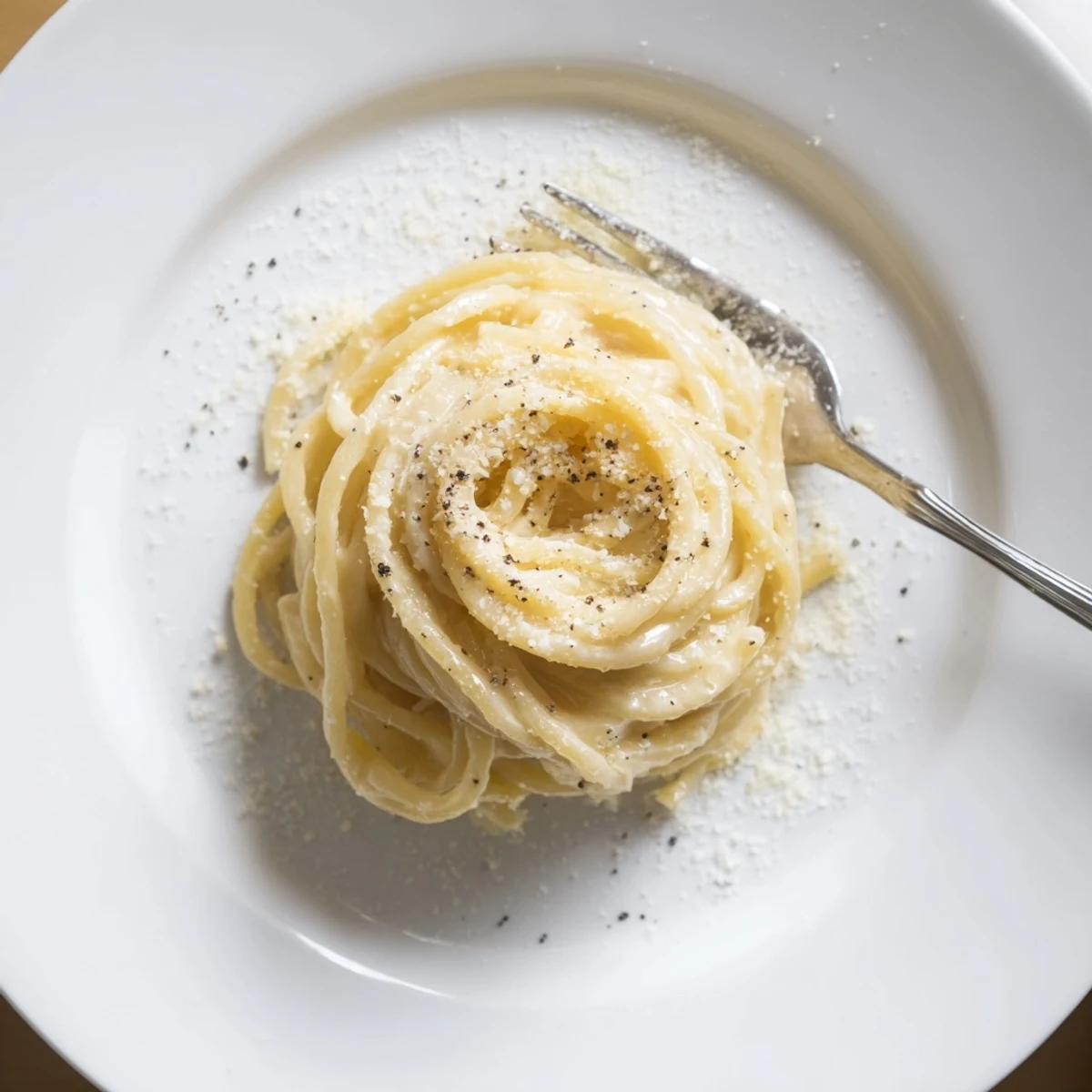
- Plate right away topped with extra Pecorino Romano and an additional sprinkle of black pepper
 Save to Pinterest
 This became our anniversary dinner tradition after my husband surprised me with a trip to Rome where we ate this three times in four days. Something about the simplicity makes it feel like a celebration even on a Tuesday.
The Pasta Water Secret
That cloudy, starchy liquid you usually pour down the drain is liquid gold in this recipe. The starch helps the cheese and water form an emulsion rather than separating, creating that velvety texture that makes restaurant pasta so distinctive.
Cheese Matters
Pecorino Romano has a sharper, saltier profile than Parmesan, which cuts through the richness of the sauce. I once substituted Parmesan in a pinch, and while it was still delicious, it lacked that distinctive Roman bite.
Getting The Perfect Consistency
The sauce should coat each strand evenly without being heavy or thick. Trust your instincts and keep adding pasta water one tablespoon at a time until you reach that silky, emulsified state.
- Add pasta water gradually rather than all at once
- Toss vigorously to help the emulsification process
- If the sauce becomes too thick, a splash more water brings it back to life
 Save to Pinterest
 There is something almost magical about creating such a luxurious sauce from just cheese, pepper, and pasta water. It reminds me that the simplest ingredients, treated with respect, often create the most memorable meals.
Common Questions
- → Why does my cheese sometimes clump instead of melting smoothly?
-
The key is temperature control. Adding cheese to boiling liquid causes it to seize. Always create a paste with warm (not hot) pasta water first, then add to the pasta off the heat. This gentle emulsification prevents the Pecorino from separating and creates that signature creamy texture.
- → Can I use Parmesan instead of Pecorino Romano?
-
While Parmesan works, it won't be authentic. Pecorino Romano is sharper and saltier, which defines the dish's character. If substituting, you may need extra salt and pepper to compensate. For the true Roman experience, seek out aged Pecorino Romano from Lazio.
- → What pasta shape works best?
-
Long, thin strands like spaghetti, tonnarelli, or bucatini are traditional. The sauce clings beautifully to these shapes. Tonnarelli, a square-cut spaghetti, is especially authentic in Rome. Avoid short shapes—the sauce needs surface area to coat properly.
- → Why use less water than usual for boiling pasta?
-
Reduced water creates starchier cooking liquid, which is essential for the sauce. This starchy water, combined with the cheese, forms the creamy emulsion. Using a full pot dilutes this magic ingredient and makes achieving the right texture more challenging.
- → How much pepper should I use?
-
The pepper is half the flavor profile. Two teaspoons is a starting point—don't be shy. Freshly cracked black pepper should be prominent, providing gentle heat and aromatic warmth. Toasting the pepper first intensifies its flavor. Adjust to your preference, but remember: bold pepper is what makes this dish distinctive.
- → Can I make this ahead?
-
Cacio e Pepe is best served immediately. The sauce continues to thicken as it cools, losing its silky consistency. If you must prep in advance, cook the pasta and make the cheese paste separately. Combine just before serving, adding extra warm pasta water to loosen the sauce as needed.