
 Save to Pinterest
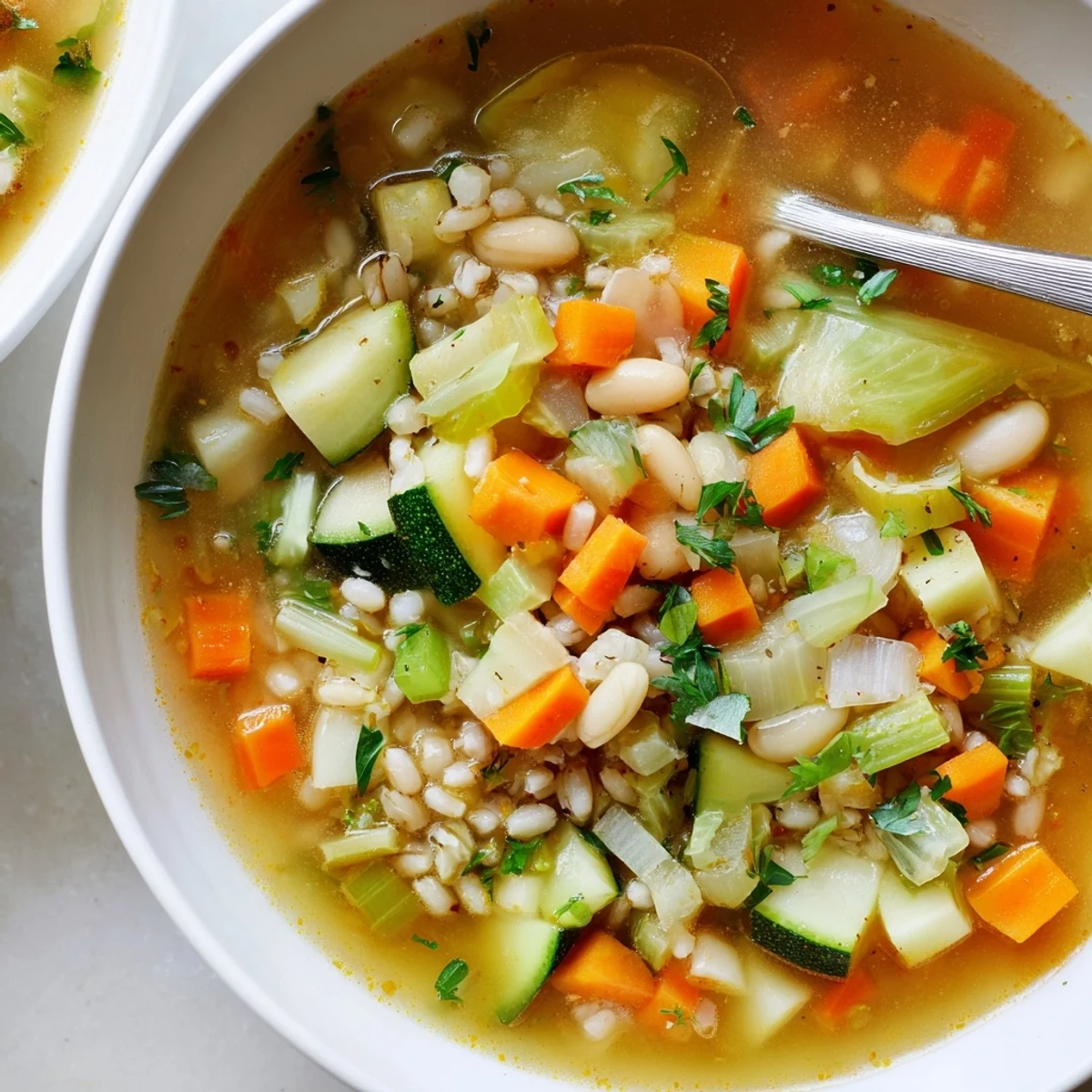
 This traditional European-style soup brings together humble vegetables and white beans in a nourishing broth. The combination of carrots, celery, onions, potatoes, and green beans creates a balanced, hearty dish that's perfect for cold weather. Pearl barley adds satisfying texture, while dried thyme and parsley provide aromatic depth. The optional stone pays homage to the folk tale that teaches community sharing and making much from little. Ready in about 55 minutes, this soup serves six and improves with time, making it ideal for meal prep or feeding a crowd.
The first time I heard the fable of Stone Soup as a child, I was equal parts fascinated and suspicious. Who would put a rock in a pot and call it dinner? Years later, standing in my tiny apartment kitchen with a crisper drawer full of aging vegetables, that story suddenly made perfect sense. Now this soup has become my go to for those weeks when I refuse to go grocery shopping but still want something that feels like a proper meal.
Last winter my sister dropped by unexpectedly during that bleak stretch between holidays when everyone feels a little off. I pulled out every vegetable that wasnt beyond saving and threw them in a pot. She sat at my counter watching the steam rise, telling me about her terrible week, and somehow the smell of thyme and simmering broth made everything feel less heavy. We ate with mismatched spoons and forgot to be sad.
Ingredients
- Carrots: These take longer to break down than other vegetables so they add sweetness that balances the heartier root vegetables
- White beans: I have found that cannellini beans hold their shape better than navy beans during long simmering
- Pearl barley: This is what makes the soup feel like a meal instead of just vegetable broth but do not skip rinsing it first or your soup will turn cloudy
- Vegetable broth: Homemade is ideal but if you are using store bought taste it first since some brands are aggressively salty
- Bay leaves: Do not forget to fish these out before serving unless you want someone to have an unpleasant surprise
Instructions
- Build your foundation:
- Heat the olive oil in your largest pot over medium heat and add the onions carrots celery and parsnip. Let them soften and become fragrant which should take about seven minutes.
- Wake up the garlic:
- Stir in the minced garlic and cook just until you can smell it which should be under a minute so it does not turn bitter.
- Add everything else:
- Dump in the potatoes green beans zucchini cabbage and barley if you are using it and give everything a good stir to coat.
- Create the soup:
- Pour in the vegetable broth and tuck in the bay leaves thyme parsley and your scrubbed stone if you are feeling traditional. Bring it to a boil then turn down the heat and let it simmer uncovered.
- Finish with beans:
- After about 25 minutes add the drained white beans and simmer for ten more minutes until everything is tender. Fish out the bay leaves and the stone before serving.
 Save to Pinterest
 My nephew was absolutely scandalized when he saw me drop a clean rock into the bubbling pot. He stood on his tiptoes to watch and asked a hundred questions about whether rocks could really make soup taste good. I told him the stone was just for company but the vegetables were doing all the real work. He seemed satisfied with that answer and helped himself to three bowls.
Making It Your Own
I have discovered that a Parmesan rind dropped into the broth during simmering adds a savory depth that nobody can quite identify but everyone notices. Even if you do not eat cheese the rind just imparts flavor without adding any dairy. Just remember to remove it before serving unless you want confused guests.
The Bread Factor
Something magical happens when you drag a piece of crusty bread through this soup. The bread soaks up the broth and soft barley and suddenly you have a utensil and a side dish in one. I keep a baguette in the freezer specifically for stone soup nights because toast feels too formal.
Storage and Reheating
This soup keeps beautifully in the refrigerator for up to five days and actually improves as the flavors meld together. The barley will continue to absorb liquid so do not be alarmed if it looks thicker the next day.
- Add a splash of water or broth when reheating if it has thickened too much
- Frozen portions will keep for three months but the texture of the potatoes may soften slightly
- Reheat gently over low heat rather than boiling to preserve the texture of the vegetables
 Save to Pinterest
 There is something profoundly satisfying about turning odds and ends into a meal that feeds people well. Maybe the stone does hold a kind of magic after all.
Common Questions
- → What makes stone soup special?
-
The magic lies in transforming basic vegetables into something greater than the sum of parts. Long simmering allows flavors to meld, while the variety of vegetables creates depth and complexity. The optional stone connects to folk traditions of community cooking and resourcefulness.
- → Can I make this without pearl barley?
-
Absolutely. Simply omit the barley or substitute with rice, quinoa, or small pasta shapes. The soup remains delicious and hearty without grains. For a lower-carb version, add more vegetables instead.
- → How long will leftovers keep?
-
Store cooled soup in airtight containers for up to 5 days in the refrigerator. The flavors continue to develop over time, often tasting even better the next day. Freeze for up to 3 months if you'd like to keep it longer.
- → What vegetables work best?
-
Root vegetables like carrots, parsnips, and potatoes provide substance. Green beans, zucchini, and cabbage add texture and nutrition. Feel free to use whatever vegetables you have on hand—turnips, rutabaga, or kale all work beautifully.
- → Is the stone necessary?
-
Not at all. The stone is purely ceremonial and references the folk tale. If you choose to include one, ensure it's thoroughly cleaned and boiled before adding to the pot. Many cooks skip this step entirely without affecting the final result.
- → Can I use dried beans instead of canned?
-
Yes, but you'll need to cook them longer. Soak dried white beans overnight, then simmer until tender before adding to the soup. This extends the cooking time but can improve texture and flavor.