
 Save to Pinterest
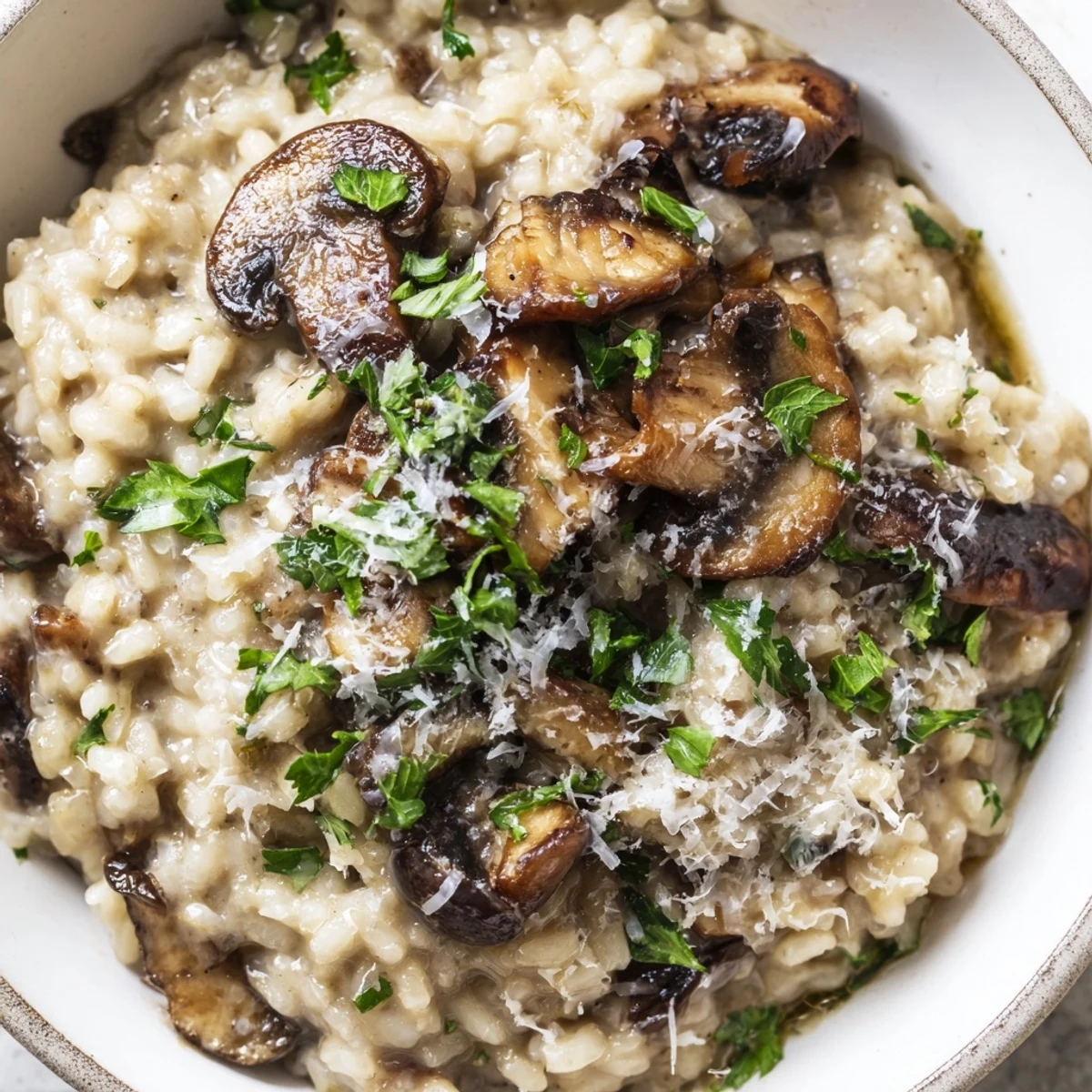
 This Italian dish features tender mixed mushrooms gently sautéed with garlic and onions, combined with creamy Arborio rice cooked slowly in vegetable broth and white wine. Finished with butter, Parmesan, cream, and a drizzle of aromatic truffle oil, it delivers a luxurious, velvety texture and earthy flavors. Perfectly seasoned and garnished with fresh parsley, it offers a rich balance of taste and elegance within about 50 minutes.
The first time I made risotto, I was terrified of it. My Italian grandmother had always made it look effortless, stirring that pot with a kind of meditative calm while the rice slowly transformed into something silky and golden. When I finally tried it myself, I realized that fear was unnecessary—risotto isn't complicated, it's just a conversation between you, the rice, and the heat. This creamy mushroom version with truffle oil became my go-to dinner when I wanted to feel fancy without the stress, and now I make it whenever I need to remember that good food doesn't have to be fussy.
I made this for a dinner party once, and my friend who claims she doesn't like mushrooms had three helpings. She kept asking what made it taste so different from the risotto she'd tried before, and I realized it was because the mushrooms weren't just scattered through—they'd been properly browned and caramelized first, so they had real depth. That moment taught me that technique matters more than fancy ingredients, though the truffle oil certainly didn't hurt.
Ingredients
- Arborio rice: This short-grain rice releases starch as it cooks, which is what creates that creamy texture without any cream added (well, until the end). Don't swap it for long-grain rice or you'll end up with something grainy instead of silky.
- Vegetable broth: Keeping it warm in a separate pot is non-negotiable—cold broth will shock the rice and mess with your cooking time, so just set a saucepan on a back burner and let it sit there.
- Mixed mushrooms: Use whatever looks good at your market, but aim for a mix of textures and flavors like cremini, shiitake, and button for complexity.
- Unsalted butter and olive oil: The combo of both gives you richness and flavor without burning the butter in the pan.
- Parmesan cheese: Freshly grated makes all the difference—the pre-grated stuff has cellulose to keep it from clumping, and it doesn't melt as smoothly.
- Heavy cream: This is what takes it from good to restaurant-quality creamy, so don't skip it or substitute.
- Dry white wine: Any wine you'd drink works here, and it adds brightness that cuts through all that richness.
- Truffle oil: A little goes a long way—I've made the mistake of being generous, and it overpowers everything else, so treat it like liquid gold.
Instructions
- Brown the mushrooms first:
- Heat 2 tablespoons butter and olive oil in a large skillet over medium heat, then sauté the onions until they're completely translucent and smell sweet. Add the garlic and let it toast for just a minute until the raw edge is gone, then add the mushrooms and don't stir them too much—let them sit in the pan long enough to release their water and caramelize, about 6-8 minutes total. You want them golden and a little concentrated, not pale and steamed.
- Toast the rice:
- Stir the Arborio rice into the mushroom mixture and let it sit for 1-2 minutes, stirring occasionally, until the grains look slightly opaque and sound toasty when you stir. This step coats each grain in fat and helps it hold its shape as it cooks, so don't skip it.
- Build with wine and broth:
- Pour in the white wine and stir constantly until it's almost completely absorbed, then start adding the warm broth one ladle at a time. The rhythm is: add broth, stir frequently (every 20-30 seconds), wait until most of the liquid disappears, then add more. This takes about 20-25 minutes total, and the rice will gradually transform from hard to creamy.
- Finish with richness:
- When the rice is tender but still has a tiny bite to it, lower the heat and stir in the remaining 2 tablespoons of butter, the Parmesan, and the heavy cream. Taste it, adjust the salt and pepper, and make sure it flows on the plate like lava instead of sitting in a stiff mound.
- Plate and drizzle:
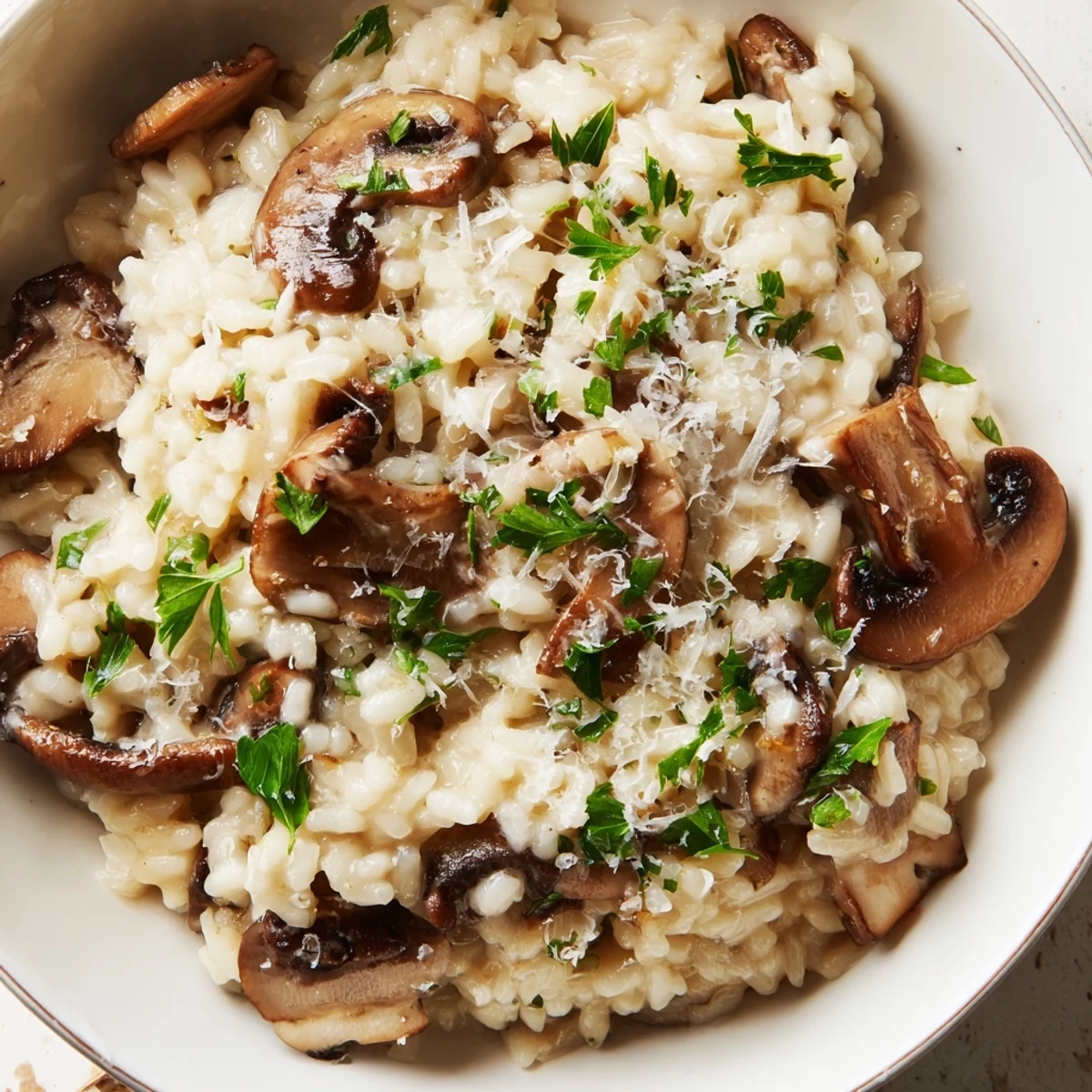
- Spoon the risotto into bowls and finish with just a small drizzle of truffle oil and a sprinkle of fresh parsley right before serving. The truffle oil should scent it, not overwhelm it, and the parsley adds a fresh note that balances all that creamy richness.
 Save to Pinterest
 There was one night when I made this for someone I was trying to impress, and I was so nervous about getting it right that I over-stirred the whole thing into a mushy paste. We laughed about it, ate it anyway, and somehow it still tasted good enough that they asked me to make it again—next time with slightly less stirring and a lot more confidence. That taught me that risotto is forgiving enough to survive mistakes, as long as you care about getting the flavors right.
Why Mushrooms Deserve the Spotlight
Most people undersell mushrooms in risotto, treating them like an afterthought when they should be the star. When you give them time to actually brown and caramelize instead of just steaming them in the broth, they develop this deep, almost meaty flavor that transforms the whole dish from simple to sophisticated. It's the difference between a mushroom-flavored risotto and a risotto that tastes like something you'd order at a nice restaurant.
The Truffle Oil Question
Truffle oil is one of those ingredients that seems fancy but is actually pretty practical—it's literally truffle flavor suspended in oil, which means one small bottle lasts forever because you use it so sparingly. The trick is understanding that it's a finishing touch, not an ingredient, so it goes on the plate at the very end when it can actually scent the whole dish instead of cooking away into the risotto and becoming invisible. I learned this the hard way by dumping it in during cooking and wondering why my expensive oil didn't taste like anything.
Making It Your Own
This recipe is a starting point, not a rulebook—once you understand the basic risotto technique, you can swap in whatever vegetables you have or whatever sounds good that night. The method stays the same whether you're using wild mushrooms, peas, roasted vegetables, or fresh herbs, so learn it once and you'll have this skill for life.
- For a vegan version, use plant-based butter instead of regular, skip the Parmesan or use a nutritional yeast-based alternative, and replace the heavy cream with cashew cream or oat cream.
- If you want to go deeper on the mushroom flavor, soak a small handful of dried porcini mushrooms in warm water and add that soaking liquid to your broth for an umami boost.
- White wine is traditional, but you can swap it for more broth in a pinch, though you'll lose that little bit of brightness it brings.
 Save to Pinterest
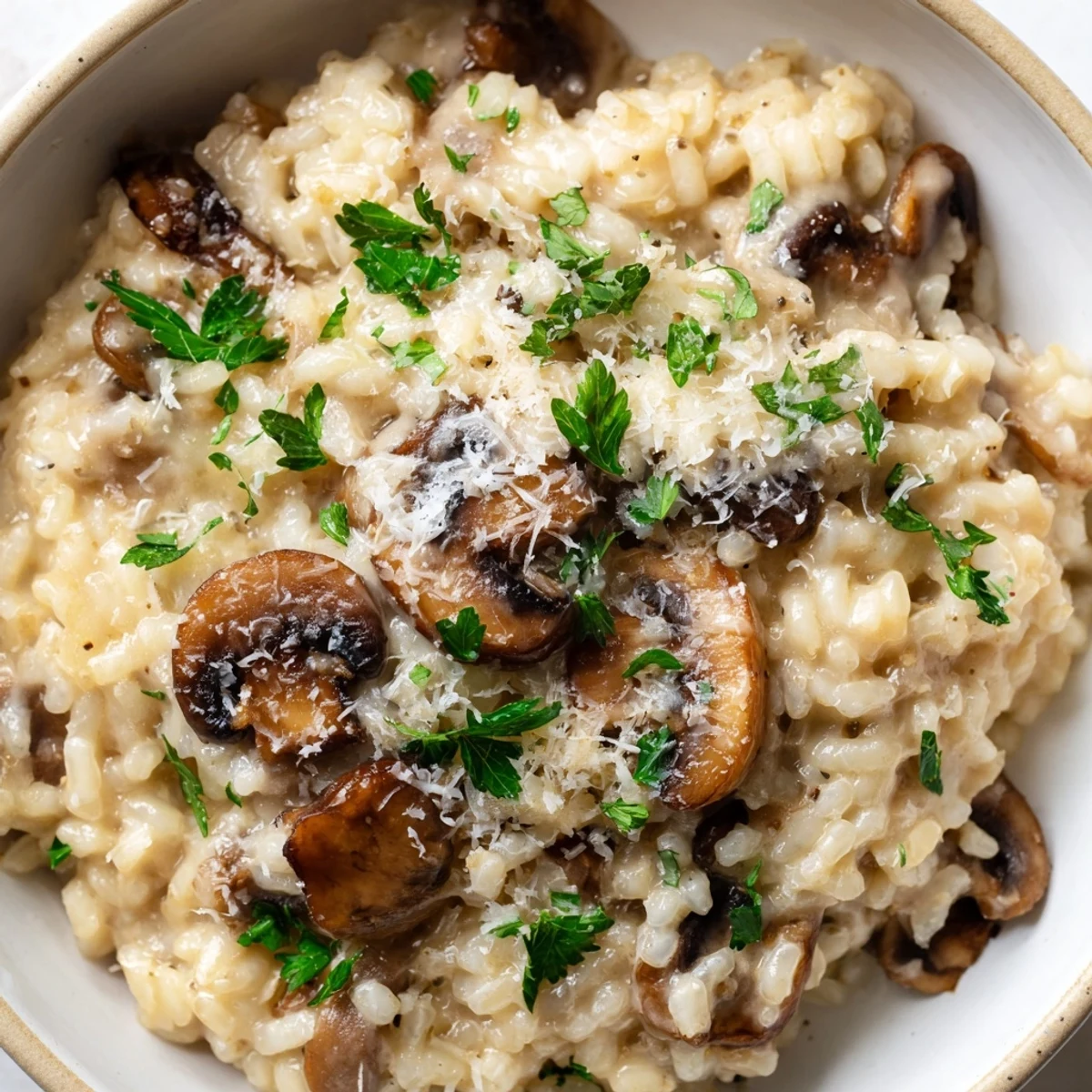
 Once you make this risotto a couple of times, it stops feeling like a recipe and starts feeling like something you just know how to do. That's when cooking gets fun—when technique becomes muscle memory and you can focus on enjoying the smell of mushrooms browning and butter getting nutty in the pan.
Common Questions
- → What type of rice is best for this dish?
-
Arborio rice is ideal as it absorbs liquid well and creates a creamy texture essential for this preparation.
- → Can I use other mushrooms besides cremini and shiitake?
-
Yes, a mix including wild mushrooms can enhance the earthiness and depth of flavor in the dish.
- → How should the vegetable broth be prepared before use?
-
Keep the vegetable broth warm throughout cooking to help the rice cook evenly and maintain a smooth consistency.
- → What is the role of white wine in this dish?
-
White wine adds acidity and depth, balancing the richness of butter and cheese while enhancing the mushrooms’ flavors.
- → How much truffle oil should be used for optimal flavor?
-
Use truffle oil sparingly, about 2 teaspoons, as it is potent and a small amount delivers aromatic richness without overpowering.
- → Is there an easy way to make a vegan variation?
-
Substitute butter with plant-based alternatives, omit Parmesan or use vegan cheese, and replace cream with cashew cream to keep it plant-based.