
 Save to Pinterest
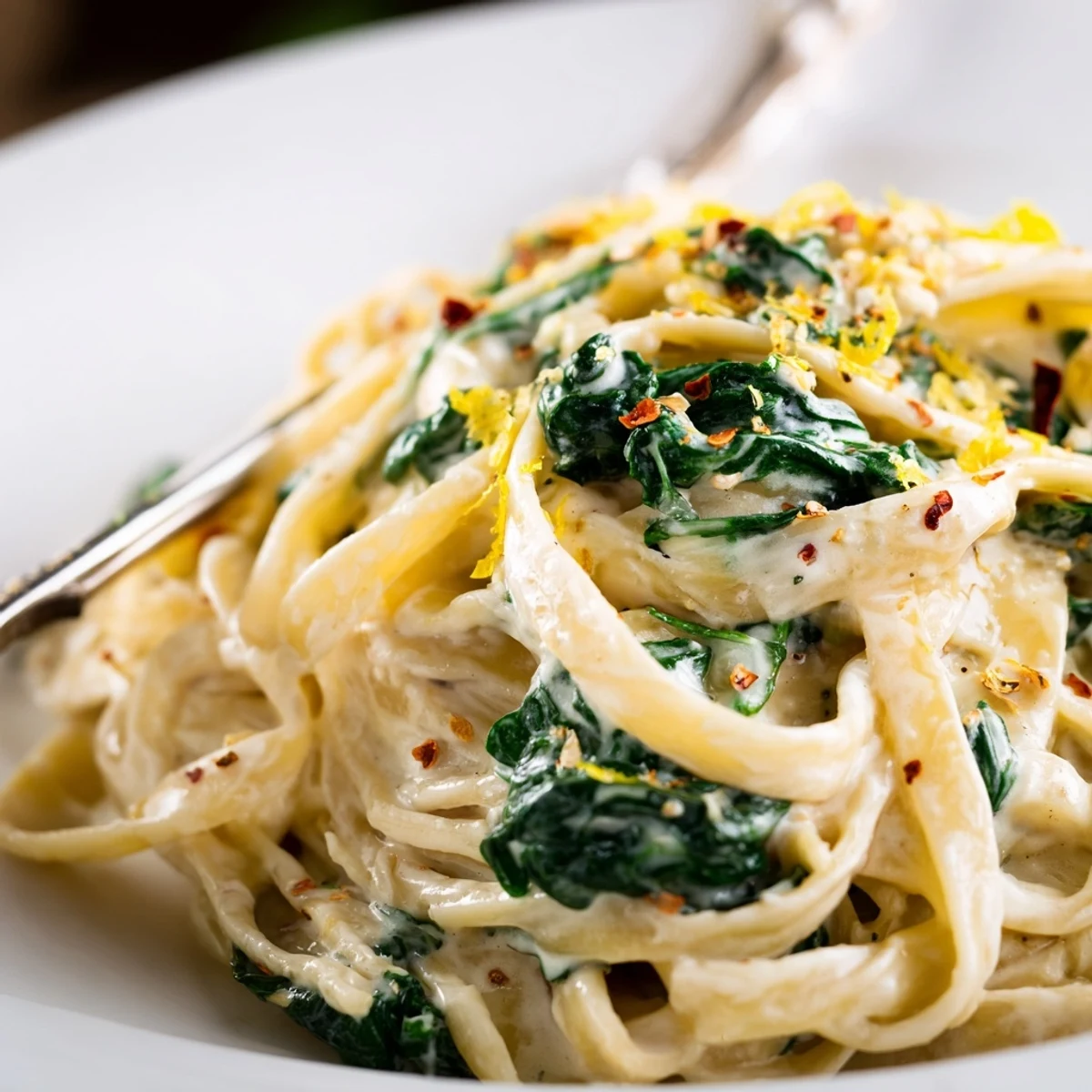
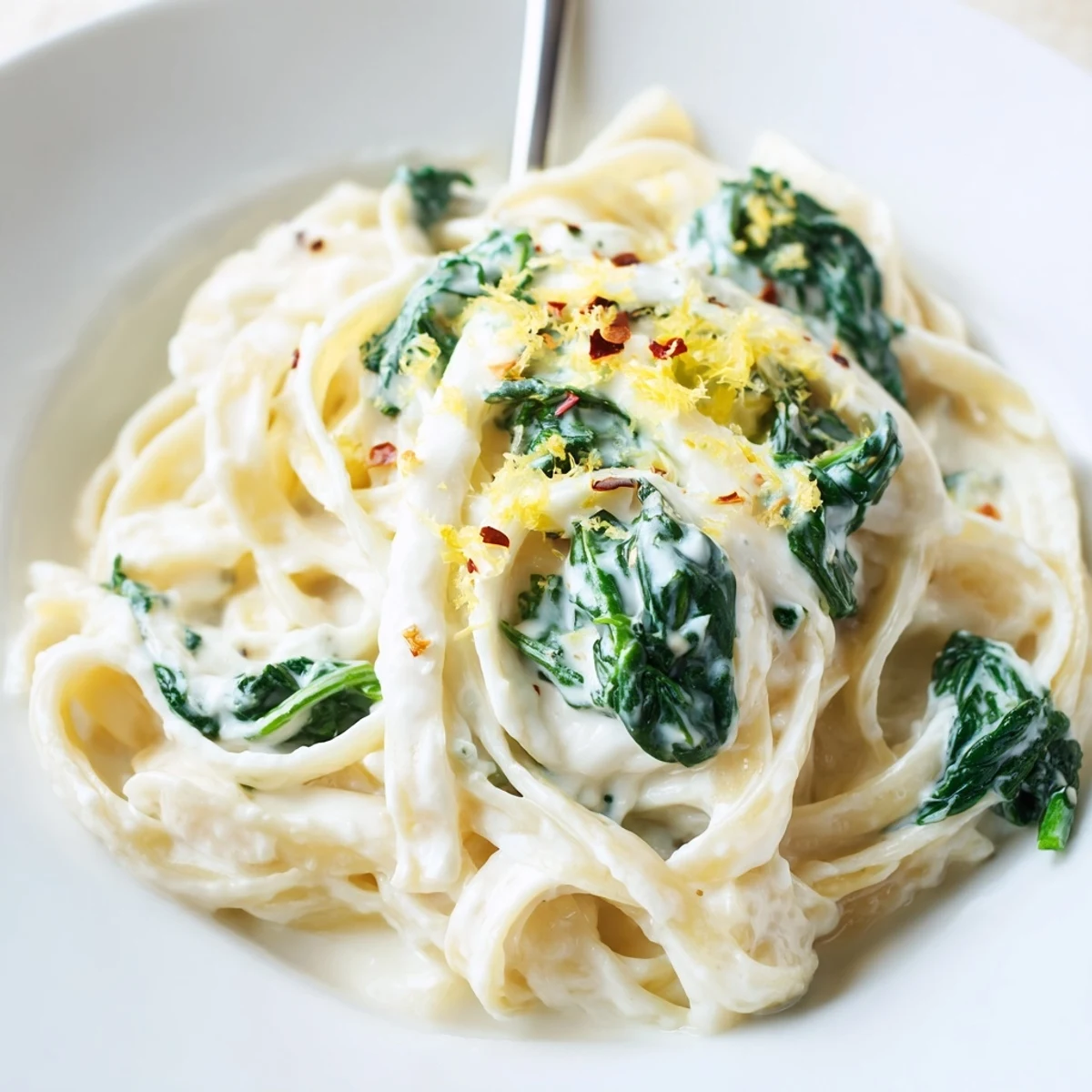
 This silky pasta features tender baby spinach wilted with fragrant garlic in a buttery cream sauce. Parmesan cheese melts into the sauce as lemon zest and juice brighten each bite, creating a perfect balance of rich and tangy. Simple sauteed shallots add depth, while reserved pasta water ensures a smooth, luscious texture. Ready in just 30 minutes, this vegetarian dish delivers effortless elegance with fresh, vibrant flavors ideal for any weeknight or casual gathering.
There's something about the smell of garlic hitting hot butter that stops me mid-thought every time. Years ago, I had a friend visiting from out of town, and she'd been talking about wanting to eat lighter but still feel indulged. I threw together this spinach pasta on a whim, watching her face light up as she twirled the first forkful—that moment taught me that elegance doesn't require hours of work.
I've made this countless times now, and one evening stands out—my partner came home exhausted from a long day, and I had this on the table in the time it took them to change clothes. There's real comfort in knowing you can pull together something this good without stress, without a list of complicated steps.
Ingredients
- Fettuccine or linguine, 350 g: Wider ribbons hold the cream sauce better than thin pasta, and they're forgiving if you're not watching the clock.
- Fresh baby spinach, 200 g: Buy it fresh and use it the same day if you can—it wilts down to almost nothing, so don't be shy with the amount.
- Garlic, 2 cloves minced: Mince it fine so it dissolves into the sauce rather than sitting as chunks.
- Shallot, 1 small finely chopped: This adds a subtle sweetness that makes the whole dish feel rounder, though it's truly optional.
- Unsalted butter, 2 tbsp: Use real butter here—it's not just fat, it's flavor.
- Olive oil, 1 tbsp: The butter alone can brown too quickly, so the oil keeps things gentle.
- Heavy cream, 200 ml: Cold straight from the fridge makes it easier to control the simmer.
- Parmesan cheese, 60 g grated: Grate it yourself if you have time; pre-grated has anti-caking powder that interferes with melting smoothly.
- Lemon zest and juice: One lemon gives you both—zest it first, then juice it, and taste as you go because lemons vary wildly in how much juice they yield.
- Salt, black pepper, red pepper flakes: Taste constantly as you season; you're building layers of flavor, not dumping it all in at once.
Instructions
- Boil your pasta:
- Fill a large pot with water, salt it generously so it tastes like the sea, and bring it to a rolling boil before adding pasta. While it cooks, you'll have time to handle everything else, and reserving that starchy water is the secret to a sauce that clings instead of sliding off.
- Build the aromatics:
- Melt butter and oil together over medium heat, then add the shallot if using and let it soften for a couple of minutes—you want it tender, not brown. When the garlic goes in, keep stirring and stay close; garlic burns fast and tastes acrid if you're not watching.
- Wilt the spinach:
- Add all the spinach at once and stir constantly for about two minutes until it's soft and dark green. The moisture that releases is fine and even helps the next step.
- Create the cream sauce:
- Pour in the cold cream slowly while stirring so it doesn't split, then turn the heat up just enough to bring it to a gentle simmer. Once it's warm, add the Parmesan and stir until it's melted and smooth—don't let it boil hard or the cream can separate.
- Bring it together:
- Drain the pasta and add it to the skillet, tossing gently so every strand gets coated. Add reserved pasta water a tablespoon at a time, stirring between additions until the sauce moves loosely around the pasta but still clings to it.
- Finish with brightness:
- Turn off the heat, stir in the lemon zest and juice, then taste and adjust salt and pepper. Red pepper flakes come last if you want them, just a pinch unless you like a real kick.
- Plate and serve:
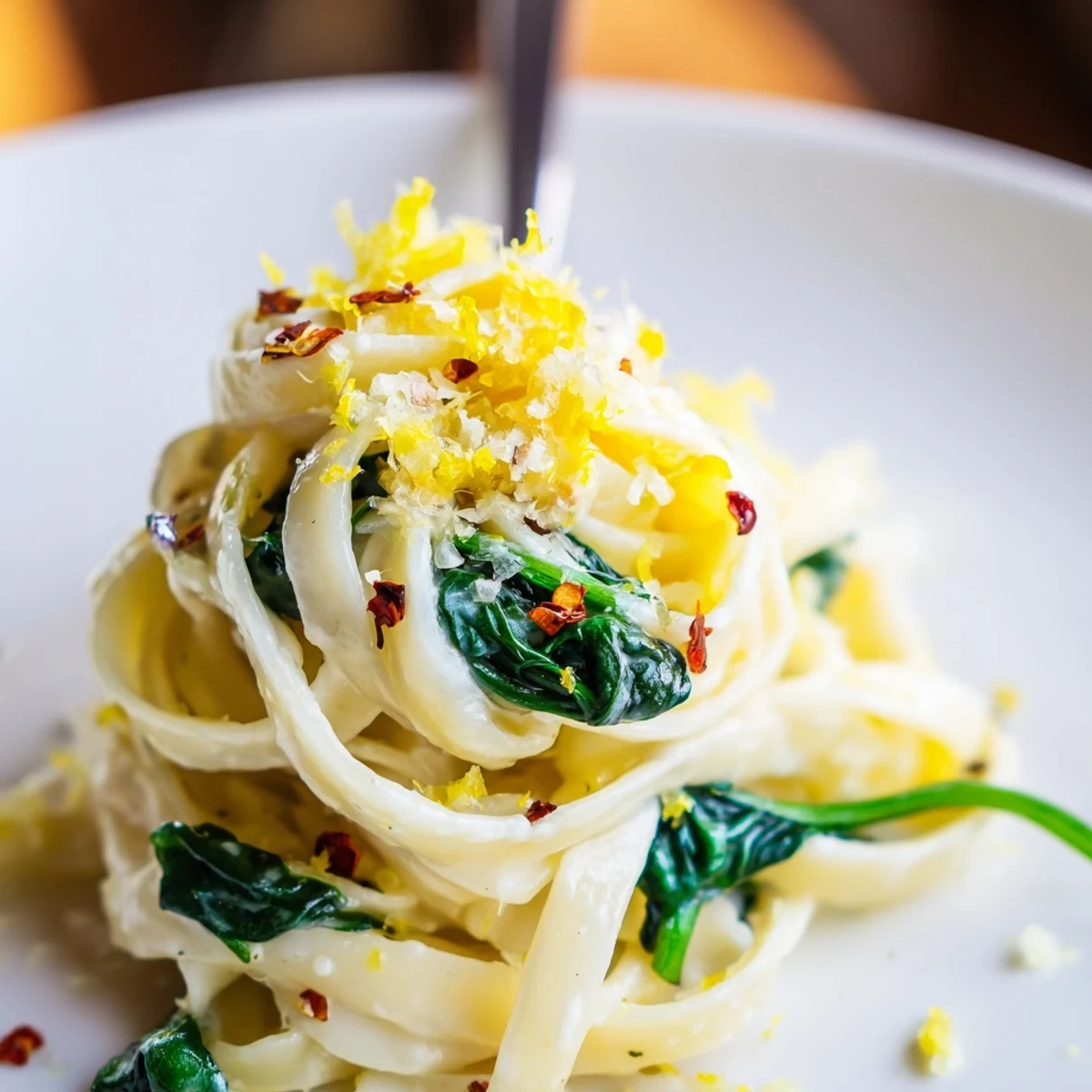
- Do this right away while everything is hot and the sauce is still creamy, finishing each portion with a little more Parmesan and a whisper of extra lemon zest.
 Save to Pinterest
 I once served this to my mother-in-law, who I was still figuring out how to cook for, and she asked for the recipe before she'd even finished eating. That moment made me realize this dish works because it doesn't try too hard—it lets good ingredients do what they do best.
Why Lemon Changes Everything
Before I started cooking with intention, I used to think lemon juice was just something you added at the end if a dish tasted flat. Now I understand it as a fundamental flavor that lifts the whole thing. In this pasta, the lemon doesn't taste citrusy exactly—it feels like contrast, like a window opening in a warm room. The cream without it would be one note; with it, the dish sings.
Timing and Temperature
Everything happens at medium heat here, which is slower but safer than blasting it on high. I've learned that patience with temperature lets flavors develop without anything burning, and it gives you actual time to think instead of standing there panicked because something's browning too fast. The cream especially appreciates gentleness; it has a point where it goes from silky to broken, and slow heat buys you margin for error.
Ways to Make It Your Own
This recipe is a foundation more than a strict formula, which is partly why I've returned to it so often. Some nights I'll add crispy prosciutto or pancetta, other times I'll stir in fresh peas if they're in season. The spinach can be swapped for kale if you prefer something with more texture, or arugula if you want a peppery edge that plays against the lemon.
- Cooked shrimp or chicken transforms this into something more substantial without changing the method.
- A splash of white wine added after the garlic gives an extra layer of flavor that feels sophisticated.
- Finish with fresh herbs like chives or parsley if you have them, though honestly, the lemon and Parmesan are often enough.
 Save to Pinterest
 This pasta has become one of those dishes I make when I want to feel capable in the kitchen without overthinking it. It's proof that restraint and good ingredients matter more than complexity.
Common Questions
- → How do I keep the sauce creamy without it separating?
-
Gently simmer the cream and add cheese slowly while stirring to ensure a smooth sauce. Adding reserved pasta water helps maintain a silky texture without separation.
- → Can I use other greens besides spinach?
-
Yes, baby kale or arugula can substitute spinach and will add different flavor profiles while maintaining similar texture in the sauce.
- → What pasta types work best for this dish?
-
Fettuccine or linguine work well as they hold the creamy sauce nicely, but you can also use whole wheat or gluten-free options without compromising taste.
- → How do I adjust the lemon flavor?
-
Adjust the amount of lemon zest and juice to your preference to balance brightness without overpowering the creamy sauce.
- → Is it possible to add protein to this dish?
-
Yes, cooked chicken or shrimp can be stirred in just before serving to enhance the meal’s nutrition and flavor.