
 Save to Pinterest
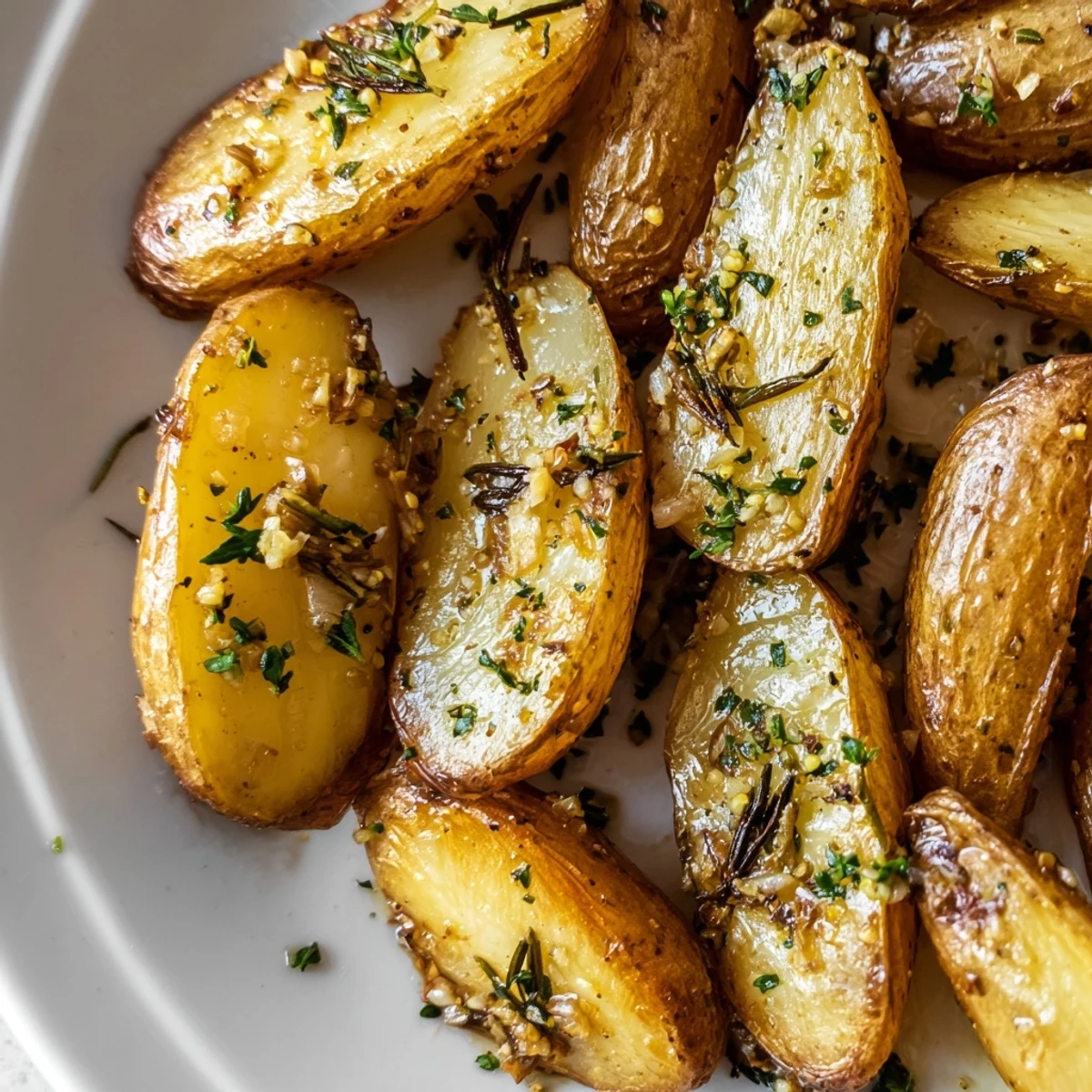
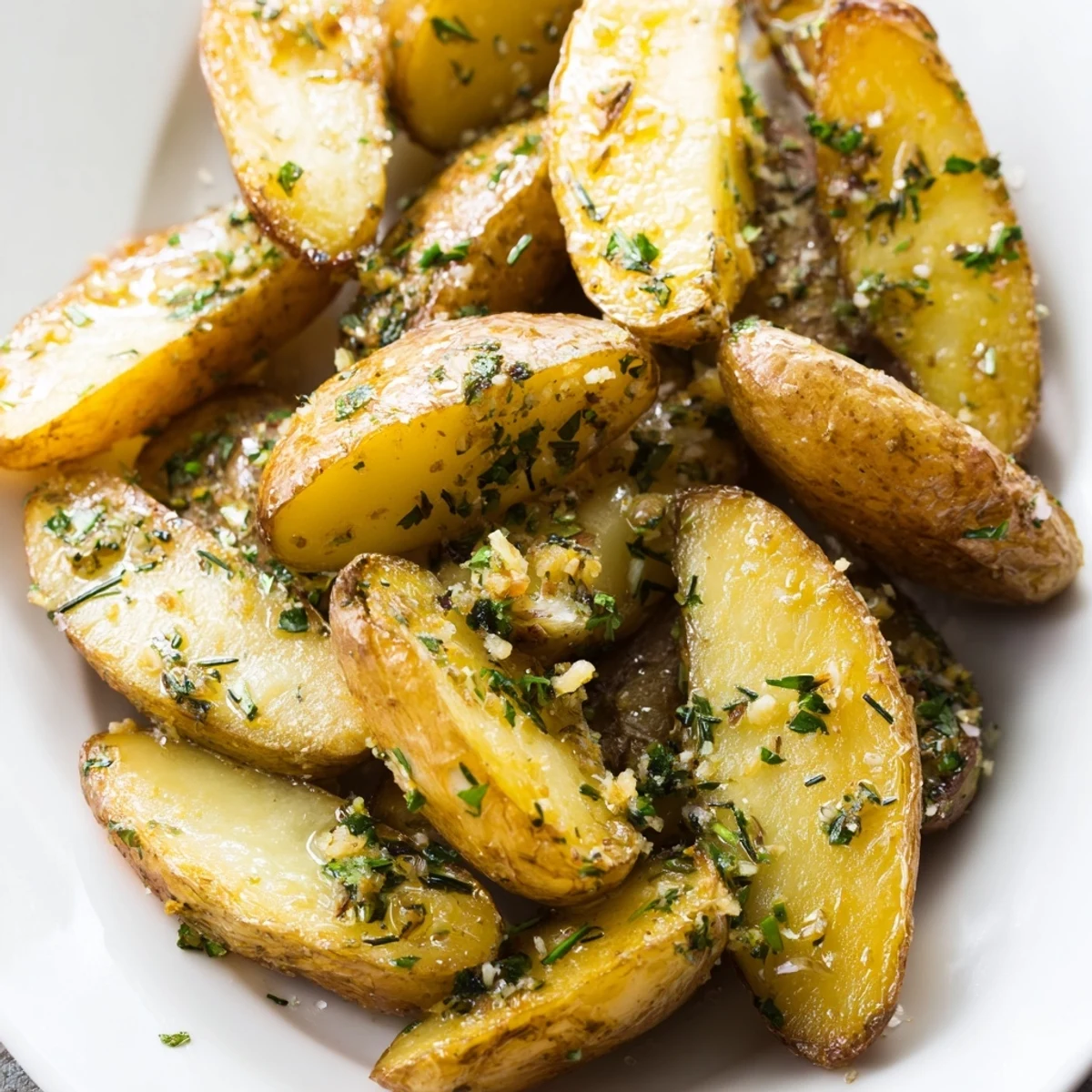
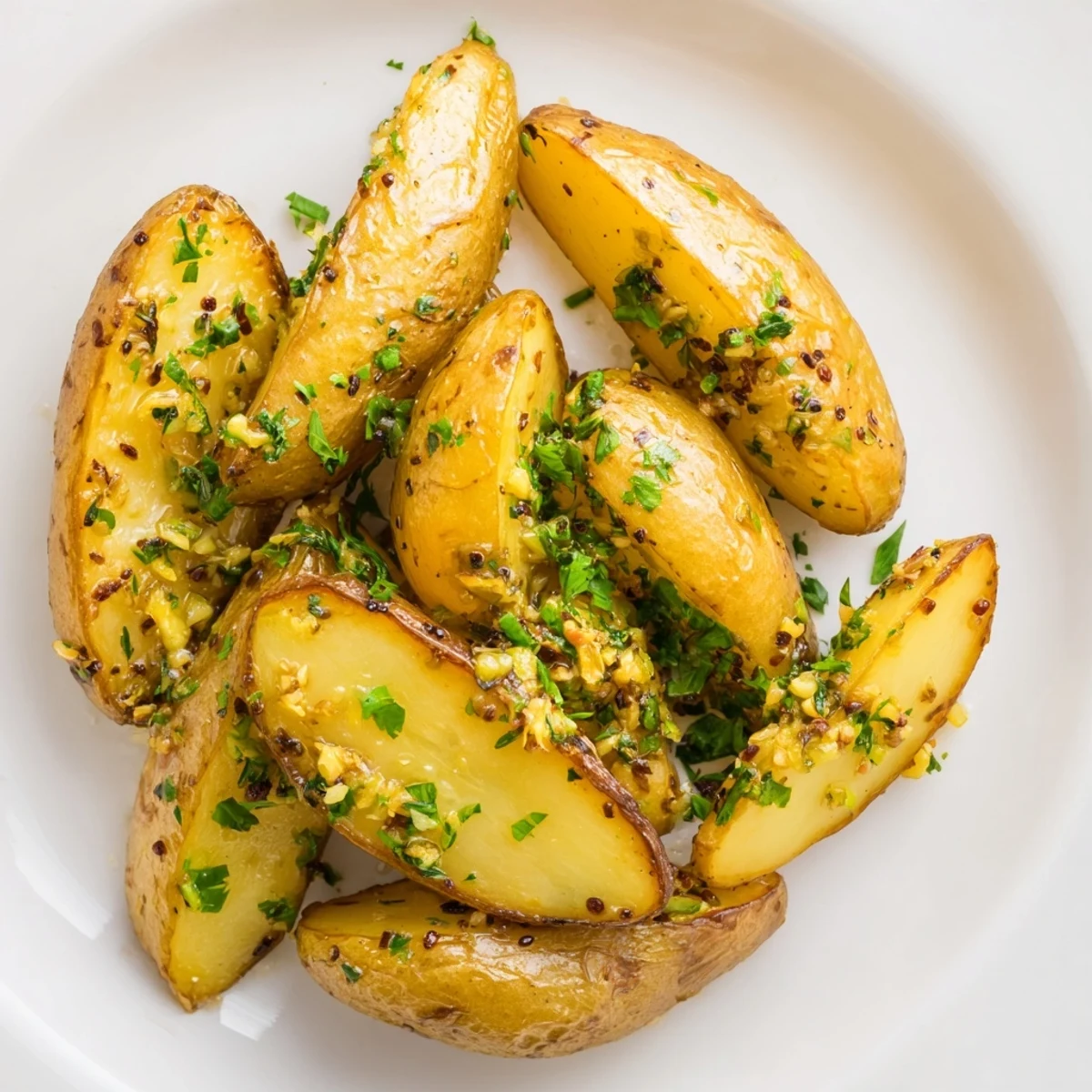
 This dish features halved fingerling potatoes coated in olive oil, garlic, rosemary, thyme, salt, and pepper. They're roasted at high heat to achieve a crispy, golden exterior while remaining tender inside. After roasting, fresh parsley adds a bright finishing touch to enhance the aromatic flavor. Ideal as a simple and flavorful side, the potatoes pair well with a variety of main courses. Variations include adding dill, chives, or Parmesan cheese for extra richness.
There's something about a Sunday dinner at my aunt's house that always meant fingerling potatoes on the table, golden and glistening with herbs. One afternoon, watching her pull a sheet from the oven with that confident ease only comes from making the same dish a hundred times, I realized the magic wasn't complicated—just good potatoes, good oil, and the courage to let heat do its work. That moment stuck with me, and now these roasted fingerlings are my answer whenever I need a side dish that feels both effortless and intentional.
I made these for a potluck once and brought them in a ceramic dish still warm from the oven, worried they'd be forgotten next to the fancier sides. Instead, they disappeared first, and someone actually asked for the recipe while scraping the last bits of garlic off the bottom. That's when I stopped overthinking side dishes.
Ingredients
- Fingerling potatoes: These small, elongated potatoes stay waxy and hold their shape beautifully when roasted, unlike floury varieties that can turn mushy.
- Fresh parsley: Adds brightness and a peppery freshness that wakes up the roasted earthiness—stir it in at the end to keep it vibrant green.
- Fresh rosemary and thyme: Woody herbs that actually intensify during roasting, so don't be shy with them.
- Garlic: Minced small enough to distribute evenly, it softens and turns sweet and mild, not harsh or raw.
- Olive oil: The vehicle for flavor and what makes those cut sides golden and crispy; use something you'd actually taste on bread.
- Kosher salt and black pepper: Seasoning that hits differently when added before roasting—it pulls out moisture just enough to create texture.
Instructions
- Heat your oven and prepare:
- Set the oven to 425°F and line a baking sheet with parchment paper. This temperature is hot enough to crisp the potatoes without burning the herbs.
- Coat everything evenly:
- In a large bowl, toss the halved potatoes with olive oil, minced garlic, rosemary, thyme, salt, and pepper until every piece glistens and nothing looks dry. This is where flavor lives.
- Arrange for maximum crispiness:
- Spread the potatoes cut side down on the prepared sheet in a single layer. Resist the urge to crowd them—they need space to breathe and crisp up properly.
- Roast and flip:
- Roast for 25 to 30 minutes, flipping halfway through. You're looking for golden brown cut sides and a fork-tender interior. The kitchen will smell incredible around minute 20.
- Finish with fresh parsley:
- Pull the hot potatoes from the oven and immediately toss them with fresh chopped parsley. The residual heat brings out its flavor and keeps it bright green.
- Serve right away:
- Warm potatoes mean better texture and more pronounced flavor. They're best eaten the moment they come off the sheet.
 Save to Pinterest
 My neighbor tasted these once and mentioned they were better than her mother's, which meant more to me than she probably realized. That's when I understood that simple food, made with intention and fresh ingredients, lands differently than anything overcomplicating things.
Why Fingerlings Matter
Fingerling potatoes have a lower starch content and waxy texture that holds up beautifully under high heat, which is why they don't turn to mush like russets sometimes do. They also have thinner, more delicate skin that doesn't need peeling, saving time and keeping everything intact. The elongated shape means more surface area to crisp up, which is the whole point here.
Herb Combinations That Work
This recipe uses rosemary, thyme, and parsley because they're the holy trinity of roasted vegetable flavors—reliable, complementary, and impossible to mess up. But once you make this version a few times, you'll start thinking about swaps: dill and chives for a brighter angle, oregano if you're building a Mediterranean plate, or even tarragon if you're feeling fancy. The beauty is that potatoes are a blank canvas for whatever herbs make sense with what else you're serving.
Making Them Your Own
The foundation here is salt, oil, and heat, which means there's room to adapt without losing what makes this dish work. Some cooks add a squeeze of lemon at the end, others finish with grated Parmesan or a sprinkle of sea salt to emphasize the crispy texture. You might roast them alongside other vegetables, toss them with a light vinaigrette while still warm, or even dress them up with crispy bacon and a dollop of sour cream.
- A tiny pinch of smoked paprika adds depth without changing the personality of the dish.
- If using Parmesan, grate it fresh and add it while the potatoes are still hot so it softens into the crevices.
- Leftover roasted potatoes are excellent cold in a salad the next day, so don't feel obligated to finish them all warm.
 Save to Pinterest
 These potatoes remind me that the best recipes aren't the ones with the longest ingredient lists or the most complicated techniques. They're the ones that taste like someone actually thought about what they were making.
Common Questions
- → What potatoes work best for this dish?
-
Fingerling potatoes are ideal for their size and texture, roasting crisp on the outside while staying creamy inside.
- → Can I use dried herbs instead of fresh?
-
Fresh herbs provide more vibrant flavor, but dried rosemary and thyme can be used sparingly if fresh aren’t available.
- → How do I ensure the potatoes are crispy?
-
Roast potatoes cut side down on a baking sheet at 425°F and avoid overcrowding to promote maximum crispiness.
- → Is it necessary to flip the potatoes during roasting?
-
Flipping halfway helps brown both sides evenly but leaving them cut side down for most of the time improves crispiness.
- → Can I add other ingredients for more flavor?
-
Yes, consider sprinkling grated Parmesan after roasting or adding fresh herbs like dill or chives for variety.