
 Save to Pinterest
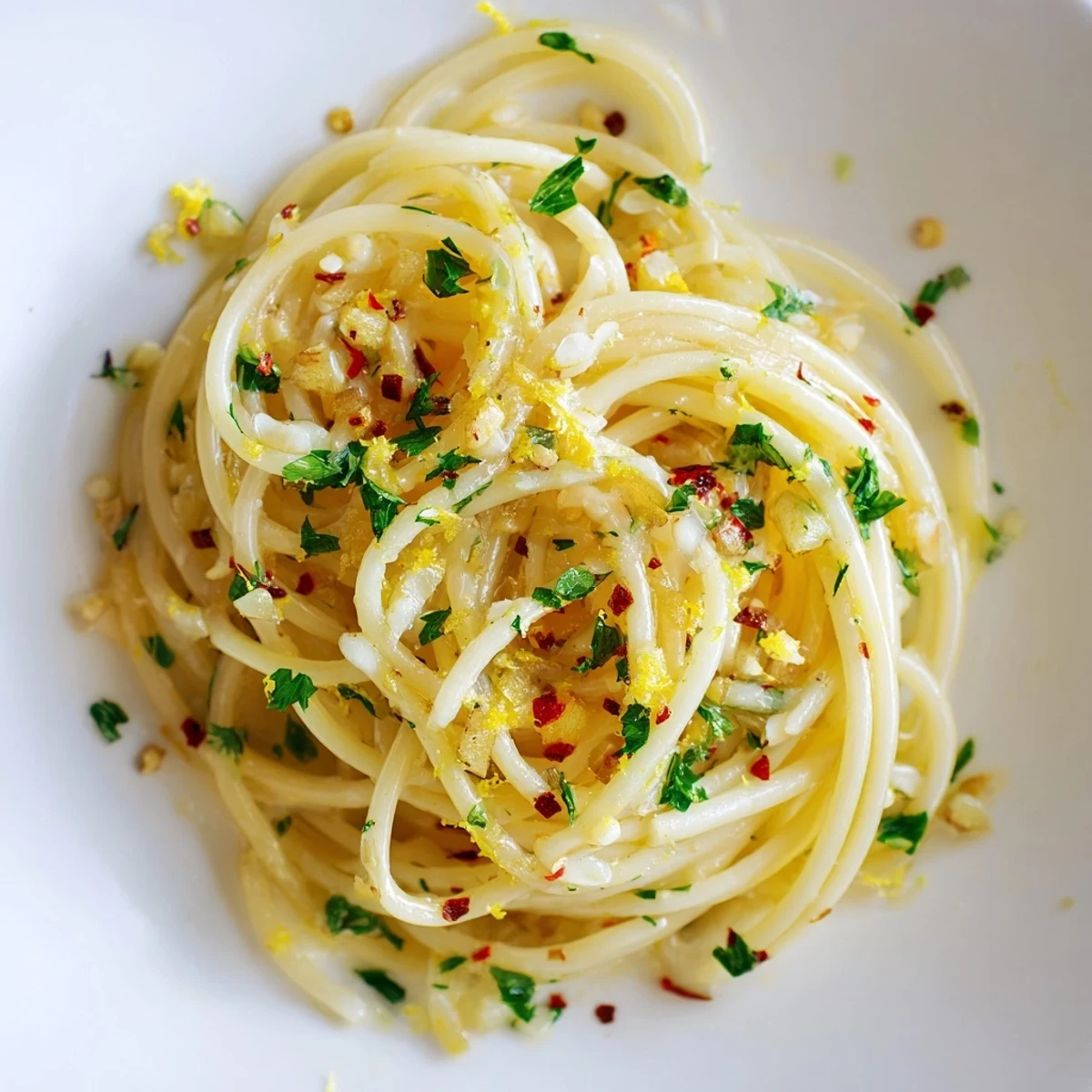
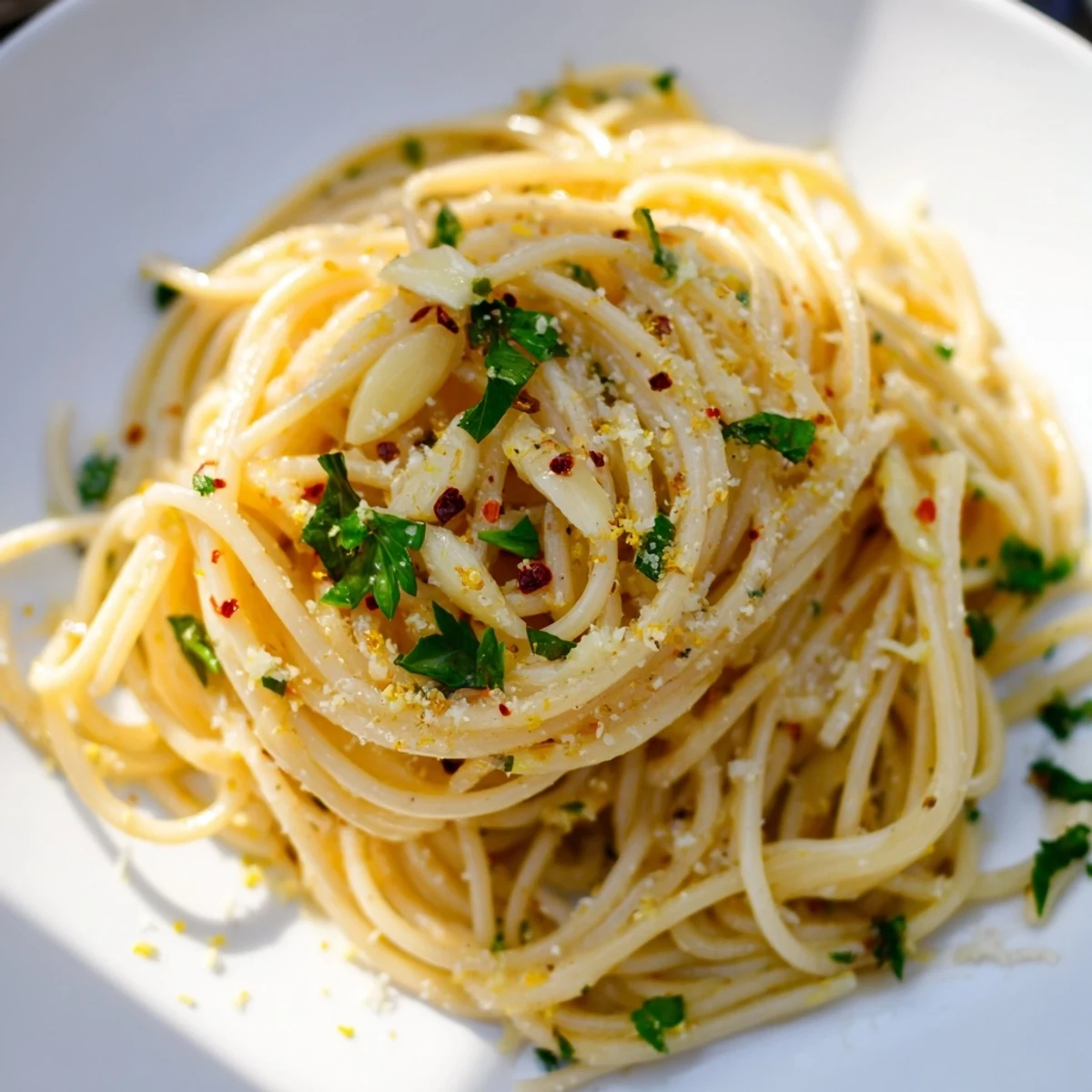
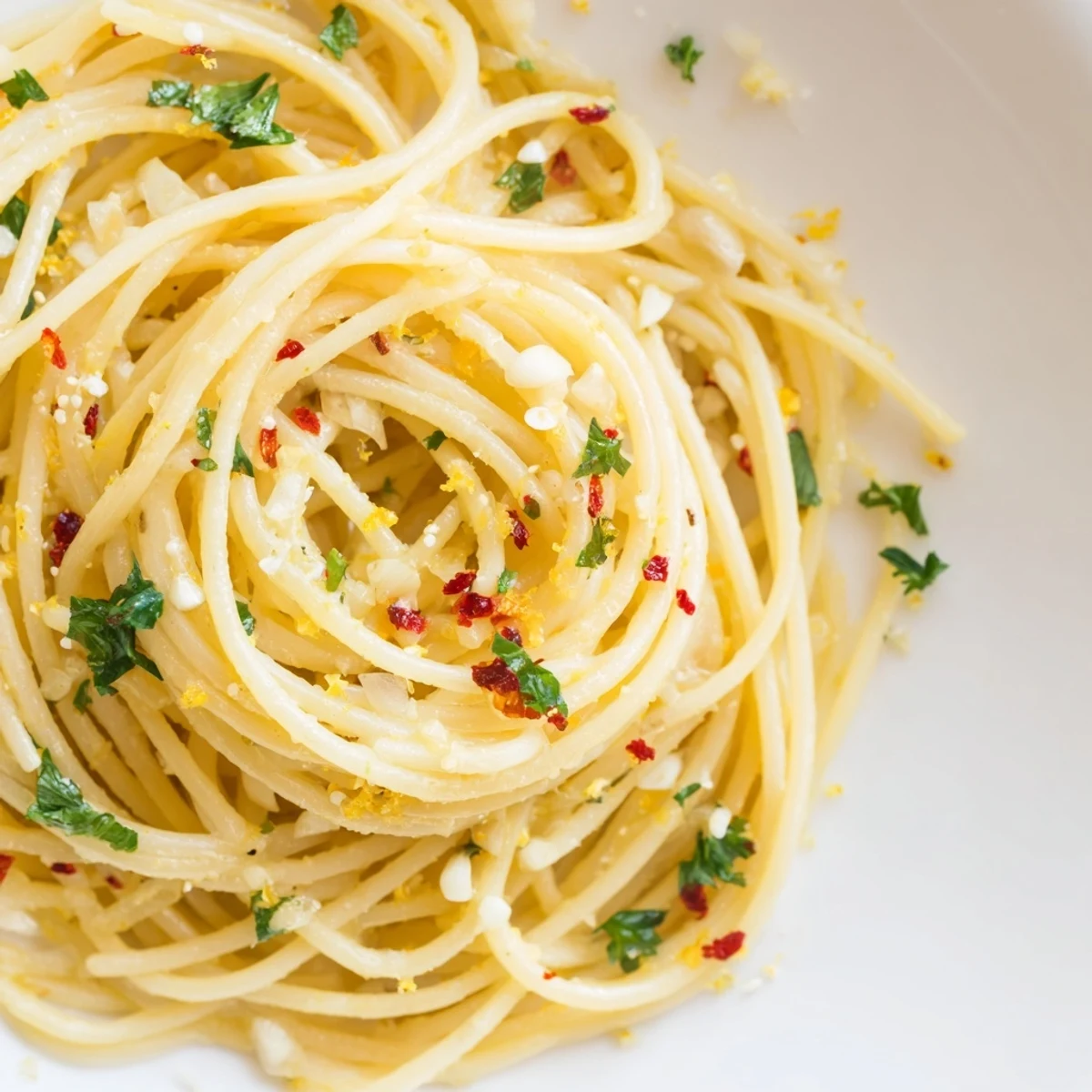
 This Italian-inspired dish features spaghetti gently tossed in fragrant garlic sautéed with extra virgin olive oil. A hint of chili adds warmth while fresh parsley brings brightness. The silky sauce is achieved by combining pasta water and olive oil, delivering a simple yet rich taste experience. Optional Parmesan and lemon zest elevate the elegance. Ideal for a quick, flavorful meal with minimal preparation time.
There's a particular kind of quiet that settles over the kitchen when you're making something deliberately simple. I learned to make aglio e olio one weeknight when I had nothing in the pantry except garlic, olive oil, and a box of spaghetti, and somehow that constraint turned into one of my most treasured recipes. The garlic transforms completely when it meets hot oil—it stops being sharp and becomes this golden, almost sweet whisper threading through every strand of pasta. It's the kind of dish that proves you don't need much to make something magnificent.
I made this for someone I was trying to impress once, and I was so nervous about its simplicity that I almost added things that didn't belong. But they took one bite and just closed their eyes, and I realized that sometimes restraint is its own kind of generosity. Now I make it whenever I want to cook something honest.
Ingredients
- Spaghetti or linguine: Four hundred grams of good pasta matters here because there's nowhere to hide—buy something you actually like eating.
- Extra virgin olive oil: Six tablespoons of olive oil is the actual main ingredient, so use something fruity and alive, not the sad stuff in the back of the cabinet.
- Garlic cloves: Six large cloves, sliced thin—the thinner you slice them, the faster they cook and the more evenly they brown.
- Red pepper flakes: A half teaspoon if you want heat, but don't feel obligated; this dish is lovely without it.
- Fresh parsley: A quarter cup, finely chopped—it brightens everything at the last second, like opening a window.
- Salt and black pepper: To taste, because you're the one who knows how much you like.
- Parmesan cheese: Freshly grated and optional, but it does add a salty depth that ties everything together.
- Lemon zest: From one lemon if you want, a small awakening of brightness at the end.
Instructions
- Start the pasta water:
- Fill a large pot with water and salt it generously—the water should taste like the sea. Bring it to a rolling boil, then add your pasta and cook it until it's just barely tender, following the package timing but tasting a minute or two before.
- Reserve and drain:
- Before you drain, scoop out about half a cup of that starchy, salty pasta water and set it aside in a small bowl. This is going to become your sauce, so don't skip this step.
- Infuse the oil:
- While the pasta cooks, pour your olive oil into a large skillet over medium heat and let it warm for a moment. Add your thinly sliced garlic and stir it constantly—you're listening for it to shift from raw and sharp to golden and fragrant, which takes about two minutes.
- Watch for the burn:
- Garlic can go from perfect to bitter in seconds, so don't walk away. You want it golden and tender, not brown or crispy.
- Add heat if you like:
- Stir in the red pepper flakes for just thirty seconds—you're warming them, not burning them, so the heat distributes evenly without becoming acrid.
- Combine pasta and sauce:
- Add your drained pasta directly to the skillet along with about half of that reserved pasta water. Toss everything together with tongs, watching the starch from the water meld with the olive oil into something creamy and luxurious.
- Adjust and finish:
- Add more pasta water if the mixture looks dry, toss in your chopped parsley right at the end, then season generously with salt and pepper. Taste as you go—you're the guide here.
 Save to Pinterest
 The first time someone asked for seconds, I realized this wasn't just a pantry emergency anymore—it had become the thing I made when I wanted to feed people something that felt like both effort and ease at the same time. There's something quietly powerful about a dish that speaks for itself.
The Garlic Question
People always ask if they can use garlic powder or jarred minced garlic, and the answer is technically yes, you can, but you'll lose the entire point of the dish. Fresh garlic cloves, sliced and slowly warmed in oil, transform into something entirely different from how they taste raw—they become sweet and tender and almost nutty. Garlic powder is acrid by comparison; jarred garlic tastes metallic. This recipe is so simple that everything matters, so use the real thing.
Pasta Water Magic
That milky, starchy pasta water isn't a backup plan—it's the secret ingredient that makes this work. The starch emulsifies with the oil, creating a light sauce that clings to the pasta instead of sliding off it. It's the same technique Italian cooks have used for centuries, and it's the difference between pasta coated in oil and pasta that tastes like it was meant to be together. Start with half a cup and add more if you need it; the consistency should be silky but not swimming.
Variations and Additions
This foundation is so clean that you can build on it in whatever direction appeals to you. Some people add a knob of butter at the end for richness, or stir in some red pepper flakes for heat, or finish with torn fresh basil instead of parsley. You could scatter anchovies over the top for umami, or finish with crispy breadcrumbs and a squeeze of lemon. The point is that you've got a template now, one you understand so thoroughly that you can play with it.
- For richness, add a tablespoon of butter with the pasta water and let it melt into the oil.
- For brightness, finish with fresh lemon zest or a small squeeze of lemon juice.
- For texture, top with toasted panko breadcrumbs or crispy fried garlic slices.
 Save to Pinterest
 This is the kind of recipe that teaches you something each time you make it: how to listen to your food, how to trust simplicity, how salt and heat and oil and time can create something that feels like more than the sum of its parts. Make it for yourself first, and then make it for someone else.
Common Questions
- → What type of pasta works best for this dish?
-
Spaghetti or linguine are ideal due to their shape and texture, which hold the garlic oil sauce beautifully.
- → Can I adjust the heat level in the dish?
-
Yes, the amount of red pepper flakes can be modified or omitted entirely to suit your spice preference.
- → How do I prevent the garlic from burning?
-
Cook garlic over medium heat, stirring frequently and removing from heat once it turns golden and fragrant to avoid bitterness.
- → Is it possible to make this dish vegan?
-
Simply skip the Parmesan cheese or use a vegan alternative to keep the dish plant-based without sacrificing flavor.
- → What herbs can I use besides parsley?
-
Basil or arugula can be great substitutes, offering different herbal notes to customize the dish.