
 Save to Pinterest
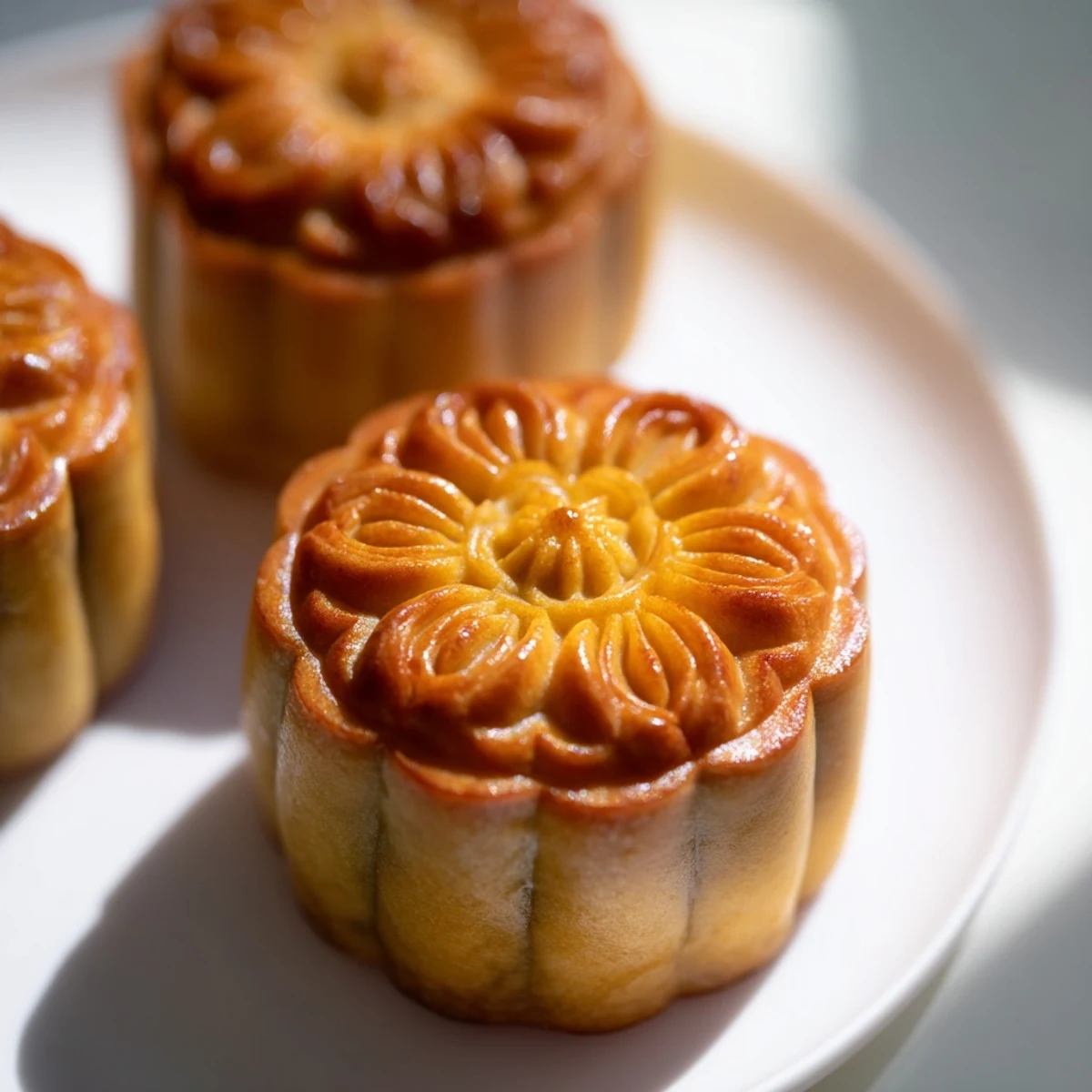
 Craft these iconic Chinese delicacies featuring a tender, golden wrapper encasing sweet lotus seed paste. The pastry achieves its signature texture through golden syrup and alkaline water, requiring a crucial resting period for optimal results.
Each mooncake can be enriched with a salted egg yolk at its center, creating a luxurious contrast between the rich yolk and delicate paste. The shaping process uses traditional molds pressed with filled dough balls, creating intricate decorative patterns.
After baking to a beautiful golden finish, allow these treats to rest for 1-2 days in an airtight container. This essential waiting period softens the pastry and allows flavors to meld, resulting in the authentic mooncake experience enjoyed during Mid-Autumn Festival celebrations.
The first time I attempted mooncakes, I was living in a tiny apartment with an oven that heated unevenly. My aunt had gifted me a traditional wooden mold, its floral pattern worn smooth from decades of use. I spent an entire Sunday wrestling with that stubborn dough, convinced Id ruined everything when the first batch emerged slightly lopsided. But when I bit into one the next day, after the pastry had softened and the flavors had melded, I understood why people wait all year for these golden rounds.
Last autumn, I made a batch for my neighbors Mid-Autumn Festival celebration, carefully packaging each cake in red boxes Id ordered months in advance. Watching her childrens faces light up when they bit into the salted egg yolk centers made every cramped finger and flour-dusted countertop worth it. Her grandmother, who usually makes the family mooncakes herself, actually asked for my recipe—a moment that still makes me grin.
Ingredients
- 120 g all-purpose flour: The foundation of that signature golden shell, measured precisely for consistent results
- 85 g golden syrup: This honey colored syrup gives the pastry its deep color and characteristic chewiness
- 30 g vegetable oil: Creates the tender, melt in your mouth texture that distinguishes good mooncakes from great ones
- 1/2 tsp alkaline water: The secret ingredient that promotes browning and gives the pastry its distinctive aroma
- 480 g lotus seed paste: Store bought works perfectly, though homemade adds an extra layer of accomplishment to your baking day
- 12 salted egg yolks: Optional but traditional, these creamy centers create that beloved sweet and salty contrast
- 1 egg yolk mixed with 1 tbsp milk: The egg wash that transforms pale dough into glossy, burnished perfection
Instructions
- Prepare the Pastry Dough:
- Whisk together golden syrup, vegetable oil, and alkaline water until the mixture turns smooth and emulsified. Gradually stir in the flour until a soft, cohesive dough forms, then cover and let it rest for 2 hours—this waiting period is non negotiable for workable dough.
- Shape the Fillings:
- Divide lotus paste into 12 equal portions, about 40 g each. If using salted egg yolks, nestle one inside each paste portion and gently roll into smooth balls, ensuring the yolk is completely hidden.
- Wrap and Mold:
- Portion your rested dough into 12 pieces, roughly 20 g each, and flatten into discs. Carefully encase each filling ball, pinching the edges to seal completely before pressing into a lightly floured mold.
- Bake to Golden Perfection:
- Bake at 180°C for 5 minutes, brush with egg wash, then return to the oven for 15–20 minutes until deeply golden. Let them cool completely before tasting—patience rewards you with the best texture.
 Save to Pinterest
 My father called me after receiving a care package I mailed across the country, his voice crackling over the phone line. He said the mooncakes reminded him of the bakery downstairs from his childhood apartment in Shanghai, where the owner would slip him an extra cake during festival season. Food has this way of teleporting us across time and distance.
Getting the Right Consistency
The dough should feel smooth and slightly tacky, like playdough that holds its shape without sticking to your fingers. If it is too dry, the pastry will crack during baking, but if it is too wet, it will stick to your mold relentlessly.
Molding Like a Pro
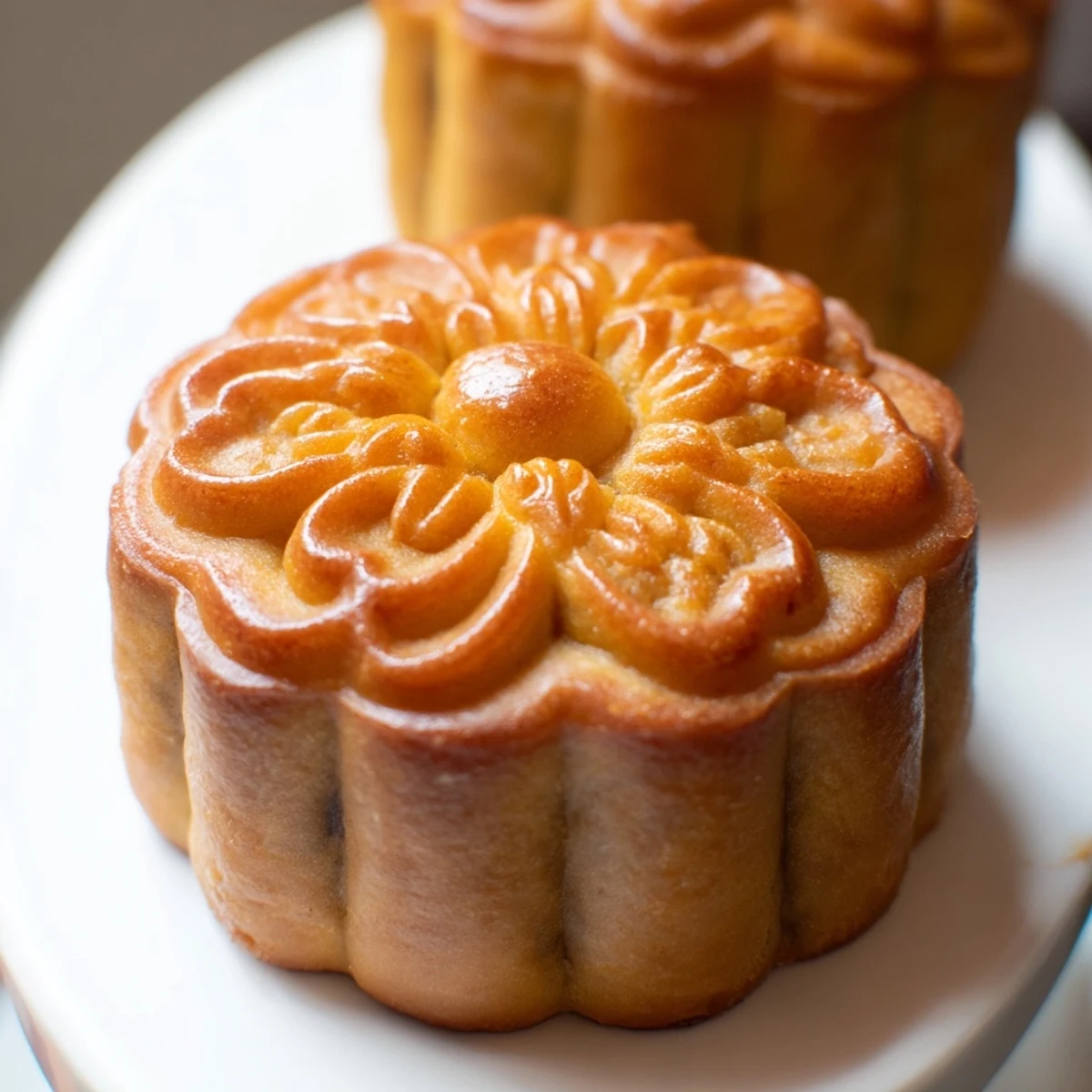
Lightly dusting your mold with flour prevents sticking, but too much flour obscures the beautiful patterns. I tap out excess flour over the sink before pressing each filled ball inside, then give the mold a sharp tap against the counter to release the shaped mooncake.
Storing and Serving
Mooncakes improve dramatically after a day or two of rest, as the pastry softens and the filling mellows into the dough. Store them in an airtight container at room temperature, where they will keep for up to two weeks—though they rarely last that long in my house.
- Slice them thinly to share, as these rich cakes are meant to be portioned among family and friends
- Serve with strong tea to cut through the sweetness and complement the lotus flavors
- Bring them to room temperature before serving for the best texture experience
 Save to Pinterest
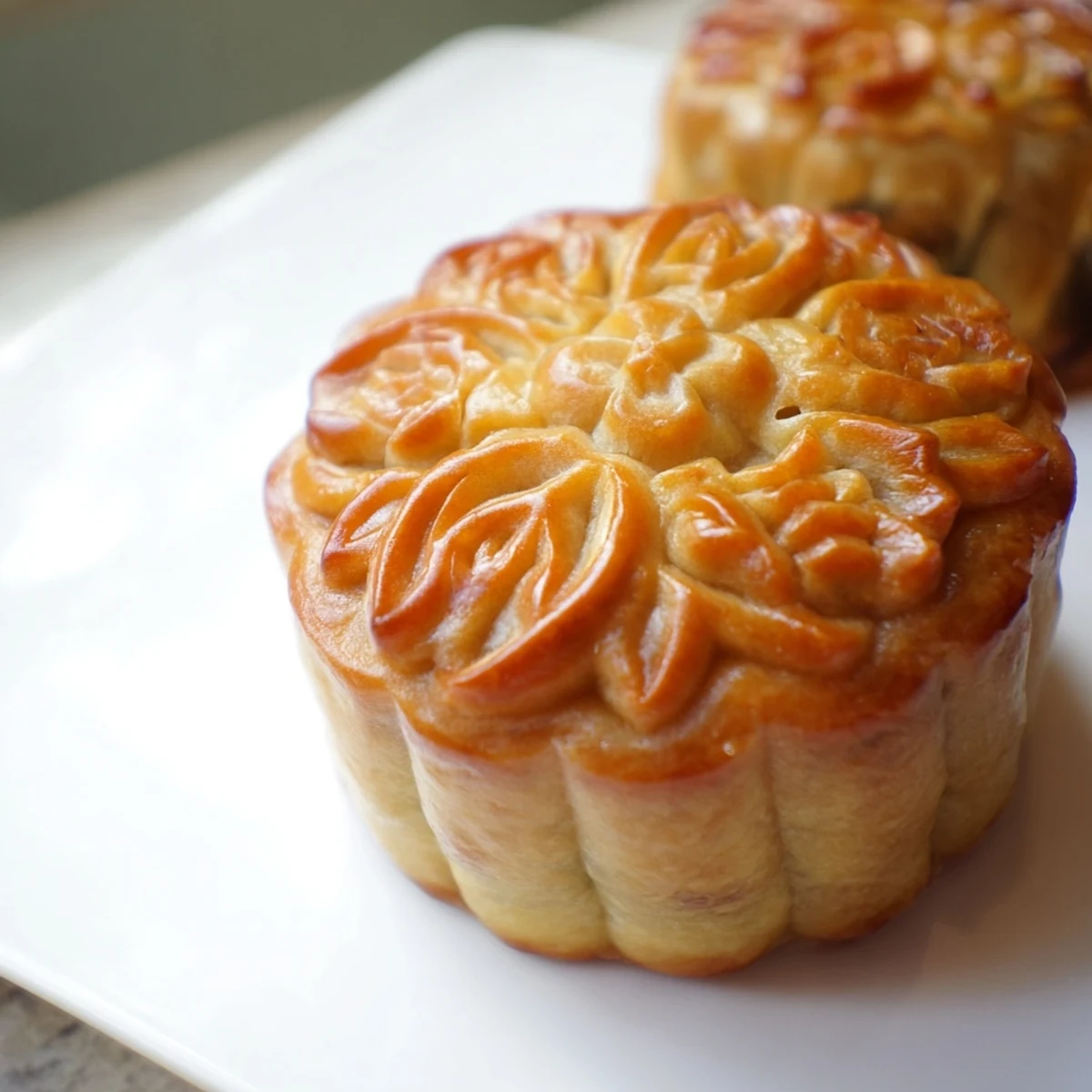
 There is something deeply satisfying about cutting into a mooncake you have shaped yourself, the knife revealing the perfect round of yolk inside like a hidden treasure. May your kitchen fill with the warm scent of syrup and flour this festival season.
Common Questions
- → Why must the dough rest for 2 hours?
-
The resting period allows the flour to fully hydrate and the gluten to relax, making the dough more pliable and easier to shape without cracking. This step is crucial for achieving the smooth, tender texture characteristic of quality mooncakes.
- → Can I make the lotus seed paste from scratch?
-
Absolutely. Soak dried lotus seeds overnight, boil until tender, then blend with sugar and oil until smooth. Cook the mixture while stirring constantly until it thickens into a paste. Homemade paste often has a fresher, more nuanced flavor than store-bought versions.
- → What if I don't have a mooncake mold?
-
While traditional molds create the classic decorative appearance, you can shape the filled dough balls by hand and gently flatten slightly. Alternatively, use a small tart pan or create simple patterns with the tines of a fork. The taste remains authentic regardless of shaping method.
- → Why do mooncakes taste better after resting?
-
The resting period allows moisture from the filling to migrate into the pastry, softening it and creating the characteristic tender, slightly chewy texture. This process also enables the flavors to meld and develop, resulting in a more harmonious and balanced taste profile.
- → How long can I store homemade mooncakes?
-
When stored in an airtight container at room temperature, mooncakes remain fresh for up to 1 week. For longer storage, refrigerate for up to 2 weeks or freeze for up to 3 months. Bring to room temperature before serving for the best texture and flavor experience.
- → What is alkaline water and where can I find it?
-
Alkaline water, also known as lye water or kansui, is a sodium carbonate or potassium carbonate solution that gives mooncakes their golden color and characteristic texture. Look for it in Asian grocery stores, often labeled as 'alkaline water' or 'lye water' in small bottles.