
 Save to Pinterest
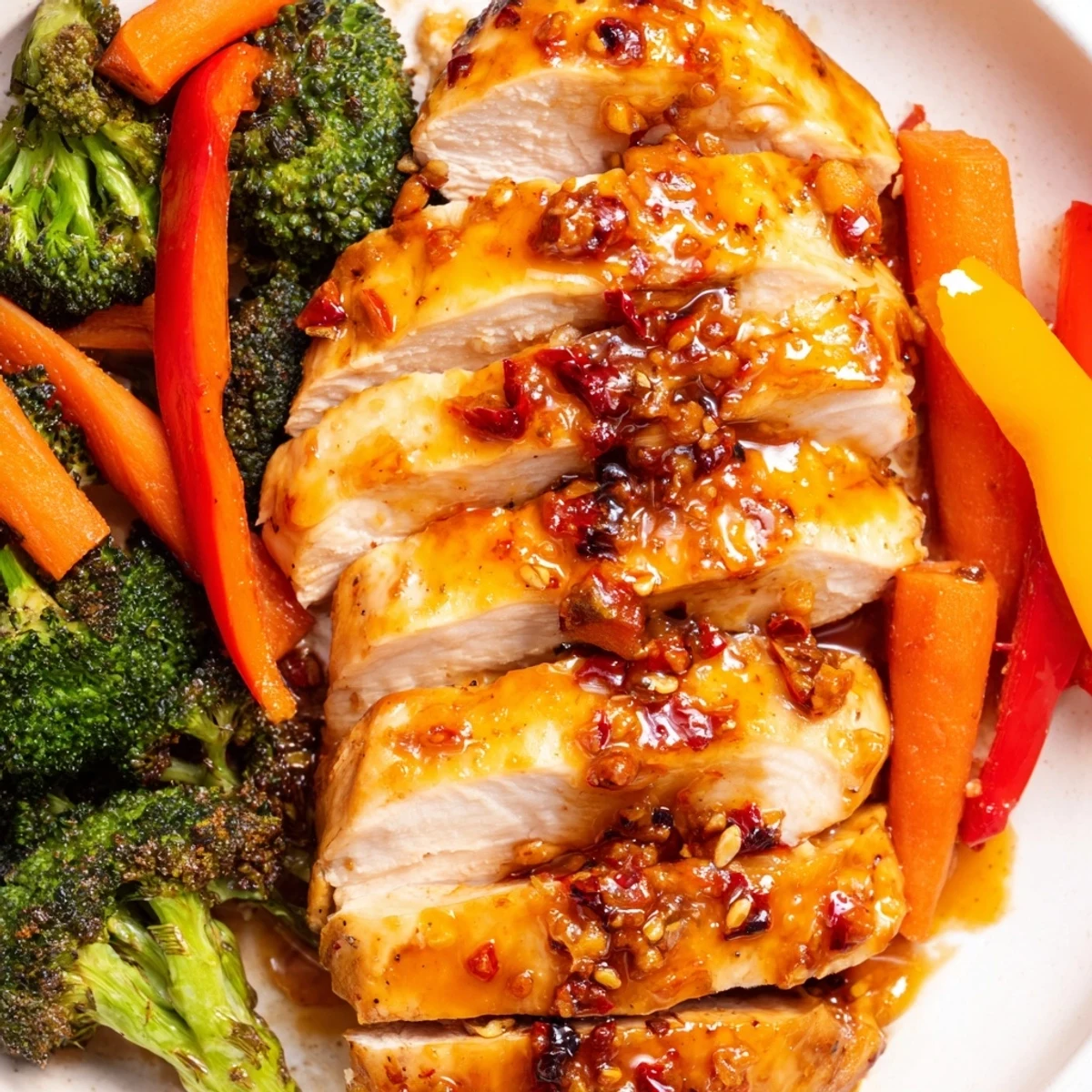
 This dish combines tender chicken breasts coated in a sweet and savory honey garlic sauce, roasted alongside a vibrant mix of broccoli, carrots, bell peppers, and red onion. The one-pan method ensures simple preparation and minimal cleanup, while roasting caramelizes the vegetables and infuses the chicken with rich flavors. Perfect for a nutritious and flavorful dinner that’s both quick and easy to prepare.
There's something almost meditative about watching chicken and vegetables transform together on a single sheet pan. I discovered this recipe on a Tuesday night when I was determined to avoid the pile of dishes that usually haunts me after dinner. The smell of garlic and honey caramelizing in the oven is honestly one of those moments that makes you feel like you've done something impressive, even though you've barely lifted a finger.
I made this for my neighbor last month when she was buried under work deadlines, and she came back the next day asking for the recipe. What stuck with her most wasn't the chicken itself, but how the carrots turned almost candy-like from the roasting, and how the bell peppers softened into something sweeter than she expected. That's when I realized this dish has a quiet way of making vegetables irresistible to people who usually push them around their plate.
Ingredients
- Boneless, skinless chicken breasts: Four breasts around 150 grams each work perfectly for even cooking; they'll stay tender if you don't skip the seasoning step.
- Honey: Three tablespoons is the sweet anchor that balances the savory soy and tangy vinegar without becoming cloying.
- Low-sodium soy sauce: Use gluten-free if that matters to you, and resist the urge to add more than called for or the salt becomes overwhelming.
- Olive oil: You'll use five tablespoons total across chicken, sauce, and vegetables, so it's worth having good quality on hand.
- Minced garlic: Four cloves minced fine, or use a microplane if you have one and want the garlic to almost melt into the sauce.
- Apple cider vinegar: One tablespoon brings brightness that keeps the glaze from sitting heavy on your tongue.
- Crushed red pepper flakes: Optional, but half a teaspoon adds a whisper of heat that makes people ask what the secret ingredient is.
- Broccoli florets: Two cups cut into bite sized pieces; they'll char at the edges and stay crisp inside.
- Baby carrots: Halving them lengthwise instead of leaving them whole speeds up cooking and creates more caramelized surface.
- Bell peppers: Mix red and yellow for color, slice them into thick strips so they don't collapse into mush.
- Red onion: One small one, sliced thin; the edges caramelize beautifully and add subtle sweetness.
Instructions
- Heat your pan and prepare:
- Preheat the oven to 425 degrees and line your largest sheet pan with parchment paper or foil; this step saves you thirty minutes of scrubbing later.
- Mix the glaze:
- In a small bowl, whisk together the honey, soy sauce, two tablespoons of olive oil, minced garlic, apple cider vinegar, and red pepper flakes if using. The mixture should look glossy and smell like something you want to drink, which means you've balanced everything right.
- Season and arrange the chicken:
- Place chicken breasts on one side of your prepared pan, drizzle with one tablespoon of olive oil, then season both sides generously with salt and pepper. Don't be shy here; the salt brings out the chicken's natural flavor.
- Prep the vegetables:
- Toss your broccoli, carrots, bell peppers, and red onion on the other side of the pan with two tablespoons of olive oil and a pinch of salt and pepper. Stir them gently so the oil coats everything evenly and they'll toast instead of steam.
- Coat the chicken:
- Spoon half of your honey garlic sauce over the chicken breasts, letting it pool around them. Keep the rest of the sauce in the bowl to drizzle over everything after roasting.
- Roast until golden:
- Slide the pan into the oven and roast for twenty five to thirty minutes; the chicken is done when it reaches one hundred sixty five degrees at its thickest point, and the vegetables should look charred at the edges and tender inside. Stir the vegetables halfway through so they cook evenly and catch the heat on all sides.
- Rest and finish:
- Take the pan out of the oven and let the chicken sit for five minutes before slicing; this keeps it from drying out. Drizzle the reserved sauce over everything just before serving so it stays glossy and fresh.
 Save to Pinterest
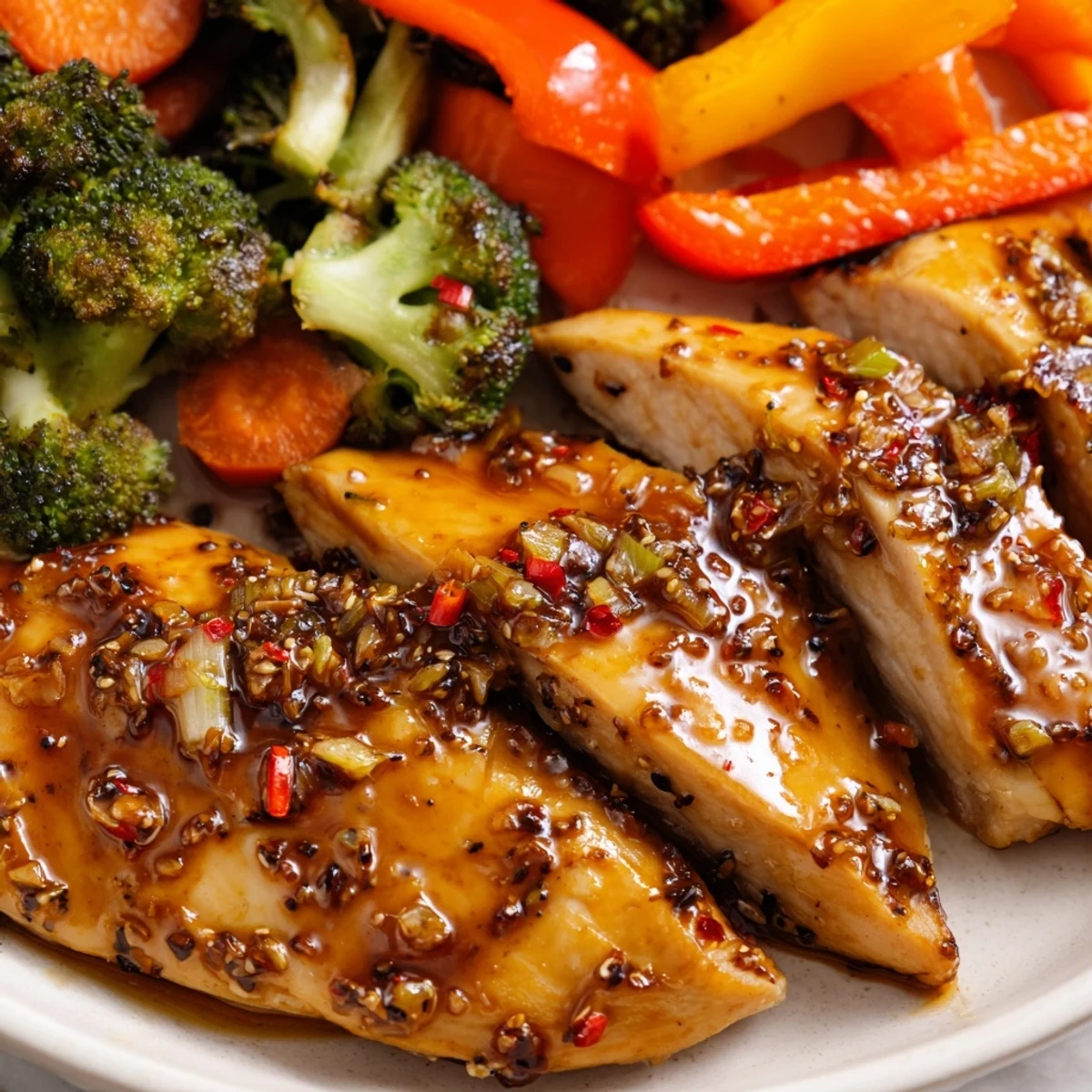
 There's a moment during roasting when the kitchen fills with this smell, and your household gravitates toward the oven without being asked. That's when I know this dish has already succeeded, even though nothing's plated yet.
Why the Glaze Makes All the Difference
The magic of this recipe lives in the balance of that honey garlic sauce. Honey brings sweetness, soy sauce adds umami and salt, vinegar cuts through with brightness, and garlic becomes almost caramel like in the oven's heat. I used to make glazed chicken with just soy and garlic, and it always felt one dimensional. The honey changed everything, making the sauce coat the chicken in a glossy layer that gets slightly sticky and candied at the edges. When I started reserving half the sauce to drizzle over everything at the end, it transformed from good to the kind of dish people actually request.
Timing and Temperature Matter More Than You Think
Cooking at four hundred twenty five degrees is higher than a lot of recipes call for, and that's deliberate. The high heat caramelizes the vegetables' edges while the chicken cooks through, creating flavor that you can't get at a lower temperature. If your oven runs hot, check around twenty five minutes instead of thirty. If it runs cool, you might need the full thirty plus a few extra minutes. I learned to trust the thermometer more than the clock; one hundred sixty five degrees in the thickest part of the chicken is your safety net, not a suggestion.
Customizing Without Losing the Recipe
This recipe is forgiving enough to adapt to what's in your kitchen, but there are lines you don't want to cross. Swap the chicken for boneless thighs if you want juicier meat, or use tofu if you're cooking vegetarian. Add zucchini, snap peas, or asparagus without changing the cooking time. But don't halve the honey garlic sauce or skip the vinegar thinking you'll simplify things; those ingredients earn their place.
- Rice or quinoa underneath soaks up the glaze beautifully if you want a more substantial meal.
- A squeeze of fresh lemon over everything at the table adds brightness without changing the core recipe.
- Make the glaze a day ahead and store it in the fridge so you can actually relax on cooking day.
 Save to Pinterest
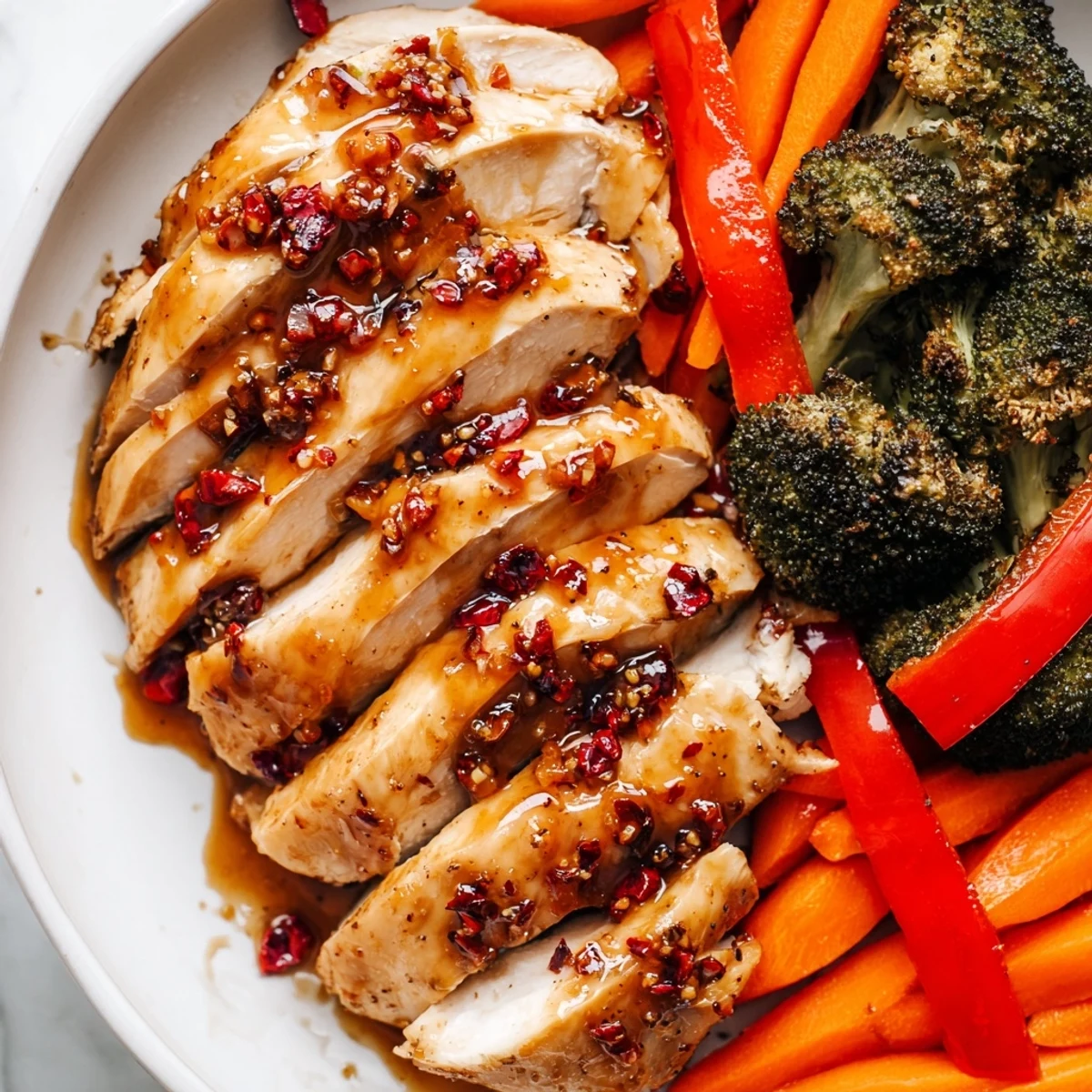
 This is the kind of dinner that makes a weeknight feel intentional and warm without asking much of you. Once you've made it once, it becomes something you come back to again and again.
Common Questions
- → What vegetables work best with honey garlic chicken?
-
Broccoli, carrots, bell peppers, and red onions complement the sweet and savory glaze well. You can also add zucchini or snap peas for variety.
- → Can I use chicken thighs instead of breasts?
-
Yes, boneless chicken thighs provide a juicier alternative and work beautifully with the honey garlic glaze.
- → How do I know when the chicken is cooked through?
-
Cook until the internal temperature reaches 165°F (74°C) and juices run clear, ensuring tender and safe-to-eat meat.
- → Is soy sauce necessary for the sauce?
-
Soy sauce adds depth and saltiness; gluten-free versions are available to accommodate dietary needs.
- → Can I make a vegan version of this dish?
-
Replace chicken with tofu and substitute honey with maple syrup to create a plant-based alternative.