
 Save to Pinterest
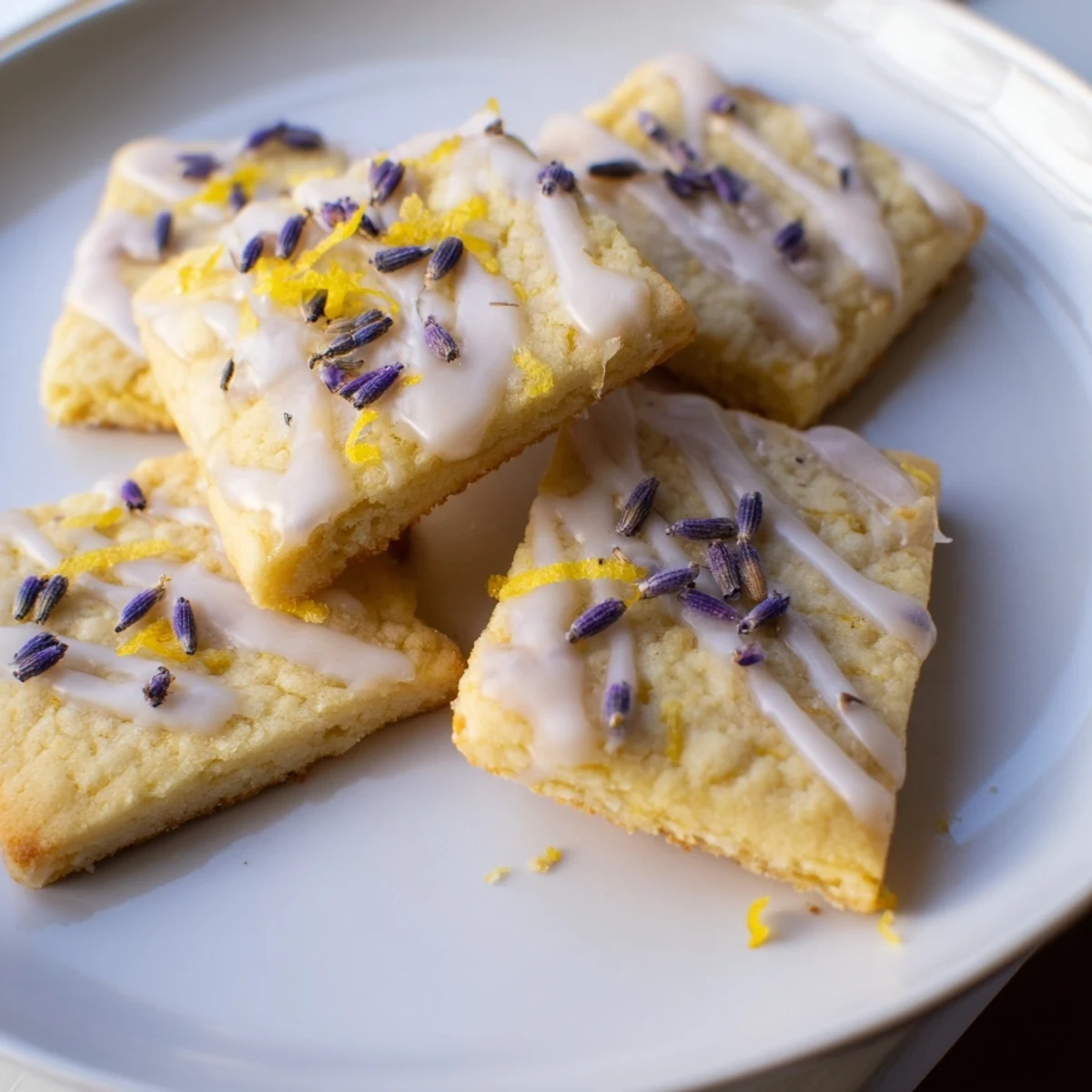
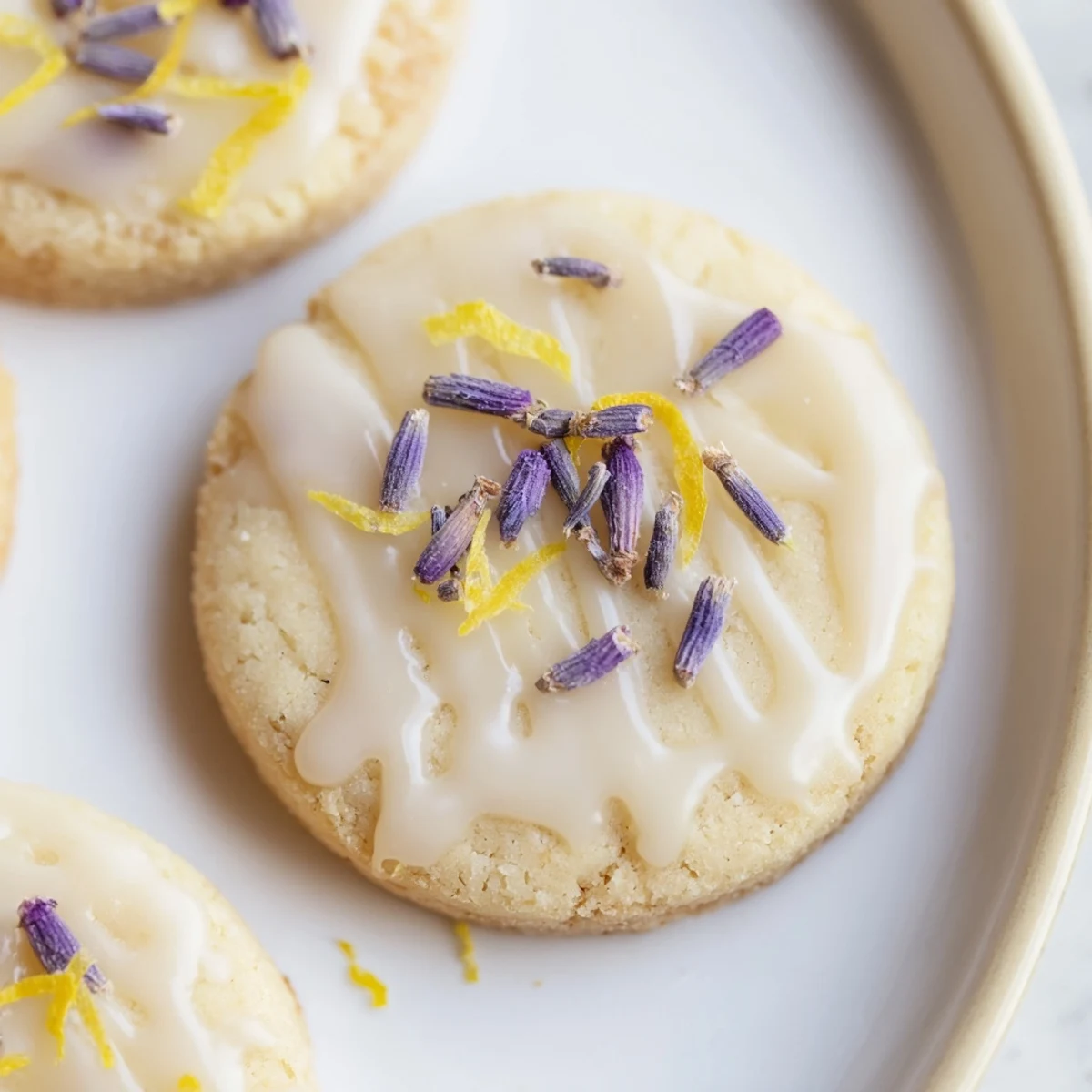
 These delicate shortbread cookies combine rich, buttery dough with the aromatic pairing of culinary lavender and fresh lemon zest. After chilling and slicing, the rounds bake until lightly golden before receiving a drizzle of tangy lemon icing. The result is a sophisticated yet simple British treat that balances floral notes with citrus brightness.
Perfect with Earl Grey or chamomile tea, these elegant cookies require just 20 minutes of active preparation. The dough logs can be frozen for later slicing, making them ideal for advance planning. Each bite delivers melt-in-your-mouth texture followed by refreshing lemon flavor and subtle lavender undertones.
The first time I made these cookies was on a gray Sunday afternoon when I desperately needed something that felt like a small luxury. I had picked up a bundle of dried lavender from a farmers market earlier that week, not entirely sure what I would do with it. When the floral aroma hit me as I creamed the butter, I knew these would become special. They turned out to be the kind of treat that makes you pause everything and just breathe for a moment.
I brought a batch to my book club meeting last spring and watched my friend Sarah eyes widen after her first bite. She immediately asked for the recipe, saying these cookies tasted like something her grandmother would have served on her best china. Since then, I have started making double batches because they disappear faster than any other cookie I bake. There is something about the combination that makes people feel taken care of.
Ingredients
- Unsalted butter: Softened to room temperature so it creams perfectly with the sugar for that tender shortbread texture
- Powdered sugar: Creates a finer crumb than granulated sugar and helps the cookies hold their delicate shape
- Lemon zest: Use a microplane to get just the bright yellow part without any bitter white pith
- Culinary dried lavender: Finely chopped to distribute evenly throughout the dough without any overwhelming floral bites
- Salt: Just enough to enhance the butter and balance the sweetness
- All-purpose flour: The foundation that gives these cookies their classic shortbread structure
- Powdered sugar for icing: Sifted first to prevent any lumps in your smooth glossy glaze
- Fresh lemon juice: Adjust the amount to get the perfect drizzling consistency for your icing
Instructions
- Cream the butter and sugar:
- Beat the softened butter and powdered sugar in a large bowl until the mixture turns pale and fluffy, about 2 to 3 minutes. This step is crucial for achieving that melt-in-your-mouth texture we want.
- Add the flavorings:
- Mix in the lemon zest, chopped lavender, and salt until everything is evenly distributed. Take a moment to inhale the incredible floral citrus aroma filling your kitchen.
- Incorporate the flour:
- Gradually add the flour and mix just until the dough comes together and no dry streaks remain. Be careful not to overwork the dough or the cookies will become tough instead of tender.
- Chill the dough:
- Divide the dough in half and shape each portion into a log about 2 inches in diameter. Wrap tightly in plastic wrap and refrigerate for at least 30 minutes until firm enough to slice cleanly.
- Prepare for baking:
- Preheat your oven to 350°F and line two baking sheets with parchment paper. This ensures the cookies will not stick and makes cleanup incredibly easy.
- Slice and arrange:
- Cut the chilled dough into 1/4-inch rounds and place them on the prepared baking sheets with a little space between each cookie. They will not spread much so you can fit quite a few on each sheet.
- Bake to perfection:
- Bake for 14 to 16 minutes until the edges are just barely starting to turn golden. Let them cool on the sheets for 5 minutes before transferring to a wire rack to cool completely.
- Make the lemon icing:
- Whisk together the powdered sugar, lemon juice, and lemon zest until smooth and glossy. Add more lemon juice drop by drop if needed to reach the right consistency.
- Finish and serve:
- Drizzle or spread the icing over the completely cooled cookies and optionally sprinkle with a few lavender buds. Let the icing set before serving to avoid any messy fingers.
 Save to Pinterest
 Last summer, I made these for my aunt who was recovering from surgery and she told me they were the only thing that made her feel like herself again. Every time I bake them now, I think of how something as simple as a cookie can be such a powerful gesture of care. Food really does have this incredible way of connecting us to memories and people we love.
The Secret to Perfect Shortbread Texture
Shortbread is all about patience and restraint. The key is mixing just enough to combine the ingredients without developing too much gluten in the flour. I used to overmix my dough constantly, wondering why my cookies were never quite as tender as the ones from bakeries. Once I learned to stop as soon as the dough came together, everything changed. The difference is remarkable.
Choosing and Using Culinary Lavender
Not all lavender is created equal when it comes to baking. The lavender sold in craft stores often has pesticides or other additives that make it unsuitable for eating. Look for lavender specifically labeled as culinary grade, which has been grown and processed with food in mind. I buy mine in small quantities from specialty spice shops to ensure it is fresh and potent.
Making These Cookies Your Own
Once you have mastered the basic recipe, there are so many lovely ways to adapt it. Sometimes I add a teaspoon of vanilla extract to the dough for an extra layer of flavor. Other times I have used thyme instead of lavender for a more herbaceous variation. The basic shortbread template is incredibly forgiving and welcoming to creativity.
- Try substituting orange zest and juice for a sunny citrus twist
- Add a handful of finely chopped pecans or walnuts to the dough for some crunch
- For a chocolate version, replace 2 tablespoons of flour with cocoa powder
 Save to Pinterest
 These cookies have become my go-to gift for neighbors, teachers, and anyone who needs a little bright spot in their day. I hope they bring the same joy to your kitchen as they have to mine.
Common Questions
- → Can I use fresh lavender instead of dried?
-
Use dried culinary lavender for best results. Fresh lavender contains too much moisture and can make the dough soggy. If using fresh, dry it thoroughly in a low oven before incorporating.
- → How should I store these cookies?
-
Store in an airtight container at room temperature for up to 5 days. Separate layers with parchment paper to prevent the icing from sticking. For longer storage, freeze undecorated cookies for up to 3 months.
- → Can I make the dough ahead of time?
-
Absolutely. The dough logs can be wrapped and refrigerated for up to 3 days or frozen for up to 3 months. Thaw frozen dough in the refrigerator overnight before slicing and baking.
- → What's the best way to achieve uniform cookies?
-
Shape the dough into perfectly round logs by rolling them on the counter while applying gentle pressure. Chill thoroughly before slicing with a sharp knife using a sawing motion for clean edges.
- → Can I substitute regular flour with gluten-free flour?
-
Yes, use a 1:1 gluten-free flour blend designed for baking. The texture may be slightly crumblier but still delicious. Measure by weight for accuracy when substituting.
- → Why is chilling the dough necessary?
-
Chilling firms the butter, making the dough easier to slice into neat rounds. It also enhances flavor development and prevents cookies from spreading too much during baking, ensuring the perfect tender crumb.