
 Save to Pinterest
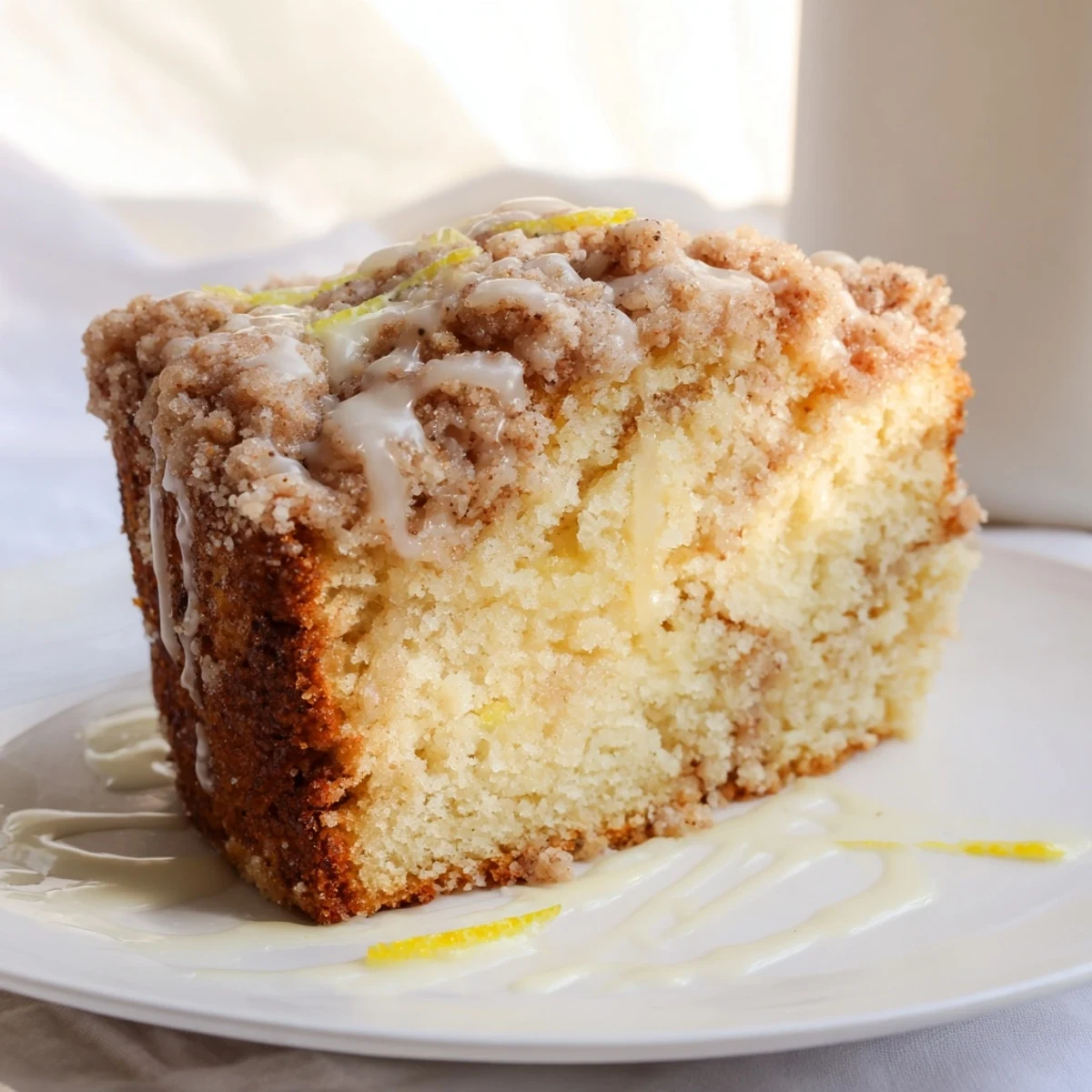
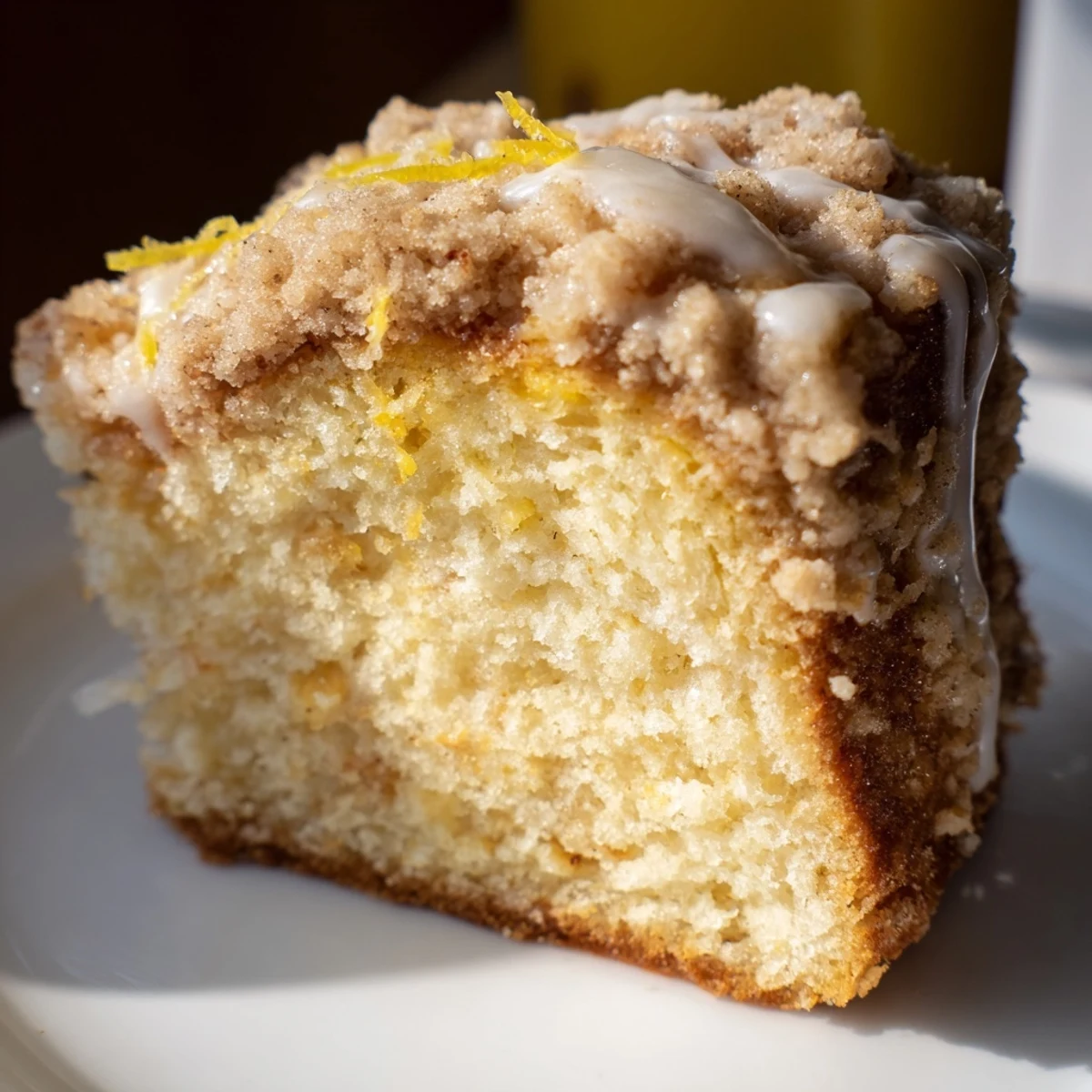
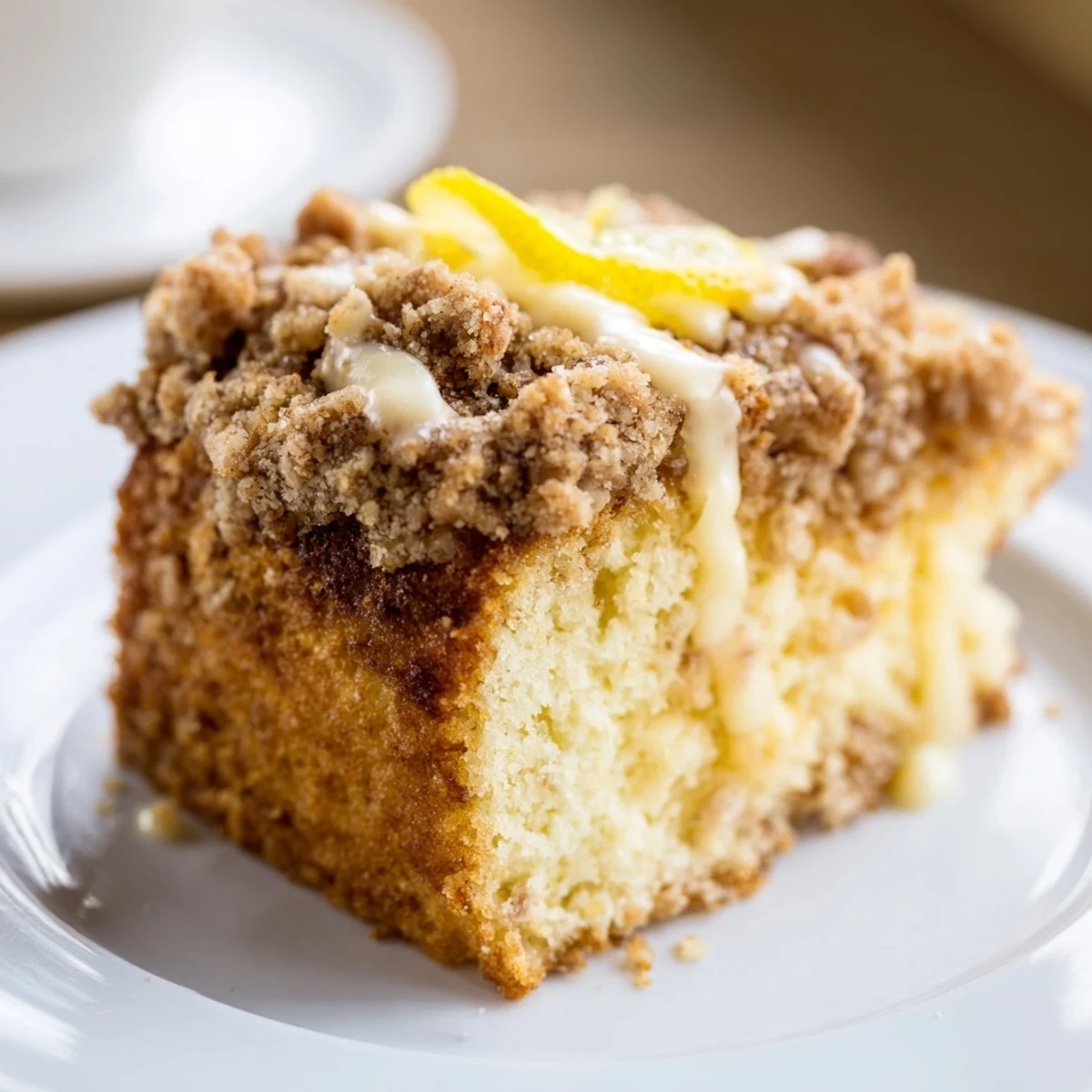
 This lemon coffee cake features a tender crumb infused with fresh lemon zest and juice. The cake batter combines sour cream and vanilla for moistness and depth, while a buttery crumble topping adds a delightful crunch. Bake until golden, then optionally drizzle with a lemon glaze for an extra citrus burst. Ideal for breakfast or afternoon treats, this easy-to-make cake pairs well with whipped cream or ice cream to enhance its delicate flavors.
There's something about the smell of lemon zest hitting a hot pan that instantly transports me to my grandmother's kitchen on Sunday mornings. She'd have this coffee cake waiting, still warm, its golden crumble top catching the light from the window. I spent years trying to recreate it from memory alone until one afternoon, when I finally nailed the balance of bright lemon against buttery sweetness, I understood why she never wrote the recipe down—some things taste better when you learn them by accident.
I baked this for my book club once, worried it might be too simple, too plain. One friend took a bite, closed her eyes, and didn't say anything for a moment—she just ate another slice. That's when I realized this cake doesn't need to be complicated to be memorable. It just needs to taste honest.
Ingredients
- All-purpose flour (2 cups for cake, 1/2 cup for crumble): Use good quality flour if you can—it makes a difference in the tender crumb structure.
- Granulated sugar (1 cup total): Don't skip the full amount; it's what keeps the cake moist as it sits.
- Unsalted butter (3/4 cup total): Cold butter for the crumble, softened for the batter—this distinction actually matters.
- Large eggs (2): Let them sit at room temperature for ten minutes before using; they incorporate better and create a lighter cake.
- Sour cream (1/2 cup): This is the secret ingredient that keeps everything tender and adds subtle tang.
- Whole milk (1/4 cup): Balances the richness of the sour cream and prevents the cake from tasting heavy.
- Fresh lemon zest (2 tbsp): Zest the lemons right before mixing; the oils are brightest then.
- Fresh lemon juice (1/4 cup): Bottled won't work here—you need that freshness to shine through.
- Baking powder and baking soda (2 tsp and 1/2 tsp): Together they create the right lift without making the crumb dense.
- Ground cinnamon (1/2 tsp, optional): A whisper in the crumble, just enough to round out the lemon.
- Vanilla extract (1 tsp): Complements lemon in ways you won't expect until you taste it.
- Powdered sugar and lemon juice for glaze (optional): Makes the cake feel finished and adds another layer of brightness.
Instructions
- Set the Stage:
- Preheat your oven to 350°F and grease a 9-inch pan with butter and a light flour dusting. This prevents sticking without changing the flavor like cooking spray might.
- Make the Crumble First:
- Combine flour, sugar, cinnamon, and salt in a small bowl. Cut cold, cubed butter into the mixture with a fork until it looks like coarse sand—this matters because cold butter stays distinct, creating those precious pockets of crunch. Pop it in the fridge while you move forward.
- Cream Butter and Sugar:
- Beat softened butter and sugar together until it's pale and fluffy, which takes about three minutes with an electric mixer. This step incorporates air into the batter, which is what makes the cake tender.
- Add Eggs and Flavor:
- Add eggs one at a time, beating after each one so they blend smoothly. Then mix in the lemon zest, lemon juice, sour cream, milk, and vanilla until everything is combined and the batter looks slightly curdled—that's exactly right and will smooth out.
- Combine Dry Ingredients Carefully:
- In a separate bowl, whisk together flour, baking powder, baking soda, and salt. Gently fold this into the wet ingredients just until no flour streaks remain; overmixing at this stage toughens the cake.
- Build the Cake:
- Pour batter into your prepared pan and smooth the top gently. Sprinkle the reserved crumble topping evenly over the batter, pressing it down just slightly so it doesn't slide around during baking.
- Bake Until Golden:
- Bake for 38 to 42 minutes—you'll know it's done when a toothpick inserted in the center comes out clean or with just a few crumbs clinging to it. The kitchen will smell incredible about thirty minutes in.
- Cool Properly:
- Let the cake rest in the pan for 10 minutes before turning it out onto a wire rack. This prevents it from breaking apart while still warm but crumbly.
- Glaze if You Wish:
- Once completely cool, whisk powdered sugar and lemon juice until smooth and drizzle it across the top. This step is optional but adds polish and extra brightness.
 Save to Pinterest
 My neighbor came over one afternoon and we made this together while her kids napped. She kept stealing tastes of the crumble topping right from the bowl, laughing like we were kids ourselves. When that cake came out of the oven and she took the first bite warm with coffee, she got quiet in that way people do when something tastes like comfort. She asked for the recipe the next day, and I realized that's when food becomes a real gift—when it makes someone remember why they love baking in the first place.
Why Lemon and Crumble Work Together
Lemon is bright and sharp, and by itself can feel almost too intense in a cake. But the buttery crumble topping softens that brightness with its gentle sweetness and richness, creating this perfect balance where neither flavor overpowers the other. The sour cream in the batter plays the same role, adding tanginess that echoes the lemon without competing with it. This is why simple cakes sometimes taste more interesting than complicated ones—when you understand how flavors talk to each other, you don't need to add much.
Timing and Temperature Matter More Than You Think
The first time I made this, I rushed everything and baked it at too high a temperature. The crumble burned, the outside was set, but the center stayed wet—a total mess. Since then I've learned that 350°F and patience are what create that perfect golden exterior and tender crumb. If your oven runs hot, check the cake a minute or two early. If it seems to be browning too fast, drape it loosely with foil for the last few minutes. Temperature control isn't boring—it's actually how you master baking.
Ways to Make This Cake Entirely Your Own
This recipe is flexible in the ways that matter. Some mornings I add blueberries scattered through the batter because they soften as they bake and add pockets of tartness. Other times I skip the glaze and just serve it plain with strong coffee. I've even made it with Earl Grey zest instead of lemon when I was in a mood. The foundation is solid enough to support your experiments.
- Blueberries, fresh raspberries, or even diced strawberries work beautifully folded into the batter or scattered on top.
- A sprinkle of fleur de sel over the glaze adds sophistication and balances the sweetness.
- Serve with whipped cream, vanilla ice cream, or just by itself with good coffee because sometimes simple is exactly right.
 Save to Pinterest
 This cake has become the thing I bake when someone needs comfort or celebration but I don't have time to fuss. It's honest food that tastes like someone made it with care, and after all, that's what matters.
Common Questions
- → How do I make the crumble topping?
-
Combine flour, sugar, cinnamon (optional), and salt. Cut in cold butter until the mixture forms coarse crumbs. Chill while preparing the batter.
- → Can I add fruit to this cake?
-
Yes, adding fresh blueberries to the batter provides a fruity twist that complements the lemon flavor.
- → What pan size is best for baking?
-
A 9-inch round or square cake pan works well to ensure even baking and proper thickness.
- → How can I keep the cake moist?
-
Using sour cream in the batter helps retain moisture and keeps the cake tender after baking.
- → Is the lemon glaze necessary?
-
The glaze adds an extra tangy sweetness but can be omitted if you prefer a lighter finish.