
 Save to Pinterest
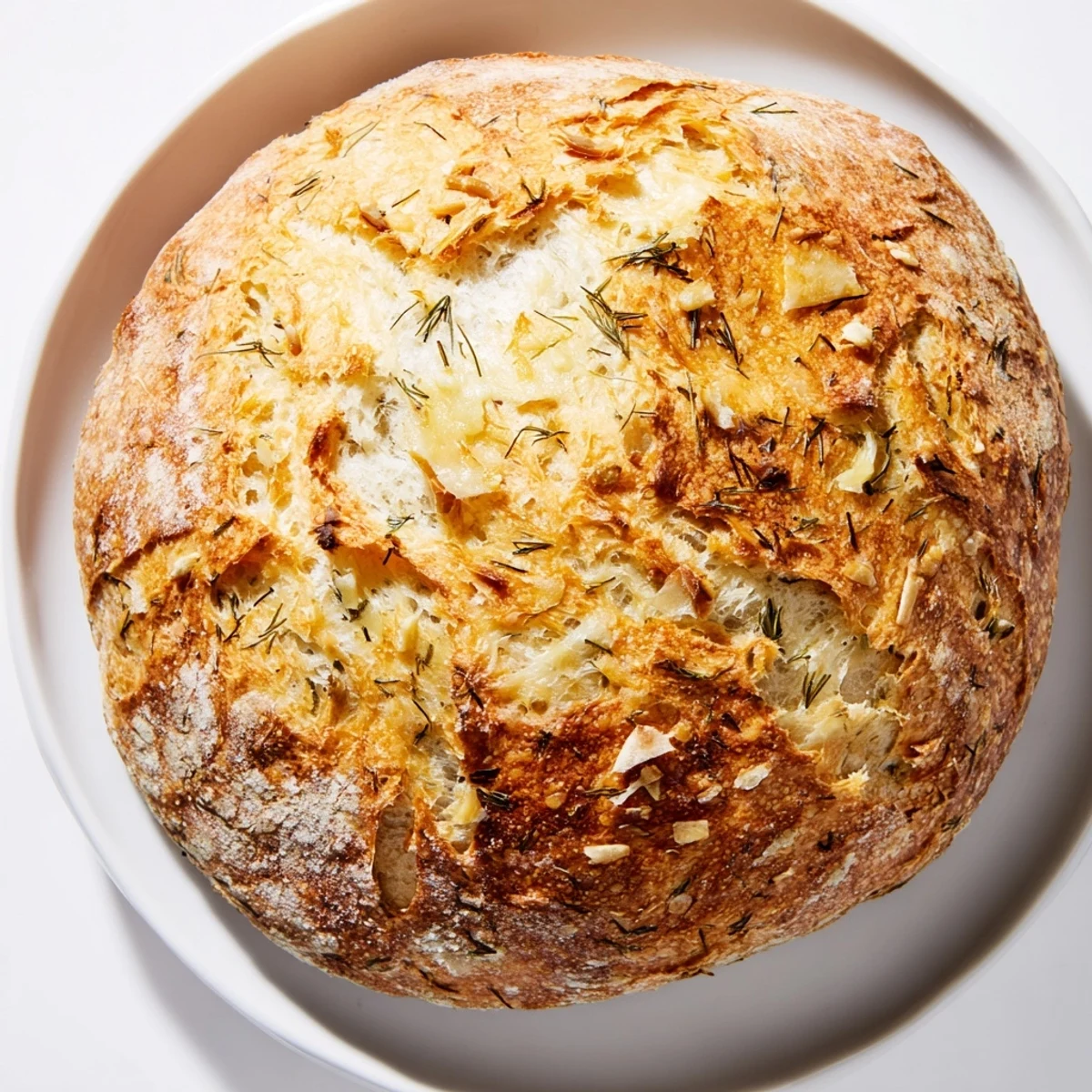
 This no-knead artisan loaf features aromatic fresh dill and creamy Gouda cheese for a rustic, flavorful bread. Combining simple dry ingredients with grated cheese and chopped dill, the dough forms easily with lukewarm water. After an extended resting period of 8–12 hours to develop texture and flavor, the dough is gently shaped without kneading and baked in a hot Dutch oven to achieve a golden, crisp crust. The method is straightforward, ideal for those seeking a crusty yet tender bread rich in herb and cheese notes. Variations can include swapping cheeses or adding yogurt for slight tang, making it perfect alongside soups, salads, or sandwiches.
The smell of dill hit me the moment I walked into my friend Sarah's tiny kitchen apartment. She was pulling this golden loaf from her oven, steam curling off the crust, and I honestly thought she'd spent hours kneading dough. Nope. She'd mixed it before bed and baked it while we drank coffee. That afternoon changed how I think about bread forever.
I made this bread for my parents last summer when they visited my new apartment. My dad who normally doesn't comment on food unless something is wrong actually asked for seconds with butter. He kept mentioning how it reminded him of bread he'd eaten in Amsterdam years ago. Now I make a loaf every time they come over.
Ingredients
- 3 1/4 cups bread flour: Bread flour has higher protein content than all purpose which gives you that beautiful open crumb structure and chewy texture artisan bread is known for
- 1 1/2 teaspoons salt: Dont be tempted to reduce this salt is what balances the rich Gouda and prevents the bread from tasting flat
- 1/2 teaspoon instant yeast: A tiny amount works its magic over the long fermentation developing deep flavor without needing to proof the yeast first
- 1 cup Gouda cheese diced: Cut into small cubes rather than shredding so you get distinct pockets of melted cheese throughout the loaf not just specks
- 2 tablespoons fresh dill: Fresh dill gives you that bright aromatic punch but use half the amount if you only have dried on hand
- 1 1/2 cups lukewarm water: The water should feel neither hot nor cold to your wrist about body temperature helps the yeast activate properly
Instructions
- Mix the dry foundation:
- In a large bowl whisk together flour salt and instant yeast until everything is evenly combined making sure no salty pockets remain
- Add the flavor makers:
- Stir in the diced Gouda and chopped fresh dill until they're distributed throughout the flour mixture
- Bring it together:
- Pour in the lukewarm water and mix with a wooden spoon until you have a shaggy sticky dough that looks messy and unfinished which is exactly right
- Let time do the work:
- Cover the bowl tightly with plastic wrap or a lid and let it rest at room temperature for 8 to 12 hours until bubbly and doubled in size
- Shape with gentle hands:
- Scrape the dough onto a floured surface and fold the edges toward the center a few times creating a round without kneading
- Final rise:
- Place the dough seam side down on parchment paper cover loosely and let rest for 45 to 60 minutes until puffy
- Get things hot:
- Put your Dutch oven in the oven and preheat to 450°F for at least 30 minutes so the pot is screaming hot
- The big transfer:
- Carefully lift the dough using the parchment paper and lower it into the hot Dutch oven parchment and all
- Bake covered:
- Cook with the lid on for 30 minutes creating steam that gives you that incredible crackly crust
- Reveal the beauty:
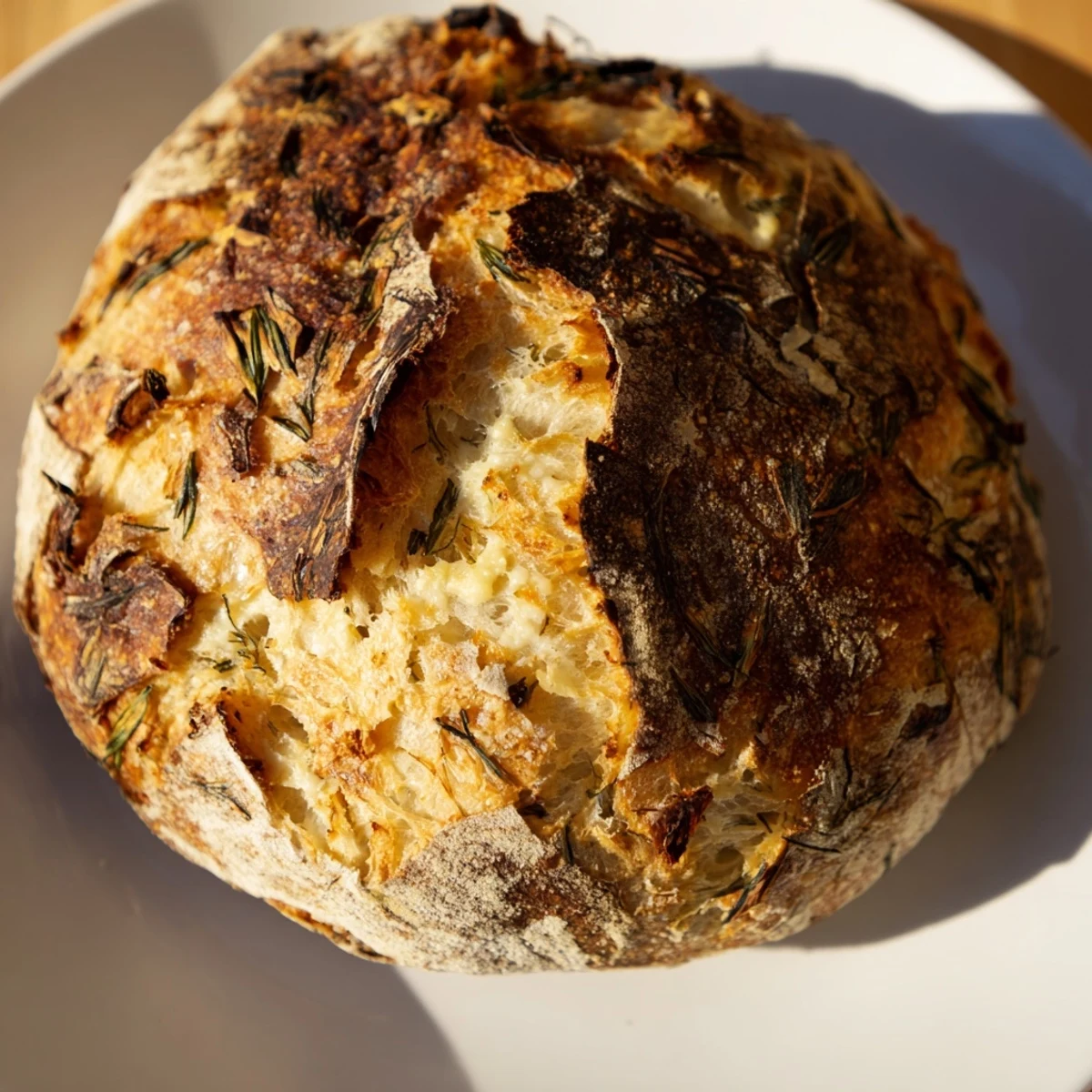
- Remove the lid and bake another 15 minutes until deeply golden brown and the bottom sounds hollow when tapped
- Cool completely:
- Transfer to a wire rack and wait until fully cooled before slicing or the inside will seem gummy no matter how good it smells
 Save to Pinterest
 This bread became my go to housewarming gift after I brought a loaf to my neighbor across the hall. She showed up at my door two days later asking for the recipe saying her husband had eaten almost the entire thing with soup. Now whenever someone new moves into our building I appear at their door with a warm loaf and the simple instructions.
Cheese Variations Worth Trying
I've experimented with different cheeses when Gouda isn't available or I want to switch things up. Emmental creates those gorgeous cheese holes throughout and adds a slightly nuttier sweetness that pairs beautifully with the dill. Mild Cheddar works well too giving you a sharper more familiar cheese flavor though I find it can get a bit oily if the cheese is aged.
Making It Your Own
Sometimes I add a tablespoon of whole grain mustard or a clove of minced garlic to the dough mixing it in with the wet ingredients. The mustard adds a subtle tang that cuts through the rich cheese and makes it even more perfect alongside hearty soups. Fresh herbs like rosemary or thyme can replace the dill if you prefer something woodier though I always come back to that bright dill flavor.
Storage And Serving Ideas
This bread is best eaten within 24 to 48 hours because the moisture from the cheese starts making the crust soften. I store it cut side down on a cutting board or loosely wrapped in paper never plastic which makes the crust soggy. It freezes beautifully wrapped tightly in foil then thawed and reheated in a 350°F oven for 10 minutes.
- Try toasting slices and topping with scrambled eggs for the breakfast of your life
- The bread makes exceptional grilled cheese sandwiches though honestly it's perfect on its own
- If it does go slightly stale cube it and make the most incredible cheesy croutons for tomato soup
 Save to Pinterest
 There's something deeply satisfying about pulling this loaf from the oven knowing you created something so beautiful with so little effort. The first time you tear into that warm crust and find those pockets of melted Gouda you'll understand why this recipe lives in permanent rotation in my kitchen.
Common Questions
- → What is the benefit of no-knead dough?
-
No-knead dough allows gluten to develop over a long resting period, resulting in a tender crumb and crisp crust with minimal hands-on effort.
- → Can I substitute Gouda cheese with others?
-
Yes, Emmental or mild Cheddar work well and offer slightly different flavor profiles while maintaining a creamy texture inside the loaf.
- → Why is an extended resting time important?
-
Resting the dough for 8–12 hours encourages fermentation, enhancing flavor complexity and creating a bubbly, airy texture.
- → What is the purpose of baking in a Dutch oven?
-
Baking in a Dutch oven traps steam, promoting oven spring and a crisp, golden crust while keeping the interior soft and moist.
- → How should I store this bread for freshness?
-
Store the loaf in a paper bag at room temperature for up to two days, or freeze it for longer preservation to maintain texture and flavor.
- → Can I add yogurt to the dough?
-
Adding a tablespoon of yogurt with the water can add a subtle tang and tenderize the crumb without altering the method significantly.