
 Save to Pinterest
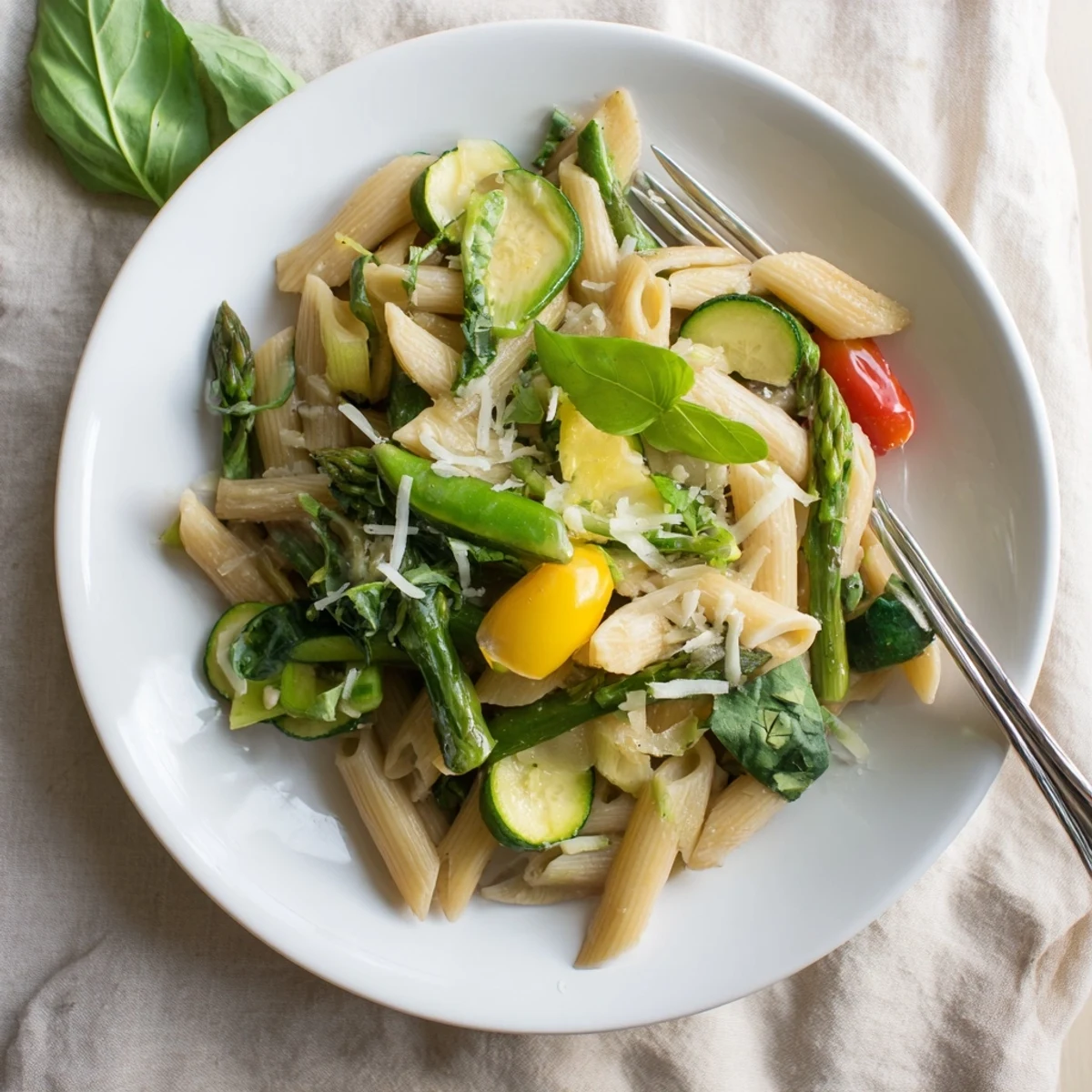
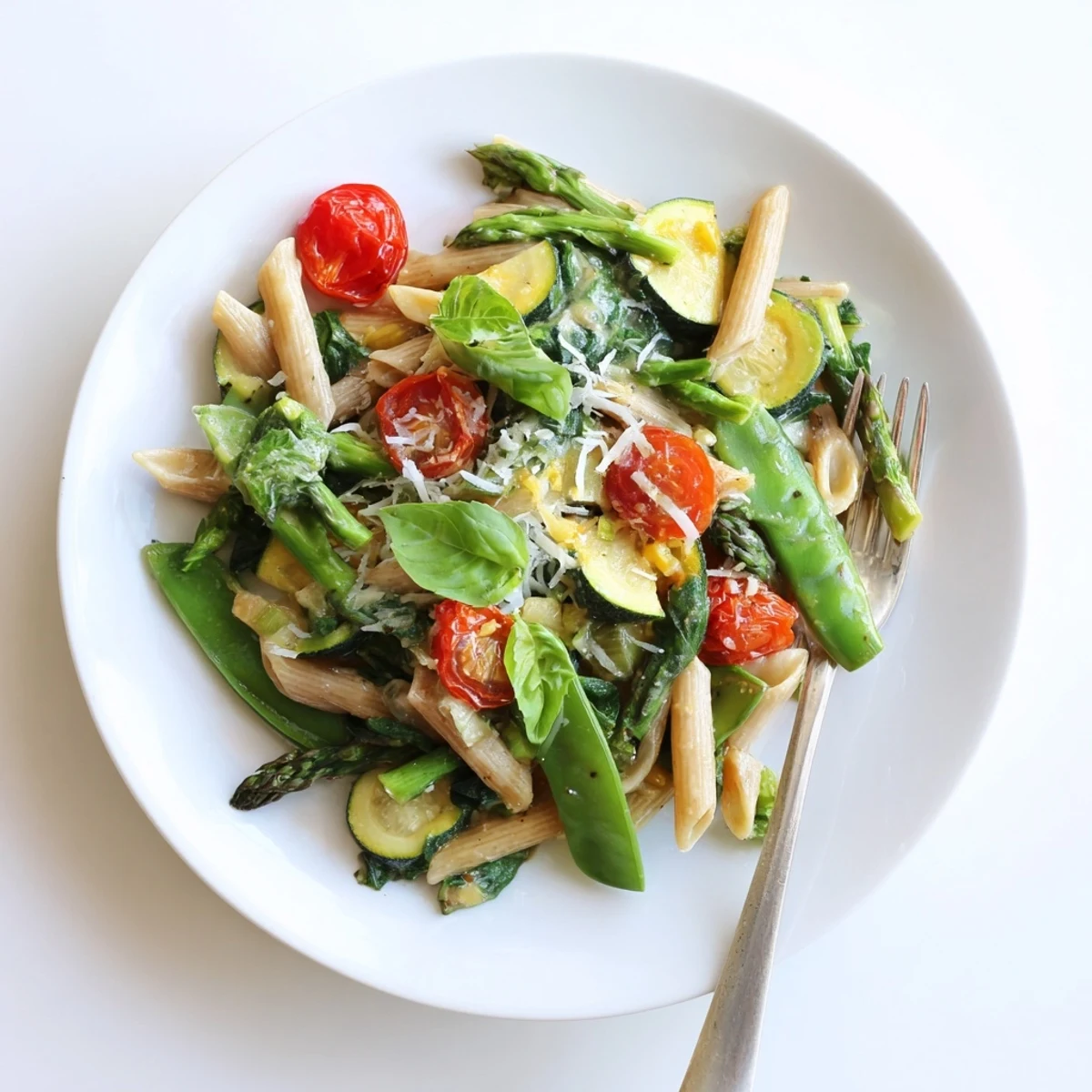
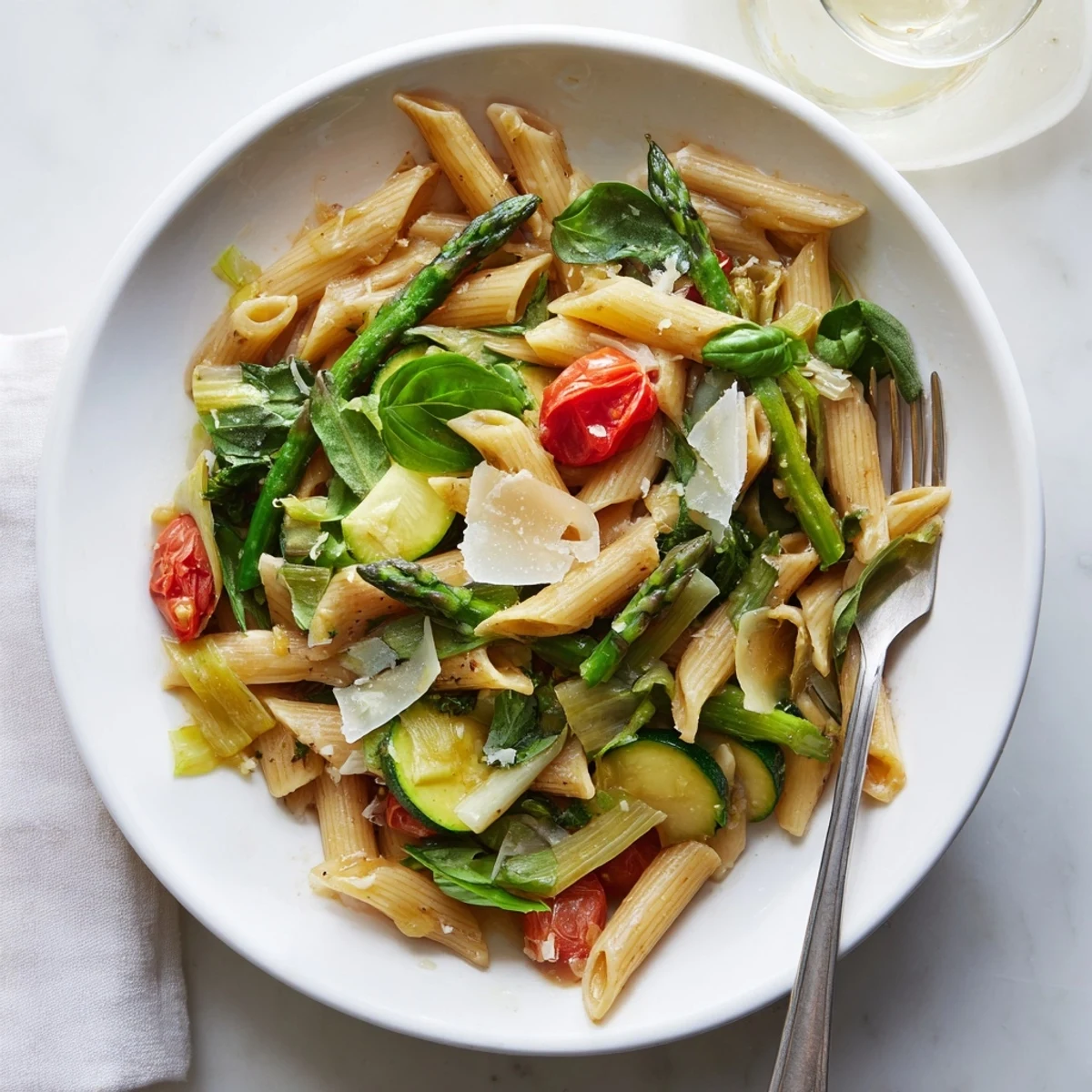
 This vibrant one-pot pasta brings together the best of spring produce—tender asparagus, crisp sugar snap peas, and zucchini—all cooked directly with the pasta for maximum flavor integration. The method creates a light, creamy sauce from the starch released by the pasta as it simmers in vegetable broth, perfectly coating each piece. Bright lemon zest and juice add freshness, while Parmesan brings savory depth. Baby spinach and cherry tomatoes are added at the end to maintain their texture and color. The entire dish comes together in just 35 minutes with only one pot to clean, making it ideal for busy weeknights when you want something nourishing without the fuss.
The first time I made this pasta, I was skeptical about cooking everything in one pot. But when I lifted the lid and saw those bright green asparagus pieces nestled among perfectly al dente penne, the aroma of garlic and lemon filling my tiny kitchen, I knew Id found a weeknight game changer. My roommate actually came in from the living room asking what smelled so incredibly fresh. Now its the recipe I turn to when I want something vibrant and satisfying without a sink full of dishes.
Last spring, I served this at a casual dinner party when my friend announced she was moving away for a new job. We sat around my small table, forks clinking against bowls, talking about new beginnings and the comforting predictability of good food. The lemony brightness somehow made the conversation feel lighter, like the fresh asparagus and snap peas were promising that change can be delicious too. Everyone asked for seconds, and honestly, there was something perfect about a dish that feels both celebratory and deeply grounded.
Ingredients
- Penne or fusilli pasta: I always grab a short pasta with ridges because it catches all those flavorful bits of vegetable and the creamy starch better than smooth varieties
- Low sodium vegetable broth: Using low sodium gives you total control over the salt level, plus the pasta absorbs so much of that savory depth as it cooks
- Asparagus, sugar snap peas, and zucchini: These are the holy trinity of spring vegetables that hold up beautifully in the simmering liquid while staying pleasantly crunchy
- Baby spinach and cherry tomatoes: Added at the very end, these bring fresh pops of color and brightness without turning mushy or sad
- Lemon zest and juice: This is the magic ingredient that cuts through the richness and makes every bite taste impossibly fresh
- Parmesan cheese: Grated right into the hot pasta, it melts into a salty umami richness that ties everything together
Instructions
- Build your flavor foundation:
- Heat the olive oil in your largest skillet over medium heat, then add the sliced leek and minced garlic. Let them soften and become fragrant, about 2 minutes, but do not let them brown or they will turn bitter.
- Start the pasta cooking:
- Pour in the pasta, vegetable broth, and water. Bring everything to a rolling boil, give it a good stir to prevent sticking, then reduce to a steady simmer.
- Add the first wave of vegetables:
- After 8 minutes of cooking, toss in the asparagus pieces, sugar snap peas, and zucchini. Keep cooking and stirring occasionally for about 7 more minutes.
- Finish with the delicate ingredients:
- Stir in the baby spinach, halved cherry tomatoes, lemon zest, lemon juice, and grated Parmesan. Cook for just 2 minutes until the spinach wilts and everything is glossy.
- Season and serve immediately:
- Taste and add salt and pepper as needed. Sprinkle with fresh herbs and extra Parmesan, then bring the whole pot to the table and let everyone dig in.
 Save to Pinterest
 This pasta has become my default housewarming gift and I will never forget the time I brought a pot to a friend who had just moved into her first apartment. We sat on the floor surrounded by unpacked boxes, eating straight from the container with wine glasses balanced on cardboard, and she told me it was the best meal she had had in months. Sometimes the simplest food, shared in imperfect circumstances, is exactly what someone needs to feel at home.
Choosing Your Spring Vegetables
The beauty of this recipe is how adaptable it is to whatever looks fresh and vibrant at the market. I have swapped in fava beans when I found them on sale, and green beans work beautifully when asparagus is out of season. The key is choosing vegetables that cook in roughly the same amount of time so nothing turns to mush while something else stays raw. Trust your eyes and pick what makes you excited to cook.
Making It Your Own
Sometimes I add a handful of frozen peas right at the end for extra sweetness, or a sprinkle of red pepper flakes if I want a bit of warmth to cut through the vegetables. A drizzle of really good olive oil just before serving makes everything feel luxurious without any extra effort. This is one of those recipes that rewards intuition over rigid measurements.
Perfect Pairings
A crisp white wine like Sauvignon Blanc or Pinot Grigio is perfect for cutting through the richness. I also love serving this with a simple green salad dressed with nothing but olive oil and lemon juice. A slice of crusty bread never hurts for soaking up any remaining sauce in the bowl.
- Keep a lemon wedge on the table for anyone who wants an extra hit of acid
- The flavors deepen overnight, making leftovers even better for lunch the next day
- If reheating, add a splash of water to loosen things up again
 Save to Pinterest
 There is something profoundly satisfying about a one pot meal that still feels elegant enough for company. I hope this becomes your go to spring comfort food too.
Common Questions
- → Can I use different pasta shapes?
-
Yes, short pasta shapes like penne, fusilli, rigatoni, or farfalle work well. They cook evenly and capture the vegetables and broth-based sauce effectively.
- → What other spring vegetables can I add?
-
Fava beans, green beans, fresh peas, or artichoke hearts are excellent additions. Add them at the same time as the asparagus and snap peas for even cooking.
- → Can I make this vegan?
-
Simply omit the Parmesan or use a plant-based alternative. Nutritional yeast can also provide a savory, cheesy flavor while keeping it dairy-free.
- → Why cook the pasta in broth instead of water?
-
Cooking pasta in vegetable broth infuses it with savory flavor from the inside out. The starch released creates a natural, light sauce that binds the vegetables together.
- → How do I store leftovers?
-
Store in an airtight container in the refrigerator for up to 3 days. Reheat gently with a splash of water or broth to restore creaminess. The pasta will absorb more liquid over time.