
 Save to Pinterest
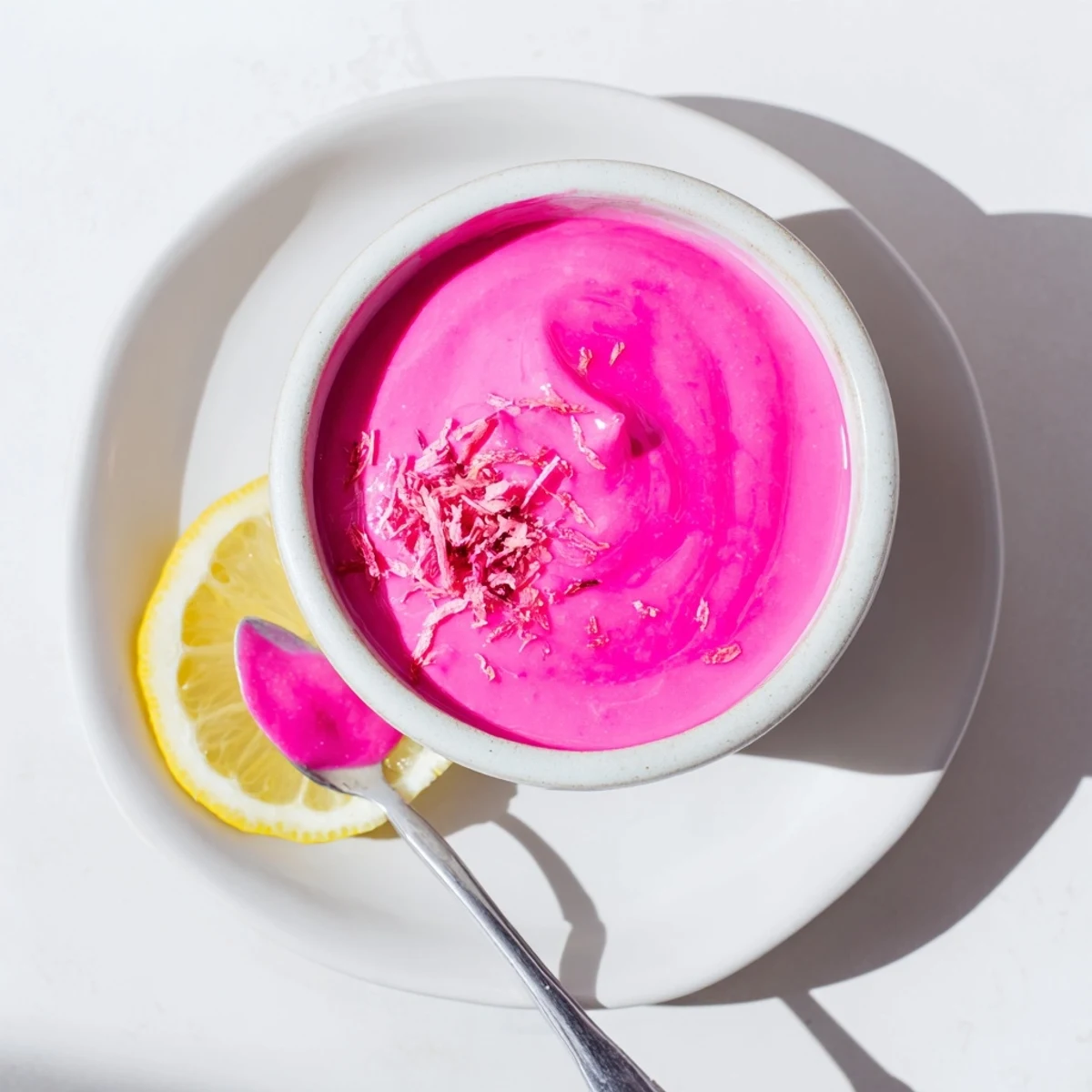
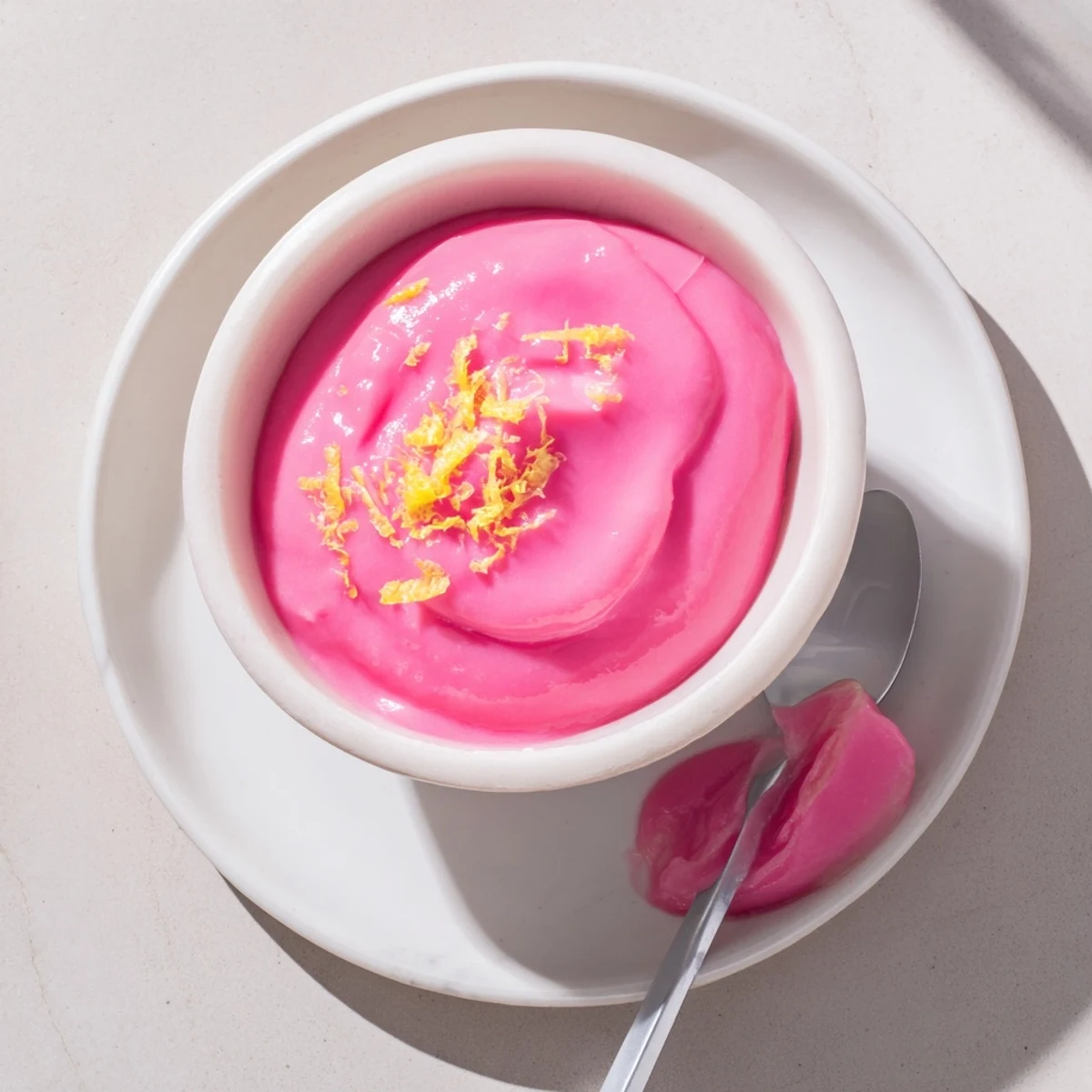
 This silky pink lemon curd combines fresh pink lemon juice and zest with eggs, butter, and sugar to create a vibrant, tangy spread. The double boiler method ensures smooth results without scrambling. Straining removes any zest bits for an ultra-creamy texture. Refrigerate for at least two hours to achieve the perfect consistency. The natural blush from pink lemons creates a stunning presentation, though raspberry juice can enhance the pink tone if desired. This versatile curd elevates baked goods, breakfast items, and desserts with its bright citrus flavor and gorgeous color.
The first time I spotted pink lemons at the farmers market, I almost walked right past them thinking they were some kind of prank. But the vendor caught me staring and pressed one into my hands, insisting I smell the skin. That soft floral citrus perfume was unlike anything I'd encountered, and I hurried home with a bag full, determined to make something that would let that gorgeous color shine.
Last spring, my neighbor Sarah stopped by while I had a batch cooling on the counter. She's not even a dessert person, but she kept dipping her finger in, claiming she was just testing the temperature. Next thing I knew, we were standing there with two spoons, debating whether it was better warm or chilled, and I realized half the jar was already gone.
Ingredients
- Fresh pink lemon juice: Regular lemons work perfectly fine, but pink lemons have this subtle floral backing note that makes the curd feel special
- Pink lemon zest: Those oils carry so much of the fragrance, and I always grate directly into the sugar to help distribute the flavor evenly
- Granulated sugar: Do not reduce this amount because sugar is what protects the eggs from scrambling and creates that glossy finish
- Whole eggs plus yolks: The extra yolks are what give curd its rich, custard like body and that gorgeous golden undertone
- Unsalted butter: Room temperature pieces incorporate more easily, and I always use high quality butter since you can really taste it
- Raspberry juice or natural food coloring: Pink lemons sometimes lose their rosy hue during cooking, so this maintains that dreamy color without artificial dyes
Instructions
- Set up your double boiler:
- Grab a heatproof bowl that fits snugly over a saucepan without touching the water, and bring about an inch of water to a gentle simmer
- Whisk the base:
- Combine the eggs, yolks, sugar, juice, and zest in the bowl, whisking until the sugar dissolves and everything is perfectly smooth
- Cook with patience:
- Place over the simmering water and whisk continuously, scraping the sides and bottom, for 8 to 10 minutes until thickened and coating the back of a spoon
- Emulsify the butter:
- Remove from heat immediately and whisk in the butter one piece at a time, letting each addition melt completely before adding the next
- Add optional color:
- If the curd looks too pale after cooking, stir in raspberry juice or food coloring until you reach your desired shade
- Strain for silkiness:
- Pour through a fine mesh sieve into a clean bowl to catch any bits of cooked egg and zest
- Chill completely:
- Let cool at room temperature for 30 minutes, then refrigerate for at least 2 hours until fully set
 Save to Pinterest
 My sister in law called me in a panic once because her curd refused to set, and I asked about five questions before discovering she had used bottled lemon juice. Fresh citrus makes all the difference here, and I have never used anything else since that conversation.
Ways to Use Pink Lemon Curd
Beyond spreading it on scones or toast, try swirling it into plain Greek yogurt for an instant fancy breakfast. It also makes the most incredible filling for layer cakes, especially paired with vanilla buttercream and fresh berries.
Storage and Shelf Life
Properly sterilized jars will keep this curd fresh in the refrigerator for up to two weeks. I have never managed to keep it around that long, but freezing works beautifully if you want to make a double batch during pink lemon season.
Making It Your Own
Once you have mastered the basic technique, try substituting other citrus fruits like blood oranges or Meyer lemons. The method stays exactly the same, but you will discover entirely new flavor profiles with each variation.
- Lemon curd freezes surprisingly well for up to three months
- A splash of vanilla extract at the end adds lovely depth
- Room temperature curd spreads much more smoothly than cold
 Save to Pinterest
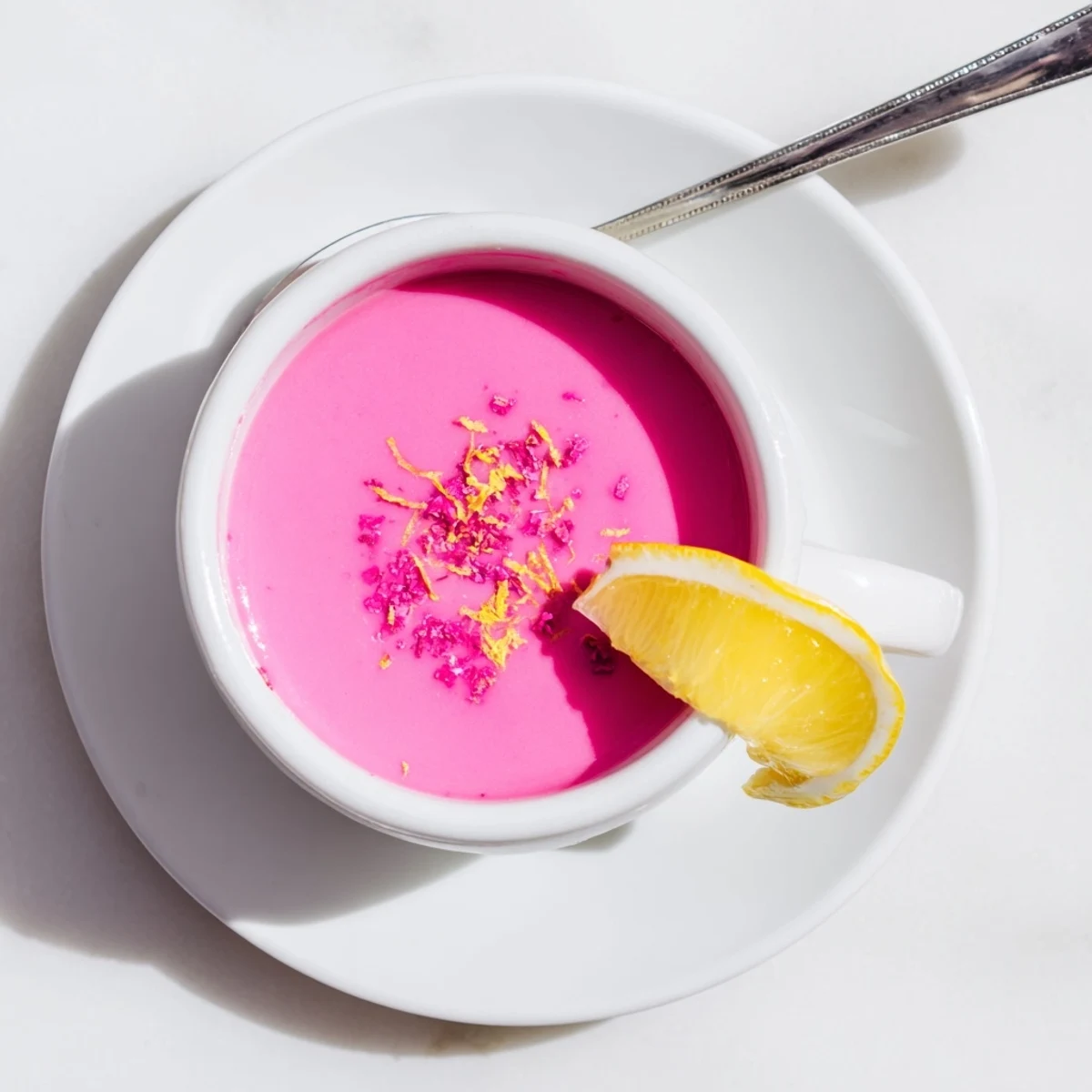
 There is something impossibly satisfying about a row of jewel toned jars in the refrigerator, waiting to transform ordinary moments into something slightly magical.
Common Questions
- → What makes pink lemon curd different from regular lemon curd?
-
Pink lemons offer a milder, slightly floral flavor compared to regular lemons, along with their natural blush color. The taste is less acidic with subtle fruity notes that make the curd uniquely delicate and visually stunning.
- → How long does homemade curd last in the refrigerator?
-
Properly stored in sterilized jars, this curd keeps for up to two weeks in the refrigerator. Always use clean utensils when scooping to prevent contamination and extend freshness.
- → Can I freeze lemon curd for longer storage?
-
Yes, freeze in airtight containers for up to three months. Thaw overnight in the refrigerator and stir well before serving. The texture may become slightly grainy after freezing but smooths out when whisked.
- → Why use a double boiler method instead of direct heat?
-
Direct heat can cause eggs to scramble, resulting in a lumpy texture. The double boiler provides gentle, indirect heat that thickens the mixture evenly while keeping it perfectly smooth and creamy.
- → What's the purpose of straining the curd?
-
Straining through a fine-mesh sieve removes bits of cooked egg and lemon zest, ensuring an incredibly silky, professional-grade texture. This step is essential for achieving that luxurious, velvety consistency.
- → How can I tell when the curd is properly thickened?
-
The curd is ready when it coats the back of a spoon and reaches 170°F (77°C). You should be able to run your finger through the coating on the spoon and leave a clean path that doesn't immediately fill back in.