
 Save to Pinterest
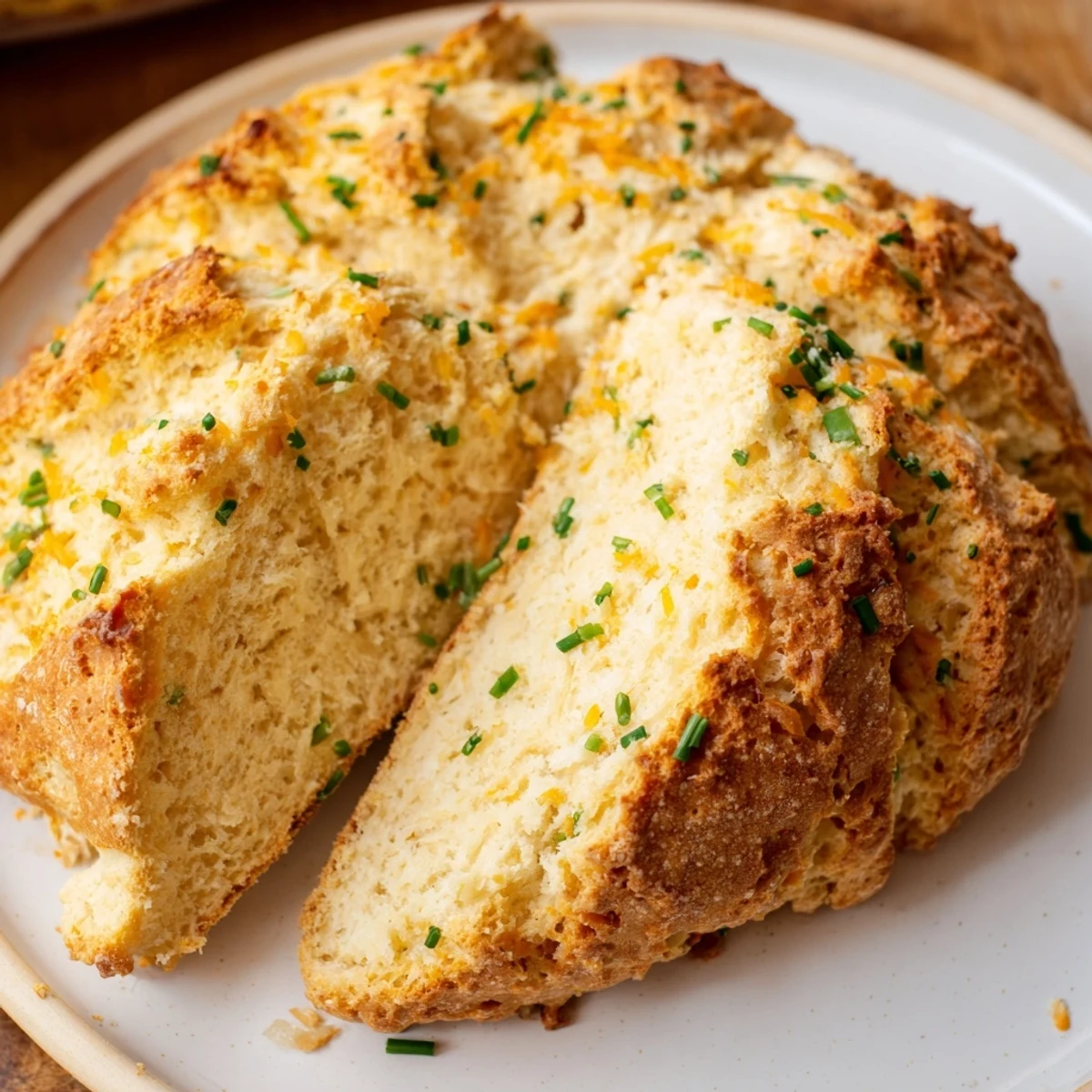
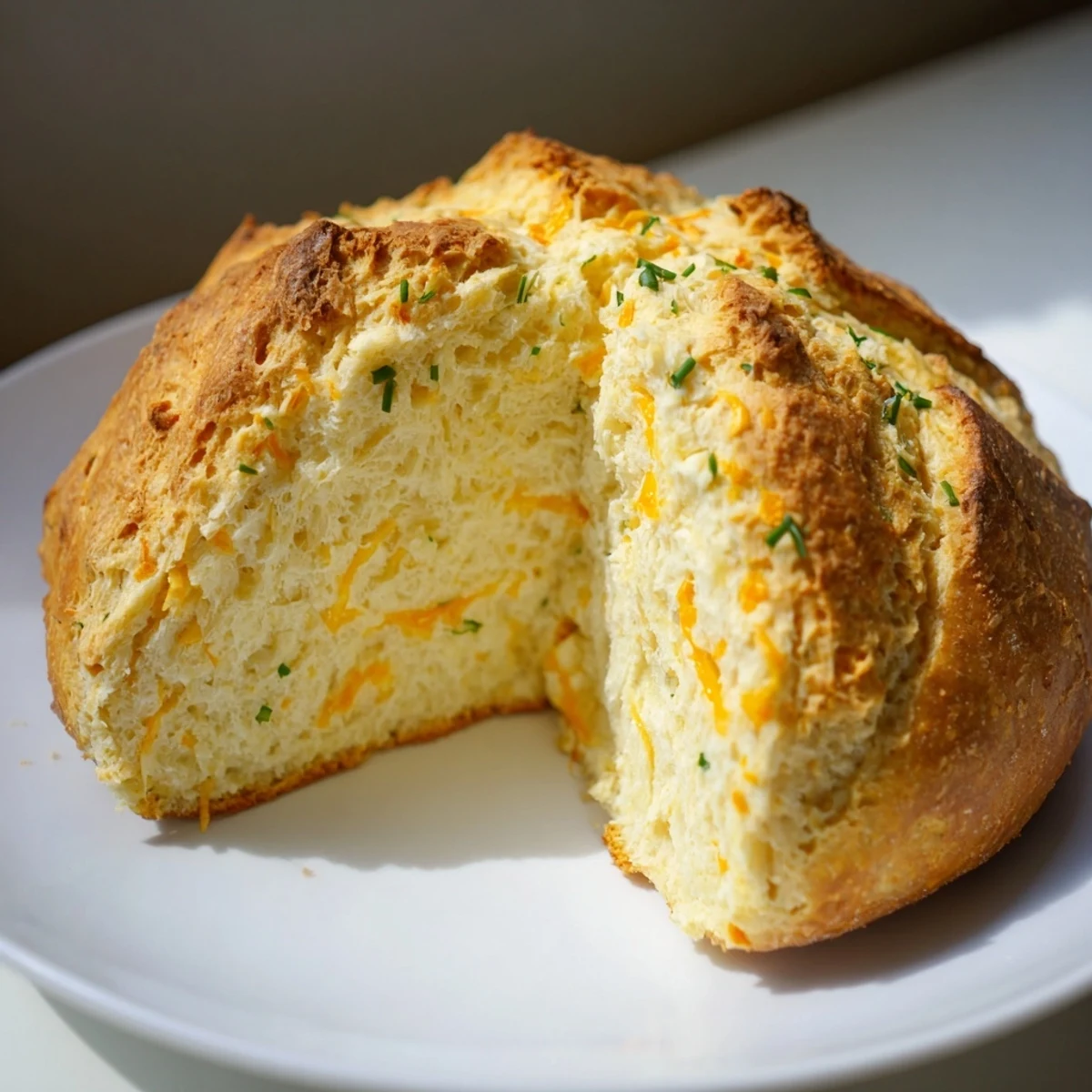
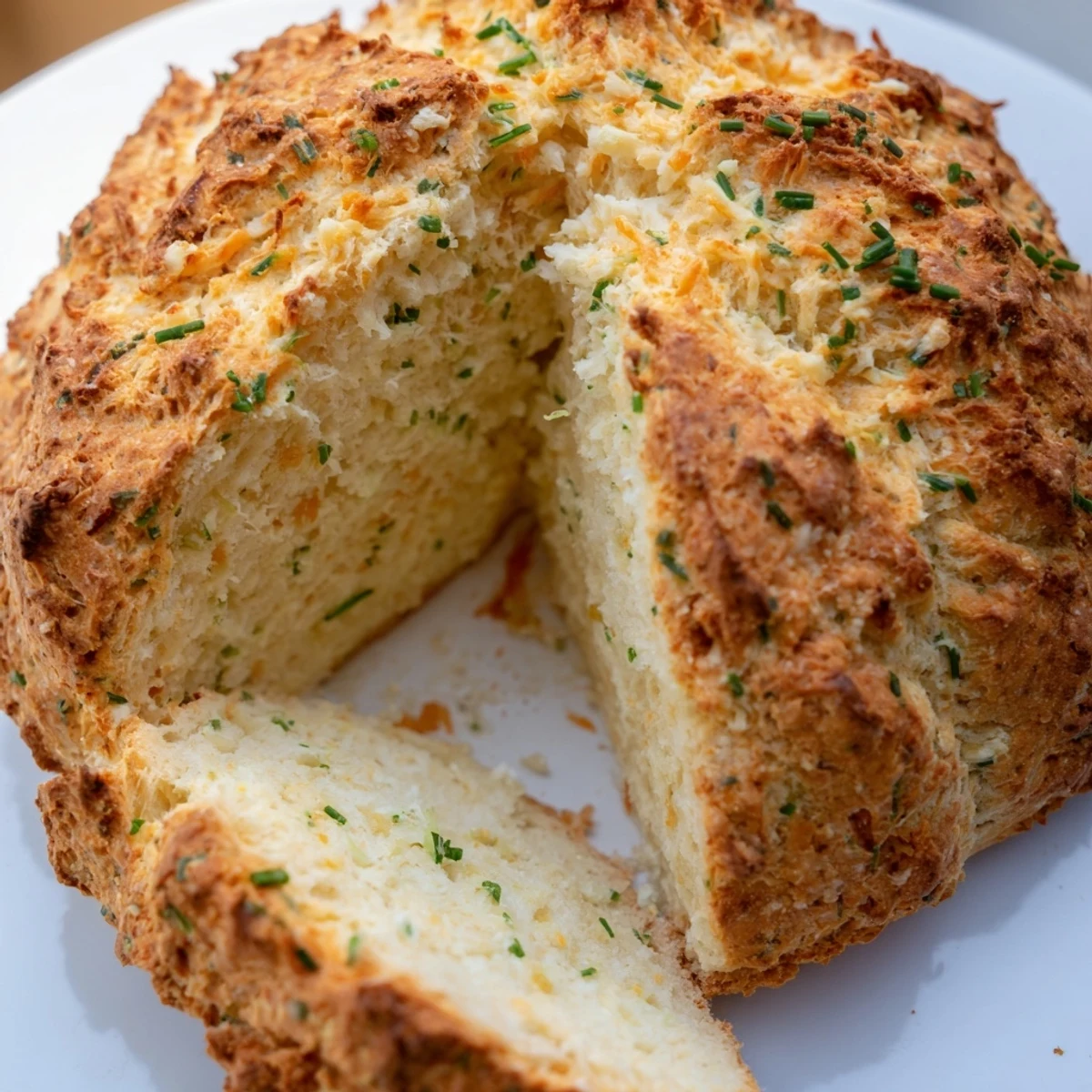
 This Irish soda bread blends sharp cheddar and fresh chives into a tender, golden loaf that comes together quickly. Using simple pantry staples like flour, baking soda, and buttermilk, the dough requires gentle mixing and shaping before baking. The result is a hearty, golden crust with a soft, cheesy crumb inside. Best enjoyed warm with butter or alongside soups, it offers a comforting, savory experience with minimal effort.
The first time I made this soda bread, I was running late for a dinner party and had zero time for yeast dough. By some happy accident, that rush became my favorite way to bake bread now. There is something almost magical about combining just a few humble ingredients and pulling a golden, cheesy loaf from the oven less than an hour later.
Last winter, during a particularly gloomy week, I started baking this every Sunday. My roommate would appear from her room the moment she smelled the cheddar hitting the hot oven, and we would stand in the kitchen tearing off warm chunks while the rain pounded against the windows. Those quiet moments became something I looked forward to all week.
Ingredients
- 3 1/2 cups (440 g) all-purpose flour: The foundation of your loaf. I have used bread flour in a pinch, but all-purpose gives the tenderest crumb.
- 1 tsp baking soda: This is your leavening agent. Make sure it is fresh, otherwise your bread will not rise properly.
- 1 tsp fine sea salt: Do not skip this. It balances the richness of the cheese and buttermilk.
- 1/2 tsp freshly ground black pepper: Adds a gentle warmth that makes the cheddar sing. White pepper works too if you want to keep things looking pristine.
- 1 1/2 cups (150 g) sharp cheddar cheese: The sharper the better here. I grate it myself because pre-shredded cheese has anti-caking agents that can make the bread gummy.
- 1/3 cup (10 g) fresh chives: Their mild onion flavor is perfect. If your chives are from the garden, give them a quick rinse and pat them completely dry.
- 1 3/4 cups (420 ml) buttermilk: This adds tang and tenderness. If you do not have buttermilk, mix regular milk with a tablespoon of vinegar and let it sit for 5 minutes.
- 2 tbsp unsalted butter, melted: Brushing the top with butter gives it that gorgeous golden finish. Salted butter works too, just reduce the salt in the dough slightly.
Instructions
- Get your oven ready:
- Preheat to 400°F (200°C) and line a baking sheet with parchment paper. I learned the hard way that the parchment is non-negotiable for easy cleanup.
- Mix your dry ingredients:
- In a large bowl, whisk together the flour, baking soda, salt, and black pepper until well combined.
- Add the cheese and herbs:
- Stir in the grated cheddar and chopped chives until evenly distributed. The cheese will want to clump together, so use your fingers to break it up if needed.
- Bring it together:
- Make a well in the center and pour in the buttermilk and melted butter. Mix with a wooden spoon until a shaggy dough forms, adding another splash of buttermilk if it looks too dry.
- Shape the loaf:
- Turn the dough onto a lightly floured surface and gently knead just until it comes together. Shape into a round loaf about 7 inches across.
- Score the top:
- Transfer to your prepared baking sheet and cut a deep X across the top with a sharp knife. This helps the bread expand properly while baking.
- Bake until golden:
- Bake for 30 to 35 minutes until deeply golden and the loaf sounds hollow when tapped on the bottom.
- Let it rest:
- Cool on a wire rack for at least 15 minutes before slicing. This is the hardest part, but cutting it too soon will make the interior gummy.
 Save to Pinterest
 My dad, who is usually suspicious of anything without yeast, could not believe this came together so quickly. Now he asks for it every time he visits, and I have caught him eating three slices in a single standing.
Making It Your Own
I love adding a pinch of cayenne pepper to the dry ingredients when I want some warmth. A friend of mine swaps the cheddar for gruyère and adds rosemary, which sounds fancy but tastes incredible.
Serving Ideas
This bread is meant to be torn and shared. I serve it alongside potato leek soup, but it is equally perfect for breakfast toasted with a bit of butter.
Storage & Freezing
The bread keeps well wrapped in foil for up to 2 days, though the texture is best on day one. For longer storage, wrap it tightly and freeze for up to 3 months.
- Thaw frozen bread on the counter, then refresh it in a 350°F oven for 10 minutes
- Slice before freezing so you can grab just what you need
- Leftovers make amazing croutons for salads or soup toppings
 Save to Pinterest
 There is something deeply satisfying about making bread with your own hands, even when there is no rising or waiting. I hope this recipe finds its way into your regular rotation, just as it has in mine.
Common Questions
- → What gives the bread its rise without yeast?
-
Baking soda reacts with the acidity in buttermilk, creating carbon dioxide bubbles that leaven the bread quickly without yeast.
- → Can I substitute cheddar with other cheeses?
-
Yes, sharp cheddar offers a distinct flavor, but other firm cheeses like Gruyère or aged Gouda can work well too.
- → How do the chives affect the bread’s flavor?
-
Fresh chives add a mild onion-like freshness that complements the sharpness of the cheddar and enriches the savory notes.
- → What is the best way to check doneness when baking?
-
The loaf should be deeply golden with a hollow sound when tapped on the bottom, indicating it is fully baked inside.
- → Can this bread be frozen for later use?
-
Yes, allow it to cool completely, then wrap tightly and freeze. Thaw thoroughly before warming for best texture.