
 Save to Pinterest
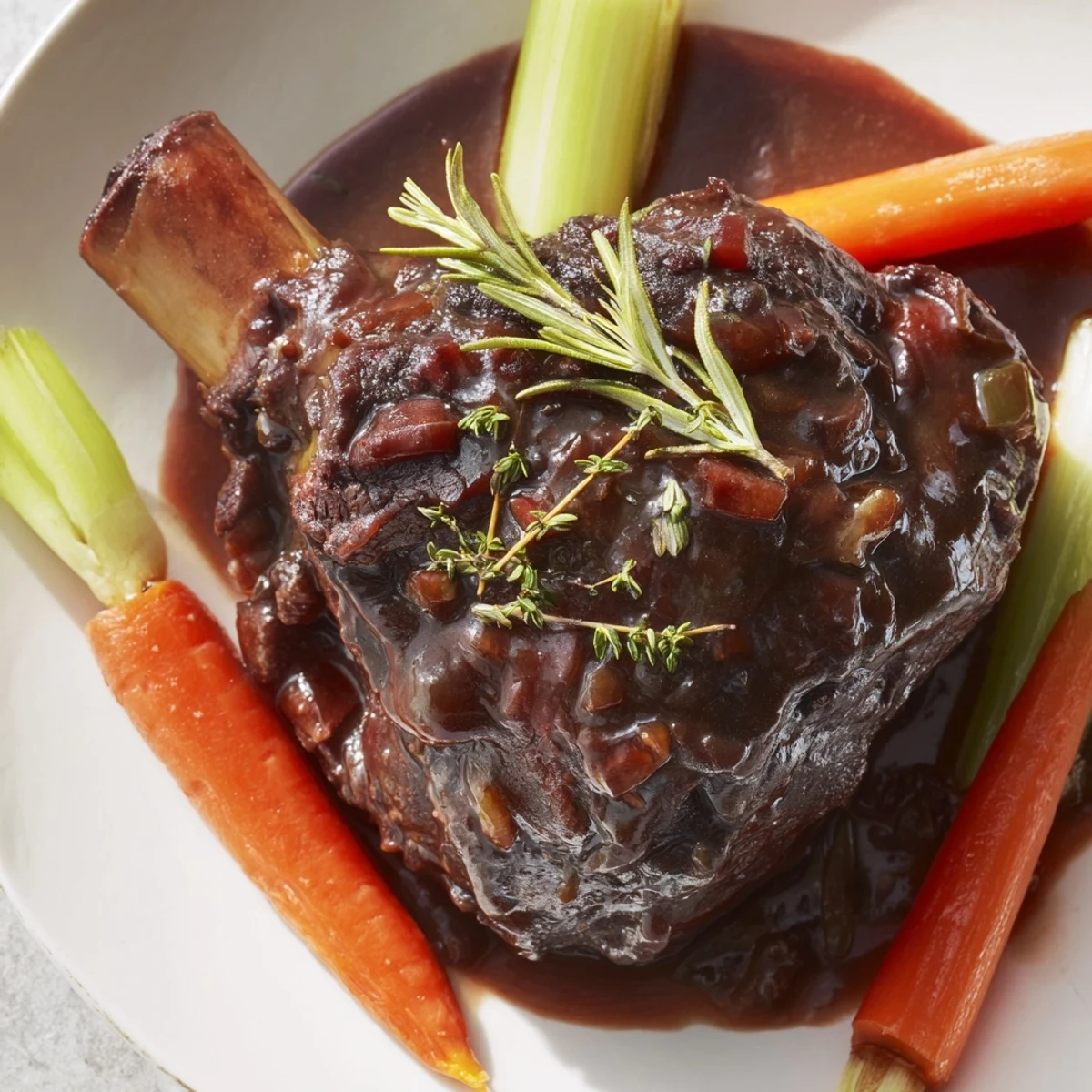
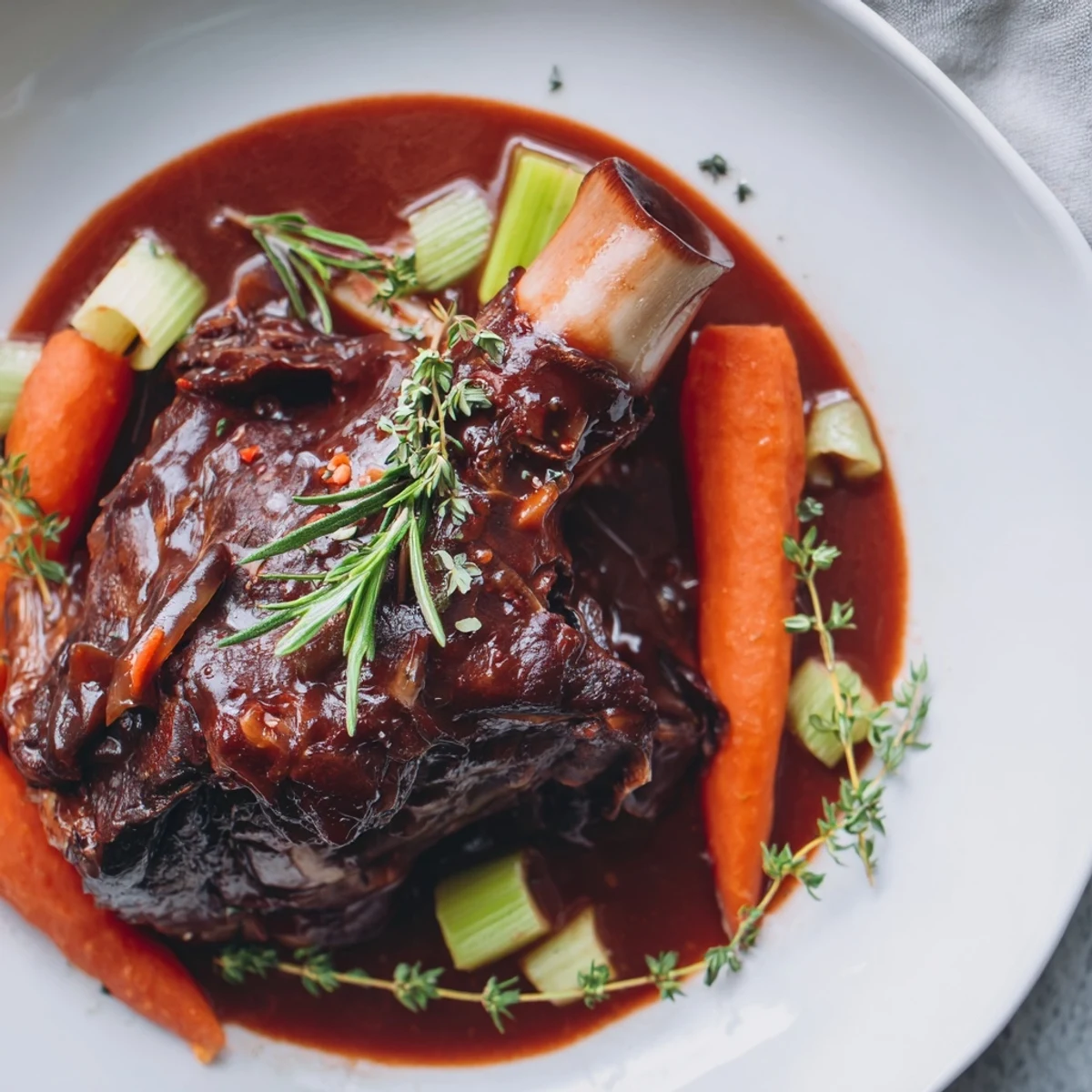
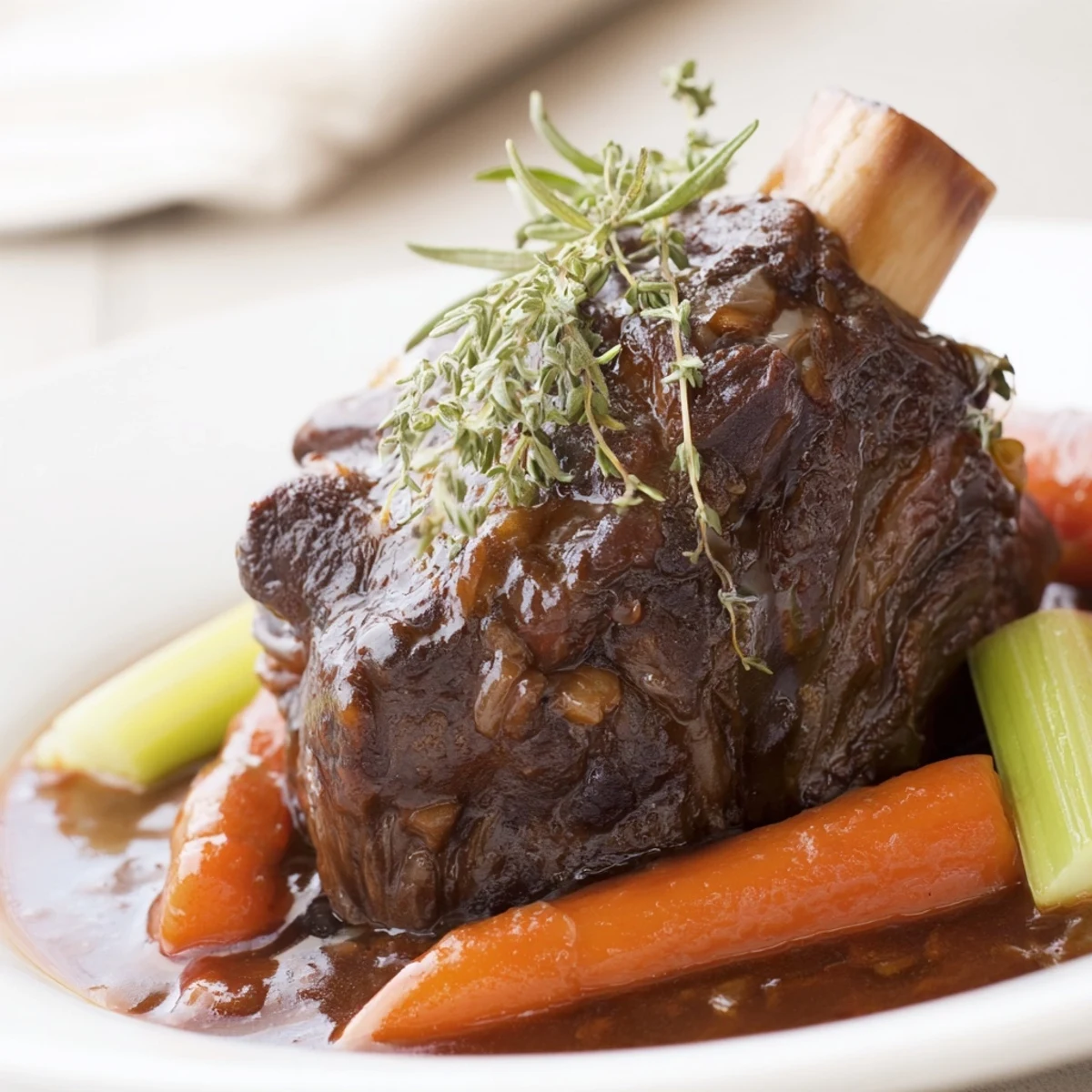
 This dish features beef shanks slowly braised with fresh rosemary, thyme, and aromatic vegetables. The beef becomes tender and flavorful, infused with rich herbs and a touch of red wine. Cooking slowly in the oven allows the meat to fall off the bone, complemented perfectly by softened carrots, celery, and onion. The braising liquid reduces into a delicious sauce, ideal to serve over mashed potatoes or crusty bread for a warm, satisfying meal.
There's something about a slow-cooked beef shank that demands patience, and I learned that lesson the hard way one rainy Sunday when I decided to test whether my new Dutch oven was worth the investment. Three and a half hours later, when I lifted that lid and the steam rose up carrying the perfume of rosemary and thyme, I understood why this dish has fed families through generations. The meat practically dissolved at the touch of a fork, and the sauce had become liquid gold. It wasn't just dinner—it became the reason everyone stayed at my table longer than expected.
I made this for the first time when my partner's parents were visiting, and I was secretly nervous about impressing them with something that sounded fancy but required mostly just showing up and checking in occasionally. When we finally sat down, their faces told me everything—there's a quiet satisfaction that comes from serving something so deeply flavored that people stop talking mid-conversation to really taste it. That meal became the story they still tell about the time I actually cooked something worth remembering.
Ingredients
- Beef shanks (4, about 300g each, bone-in): The bone is crucial—it releases collagen into the braising liquid and creates that silky mouthfeel that you can't get any other way. Don't trim them too lean.
- Salt and freshly ground black pepper: Season generously before searing; this is your only chance to create that flavorful crust that hints at what's coming.
- Carrots and celery (2 large carrots, 2 stalks): These aromatics dissolve into the sauce and create a natural sweetness that balances the wine.
- Onion (1 large, chopped): The foundation of flavor—chop it fairly large since it will break down during the long cooking.
- Garlic cloves (4, minced): Add it after the softer vegetables so it doesn't burn and turn bitter.
- Fresh rosemary and thyme (2 sprigs each): Fresh herbs make a measurable difference here; dried will work in a pinch, but use half the amount since dried is more concentrated.
- Bay leaves (2): They add a subtle earthiness that ties everything together—don't skip them.
- Beef stock (400 ml): Quality matters more than you'd think; a good stock makes the difference between a good dish and one that tastes like home.
- Dry red wine (250 ml): The acidity cuts through the richness and the alcohol burns off, leaving only depth.
- Tomato paste (2 tbsp): This adds umami and body to the sauce—don't stir it in too quickly or it'll stick to the bottom.
- Olive oil (2 tbsp): Use a higher smoke-point oil if you have it; you need it hot enough to create that crust on the meat.
Instructions
- Preheat and prepare:
- Get your oven to 160°C (320°F) before you start anything else. Pat your beef shanks completely dry with paper towels—any moisture on the surface will steam instead of sear, and you need that golden crust.
- Sear the meat:
- Heat your olive oil until it shimmers, then carefully lay each shank into the pot and don't move it for a few minutes; let the bottom develop that deep brown color before flipping. You're building flavor with every side you brown, so take your time.
- Build the aromatic base:
- Once the meat is out, add your chopped vegetables to the same pot—that fond on the bottom is liquid gold. Let them soften and start to caramelize, which takes about 5 minutes if you're not stirring constantly.
- Add the paste and wine:
- Stir in the tomato paste and let it cook for a minute until it darkens slightly, then pour in the red wine and scrape the bottom with a wooden spoon to release all those browned bits. That's where the depth comes from.
- Combine and braise:
- Return the beef shanks to the pot, add your stock and herbs, bring everything to a gentle simmer, then cover and transfer to the oven. The low, steady heat does the work now—the meat will gradually become so tender that the bone practically releases itself.
- Check and turn:
- At the halfway point (around 1 hour 45 minutes), open the pot and carefully flip each shank so it braises evenly on all sides. The liquid should be gently simmering, not violently boiling.
- Finish and serve:
- After 3 hours, your meat should fall apart at the gentlest pressure—if it still feels firm, give it another 20-30 minutes. Remove the herb sprigs and bay leaves, skim any excess fat from the surface if you want, taste and adjust your seasoning, then serve with the braising liquid spooned generously over everything.
 Save to Pinterest
 I learned something unexpected the third time I made this: my friend's 8-year-old asked for seconds, which in my experience never happens with beef shanks. She'd watched the whole process and was fascinated that something so tough before cooking became something so soft after. It reminded me that food isn't just about feeding people—sometimes it's about showing them that patience and the right temperature can transform almost anything.
The Magic of Low and Slow Cooking
There's real science behind why this works so beautifully, and understanding it changed how I cook. Beef shanks are full of connective tissue and collagen, and at low temperatures for extended time, that collagen gradually converts to gelatin, which is what creates that silky, almost melting texture. The slow braising also allows flavors to meld in ways that quick cooking simply can't achieve—the wine softens and integrates, the herbs infuse deeply, and everything becomes greater than the sum of its parts.
What to Serve Alongside
The braising liquid is so rich and flavorful that you want something to soak it up—mashed potatoes are the obvious choice and they never disappoint, but polenta or creamy parsnip puree work beautifully too. A thick slice of crusty bread is honestly all you need if you're keeping things simple. I've also served it with soft egg noodles and that created something almost like a refined stew that everyone at the table devoured without hesitation.
Making Ahead and Storage
This is one of those rare dishes that genuinely tastes better the next day, after the flavors have settled and deepened overnight in the refrigerator. You can make it up to 4 days ahead and just gently reheat it on the stovetop, covered, until it's warmed through. The fat will solidify on top when cold, which actually protects the meat and keeps it incredibly moist during storage.
- Cool the dish completely before refrigerating to preserve the meat's texture.
- Reheat gently on the stovetop rather than the microwave so the braising liquid stays silky instead of separating.
- Freeze it successfully for up to 3 months if you need to make it further ahead.
 Save to Pinterest
 This dish taught me that some of the best meals aren't the ones that impress with complexity, but the ones that make people feel genuinely cared for. There's something timeless about serving food that took real time and attention to create. Make this when you want to show up for the people at your table.
Common Questions
- → What is the best cut of meat for braising in this dish?
-
Beef shanks with bone-in are ideal as they become tender and flavorful when slowly cooked and their marrow enriches the sauce.
- → How long should the beef shanks be cooked for optimal tenderness?
-
Slow braising for about 3 hours ensures the meat becomes fork-tender and full of flavor.
- → Which herbs enhance the flavor best in this preparation?
-
Fresh rosemary and thyme provide aromatic, earthy notes that complement the beef perfectly.
- → Can the braising liquid be thickened before serving?
-
Yes, removing the shanks and simmering the liquid on the stovetop for 10–15 minutes will reduce and thicken the sauce.
- → What side dishes pair well with this slow-cooked beef?
-
Mashed potatoes, polenta, or crusty bread are excellent choices to soak up the rich sauce.
- → Is it possible to use a different stock instead of beef stock?
-
Chicken stock can be used as a substitute, though it will slightly alter the flavor profile.