
 Save to Pinterest
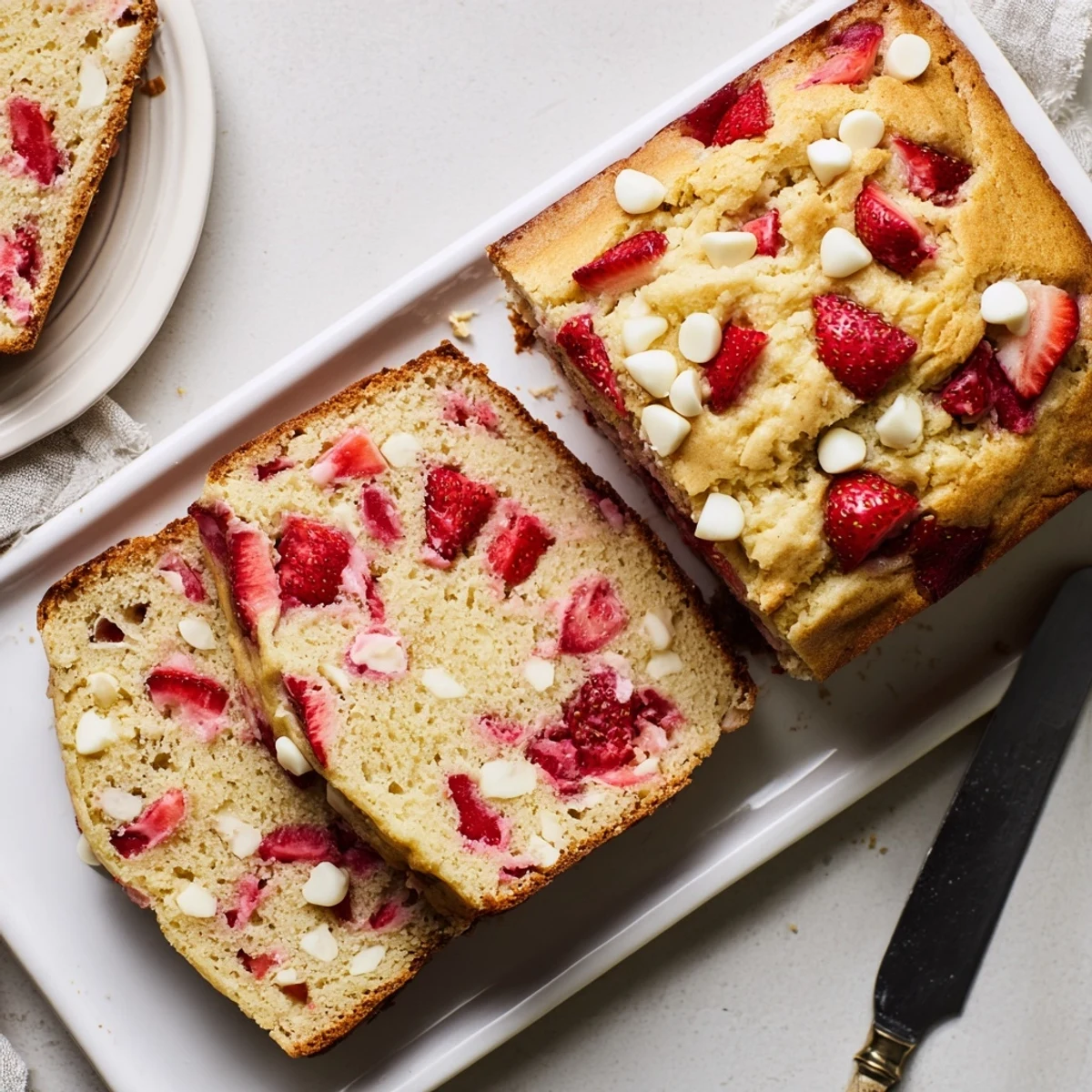
 This distinctive sweet loaf brings together the complex tanginess of active sourdough starter with fresh, juicy strawberries and premium white chocolate chips. The dough requires an overnight rest in the refrigerator, allowing the starter to work its magic and develop deeper flavor notes while ensuring an incredibly tender crumb.
The baking process creates a beautifully golden crust that protects the moist, fragrant interior. Fresh strawberries release their natural sweetness during baking, creating pockets of jammy fruit throughout each slice, while the white chocolate melts into creamy puddles that balance the bread's subtle tang.
Serve slices lightly toasted and spread with clotted cream for an indulgent brunch, or enjoy a wedge warmed alongside afternoon coffee. The combination of fermented richness and sweet indulgence makes this loaf equally suited for special occasion breakfasts or as a memorable dessert course.
The smell of strawberries and warm bread has always been my idea of comfort. When I first started experimenting with sourdough discard, I never imagined it would lead to something this special. My kitchen became a testing ground for sweet and savory combinations, but this particular loaf stopped everyone in their tracks. The way the tangy starter balances with sweet white chocolate feels like discovering a secret language between ingredients.
I brought this bread to a brunch gathering last spring, and my friend Sarah actually closed her eyes after the first bite. She asked if I could teach her how to make it, which never happens with my usual sourdough loaves. Something about the combination of familiar breakfast flavors and that distinctive sourdough tang makes people pause. Now it is the first thing anyone asks for when I mention Im baking.
Ingredients
- 120 g active sourdough starter: Fed and bubbly is best here since we are relying on it for both tenderness and that characteristic tang
- 240 ml whole milk: Lukewarm helps everything blend seamlessly and creates a softer crumb
- 2 large eggs: Room temperature eggs incorporate better and help the bread rise beautifully
- 80 g unsalted butter: Melted and slightly cooled so it does not scramble your eggs when mixed
- 1 tsp vanilla extract: Do not skimp here since vanilla bridges the gap between tangy and sweet
- 400 g all-purpose flour: Provides structure while keeping the bread tender
- 100 g granulated sugar: Just enough to highlight the strawberries without becoming cloying
- 1 tsp salt: Essential to balance both the sourdough and the sweet elements
- 1 1/2 tsp baking powder: Works with the starter for lift without waiting for a long rise
- 1/2 tsp baking soda: Neutralizes some acidity while helping the bread brown
- 200 g fresh strawberries: Dice them yourself since store-cut ones release too much liquid
- 150 g white chocolate chips: The creamy sweetness pairs perfectly with the bright berries
Instructions
- Blend your wet base:
- Whisk together your fed sourdough starter, lukewarm milk, eggs, melted butter, and vanilla until everything is emulsified and smooth
- Whisk the dry team:
- Combine the flour, sugar, salt, baking powder, and baking soda in a separate bowl so the leavening distributes evenly
- Bring them together gently:
- Add the dry ingredients to the wet and stir just until combined, stopping while there are still a few flour streaks remaining
- Fold in the treasures:
- Gently incorporate the diced strawberries and white chocolate chips, being careful not to crush the berries or overwork the batter
- Let it develop:
- Cover the bowl and rest at room temperature for 3 to 4 hours, or refrigerate overnight for deeper flavor
- Prep your pan:
- Preheat your oven to 180°C and thoroughly grease a 9x5-inch loaf pan, lining the bottom with parchment for insurance
- Gently stir and pour:
- Give the rested batter one gentle fold to redistribute any settled ingredients, then scrape into your prepared pan and smooth the top
- Bake to golden:
- Bake for 50 to 60 minutes until the top is golden brown and a toothpick in the center comes out mostly clean
- Patience pays off:
- Cool in the pan for 15 minutes before transferring to a wire rack to finish cooling completely
 Save to Pinterest
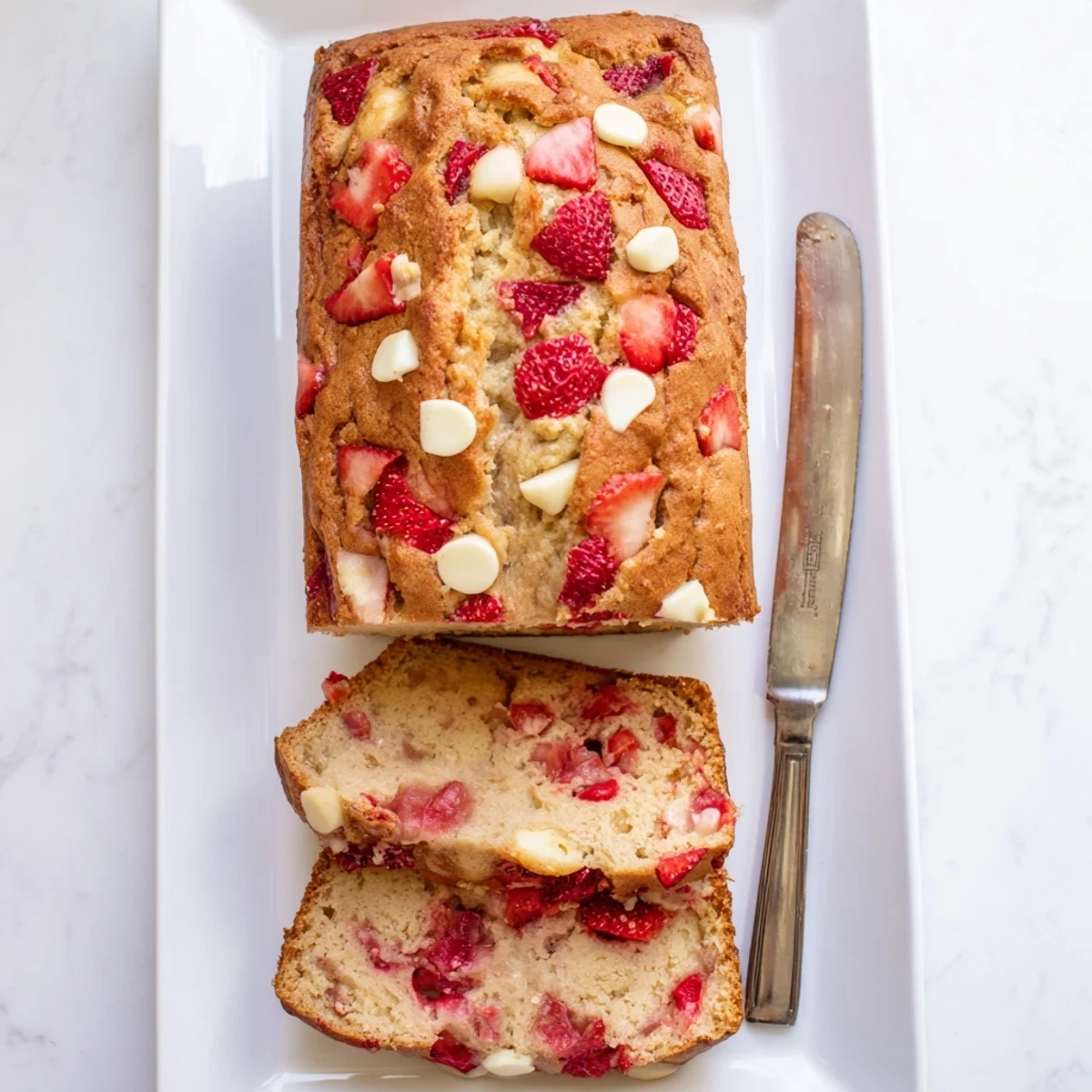
 The first time I made this, I almost skipped the resting step because I was impatient. But when I finally bit into a slice the next day, I understood why patience matters in baking. The strawberries had softened into jammy pockets and the white chocolate had melted into thin ribbons throughout. It tasted like something from a fancy bakery, not my home kitchen counter.
Getting The Rest Right
I have tested this every way from skipping the rest entirely to letting it ferment for two days. The sweet spot is either 3 to 4 hours at room temperature or overnight in the refrigerator. Room temperature gives you a milder flavor while the fridge method produces a more pronounced tang. Both work beautifully, so choose based on your schedule and taste preference.
Strawberry Selection Secrets
The best strawberries for this bread are fragrant and slightly underripe. Overripe berries release too much liquid and can make the bread soggy in spots. I have started buying strawberries specifically for this recipe and letting them sit on the counter for a day. They develop more flavor without becoming mushy when baked.
Serving Suggestions That Shine
Toasted with salted butter has become my absolute favorite way to enjoy this bread. The heat intensifies the strawberry flavor and makes the white chocolate pockets even more luxurious. I have also served it with clotted cream for an elegant brunch option.
- Try swapping dark chocolate for white chocolate if you prefer less sweetness
- A light dusting of powdered sugar makes it prettier for serving
- Wrap individual slices and freeze for busy morning breakfasts
 Save to Pinterest
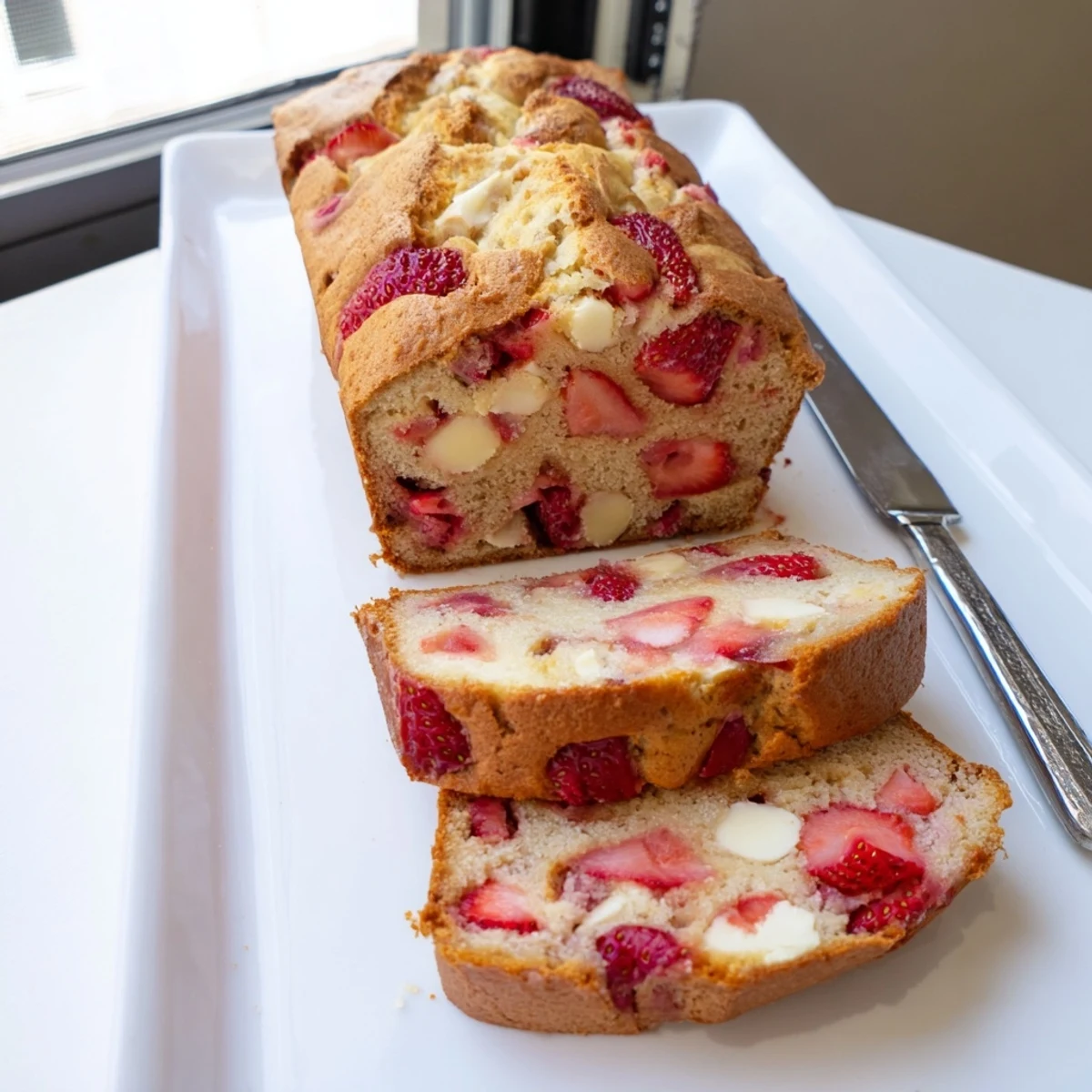
 This bread has become my go-to for bringing to new neighbors or friends who need a pick-me-up. Something about the combination of comfort and novelty makes people feel truly cared for.
Common Questions
- → Why does this loaf need an overnight rest?
-
The overnight refrigeration allows the sourdough starter to ferment the dough slowly, developing complex tangy flavors while tenderizing the crumb. This extended rest also gives the flour time to fully hydrate, resulting in a more moist and cohesive texture that holds up beautifully to baking.
- → Can I use frozen strawberries instead of fresh?
-
Absolutely—frozen strawberries work wonderfully in this loaf. The key is to add them frozen without thawing, which prevents excess moisture from making the dough too wet. The frozen fruit will release just the right amount of juice during baking, creating lovely strawberry pockets throughout each slice.
- → How should I store this loaf and how long does it keep?
-
Wrap the cooled loaf tightly in plastic wrap or store in an airtight container at room temperature for up to 3 days. For longer storage, refrigerate for up to a week—the flavors continue to develop over time. You can also freeze individual slices wrapped in plastic and foil for up to 3 months, thawing overnight before serving.
- → What makes sourdough different from regular quick bread?
-
Unlike quick breads leavened with baking powder and soda alone, this loaf uses active sourdough starter which provides both leavening and complex fermented flavor. The longer fermentation time creates characteristic tanginess and improves the bread's texture, making it more moist and substantial than typical sweet quick breads.
- → Can I substitute the white chocolate with other varieties?
-
Dark or milk chocolate chips make excellent alternatives to white chocolate, each bringing different flavor profiles. Dark chocolate adds sophisticated bitterness that contrasts beautifully with the sweet strawberries, while milk chocolate provides a creamier, more nostalgic sweetness. Adjust sugar slightly if using very sweet chocolate varieties.
- → How do I know when the loaf is fully baked?
-
Insert a toothpick into the center of the loaf—if it comes out clean or with just a few moist crumbs (not wet batter), it's done. The top should be deep golden brown, and the loaf should feel firm yet springy when gently pressed. The internal temperature should reach about 200°F (93°C) when measured with a kitchen thermometer.