
 Save to Pinterest
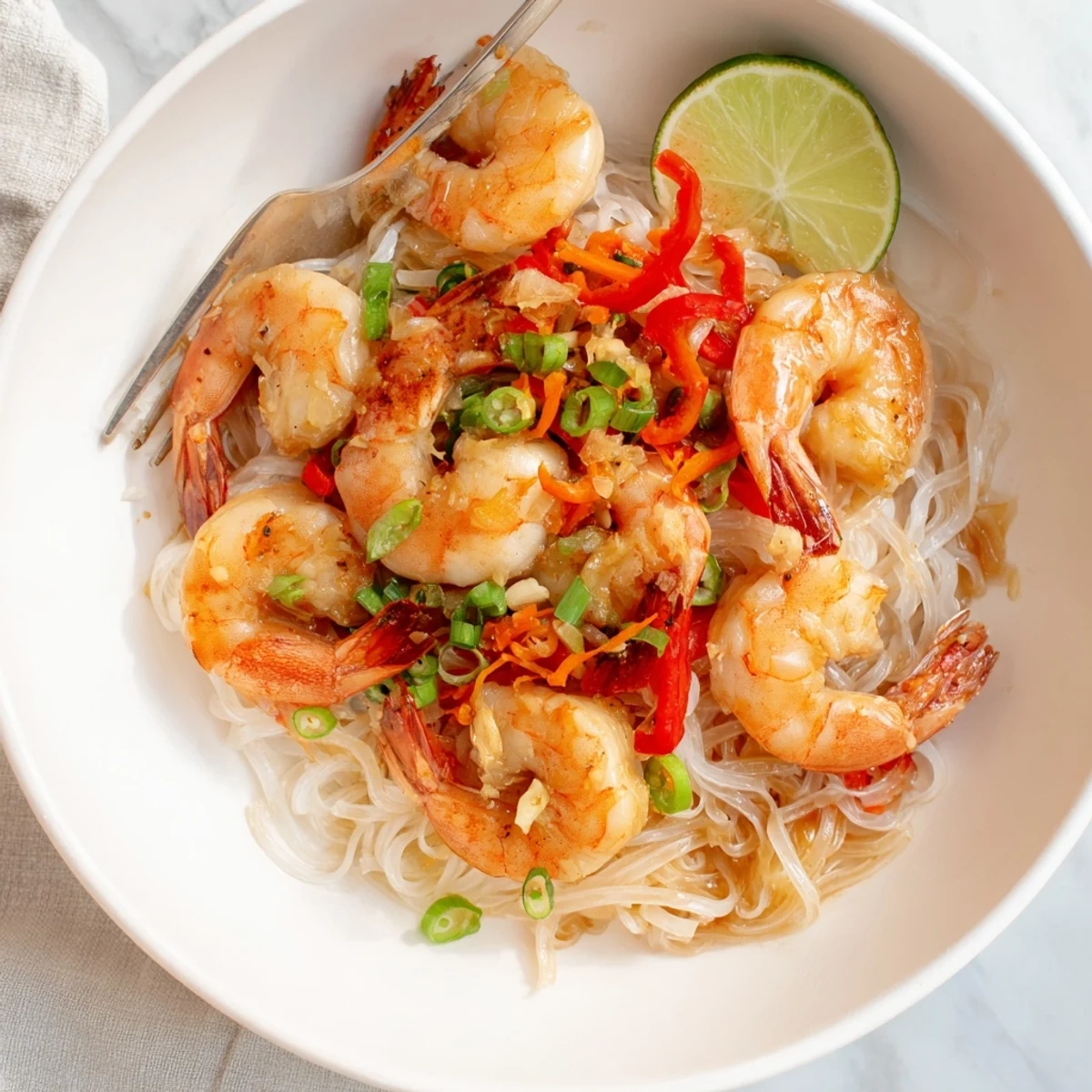
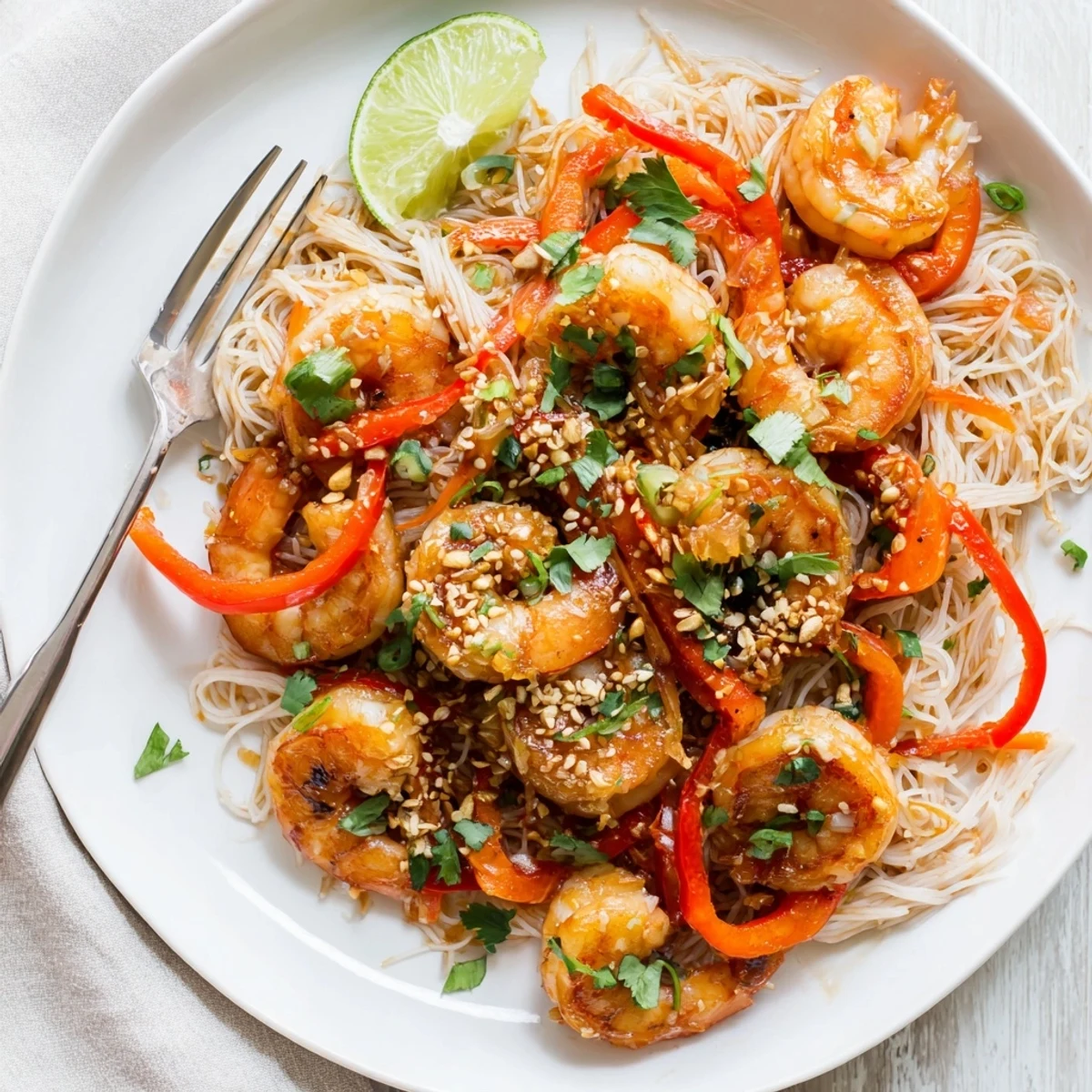
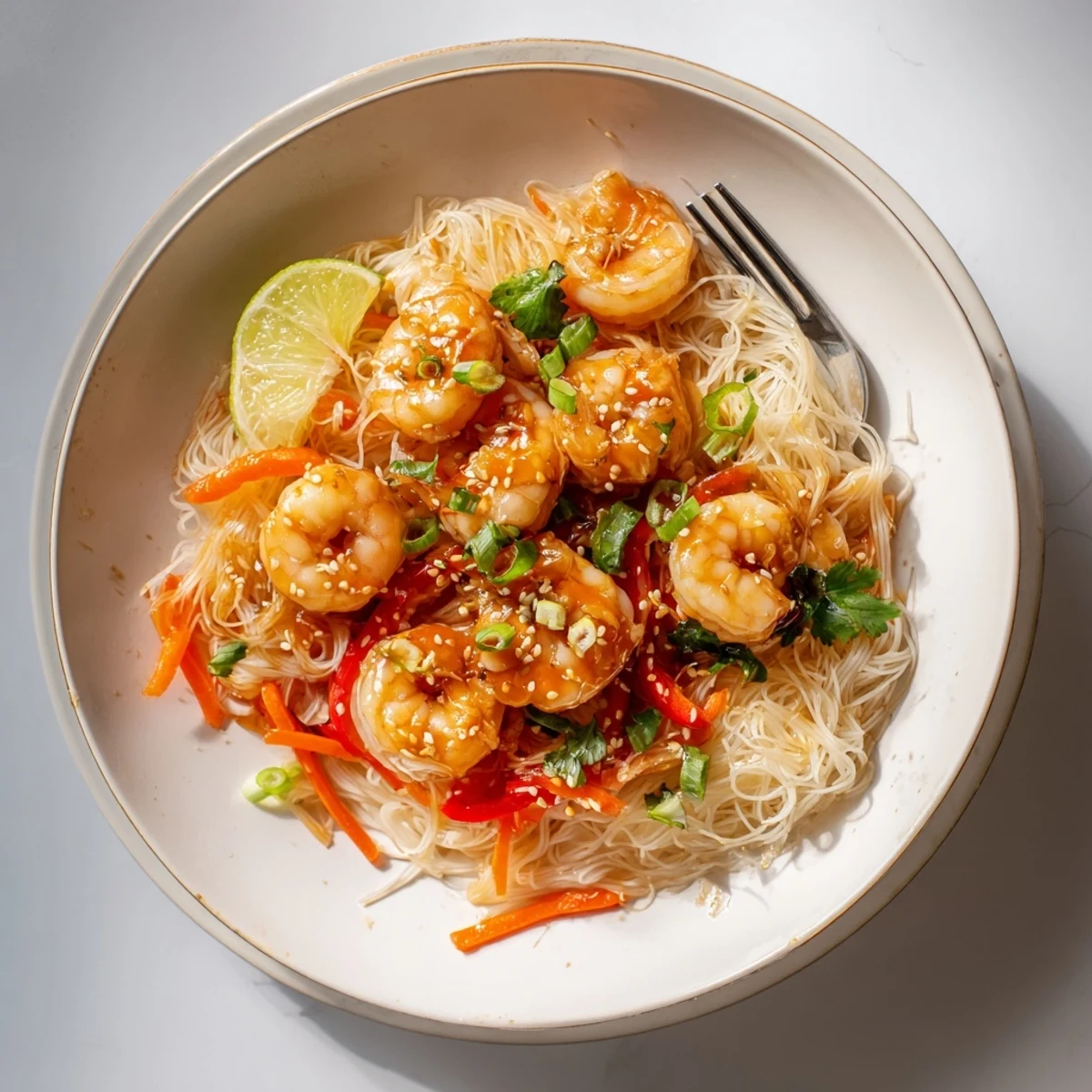
 In about 30 minutes you can toss tender, pink shrimp with rice or egg noodles in a bold garlic-forward sauce. Cook the noodles, then flash-sauté minced garlic and shrimp until just opaque. Stir-fry bell pepper and carrot briefly, return noodles and shrimp, pour a balanced soy–oyster–fish–sriracha mix and toss until glossy. Finish with green onions, cilantro and lime; tweak sriracha and brown sugar to balance heat and sweetness.
The sizzle of garlic hitting a hot wok on a Tuesday evening is, in my humble opinion, one of the greatest sounds in any kitchen. I started making these spicy garlic shrimp noodles during a phase where I was obsessed with recreating takeout flavors without the delivery wait. What hooked me was the way the sauce caramelizes on the noodles just slightly, giving every bite this glossy, sticky richness that plain pasta could never dream of.
One Friday night my neighbor knocked on my door to return a borrowed casserole dish right as I was tossing the noodles in the wok. She stood in the doorway sniffing the air like a cartoon character floating toward a pie, and ended up staying for dinner with her husband. We demolished the entire batch and I have been making a double portion ever since.
Ingredients
- Large shrimp (500 g, peeled and deveined): Fresh or frozen both work beautifully, but pat them completely dry with paper towels so they sear instead of steam.
- Rice noodles or egg noodles (300 g): Rice noodles give a softer, more delicate chew while egg noodles hold up to aggressive tossing, so pick based on the texture you crave.
- Red bell pepper (1, thinly sliced): Adds a crunch and sweetness that cools down the sriracha heat in the most satisfying way.
- Small carrot (1, julienned): Cut these thin enough and they cook quickly while still giving that bright orange pop of color throughout the dish.
- Green onions (2, sliced): Tossed in at the very end so they stay fresh and sharp, cutting through the richness of the sauce.
- Garlic (5 cloves, minced): Five cloves sounds aggressive until you taste the result, and then you will wonder if six would have been better.
- Fresh cilantro (2 tbsp chopped, plus extra for garnish): Some people skip it and that is fine, but it genuinely brightens every single bite.
- Soy sauce (3 tbsp): The salty backbone of the sauce, use a good quality one and you will taste the difference.
- Oyster sauce (2 tbsp): This is where the deep, savory body comes from, and no substitution quite matches it.
- Fish sauce (1 tbsp): Just a tablespoon adds a funky depth that makes people ask what your secret ingredient is.
- Sriracha (1 and a half tbsp): Dial it up or down depending on your spice tolerance, but do not leave it out entirely because the heat is part of the magic.
- Brown sugar (1 tbsp): Balances the heat and salt, helping the sauce cling to every strand of noodle.
- Sesame oil (1 tsp): A little goes a long way and adds that toasty, nutty aroma that signals something delicious is happening.
- Vegetable oil (2 tbsp): Used for high heat cooking since olive oil would burn at the temperature you need for a proper stir fry.
- Lime (1, cut into wedges): A generous squeeze over each bowl right before eating wakes up all the flavors instantly.
Instructions
- Get the noodles going:
- Cook your noodles according to the package directions, drain them well, and set aside. If using rice noodles, a quick rinse under cool water keeps them from turning into a gummy clump.
- Build the sauce:
- Whisk together the soy sauce, oyster sauce, fish sauce, sriracha, brown sugar, and sesame oil in a small bowl until the sugar dissolves. Give it a taste and adjust the heat now before it hits the pan.
- Wake up the garlic:
- Heat vegetable oil in a large skillet or wok over medium high heat, then add the minced garlic and stir for about 30 seconds until your kitchen smells absolutely incredible. Watch closely because garlic goes from golden to bitter in seconds.
- Sear the shrimp:
- Toss in the shrimp and cook for 2 to 3 minutes until they turn pink and curl into that perfect C shape. Pull them out and set aside so they do not overcook and turn rubbery.
- Stir fry the vegetables:
- In the same pan with all those flavorful leftover bits, add the sliced bell pepper and julienned carrot, tossing them for about 2 minutes until they soften slightly but still have a satisfying crunch.
- Bring it all together:
- Return the noodles and shrimp to the pan, pour the sauce over everything, and toss vigorously for about 2 minutes until every strand is coated and glistening. The sauce should thicken slightly and cling to the noodles like a glaze.
- Finish and serve:
- Remove from the heat, scatter in the green onions and chopped cilantro, and give one final gentle toss. Serve right away with extra cilantro on top and lime wedges on the side for squeezing.
 Save to Pinterest
 There is something about a big steaming bowl of these noodles that turns a regular evening into a small celebration. I have made them for weeknight dinners, impromptu gatherings, and once at 11 pm after a terrible day when nothing but spicy, garlicky comfort would do.
Swaps and Substitutions
Chicken breast or thigh sliced thin works beautifully in place of shrimp if shellfish is not your thing, and firm tofu pressed and cubed makes it entirely plant based. I have even used leftover rotisserie chicken shredded into the sauce at the last minute and it was still wonderful. The sauce is forgiving enough that the dish adapts to whatever protein you have on hand.
What to Serve Alongside
A cold glass of iced green tea or a crisp Sauvignon Blanc cuts right through the richness and heat. On the side, a simple cucumber salad dressed with rice vinegar and a pinch of sugar provides a cool, crunchy contrast that makes the whole meal feel more complete. Steamed edamame with flaky sea salt is my go-to when I want something effortless but still satisfying.
Storing and Reheating Leftovers
Leftovers keep well in an airtight container in the fridge for up to two days, though the noodles absorb the sauce and soften overnight. Reheat in a skillet with a splash of water or soy sauce to loosen things back up rather than using a microwave which can make the shrimp tough.
- Toss in a handful of fresh bean sprouts during reheating for a welcome crunch revival.
- Store the lime wedges separately so they stay juicy for squeezing later.
- Remember that the shrimp will not taste as tender the next day, so eat it fresh when you can.
 Save to Pinterest
 Keep this recipe in your back pocket for any night that needs rescuing with bold flavors and minimal effort. Your future hungry self will thank you.
Common Questions
- → Which noodles work best here?
-
Rice noodles give a delicate texture and soak up sauce, while egg noodles add chew. Choose based on preferred mouthfeel; adjust cooking time to package directions.
- → How do I avoid overcooking shrimp?
-
Use high heat and cook shrimp just until they turn pink and curl slightly, about 2–3 minutes. Remove them briefly if vegetables need more time, then return to finish.
- → How can I control the heat level?
-
Start with less sriracha, taste after tossing, and add more to increase heat. Removing seeds from fresh chilis or using chili flakes lets you fine-tune spice.
- → Can I make this gluten-free?
-
Yes—swap soy sauce for tamari or a gluten-free soy alternative and confirm oyster and fish sauces are labeled gluten-free. Rice noodles are naturally gluten-free.
- → What are good protein swaps?
-
Firm tofu, sliced chicken breast, or thinly sliced pork work well. Adjust cooking times: tofu can be crisped longer; chicken should reach safe internal temperature.
- → Any tips for balancing the sauce?
-
Taste for salt, sweet and heat. Increase brown sugar to tame heat, add a squeeze of lime for brightness, and a touch of sesame oil for nuttiness at the end.
- → How should leftovers be stored and reheated?
-
Refrigerate in an airtight container for up to 2 days. Reheat gently in a skillet over medium heat, adding a splash of water or oil to revive the sauce and prevent sticking.