
 Save to Pinterest
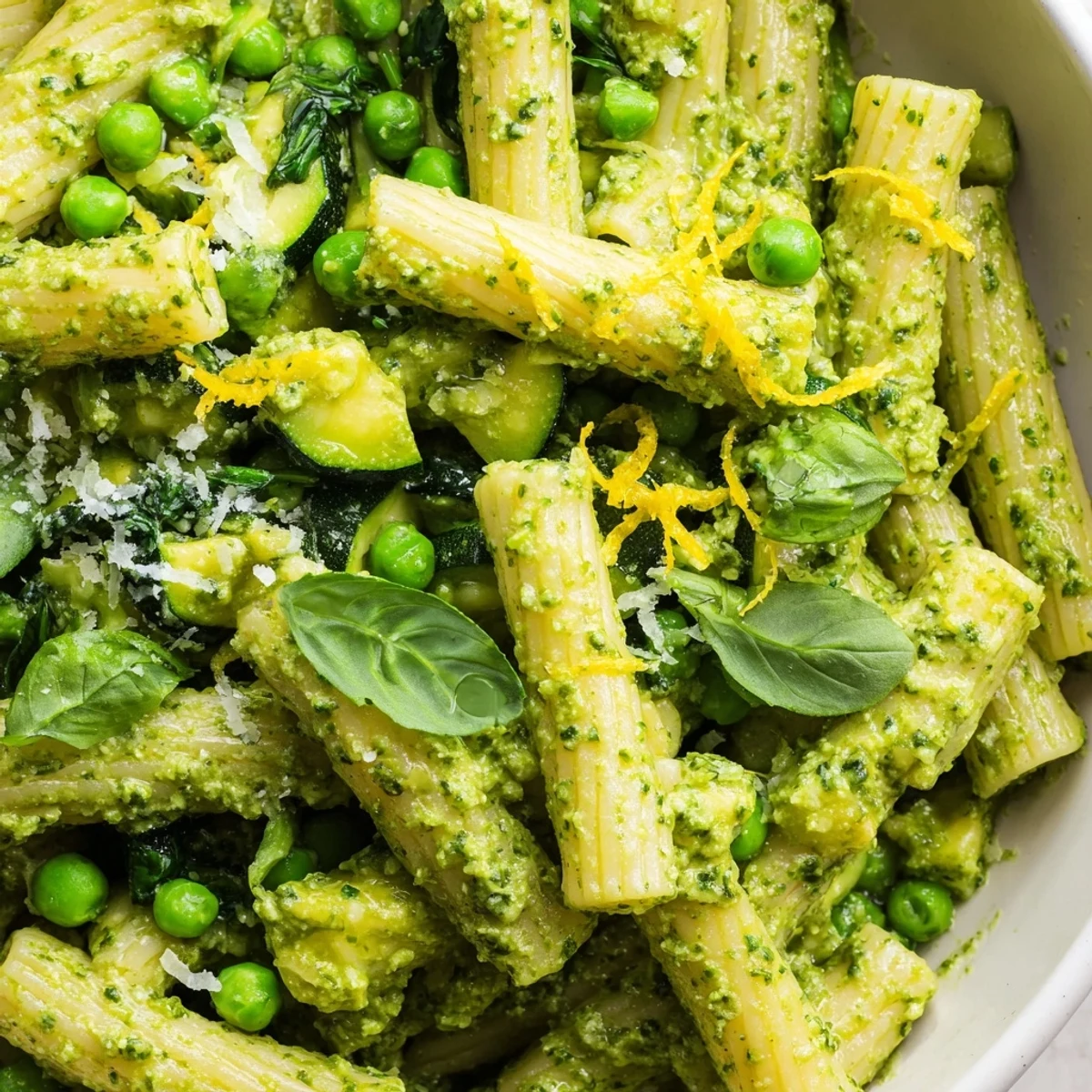
 Celebrate St. Patrick's Day with a vibrant green pesto pasta that’s as easy to make as it is delicious. This vegetarian main dish combines al dente penne or fusilli with a fresh, homemade basil pesto, rich with pine nuts, garlic, and Parmesan. Quickly sautéed seasonal vegetables like zucchini, peas, and baby spinach add color and nutrition. The entire preparation, including cooking, takes just 30 minutes, making it perfect for a festive weeknight meal. Toss everything together, adding a splash of reserved pasta water for a creamy texture, and finish with fresh scallions, extra cheese, and a hint of lemon zest. Adaptable for various diets, it’s a crowd-pleaser for any occasion.
There's something truly magical about turning simple, vibrant ingredients into a dish that just pops. I vividly remember the winter afternoon when I first conceived of this Pesto Pasta; it was gray and cold outside, but I yearned for a splash of spring to brighten things up. St. Patrick's Day was approaching, and I wanted something green and festive, but definitely not involving food coloring. The idea of a fresh, herbaceous pasta came to me like a sunbeam breaking through the clouds.
One year, a few friends dropped by spontaneously on St. Patrick's Day, and I had nothing planned. Panic set in for a moment, but then I remembered I had all the ingredients for this pasta. The kitchen filled with the intoxicating aroma of basil and garlic, and within half an hour, we were all gathered around the table, spoons clanking against bowls, everyone praising the sudden burst of fresh flavor. It felt like a culinary triumph born out of sheer spontaneity.
Ingredients
- Pasta: Choose a shape like penne or fusilli; their nooks and crannies are perfect for cradling that rich pesto sauce. Don't forget a generous pinch of salt for the boiling water; it's your first layer of flavor.
- Pesto: Fresh basil is non-negotiable here; its peppery sweetness forms the soul of the dish. The lemon juice brightens everything, cutting through the richness of the olive oil and cheese.
- Vegetables: The peas add a lovely pop of sweetness, while the spinach wilts down to infuse more green goodness and a tender texture. Diced zucchini provides a subtle bite and another layer of freshness.
- Garnish: A final sprinkle of Parmesan, a few fresh basil leaves, and a whisper of lemon zest elevate this from good to truly memorable.
Instructions
- Cook the Pasta to Perfection:
- In a large pot, bring generously salted water to a rolling boil and cook your chosen pasta until al dente according to package directions. Before draining, make sure to scoop out about 120 ml (1/2 cup) of that starchy cooking water; it’s liquid gold for your sauce.
- Whip Up the Vibrant Pesto:
- While the pasta dances in the pot, combine your fresh basil, pine nuts, garlic, Parmesan, olive oil, salt, pepper, and lemon juice in a food processor. Blend until you have a beautifully smooth, bright green pesto, pausing to scrape down the sides as needed to ensure everything is incorporated.
- Sauté the Garden Gems:
- Heat a splash of olive oil in a large skillet over medium heat and toss in the diced zucchini, cooking for just 2 to 3 minutes until it’s lightly tender. Next, add the peas and spinach, stirring for another 2 minutes until the spinach beautifully wilts and the peas turn a vibrant, celebratory green.
- Bring It All Together:
- Now, add the drained pasta and your freshly made pesto directly into the skillet with the sautéed vegetables. Toss everything gently to ensure every strand and piece is beautifully coated, adding splashes of that reserved pasta water as needed until you achieve a wonderfully creamy, luscious consistency. Stir in the sliced scallions for a final burst of fresh oniony flavor.
- Dish It Up with a Flourish:
- Serve your magnificent green pasta immediately, topping each portion with extra grated Parmesan, a few more fresh basil leaves, and a bright sprinkle of lemon zest.
 Save to Pinterest
 I remember one blustery spring evening, my youngest, who is usually quite wary of green things, took a hesitant bite of this pasta. His eyes widened, and he declared it 'the best green stuff ever!' That simple compliment made my heart swell; it was more than just dinner, it was a moment of culinary bravery and delight.
Pesto Perfection: My Secret to Success
The key to a truly outstanding pesto lies in the quality of your ingredients and balancing their flavors. Always taste your pesto before mixing it in, adjusting salt, pepper, or lemon juice as needed.
Making it Your Own: Creative Swaps & Additions
This recipe is wonderfully forgiving and adaptable; I often toss in grilled chicken or sautéed shrimp for a heartier meal. If pine nuts are out of reach, walnuts or almonds are fantastic, and a little nutritional yeast makes a convincing vegan Parmesan substitute.
Serving Suggestions & Leftovers Love
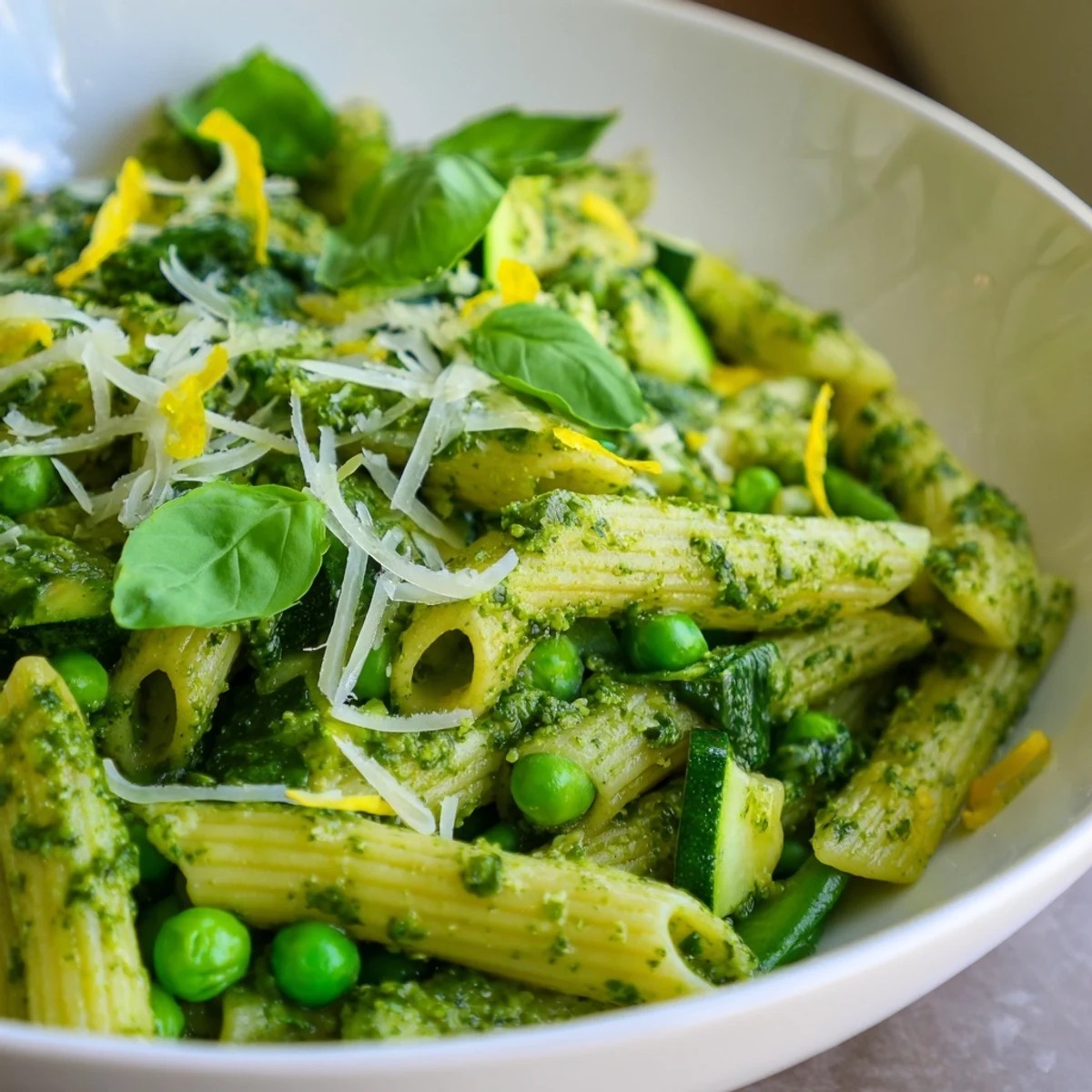
While this pasta is best enjoyed fresh, it makes for delicious leftovers the next day, though you might want to add a tiny splash of olive oil or water to loosen it up. The vibrant colors really pop against a simple white bowl, making for a beautiful presentation. Don't underestimate the power of a fresh garnish.
- Always toss the pasta and pesto while the pasta is still warm; it helps the sauce adhere better.
- If serving later, you can store the pesto separately and combine just before reheating.
- A side salad with a light vinaigrette perfectly complements the richness of the pesto.
 Save to Pinterest
 This Pesto Pasta has become a cherished staple in my kitchen, a testament to how simple ingredients can create something truly extraordinary. I hope it brings as much joy and vibrant flavor to your table as it has to mine.
Common Questions
- → Can this pasta be made vegan?
-
Absolutely! To make this dish vegan, simply substitute the Parmesan cheese with an equal amount of nutritional yeast. Ensure your pasta brand is egg-free as well, if applicable. The rich basil pesto flavor will still shine through beautifully.
- → What if I have a nut allergy or don't have pine nuts?
-
If you have a nut allergy, you can omit the pine nuts entirely or replace them with sunflower seeds for a similar texture. Alternatively, if you just don't have pine nuts, walnuts or almonds are excellent substitutes that also provide a lovely flavor to the pesto.
- → Can I add protein to this dish?
-
Yes, you can easily boost the protein content. Cooked chicken, shrimp, or even crumbled firm tofu would be delicious additions. Simply add your chosen protein during the final step when you toss the pasta with the pesto and vegetables.
- → How do I ensure the pasta has a creamy consistency?
-
The key to a creamy texture is to reserve some of the starchy pasta cooking water. When you combine the pasta with the pesto and vegetables, gradually add the reserved pasta water, a tablespoon at a time, until you achieve your desired silky and well-coated consistency.
- → Can I prepare the pesto ahead of time?
-
Yes, homemade pesto can be prepared up to 2-3 days in advance. Store it in an airtight container in the refrigerator, with a thin layer of olive oil poured on top to prevent browning. This makes assembly on the day of serving even quicker.
- → Are there other vegetable options I could use?
-
This pasta is quite versatile! Feel free to incorporate other seasonal green vegetables like asparagus, broccoli florets, or even finely chopped green beans. Just ensure they are cooked until tender-crisp before adding them to the pasta mixture.