
 Save to Pinterest
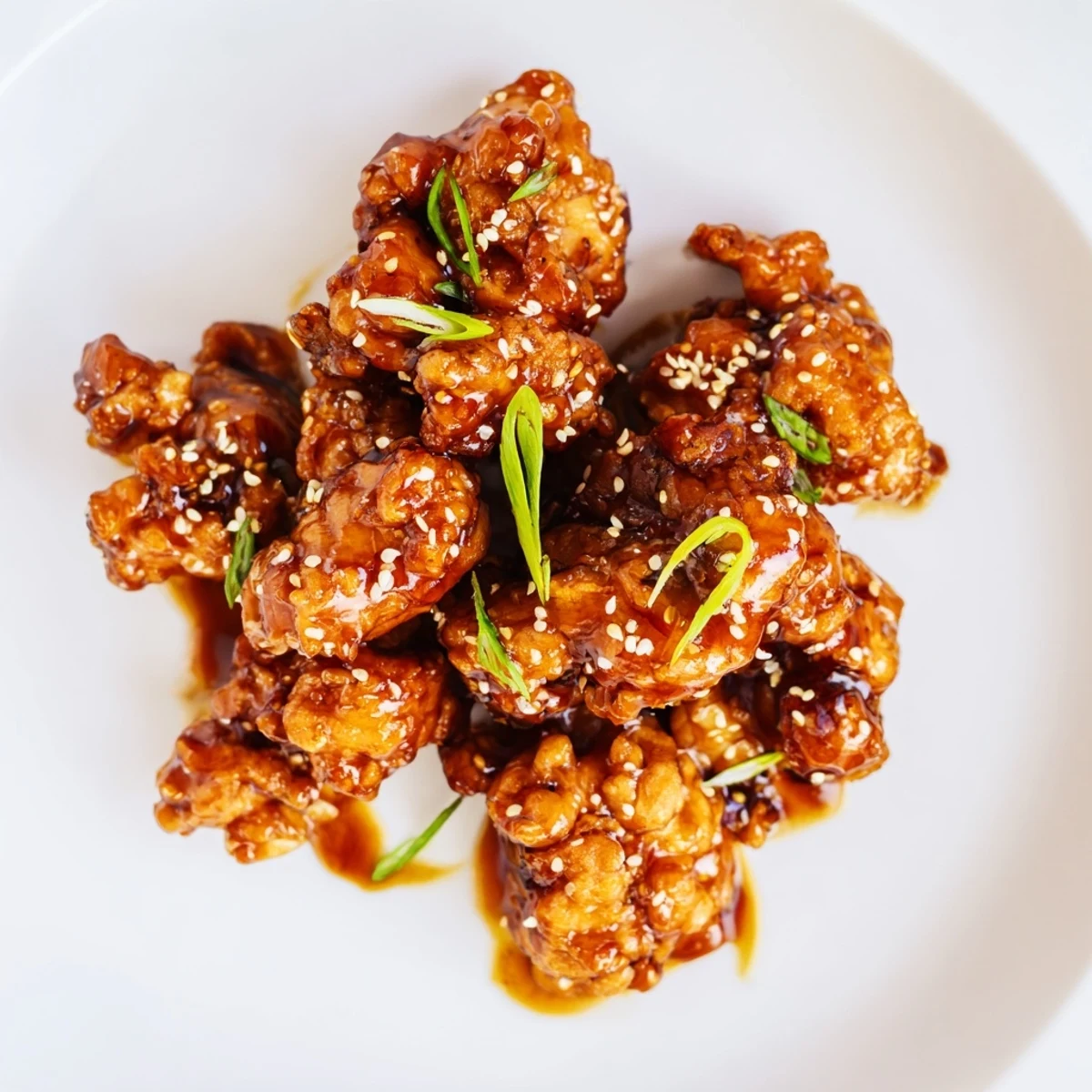
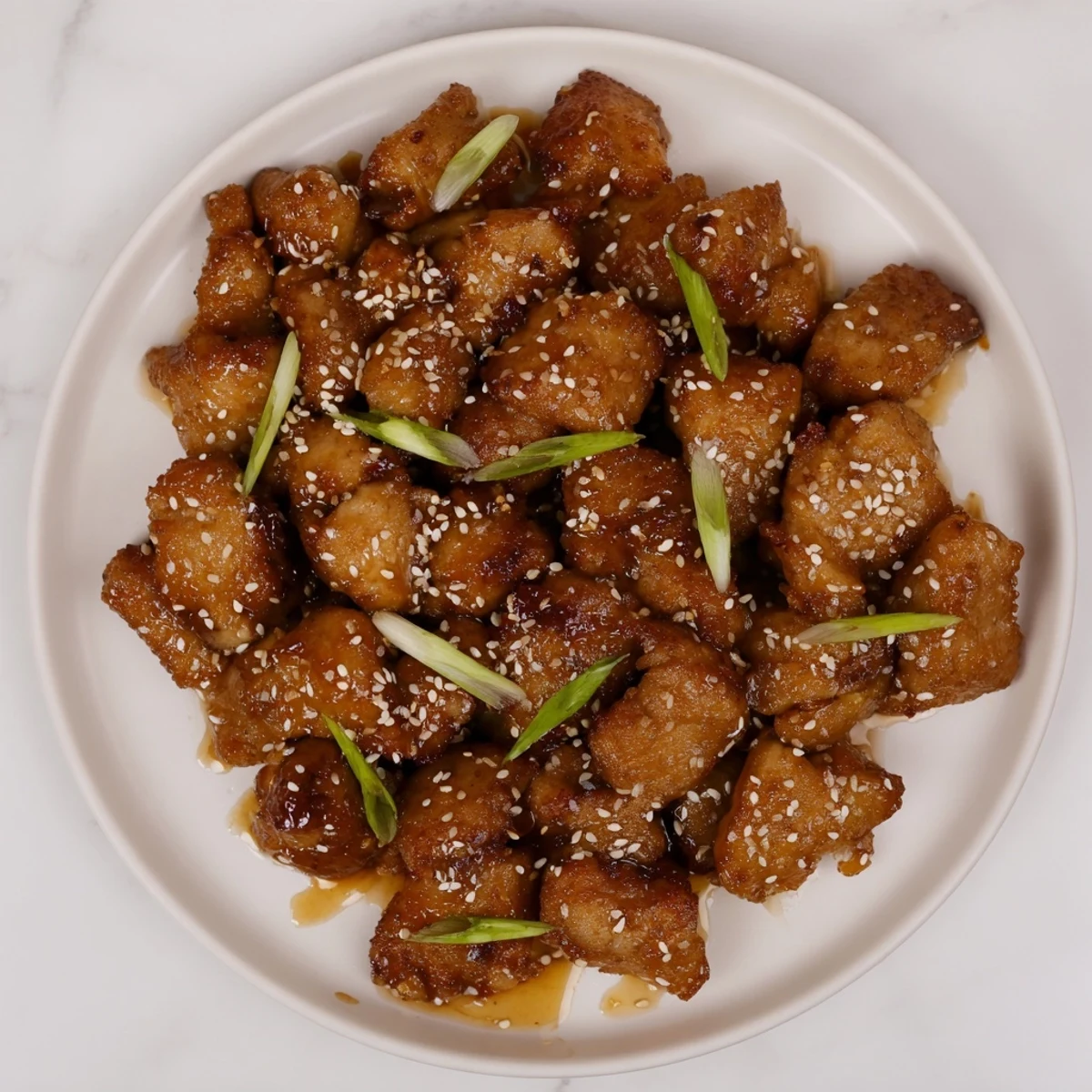
 This Asian-inspired dish features golden crispy chicken pieces coated in cornstarch and pan-fried to perfection, then tossed in a glossy sweet and savory sauce. The sauce combines soy sauce, brown sugar, hoisin, rice vinegar, and aromatic fresh ginger and garlic for a balanced depth of flavor. Ready in under an hour, this dairy-free main dish serves five and pairs beautifully with steamed white rice. Garnish with fresh green onions and toasted sesame seeds for added texture and visual appeal.
The smell of garlic and ginger hitting hot oil still takes me back to my tiny first apartment kitchen. I'd just discovered Mongolian chicken at a local takeout spot and became obsessed with recreating that glossy, clingy sauce at home. My roommate wandered in, attracted by the aromatics, and we ended up eating the entire batch standing at the counter. Now it's the recipe I turn to when I need something that feels special but comes together in under an hour.
Last winter my sister came over exhausted from a new job, and I made this while she sat at the island telling me about her day. Watching her shoulders drop as she took that first bite, sticky sauce on her chin, made me realize how much comfort food can communicate love. Now she requests it every time she visits, and I've learned to double the recipe because leftovers never survive the night.
Ingredients
- Chicken thighs: Thighs stay juicier than breasts through the high-heat cooking process, and their slightly higher fat content helps the sauce cling better
- Cornstarch: This creates that essential crispy coating that stands up to the sauce without turning soggy
- Low-sodium soy sauce: Regular soy sauce makes the dish too salty once reduced, so start with less sodium and adjust if needed
- Brown sugar: The molasses in brown sugar gives the sauce depth and that beautiful caramel color
- Hoisin sauce: This is the secret ingredient that adds complexity and that authentic restaurant flavor
- Fresh ginger and garlic: Fresh aromatics are non-negotiable here—paste or powder won't give you the same punch
- Sesame oil: Toasted sesame oil adds a nutty finish that rounds out the sweet and salty elements
- Red chili flakes: Even if you don't love heat, a tiny bit wakes up all the other flavors
Instructions
- Coat the chicken:
- Pat the chicken pieces dry with paper towels before tossing with cornstarch—any moisture prevents that crispy exterior from forming properly
- Crisp the chicken:
- Don't crowd the pan, and let the pieces develop a golden crust before flipping; you'll hear them sizzle and smell them toasting
- Whisk the sauce:
- Mix the sauce ingredients until the brown sugar completely dissolves, or you'll end up with grainy spots in your finished dish
- Bloom the aromatics:
- Just 30 seconds in the hot oil releases the ginger and garlic's essential oils without burning them
- Thicken the sauce:
- Watch for bubbles to slow down and the liquid to coat the back of a spoon—that's when it's ready
- Combine everything:
- Add the chicken back to the skillet and toss gently so the crispy coating doesn't break off
- Finish and serve:
- The sauce should cling to each piece, not pool at the bottom of the pan
 Save to Pinterest
 This recipe became my go-to for dinner parties after I served it to my food-snob friend who claimed to hate homemade Asian food. She took three helpings and asked for the recipe before she even left my apartment. Something about that combination of textures and flavors just makes people feel cared for.
Getting That Restaurant Texture
I used to struggle with soggy chicken until I learned to let the pieces drain on a wire rack instead of paper towels while the sauce reduces. The air circulation keeps that crust intact, and the final toss in the sauce happens so quickly that the crunch remains. It's a small step that makes the difference between takeout-quality and homemade disappointment.
Building Flavor Balance
The first few times I made this, I couldn't quite pin down what was missing. Turns out it was the hoisin sauce—something about its fermented bean paste adds umami that soy sauce alone can't provide. If you taste the sauce before adding the chicken and it feels too sweet, a splash more rice vinegar or soy brings it back into balance.
Making It Your Own
Once you master the base technique, this recipe adapts beautifully to what you have on hand or what your family prefers. The sauce is forgiving and the method is straightforward.
- Add stir-fried vegetables during the last minute of cooking for color and nutrition
- Substitute honey for brown sugar if you prefer a lighter sweetness
- Double the chili flakes if you like things spicy, or omit them completely for a kid-friendly version
 Save to Pinterest
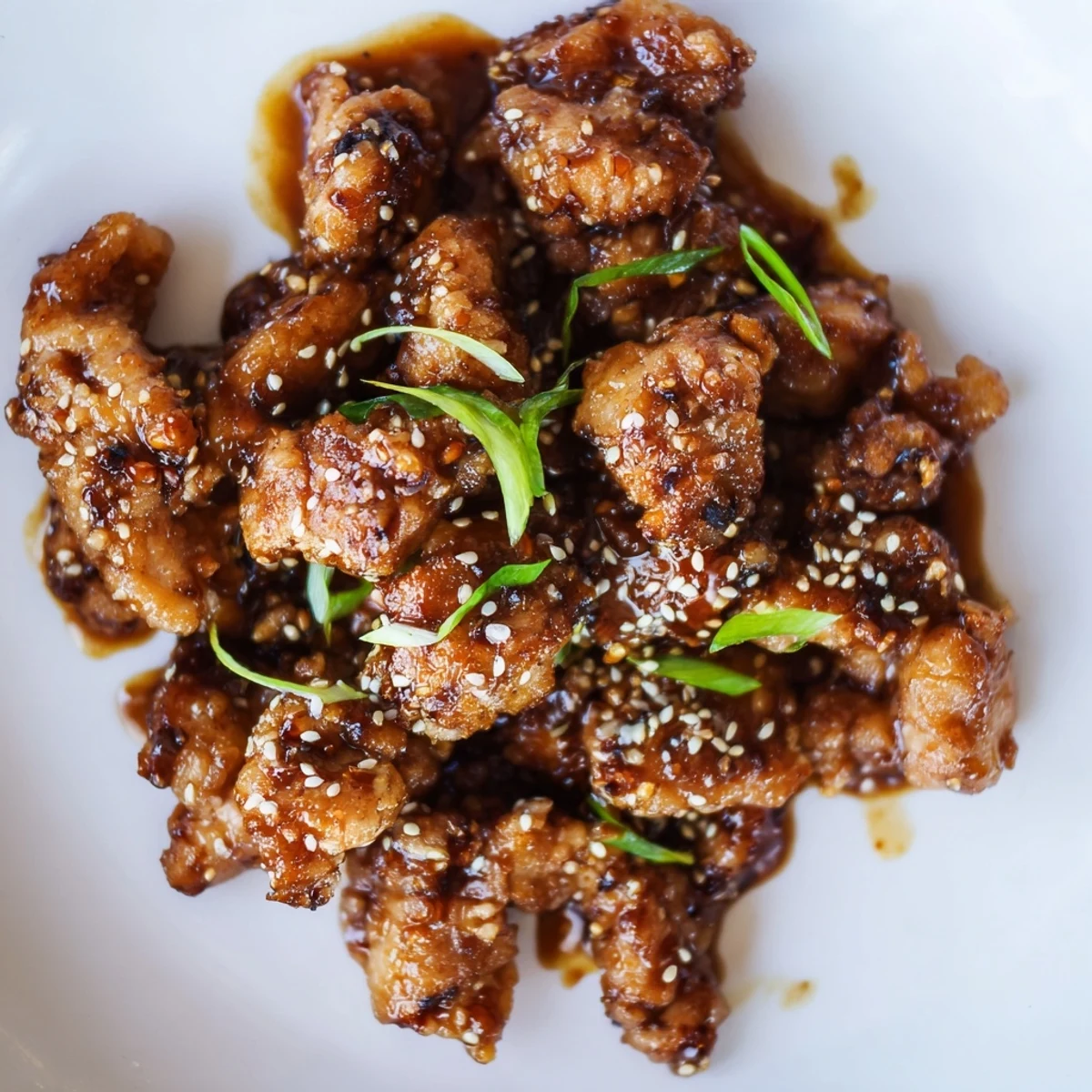
 There's something deeply satisfying about plating this dish—steaming rice, glossy chicken, bright green onions, and those golden sesame seeds. It's the kind of meal that makes even a Tuesday night feel like a celebration.
Common Questions
- → What makes the sauce sweet and savory?
-
The balance comes from brown sugar and hoisin sauce providing sweetness, while soy sauce adds savory depth. Rice vinegar brightens the flavors, and ginger with garlic adds aromatic complexity.
- → Can I use chicken breasts instead of thighs?
-
Yes, chicken breasts work well as a substitution. Keep in mind breasts may cook slightly faster and can be less juicy than thighs, so monitor cooking time to prevent drying.
- → How do I make the chicken extra crispy?
-
Double-fry the chicken pieces by frying once until golden, removing from the pan, then frying again for 2-3 minutes when adding back to the sauce. This creates a crunchier texture that holds up better when coated.
- → Is this dish gluten-free?
-
Traditional soy sauce and hoisin contain gluten. To make it gluten-free, substitute with tamari or gluten-free soy sauce and ensure your hoisin is certified gluten-free.
- → What vegetables can I add to this dish?
-
Stir-fried bell peppers, snap peas, broccoli, or carrots work beautifully. Add them during the final few minutes of simmering so they stay crisp-tender and don't become mushy.
- → How spicy is this dish?
-
The base version is mild with no heat. Red chili flakes are optional—add 1 teaspoon for moderate spice or adjust to your preference. The sauce focuses on sweet and savory flavors rather than heat.