
 Save to Pinterest
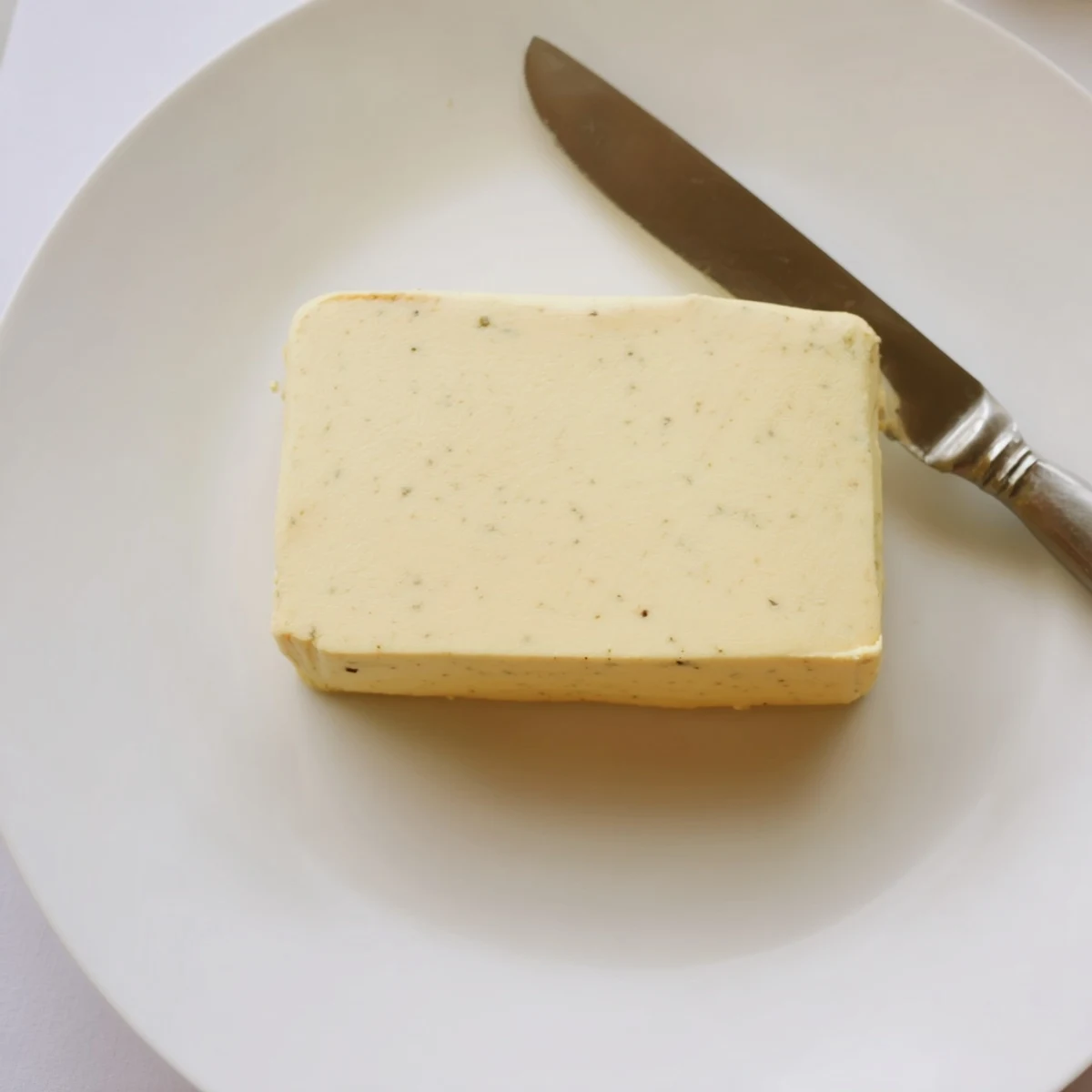
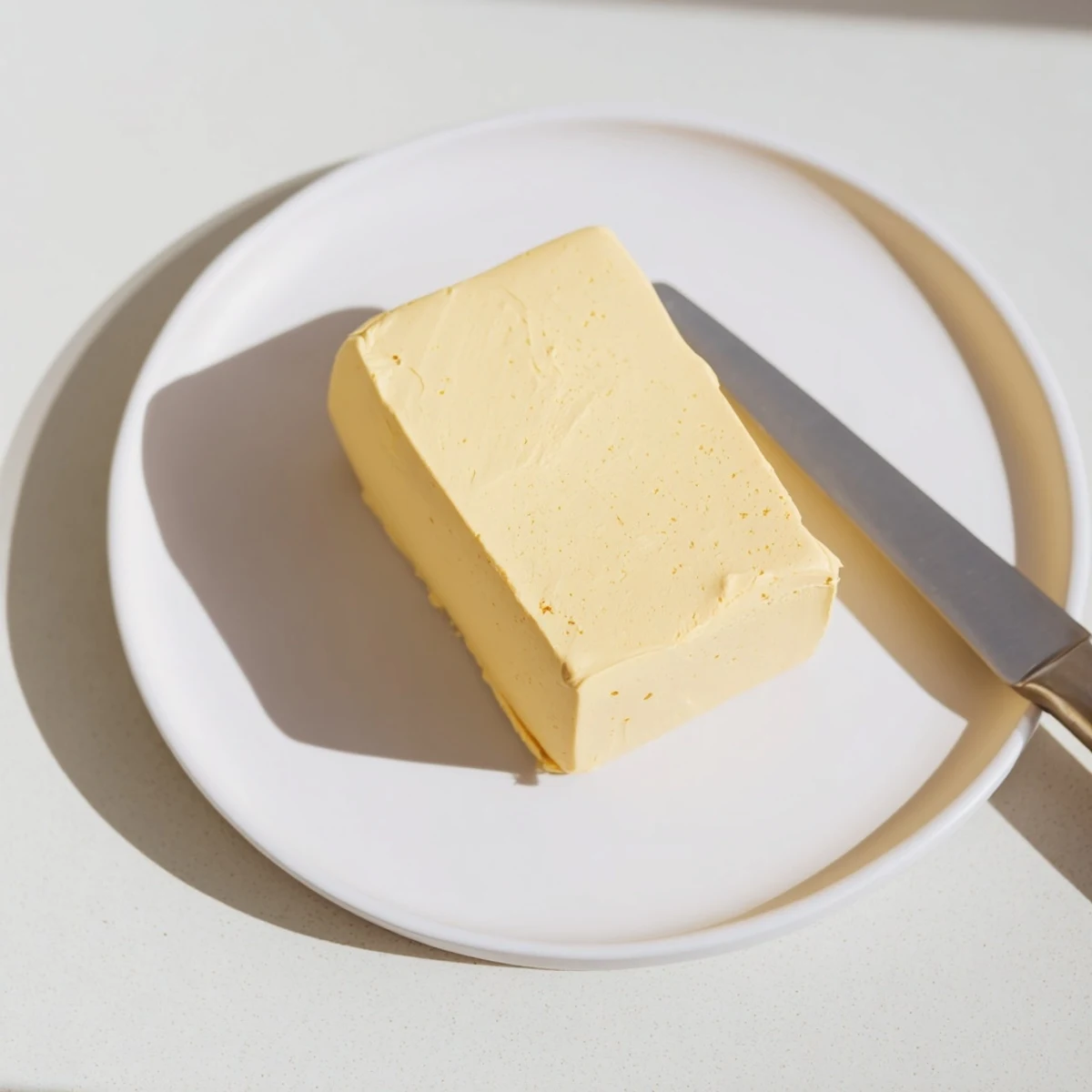
 Create your own rich and creamy plant-based spread at home with just a few simple ingredients. This dairy-free alternative combines refined coconut oil with neutral oils and plant milk for a smooth texture that spreads beautifully. The addition of lecithin ensures proper emulsification, while nutritional yeast provides a subtle buttery flavor. Ready in just 10 minutes, it firms up in the refrigerator and keeps for up to two weeks. Customize with optional turmeric for a classic golden color or add herbs and spices for flavored variations.
I remember staring at the price of vegan butter at the grocery store and thinking there had to be a better way. After some kitchen experiments and quite a few batches that separated or tasted too coconutty, I finally cracked the code. Now I keep a small batch in my fridge at all times, and my omnivore roommates can't tell the difference.
My niece visited last summer and we made pancakes using this butter. She ate three and then asked why my pancakes tasted better than her mom's. When I told her it was homemade vegan butter, she refused to believe me and asked for the recipe to take home.
Ingredients
- 1/2 cup refined coconut oil, melted: Refined is crucial here unless you want everything tasting like coconut, which I learned the hard way with my first batch
- 1/2 cup neutral oil: Sunflower or grapeseed work perfectly to lighten the texture
- 1/4 cup unsweetened soy milk: Helps create that creamy dairy-like consistency
- 1/2 teaspoon apple cider vinegar: Cuts through the oil and adds a subtle tang
- 1/2 teaspoon sea salt: Don't skip this it makes all the difference
- 1 teaspoon nutritional yeast: Totally optional but gives it that buttery depth
- 1/2 teaspoon ground turmeric: Just for color so it looks like the real thing
- 1 teaspoon sunflower lecithin or soy lecithin: This is what keeps everything emulsified and prevents separation
Instructions
- Melt and prep your coconut oil:
- Heat it just until liquid in the microwave or a small saucepan, then let it cool for a minute so it doesn't seize when it hits the cold milk
- Blend everything together:
- Throw all ingredients into your blender and run it on high for a full two minutes, stopping once to scrape down the sides
- Check your consistency:
- The mixture should look thick and creamy, almost like frosting
- Pour and set:
- Transfer to a clean container or butter mold and pop it in the fridge
- Wait patiently:
- Let it firm up for at least two hours before using
 Save to Pinterest
 This butter has become such a staple in my kitchen that I honestly forget it's homemade until friends ask for the recipe. There's something deeply satisfying about spreading something you made yourself on morning toast.
Getting The Right Consistency
I've found that blending time matters more than you'd expect. Less than a minute and you'll notice oil pooling on top after a day in the fridge. Go the full two minutes and you'll end up with something that stays perfectly emulsified for weeks.
Customizing The Flavor
Once you have the basic recipe down, the variations are endless. I love adding roasted garlic and fresh herbs for dinner parties, or maple syrup and cinnamon for weekend breakfast treats. The base is so neutral that it plays nicely with almost anything you want to stir in.
Storage And Freezing Tips
This butter keeps beautifully in the fridge for two weeks, though it rarely lasts that long in my house. I've also started freezing small portions in ice cube trays for those weeks when meal prep falls by the wayside.
- Let frozen butter thaw in the fridge overnight for the best texture
- Always use a clean utensil when scooping to prevent bacterial growth
- If it smells off before two weeks, trust your nose and make a fresh batch
 Save to Pinterest
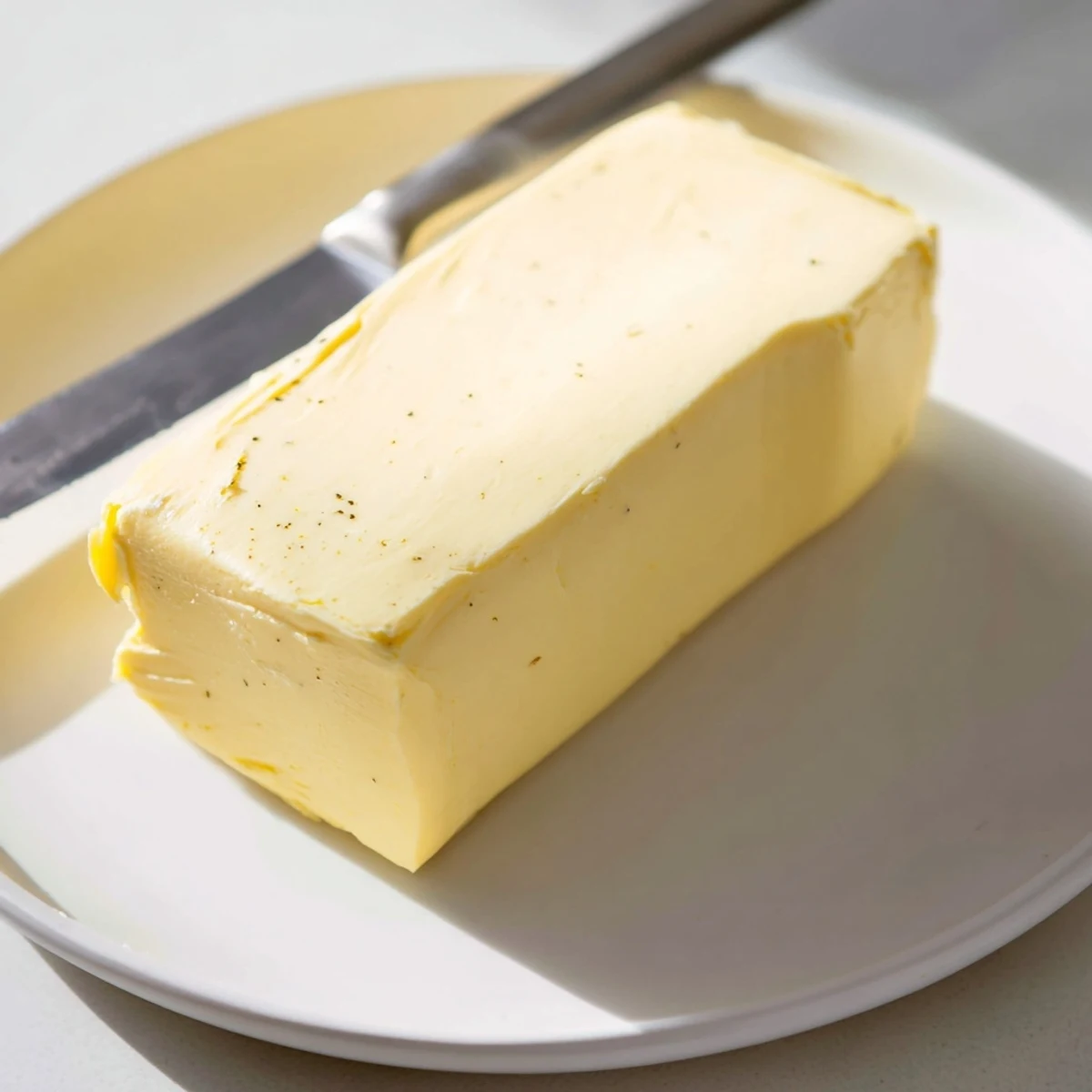
 There's something genuinely empowering about making your own butter, plant-based or not. Once you start, you might wonder why you ever bought the expensive stuff.
Common Questions
- → How long does homemade vegan butter last?
-
Stored properly in an airtight container in the refrigerator, this dairy-free spread stays fresh for up to 2 weeks. Allow it to soften slightly at room temperature before using for the best spreading consistency.
- → Can I use unrefined coconut oil?
-
Refined coconut oil is recommended to avoid any coconut flavor in your final product. However, if you enjoy a subtle coconut taste, unrefined coconut oil works perfectly well in this preparation.
- → What does lecithin do in this recipe?
-
Lecithin acts as an emulsifier, helping the oils and plant milk blend together smoothly and stay combined. This ingredient ensures a creamy texture and prevents separation during storage. Both sunflower and soy lecithin work effectively.
- → Can I make this without a blender?
-
A blender or food processor is essential for achieving proper emulsification and a smooth, creamy texture. The high-speed blending thoroughly incorporates all ingredients and creates the spreadable consistency you want.
- → Is this suitable for baking?
-
Yes, this plant-based alternative works well in most baking applications. Use it as a 1:1 substitute in cookies, cakes, and pastries. The neutral flavor profile won't interfere with your baked goods' taste.
- → Can I freeze this dairy-free spread?
-
Freezing is possible for longer storage, though the texture may change slightly upon thawing. Portion before freezing and thaw in the refrigerator. Give it a good stir once thawed to restore creaminess.