
 Save to Pinterest
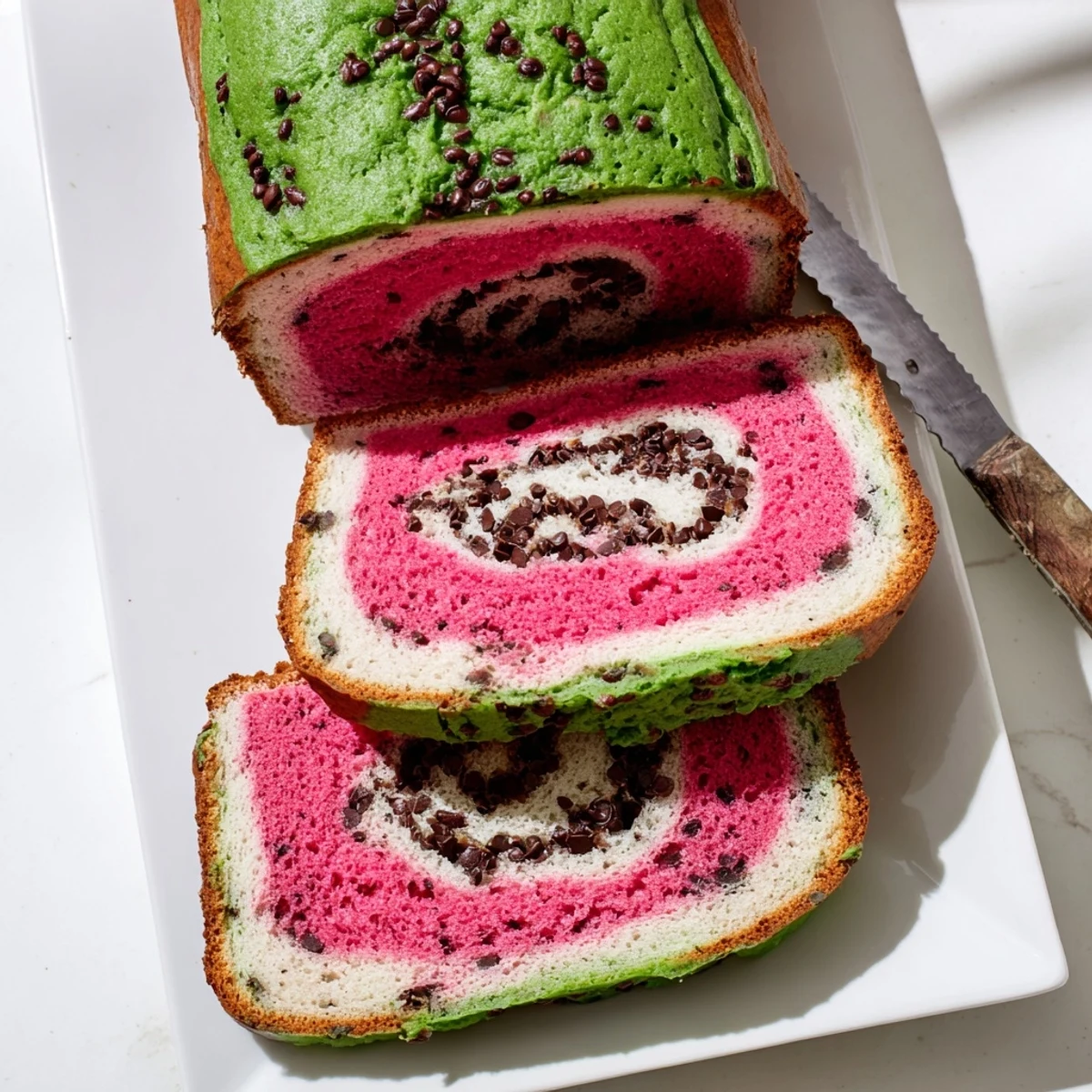
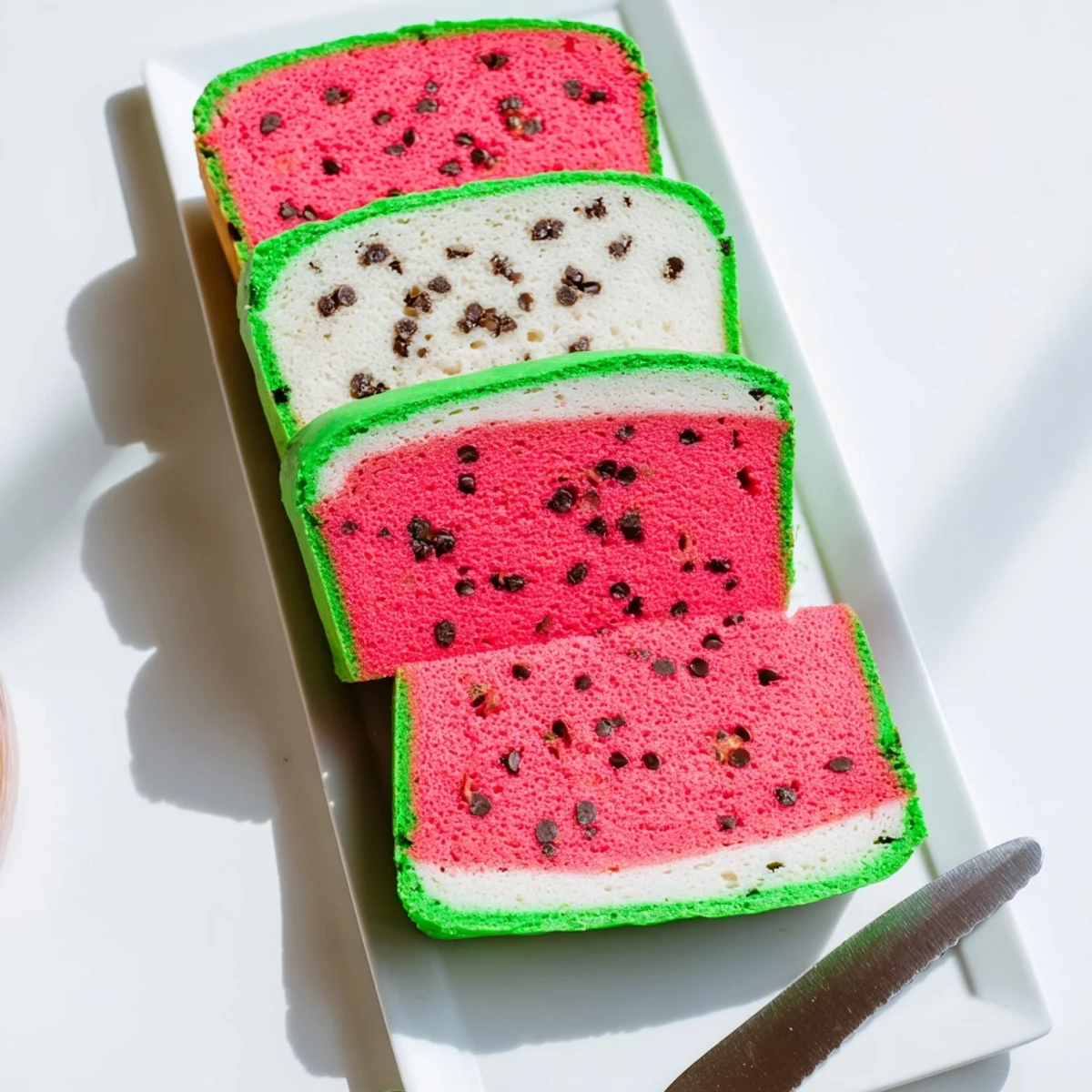
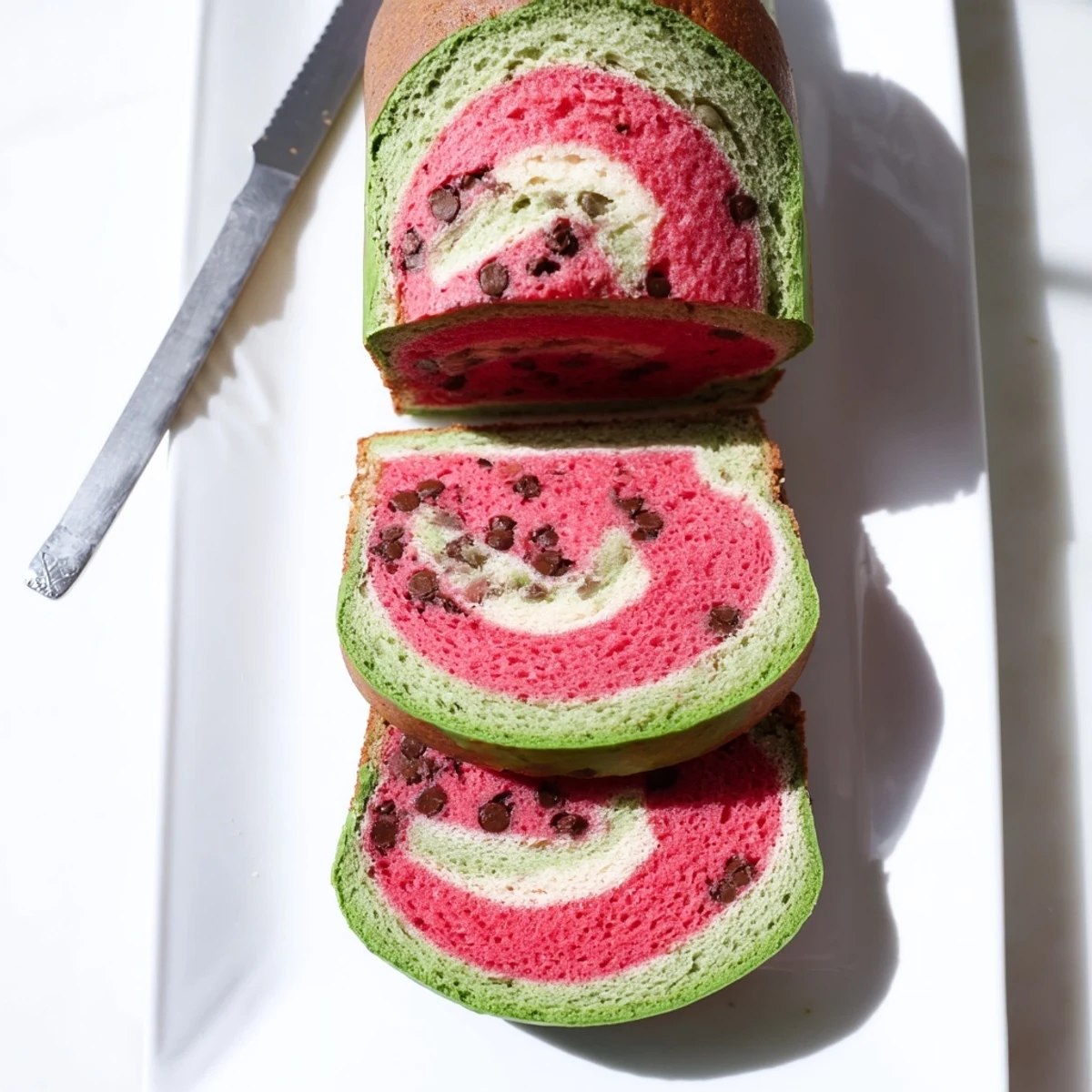
 This playful watermelon-inspired loaf features three vibrant dough layers creating the classic rind, flesh and seed pattern. The pink center gets its color from food coloring and watermelon extract, studded with mini chocolate chips mimicking seeds. A white middle layer represents the rind while green-dyed outer dough completes the look. Beyond the stunning appearance, expect a soft slightly sweet bread perfect for summer gatherings. The tender crumb works beautifully toasted with butter or as sandwich bread for creative lunches.
My sister called me at 7am on a Tuesday, breathless about some viral bread that looked like sliced watermelon. I rolled my eyes, naturally, until she showed up at my door that weekend with three bowls of dyed dough and zero patience for my skepticism. Turns out, watching those rainbow layers bake into something that actually fooled her kids was the most fun I'd had in my kitchen in months. Now every summer, someone asks when I'm making 'that bread' again.
Last July, I made three loaves back to back because my nieces kept 'accidentally' finishing each one before their friends could see the inside. The best part was watching my brother-in-law小心翼翼 slice the first piece, squinting at it like it might be some kind of elaborate prank. Now he requests it for every potluck, claiming he needs to 'verify the authenticity' again.
Ingredients
- Bread flour: The higher protein content creates that tender yet structured crumb that holds all those colorful layers together beautifully
- Active dry yeast: Gives reliable rise even with all the food coloring added, just make sure your milk is warm not hot to the touch
- Unsalted butter: Softened to room temperature so it incorporates evenly without leaving greasy pockets in your dough
- Mini chocolate chips: These mimic the seeds perfectly and stay suspended in the dough without sinking to the bottom during baking
- Gel food coloring: Much more concentrated than liquid versions, giving you that vibrant watermelon red and leafy green without adding extra moisture to your dough
- Watermelon extract: Optional but adds a subtle fruity hint that makes the whole experience more convincing
Instructions
- Mix your base dough:
- Combine the flour, sugar, yeast and salt in your stand mixer, then pour in warm milk, egg and softened butter. Knead for 8 to 10 minutes until the dough feels smooth and springs back when you poke it gently.
- Divide into three portions:
- Weigh out your dough so 60% becomes the red center, 25% makes the white rind, and 15% becomes the green skin. This ratio gives you that authentic watermelon cross-section when sliced.
- Add the colors:
- Knead red coloring and watermelon extract into the largest portion, then fold in those chocolate chip seeds. Leave the medium portion plain for white, and mix green coloring or matcha into the smallest ball.
- Let the dough rise:
- Place each colored dough in its own greased bowl, cover with a damp towel, and walk away for an hour. They should all double in size, looking like little rainbow clouds in your kitchen.
- Shape the loaf:
- Flatten the red dough into a log the length of your pan, wrap the white dough around it like a blanket, then wrap the green dough around both. Pinch all the seams tightly so the layers stay distinct during baking.
- Second rise and bake:
- Let the loaf puff up for 30 to 45 minutes in the pan, then bake at 350°F for 30 to 35 minutes. Tent with foil if the green crust starts getting too dark.
- Cool completely before slicing:
- This is the hardest part but essential, let it cool for 10 minutes in the pan then another hour on a rack. Cutting into warm bread will smash those gorgeous layers you worked so hard to create.
 Save to Pinterest
 My neighbor's five-year-old stood on a chair to watch me slice this, eyes wide, then whispered 'Is it magic?' The way the house smelled like a bakery while all that dough was rising was pretty magical too.
Getting Even Layers
After dozens of loaves, I learned that rolling each dough portion between parchment paper keeps the layers uniform and prevents sticking to your counter. The white rind should be about 1/4 inch thick, no more, or you will not get that satisfying color contrast when you slice into the finished bread.
Color Secrets
Mix your coloring into each dough portion before the first rise, letting the dough rest for 5 minutes after kneading in the color. This gives any overworked gluten a chance to relax and makes the color distribute more evenly throughout.
Storage And Serving Ideas
This bread stays surprisingly soft for three days when wrapped tightly, though it rarely lasts that long in my house. Toasted slices with salted butter are divine, but it also makes the most outrageous French toast you have ever had.
- Try it as sandwich bread with cream cheese and fresh berries
- Cube stale bread and bake into croutons for summer salads
- The green crust makes excellent breadcrumbs for coating chicken
 Save to Pinterest
 There is something deeply satisfying about food that does not take itself too seriously. Make this bread, share it with someone who needs a little joy, and watch what happens when they slice into it.
Common Questions
- → What does watermelon bread taste like?
-
The flavor is subtly sweet with hints of fruity watermelon essence if using extract. The base tastes like soft slightly enriched bread similar to brioche or milk bread. Chocolate chips add gentle sweetness throughout.
- → Can I make watermelon bread without food coloring?
-
Natural alternatives work well. Use beet juice or raspberry purée for pink, matcha powder provides green, while leaving the middle portion plain white creates authentic-looking layers.
- → How long does watermelon bread stay fresh?
-
Store wrapped tightly at room temperature for up to three days. For longer storage, slice and freeze individual portions in freezer bags for up to three months.
- → Why did my colors turn out dull?
-
Gel food coloring produces more vibrant results than liquid versions. Add coloring gradually during kneading until achieving desired intensity. Dough color deepens slightly after baking.
- → Can I make this dairy-free?
-
Substitute warm plant milk for dairy milk and use vegan butter or coconut oil. Egg replacement flax or commercial egg replacer works well in this enriched dough.
- → What's the best way to slice watermelon bread?
-
Wait until completely cooled before slicing with a serrated knife using gentle sawing motions. This preserves the distinct layers and prevents squishing the soft crumb.