
 Save to Pinterest
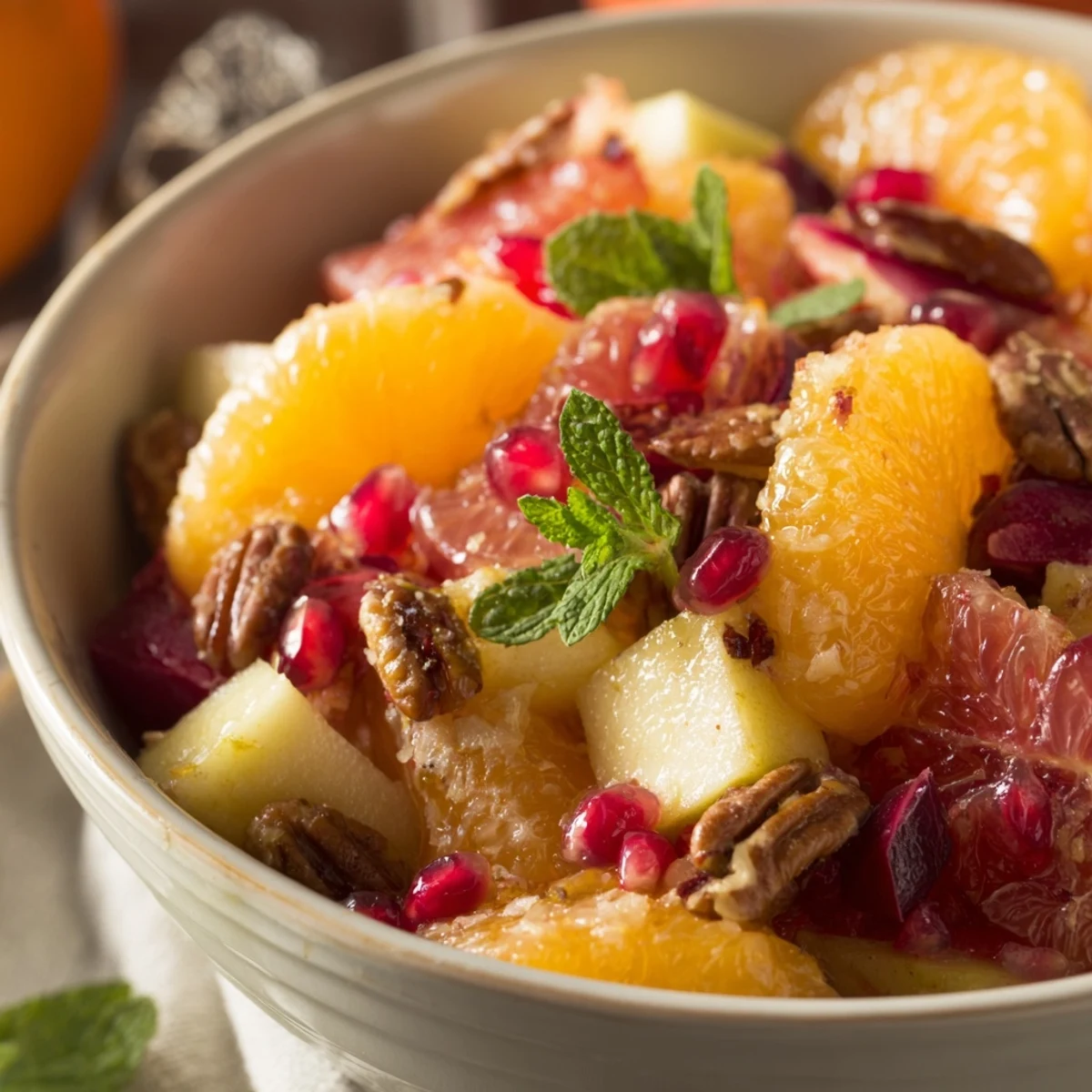
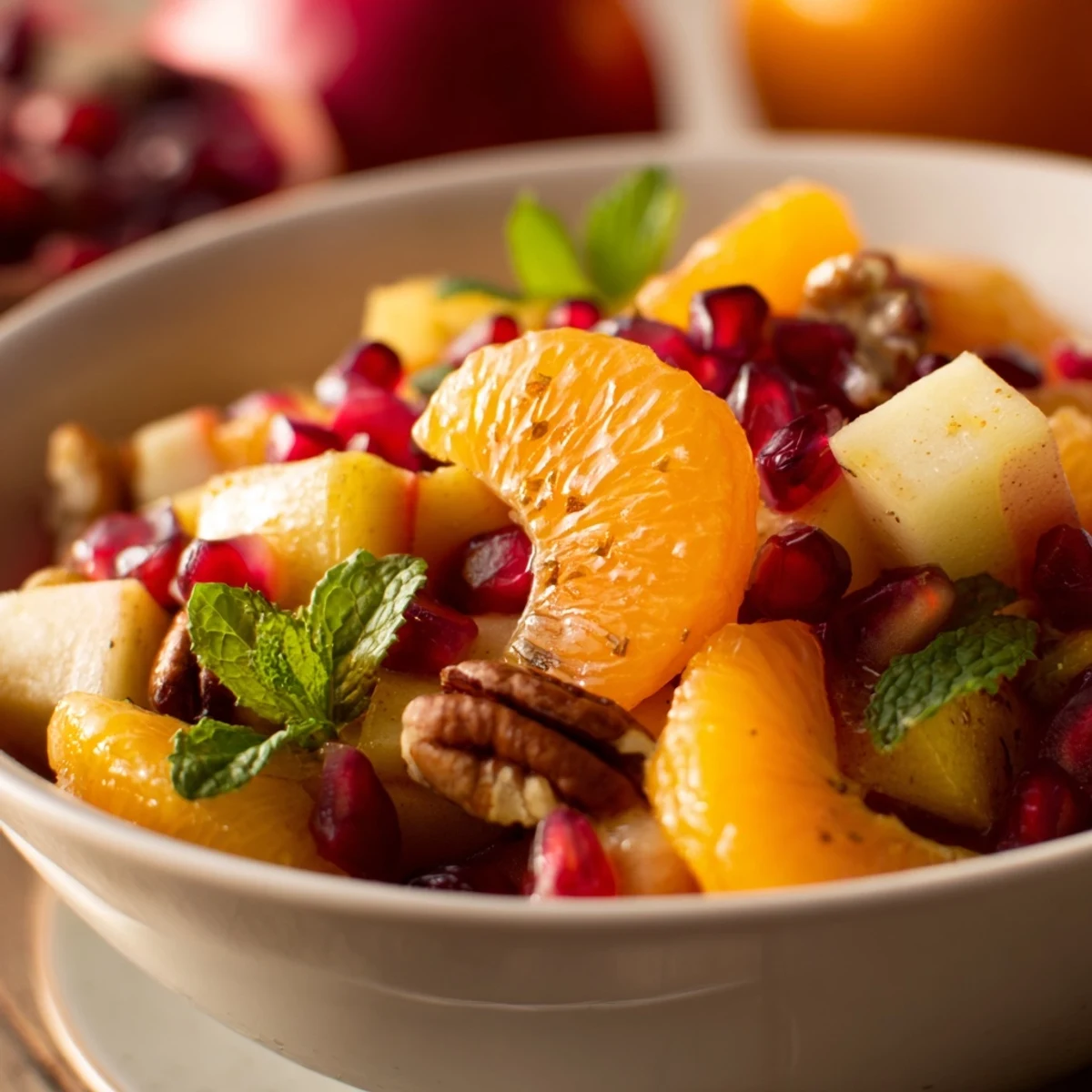
 This vibrant winter salad combines juicy oranges, grapefruit, apples, pears, and pomegranate seeds for a burst of freshness. Tossed with a tangy lemon and honey dressing infused with cinnamon and orange zest, it offers a perfect balance of sweet and zesty flavors. Garnished with chopped mint and toasted nuts, it's ideal for brightening chilly days. Quick to prepare with no cooking required, this salad is both nutritious and visually appealing.
There's a particular magic to January mornings when the farmers market overflows with citrus I'd almost forgotten existed—those electric orange globes, grapefruit heavy as small stones, pomegranate bursting with jeweled seeds. I assembled this salad almost by accident one cold afternoon, just grabbing whatever looked alive and bright, and something about that careless combination of winter fruits became exactly what I needed when the days felt endless and gray.
I made this for my sister's unexpected visit during a snowstorm, and watching her light up at something so uncomplicated reminded me that the best meals aren't about impressing anyone—they're about the small act of putting something beautiful in front of someone you love and letting them enjoy it.
Ingredients
- Oranges: Fresh citrus is non-negotiable here; they should smell bright and feel heavy for their size, a sign of proper juice inside.
- Grapefruit: Go for pink or red varieties if you see them—the color deepens everything, and the slight bitterness balances the sweetness perfectly.
- Apples: Choose something crisp like Granny Smith or Honeycrisp; they hold their texture and won't turn mushy like softer varieties do.
- Pear: Pick one that yields just slightly to pressure—overripe and it dissolves, underripe and it tastes like nothing.
- Pomegranate seeds: If you're seeding one fresh, do it in a bowl of water so the juice doesn't stain everything you own.
- Red grapes: A quiet addition that adds a textural surprise halfway through each spoonful.
- Banana: Optional but I've stopped adding it; apples do the job better, though some people swear by the creaminess it brings.
- Lemon juice: Fresh is everything—bottled tastes flat and chemical in something this simple.
- Honey or maple syrup: The sweetener dissolves into the dressing and lets the fruit taste like itself rather than candy.
- Cinnamon: Just a whisper of it—enough to make you wonder what that warm note is without tasting spice directly.
- Orange zest: Grate it fine; those tiny fragments carry the oil and brightness that make the dressing memorable.
- Fresh mint: Adds a cool snap that makes each bite taste fresher than it actually is.
- Toasted nuts: The crunch matters; soggy nuts defeat their entire purpose, so add them right before serving.
Instructions
- Prep your fruit like you're arranging flowers:
- Take your time peeling the citrus—let your knife follow the natural curve of the fruit so you lose less flesh to the blade. As you work, the smell will build, and you'll know you're on the right track when your hands are sticky with juice.
- Build the foundation:
- Toss all your prepared fruit into a large bowl; this is easier than it sounds and takes about five minutes if you go slowly. Don't rush the mixing—let your hands feel the different textures and temperatures.
- Whisk your magic:
- In a small bowl, combine the lemon juice, sweetener, cinnamon, and orange zest; the mixture should smell warm and alive. If you taste a tiny drop on your finger, it should be bright but not mouth-puckering.
- Marry it all together:
- Pour the dressing over the fruit and use your hands or a wooden spoon to gently fold everything—you're coating, not crushing. Listen for the gentle squelch of fruit releasing more juice as you work.
- Finish with ceremony:
- Transfer to whatever vessel you're serving from, scatter mint and nuts across the top, and taste a spoonful before anyone else does. If it needs more sweetness or brightness, adjust now—the dressing will only deepen as it sits.
 Save to Pinterest
 There was a moment when a friend took her first bite and closed her eyes, and I realized that sometimes the most satisfying meals are the ones where the fruit does the talking and you're just there to arrange it properly. That's when this salad stopped being a recipe and became a way of showing up for people.
Why Winter Fruit Matters
Winter gets unfairly blamed for being bleak, but the fruit season is actually one of the year's greatest generosities—citrus bursts with juice and brightness precisely when we need it most, when summer feels like a fading dream. I've learned to lean into this timing rather than wishing for berries in January; when you stop fighting the season, everything tastes better and less like a disappointment.
Building Flavor Layers
The cinnamon isn't there to make this taste like dessert; it's a whisper underneath that deepens the fruit's natural sweetness and makes the citrus feel less acidic. The orange zest does something similar—it echoes the fruit without being repetitive, like a conversation where someone understands exactly what you mean without you having to explain it all over again.
Making It Your Own
This is one of those salads that invites experimentation without demanding it; I've added persimmon in years with good ones, experimented with pomegranate molasses instead of honey when I wanted something sharper, and once swapped the mint for a scatter of fresh basil. The structure is forgiving enough to absorb your preferences.
- Blood orange or cara cara oranges are worth hunting for if you spot them—they taste like winter felt when you were seven years old.
- If nuts are a concern, toasted pumpkin seeds deliver the same crunch and toast them yourself so they're warm and fragrant.
- Serve this cold but not straight from the refrigerator; let it sit out for five minutes so the fruit can taste like itself rather than cold.
 Save to Pinterest
 This salad has become my answer to the question of what to bring when someone asks you to contribute something but gives you no direction. It arrives bright, needs no reheating, and somehow makes winter feel less long.
Common Questions
- → What fruits are best for this winter salad?
-
Oranges, grapefruit, apples, pears, and pomegranate seeds combine to offer a refreshing mix of flavors and textures.
- → Can I substitute nuts in the garnish?
-
Yes, pumpkin seeds can be used as a nut-free alternative to toasted walnuts or pecans.
- → How is the dressing made?
-
The dressing is a simple blend of fresh lemon juice, honey or maple syrup, ground cinnamon, and orange zest whisked together for a balanced zing.
- → Is preparation difficult or time-consuming?
-
This salad is easy to prepare and requires about 20 minutes, with no cooking involved.
- → Can this salad be made vegan?
-
Use maple syrup instead of honey in the dressing to maintain vegan-friendly ingredients.
- → How can I keep the salad fresh before serving?
-
Refrigerate the salad for up to two hours; this helps keep the fruits crisp and flavors melded.