
 Save to Pinterest
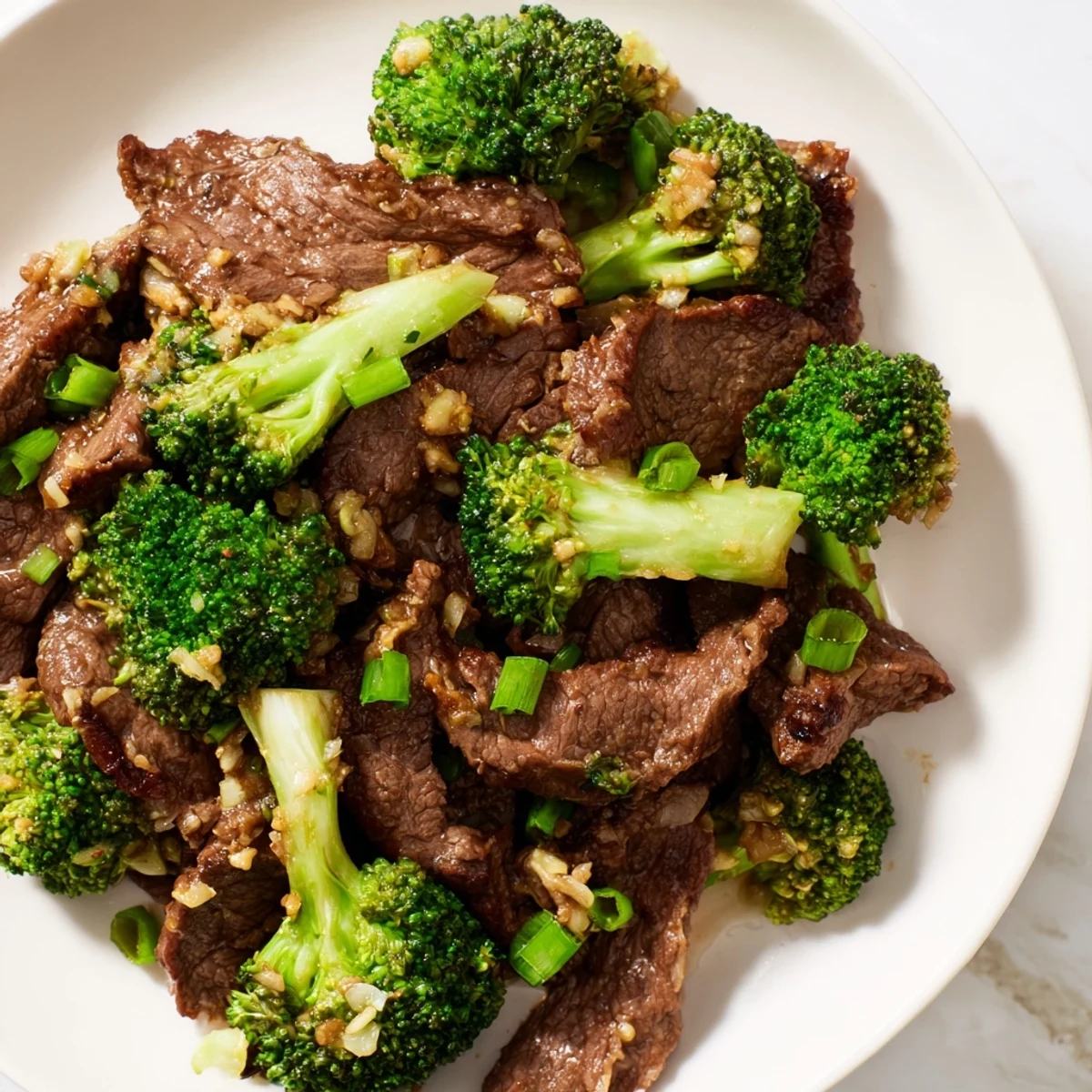
 This dish features tender slices of beef and crisp broccoli florets cooked quickly in a savory ginger and garlic sauce. A balanced blend of soy, oyster sauce, and fragrant sesame oil creates a rich flavor profile while keeping preparation and cooking times short. The beef is seared for a juicy texture while broccoli stays bright and tender. Garnished with sliced green onions and served over jasmine rice or noodles, it offers a satisfying and easy-to-make option perfect for busy evenings.
The first time I smelled ginger hitting hot oil, I was standing in my neighbor's cramped kitchen watching her rescue a Tuesday night with nothing but a wok and determination. She moved like someone who had stopped measuring years ago, and I still remember how the steam carried that sharp, almost medicinal sweetness through her apartment hallway. That smell became my benchmark for what home cooking could feel like: urgent, alive, slightly chaotic.
I made this for my sister the week she moved into her first apartment with a stove that only had two working burners. We ate straight from the skillet because her plates were still packed somewhere in a box labeled "misc," and she kept saying she couldn't believe something this fast tasted like actual effort. The green onions were her idea—she found them growing wild in a planter the previous tenant had abandoned.
Ingredients
- Flank steak or sirloin: Slice it thin and against the grain while it is still slightly cold from the fridge; warm beef shreds instead of slicing cleanly.
- Broccoli florets: Cut them into similar sizes so nothing gets left behind in the pan, and keep some stem attached for better texture.
- Fresh ginger: The jarred kind works in emergencies but grating fresh root releases oils that make the whole kitchen smell like somewhere you want to be.
- Oyster sauce: This is your umami anchor; vegetarian versions exist but read the label for depth of flavor.
- Cornstarch: It transforms liquid into that glossy restaurant-style coating that clings instead of pooling.
- Toasted sesame oil: A small amount at the end perfumes everything; cooking with it from the start wastes its delicate nature.
Instructions
- Build your sauce:
- Whisk everything together in a bowl that gives you room to move, watching the cornstarch disappear completely so you do not get starchy lumps later. The color should be the shade of dark caramel, and the ginger will float in fragrant specks.
- Sear the beef:
- Let the oil shimmer almost to smoking before the meat touches metal; crowding the pan steams instead of browns, so work in batches if your skillet runs small. You are looking for crust, not gray.
- Wake up the broccoli:
- The florets should hit the pan with a sound like applause; if they do not sizzle immediately, wait longer. A tablespoon of water creates steam that softens the centers while the edges keep their bite.
- Bring it together:
- Pour the sauce around the edges of the pan so it heats before hitting the center, then toss everything like you mean it. The transformation happens fast—thirty seconds of distraction and you have a sticky mess instead of a glaze.
- Finish and serve:
- Green onions go on at the last second so they keep their sharpness against the rich sauce. Serve directly from the pan if you want to feel like a hero.
 Save to Pinterest
 This dish became my default for conversations that needed softening—breakups, job rejections, the kind of news that makes people not want to eat but should. There is something about the rhythm of slicing, the predictable sizzle, the way everyone leans in when you lift the lid, that makes hard things feel temporarily manageable.
The Right Pan Makes the Difference
A wok is ideal but a heavy skillet with sloped sides works nearly as well; what matters is surface area and the ability to hold heat when cold ingredients hit. I have made this in a camping skillet over a fire, and the slight char from uneven heat actually improved the whole thing.
Reading Your Broccoli
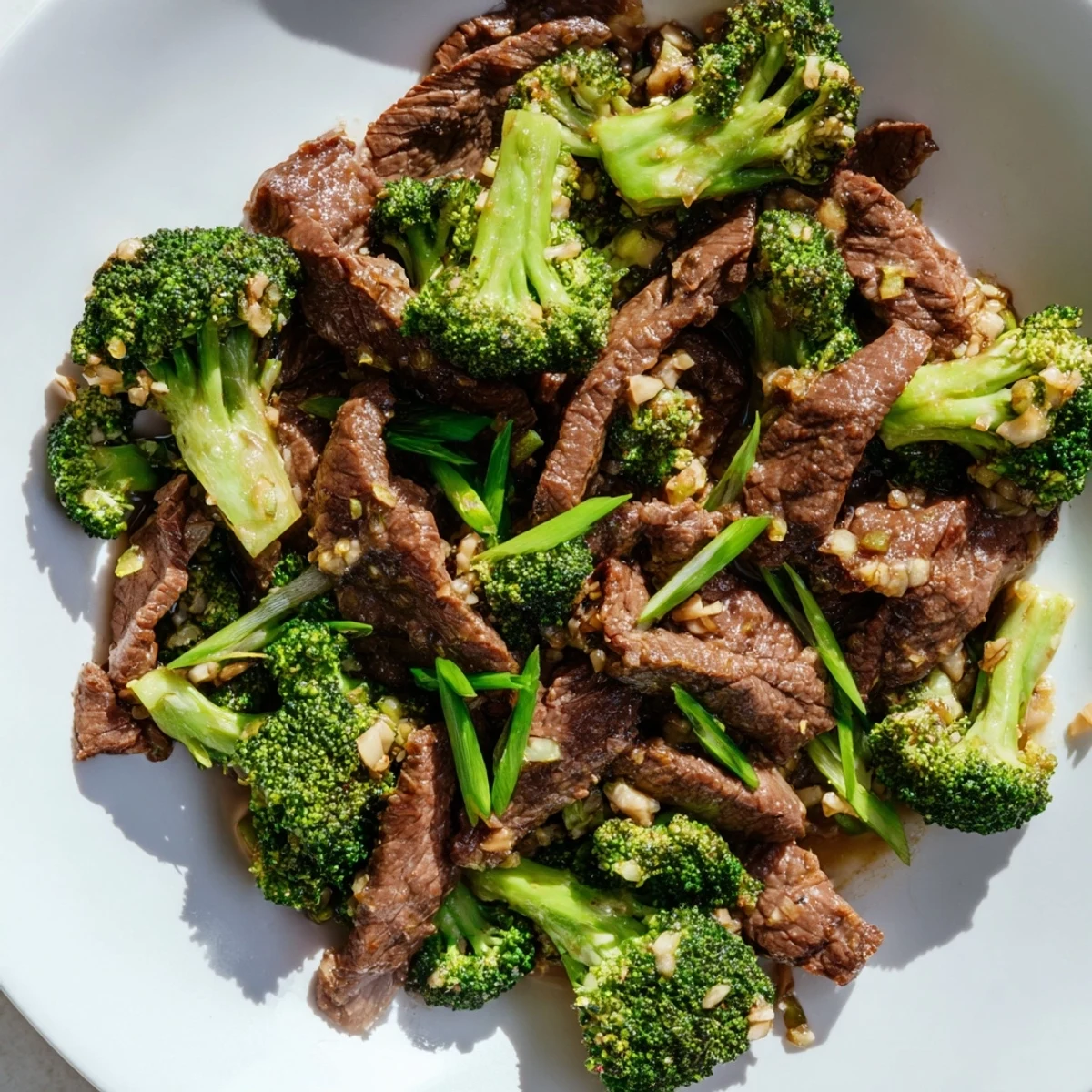
Bright green means you stopped at the right moment; olive green means you pushed thirty seconds too long. The stem should still resist your thumbnail slightly—that resistance becomes pleasant crunch rather than raw toughness.
Sauce Consistency Tricks
If your sauce refuses to thicken, you probably added it to a pan that was not hot enough; remove everything, crank the heat, and reduce the sauce alone before recombining. If it thickens too fast and globs, splash in broth by the tablespoon until it relaxes.
- Doubling the sauce works but do not double the cornstarch linearly—start with one and a half tablespoons and adjust.
- Leftovers reheat surprisingly well if you add a teaspoon of water and cover the bowl to steam.
- The ginger mellows overnight so day-two leftovers taste gentler, which some people prefer.
 Save to Pinterest
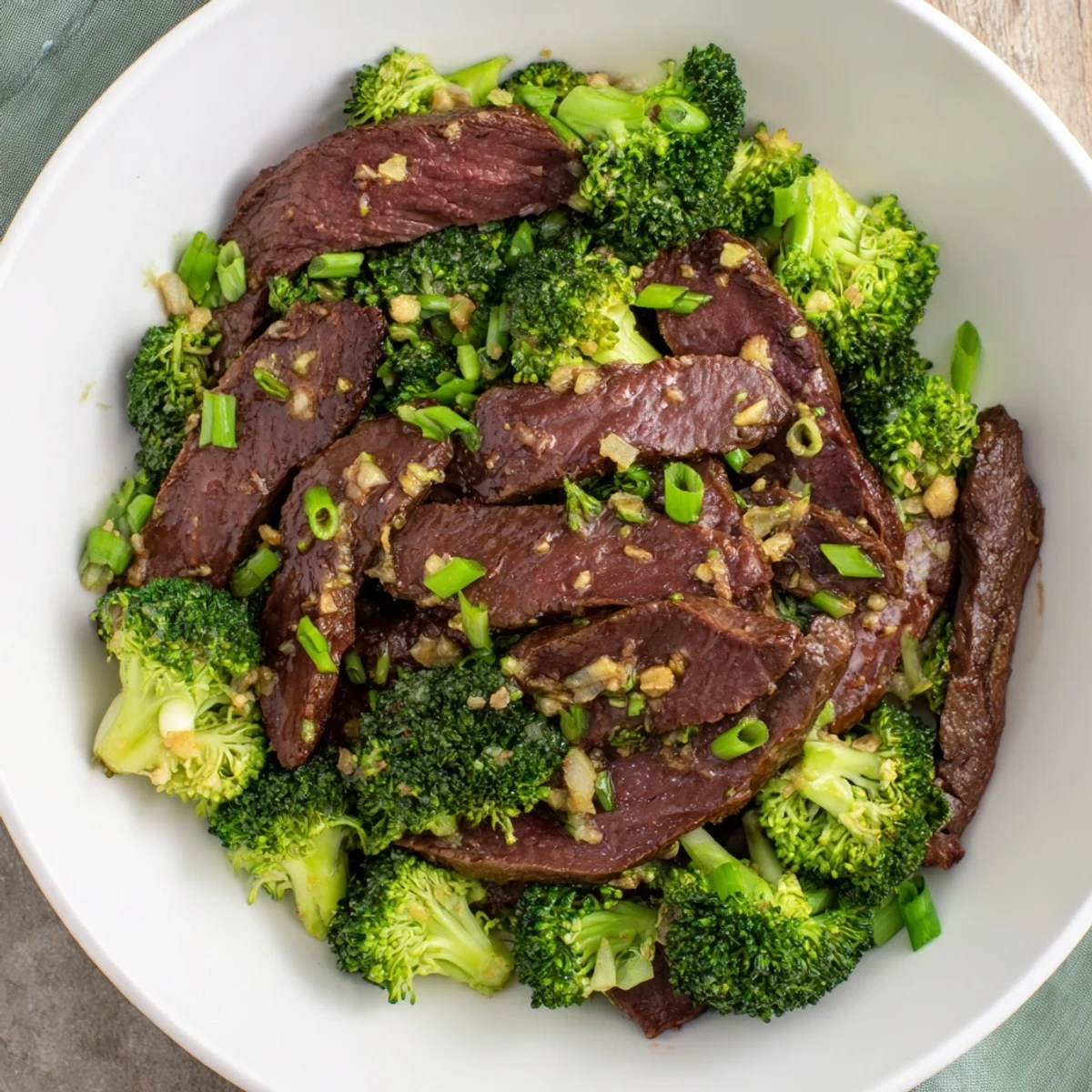
 However this lands on your table, I hope it carries some of that kitchen chaos that makes cooking feel less like following rules and more like figuring things out as you go. The best meals usually do.
Common Questions
- → What cut of beef works best?
-
Flank steak or sirloin thinly sliced against the grain provides tenderness and cooks quickly for this dish.
- → How do I keep broccoli crisp yet tender?
-
Stir-fry broccoli over high heat for 3-4 minutes, adding a splash of water if needed to steam gently without becoming soggy.
- → Can I adjust the sauce for spiciness?
-
Adding 1/2 teaspoon of chili flakes to the sauce gives a pleasant kick without overpowering the flavors.
- → Are there good substitutions for beef?
-
Chicken or firm tofu can be used instead of beef for different protein options while maintaining the dish's essence.
- → What side pairs well with this dish?
-
Steamed jasmine rice or noodles perfectly complement the ginger sauce and balance the meal.