
 Save to Pinterest
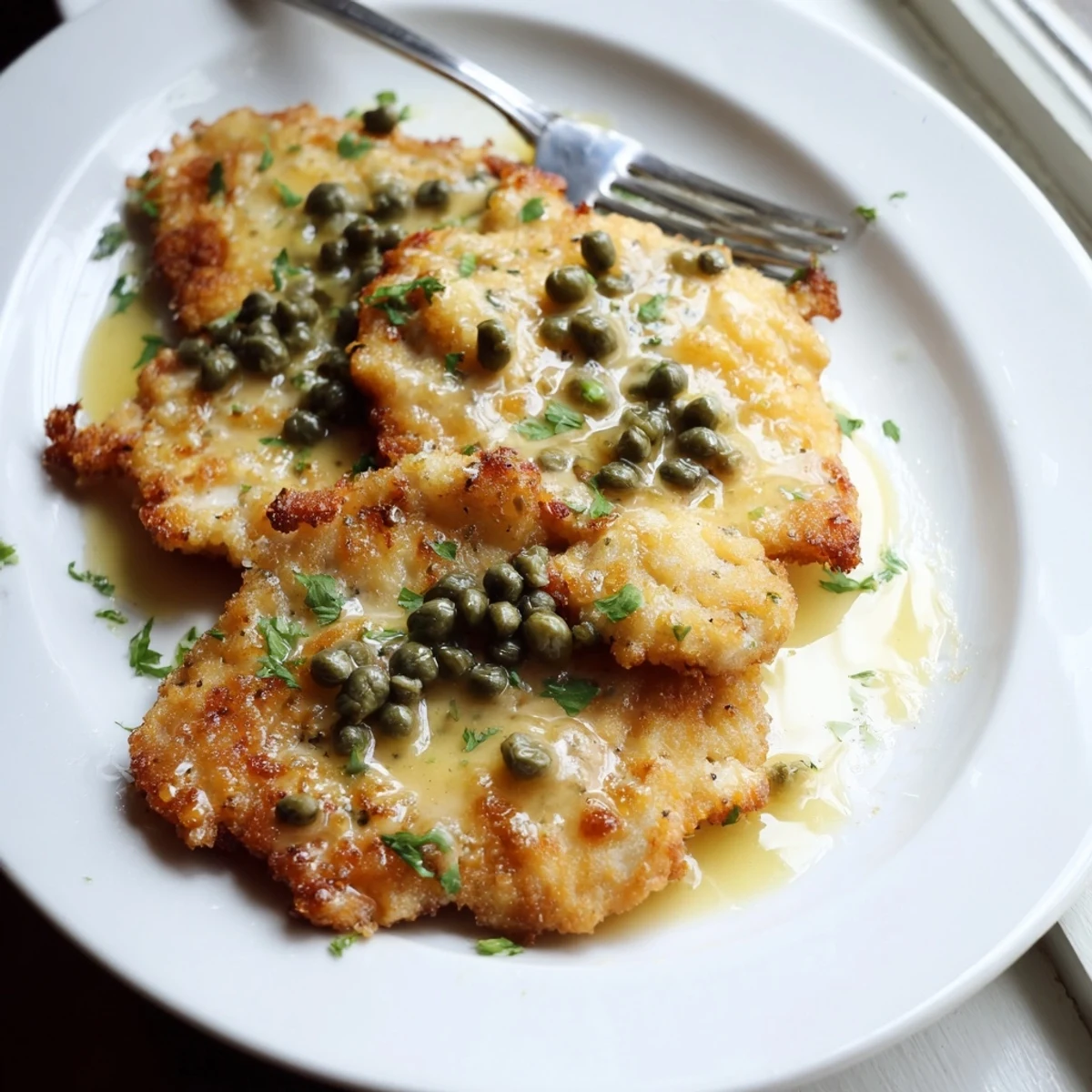
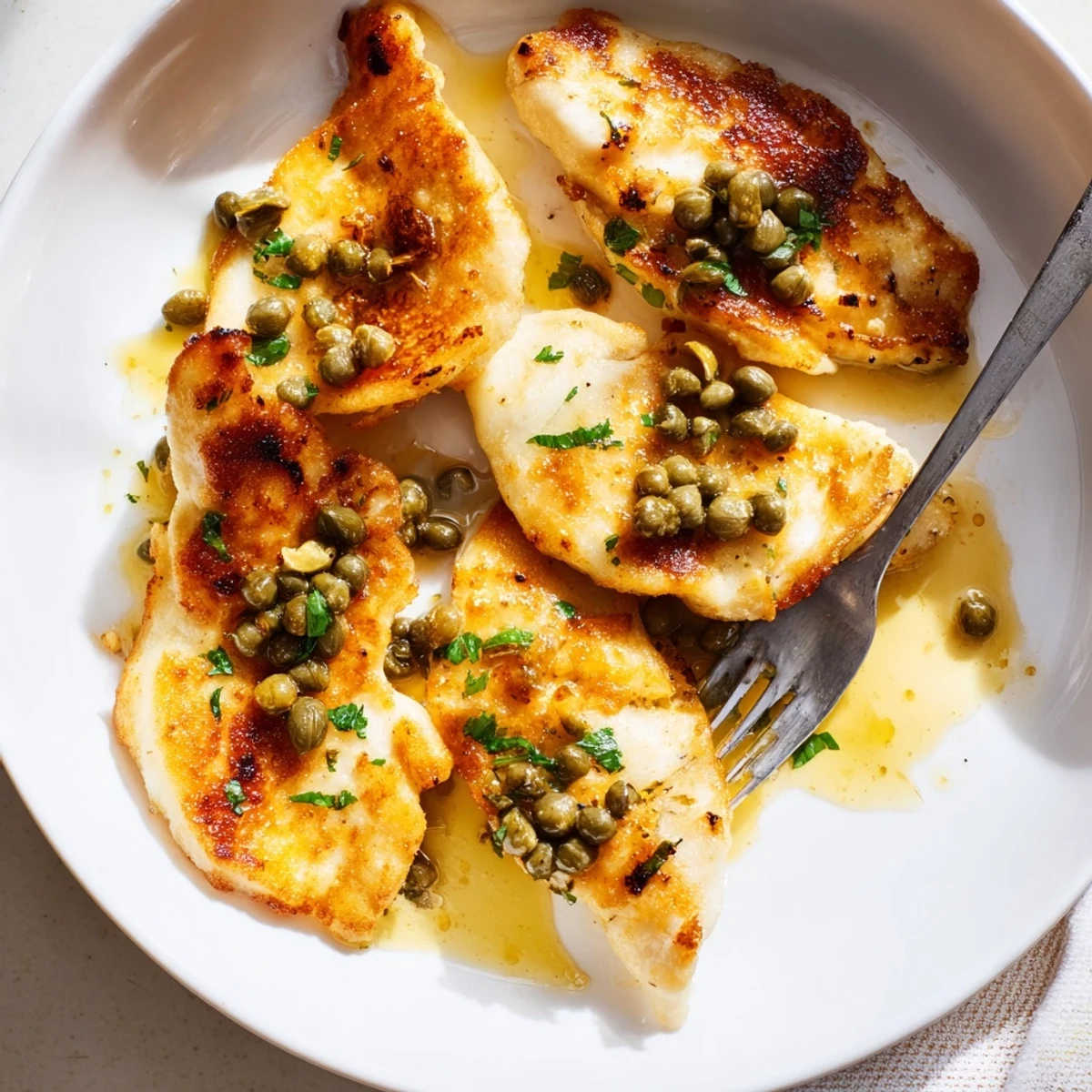
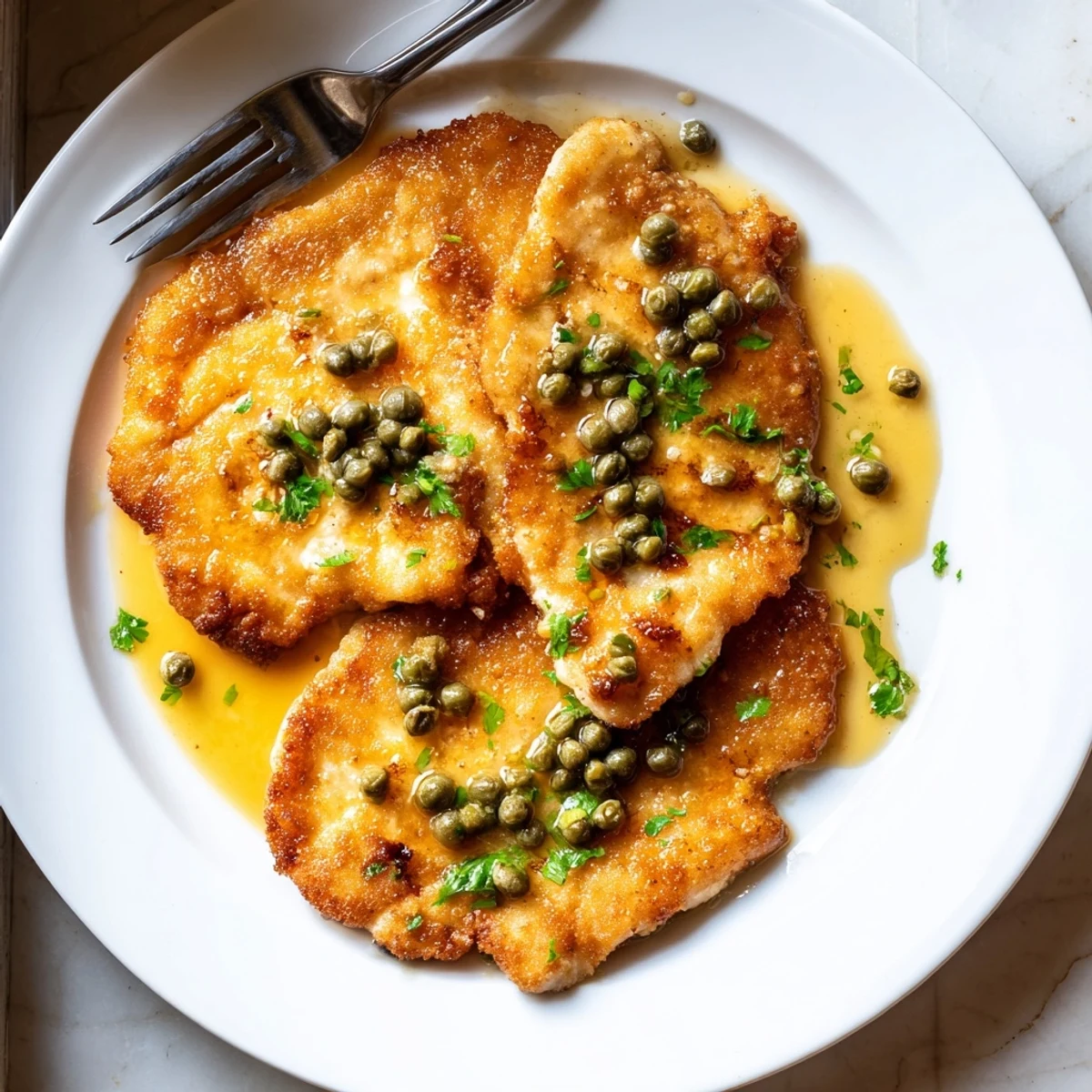
 This Italian-American classic transforms simple chicken breasts into something special. Pound the cutlets thin, dredge in flour, and pan-fry until golden. The magic happens in the sauce—white wine, fresh lemon juice, and briny capers create that signature bright, tangy finish. A swirl of butter and fresh parsley adds richness and color.
Ready in 30 minutes flat, this dish delivers restaurant-quality results with minimal effort. The crispy exterior contrasts beautifully with the tender meat inside, while the sauce balances acidity and richness perfectly.
The first time I made chicken piccata was on a Tuesday night when I needed something that felt special but wouldn't keep me in the kitchen until midnight. The way the lemon hits the hot pan and fills the entire apartment with that bright, citrusy steam still makes me stop what I'm doing and take a deep breath. It's become my go-to when I want restaurant-quality results without the restaurant timeline.
I served this to my brother once, and he literally asked if I'd been secretly taking cooking classes. The capers add these little bursts of briny brightness that make people ask, 'What's in this sauce?' even though they've probably eaten capers a dozen times before. Something about how they soften and mellow in the lemon butter just works magic.
Ingredients
- 4 boneless skinless chicken breasts: Pounding them thin makes them cook evenly and feel incredibly tender
- 1/2 teaspoon salt and 1/4 teaspoon black pepper: Simple seasoning that lets the sauce shine
- 1/2 cup all-purpose flour: Creates that golden crust and helps thicken the sauce naturally
- 2 tablespoons olive oil: High smoke point means beautiful browning without burning
- 4 tablespoons unsalted butter divided: Use half for cooking, half for finishing that velvety richness
- 1/2 cup dry white wine or chicken broth: The foundation of your pan sauce, deglazing all those flavorful browned bits
- 1/3 cup fresh lemon juice: About two lemons worth, and fresh absolutely matters here
- 1/4 cup capers drained and rinsed: Rinse them well to remove excess salt before adding
- 1/4 cup fresh parsley chopped: Adds color and a fresh finish to cut through the richness
Instructions
- Pound the chicken:
- Place each breast between plastic wrap and pound to 1/2-inch thickness for even cooking
- Season and dredge:
- Season both sides with salt and pepper, then coat lightly in flour, shaking off excess
- Sear to golden:
- Heat olive oil and 2 tablespoons butter in a large skillet over medium-high heat, cook chicken 3-4 minutes per side until golden
- Rest the meat:
- Remove chicken to a plate and tent with foil while you make the sauce
- Build the sauce base:
- Pour wine or broth into the hot pan, scraping up browned bits, and simmer 2 minutes
- Add brightness:
- Stir in lemon juice and capers, let simmer another 2 minutes to meld flavors
- Bring it together:
- Return chicken to the skillet, spoon sauce over, and simmer 2-3 minutes until heated through
- Finish with butter:
- Remove from heat and stir in remaining 2 tablespoons butter until melted and glossy
- Garnish and serve:
- Sprinkle with fresh parsley and serve immediately with plenty of sauce spooned over each piece
 Save to Pinterest
 My friend Sarah still talks about the time I made this for her birthday dinner instead of going out. We ended up staying at the table for hours, just picking at the last bits of sauce with bread and talking. Some meals are just meant to be lingered over.
Choosing Your Pan
A large stainless steel or cast iron skillet works best here because you want enough surface area to cook all the chicken without crowding the pan. Crowding creates steam instead of that beautiful golden sear, and you need those browned bits for a flavorful sauce.
The Wine Question
If you don't cook with wine or don't have any open, chicken broth works perfectly fine as a substitute. The wine adds complexity, but the lemon and capers provide plenty of flavor on their own. Use whatever you'd be happy drinking, though nothing so expensive it breaks the bank.
Make Ahead Strategy
You can pound and season the chicken up to a day ahead, storing it between sheets of parchment paper in the refrigerator. The sauce comes together so quickly that there's really no need to make it in advance, but having the prep work done makes weeknight cooking feel effortless.
- Let the chicken come to room temperature for 20 minutes before cooking
- Have your lemon juice measured and ready before you start cooking
- Warm your plates slightly so the sauce stays fluid longer
 Save to Pinterest
 There's something deeply satisfying about a recipe that looks and tastes impressive but comes together in under thirty minutes. This is the kind of cooking that makes you feel like you've got your life together, even on chaotic days.
Common Questions
- → Can I make chicken piccata ahead of time?
-
While best served immediately, you can prepare components ahead. Pound and season the chicken up to 4 hours in advance, refrigerating wrapped tightly. Make the sauce base and reheat gently when ready to serve, adding the final butter and parsley at the last minute for freshness.
- → What can I substitute for white wine in the sauce?
-
Chicken broth makes an excellent non-alcoholic alternative and still provides depth of flavor. For a similar acidity, add an extra tablespoon of lemon juice. Vegetable broth also works well if you prefer to keep it lighter.
- → How do I know when the chicken is cooked through?
-
The chicken should reach an internal temperature of 165°F at the thickest point. Visually, the cutlets will be golden brown on both sides and feel firm when pressed. Since they're pounded thin, they typically cook through in about 3-4 minutes per side.
- → Can I use chicken thighs instead of breasts?
-
Yes, boneless skinless chicken thighs work beautifully. They'll need slightly longer cooking time—about 5-6 minutes per side. Thighs offer more richness and are slightly more forgiving if overcooked. Pound them just as you would breasts for even thickness.
- → What sides pair well with chicken piccata?
-
The classic accompaniments include linguine tossed in olive oil, creamy mashed potatoes, or crusty bread to soak up the sauce. Sautéed spinach, roasted asparagus, or a simple arugula salad with lemon vinaigrette provide fresh contrast to the rich, tangy flavors.
- → Is there a dairy-free version?
-
Absolutely. Substitute all butter with additional olive oil or use a dairy-free butter alternative. The sauce will still be delicious and velvety from the flour-thickened pan juices and lemon-caper combination. Many traditional Italian preparations actually use only olive oil.