
 Save to Pinterest
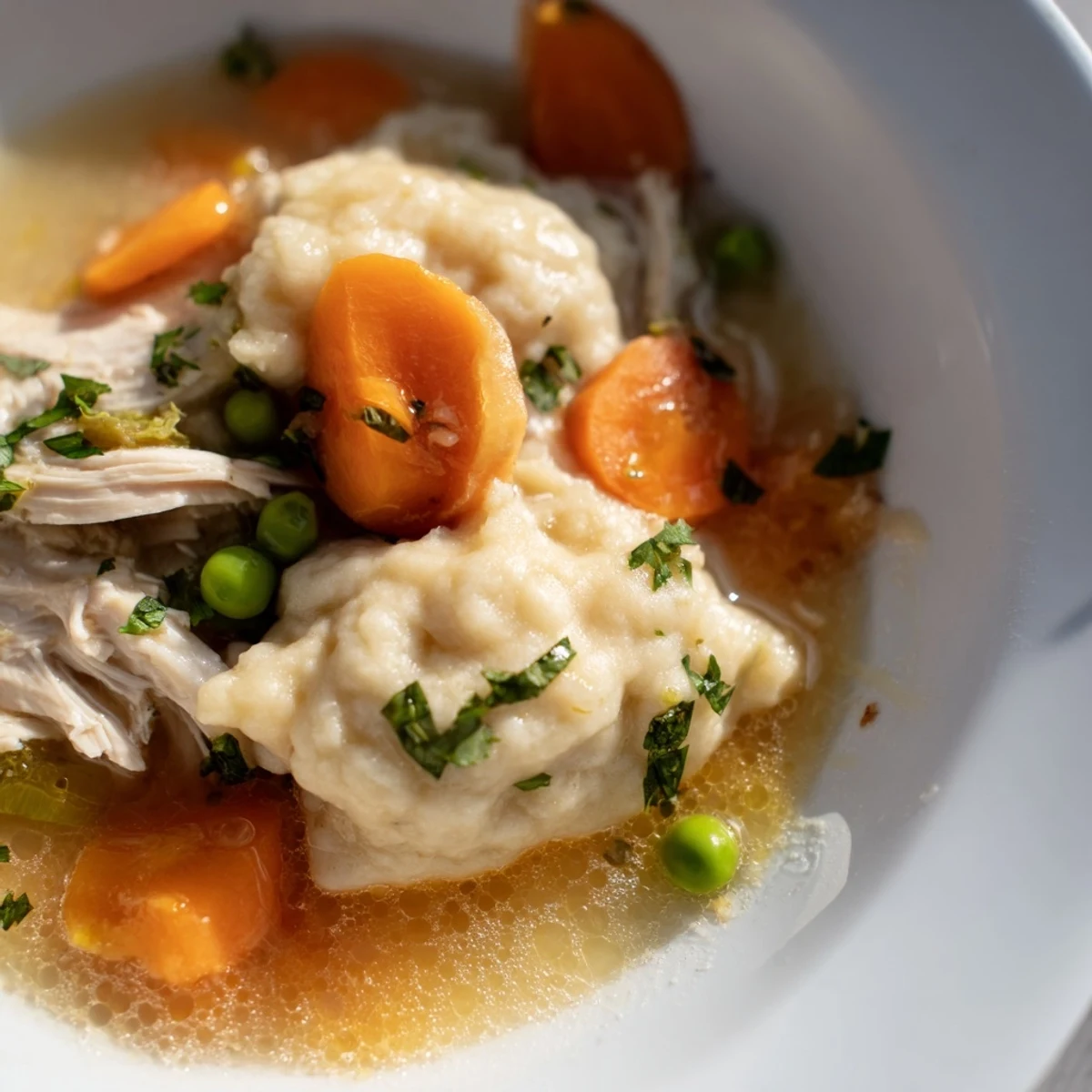
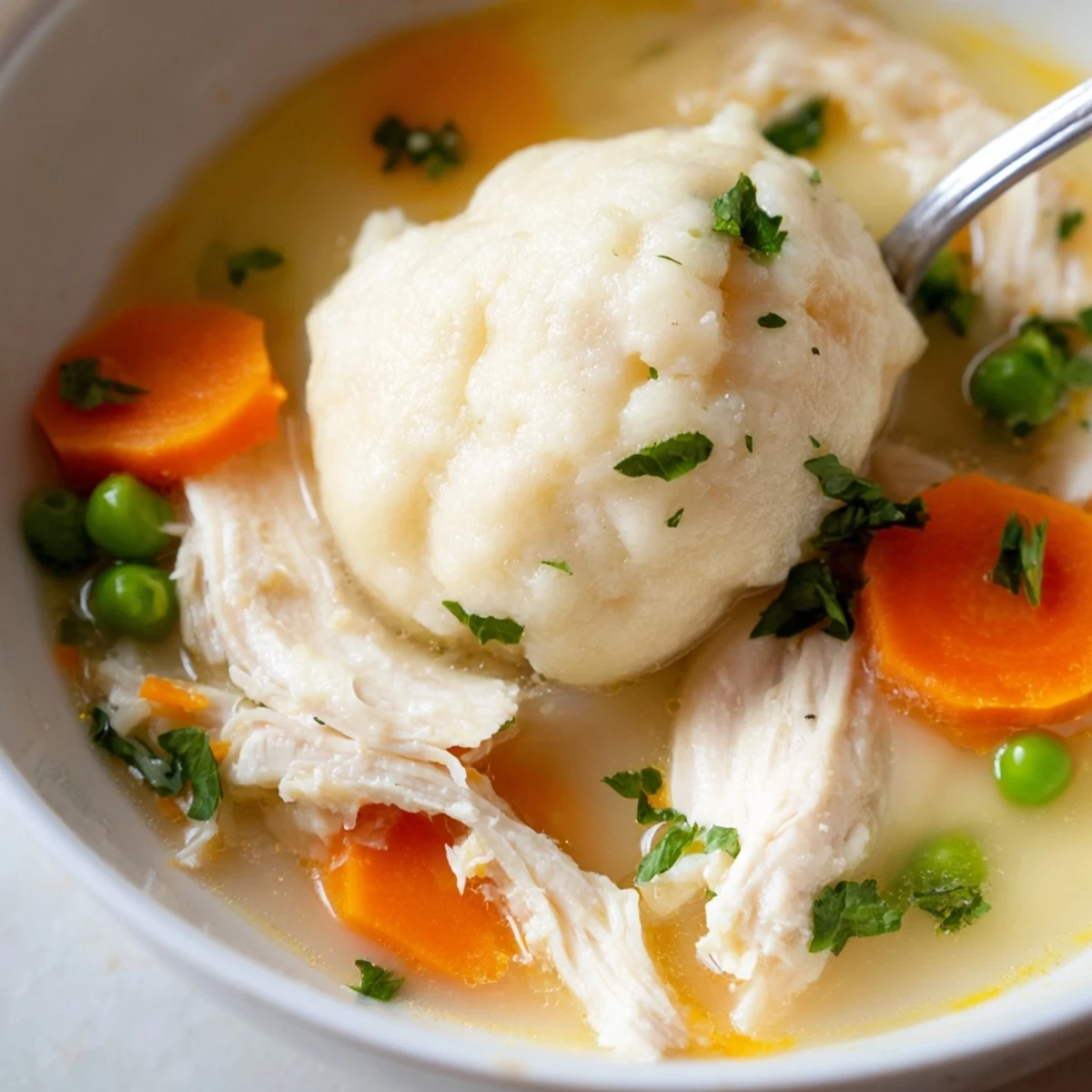
 This comforting dish combines tender chicken simmered in a savory broth infused with bay leaves, thyme, and fresh parsley. Hearty vegetables such as carrots, celery, and peas add natural sweetness and texture. Fluffy dumplings made from flour, butter, milk, and fresh herbs cook atop the simmering broth, soaking up the flavors while offering a soft, satisfying bite. The result is a warming, wholesome dish perfect for cooler days or anytime a nourishing one-pot meal is desired.
There's something about the sound of dumplings hitting hot broth that instantly takes me back to my grandmother's kitchen on cold Sunday afternoons. She'd stand at the stove with this quiet confidence, dropping spoonfuls of dough into the bubbling pot while I watched from a stool, mesmerized by how they'd puff up and transform into these tender pillows. Now when I make this soup, I chase that same feeling—that warmth, that sense of being taken care of by something simple and deeply nourishing.
I made this for my brother after he had a rough week at work, and watching him take that first spoonful—the way his shoulders actually relaxed—reminded me why I love cooking. He asked for seconds before finishing the first bowl, and that's when I knew the recipe was worth keeping close.
Ingredients
- Unsalted butter (2 tbsp for soup, 2 tbsp for dumplings): It's the foundation of flavor here; don't skip it or substitute oil, as the richness is what makes this feel homemade rather than rushed.
- Medium onion, diced: The softer you cook this, the sweeter and more mellow it becomes—this is where the soup's soul lives.
- Carrots and celery, sliced: These are your aromatic base; let them get golden and tender before adding anything else.
- Garlic cloves, minced: Add it after the softer vegetables or it'll turn bitter; that one minute of cooking is all it needs.
- Bone-in, skinless chicken thighs or breasts (1 kg): Thighs stay more forgiving and flavorful than breasts, but either works if you watch the timing.
- Bay leaves and dried thyme: These two herbs do the heavy lifting; they perfume the entire pot without overwhelming it.
- Salt and pepper: Season gently at first and taste as you go—the broth concentrates as it simmers.
- Low-sodium chicken broth (2.5 L): This is worth spending a bit more on; cheap broth makes cheap-tasting soup, while good broth carries the whole dish.
- Frozen peas: Frozen is actually better than fresh here because they won't turn to mush in the hot broth.
- Fresh parsley: Add most of it near the end so it stays bright green and doesn't fade into the background.
- All-purpose flour and baking powder: This ratio is what makes the dumplings light rather than dense; don't skip the baking powder.
- Whole milk: This keeps the dumplings tender and slightly fluffy; don't use water or they'll be tough.
Instructions
- Build your flavor base:
- Melt butter in your pot and let the onion, carrots, and celery soften slowly over medium heat—this takes about 5 to 6 minutes and you'll smell when it's right, a gentle sweetness in the air. Add garlic last so it just gets fragrant without browning, which would turn it bitter.
- Poach the chicken:
- Add the chicken, bay leaves, thyme, salt, and pepper, then pour in your broth and bring it to a boil before dropping the heat to a gentle simmer. Cover and let it cook for 25 to 30 minutes; the chicken is ready when it shreds easily with a fork, no pink remaining.
- Shred and return:
- Pull the chicken out onto a plate and use two forks to tear it into bite-sized pieces, tossing out the bones and skin. Stir the shredded chicken back into the pot so it absorbs all those beautiful flavors.
- Add the vegetables and aromatics:
- Stir in the frozen peas and fresh parsley, then bring everything to a gentle simmer—this is important because you want the broth calm when you drop in the dumplings.
- Mix the dumpling dough:
- Whisk flour, baking powder, and salt together in a bowl, then stir in the melted butter, milk, and parsley until just barely combined. The key is not to overmix; lumpy is fine and actually preferable—overmixed dumplings turn tough and dense.
- Drop and cover:
- Using a tablespoon or a small scoop, drop dollops of dough onto the surface of the simmering soup, leaving space around each one so they can puff up. Cover the pot tightly and don't peek for 15 minutes; the steam is what cooks them through.
- Finish and serve:
- After 15 minutes, lift the lid and look for dumplings that are puffy and cooked through, no longer sticky or doughy on top. Taste the broth, adjust salt and pepper if needed, fish out the bay leaves, and ladle into bowls with a garnish of fresh parsley.
 Save to Pinterest
 The first time someone told me this soup reminded them of home, I realized it had become more than just dinner—it was a bridge to someone else's memories, their own kitchen, their own version of comfort. That's when I understood why this dish gets made over and over, why it stays in families.
Why This Soup Matters
Chicken soup is one of those dishes that exists in almost every cuisine because it's answering the same human need: the desire to be nourished, warmed, and cared for. The dumplings aren't just filler; they're the soul of the dish, that cloud-like moment when you bite through to warmth and flavor. There's a reason people make this when someone is sick, when someone is sad, when they want to say I'm thinking of you without using words.
On Timing and Patience
This isn't a rushed recipe, and that's part of its magic—the slow simmer gives the broth time to deepen, the chicken time to become tender enough to shred by hand, the vegetables time to surrender their sweetness. When you're standing there waiting for those dumplings to puff, it feels longer than 15 minutes, but that's okay; good things rarely happen at top speed. The anticipation is part of the experience.
Variations and Additions
Once you understand how this soup works, you can bend it to your own tastes without breaking it. Some people add fresh dill or tarragon instead of thyme, others swap in egg noodles for dumplings, and some add spinach or kale near the end for color and nutrition. The formula is solid enough that you can play with it, learn from it, make it yours.
- For a gluten-free version, swap in your favorite gluten-free flour blend and your dumplings will turn out just as fluffy.
- If you have homemade broth on hand, use it instead—the difference is subtle but real, like the difference between a song and the same song played live.
- Leftover soup keeps beautifully in the fridge for three days, and the flavors actually deepen as everything sits together.
 Save to Pinterest
 Make this soup when you want to feel like someone who knows what they're doing in the kitchen, because you will be. Make it when someone you love needs comfort, and watch how quickly a bowl disappears.
Common Questions
- → How do I ensure dumplings stay fluffy?
-
Mix dumpling dough gently to avoid overworking gluten, and drop spoonfuls onto simmering broth without stirring post addition. Cover the pot and cook gently to allow dumplings to puff evenly.
- → Can I use different cuts of chicken?
-
Yes, bone-in, skinless thighs or breasts both work well, providing tender meat and flavorful broth when simmered properly.
- → What herbs enhance the broth's flavor?
-
Bay leaves, dried thyme, and fresh parsley create a balanced, aromatic profile. Adding dill or tarragon can offer a fresh herbal twist.
- → How to make the broth richer?
-
Using homemade chicken broth or simmering bones longer intensifies flavor and adds depth to the soup base.
- → Can this dish be adapted for gluten-free diets?
-
Substitute all-purpose flour in dumplings with a gluten-free blend suitable for baking to maintain texture and rise.