
 Save to Pinterest
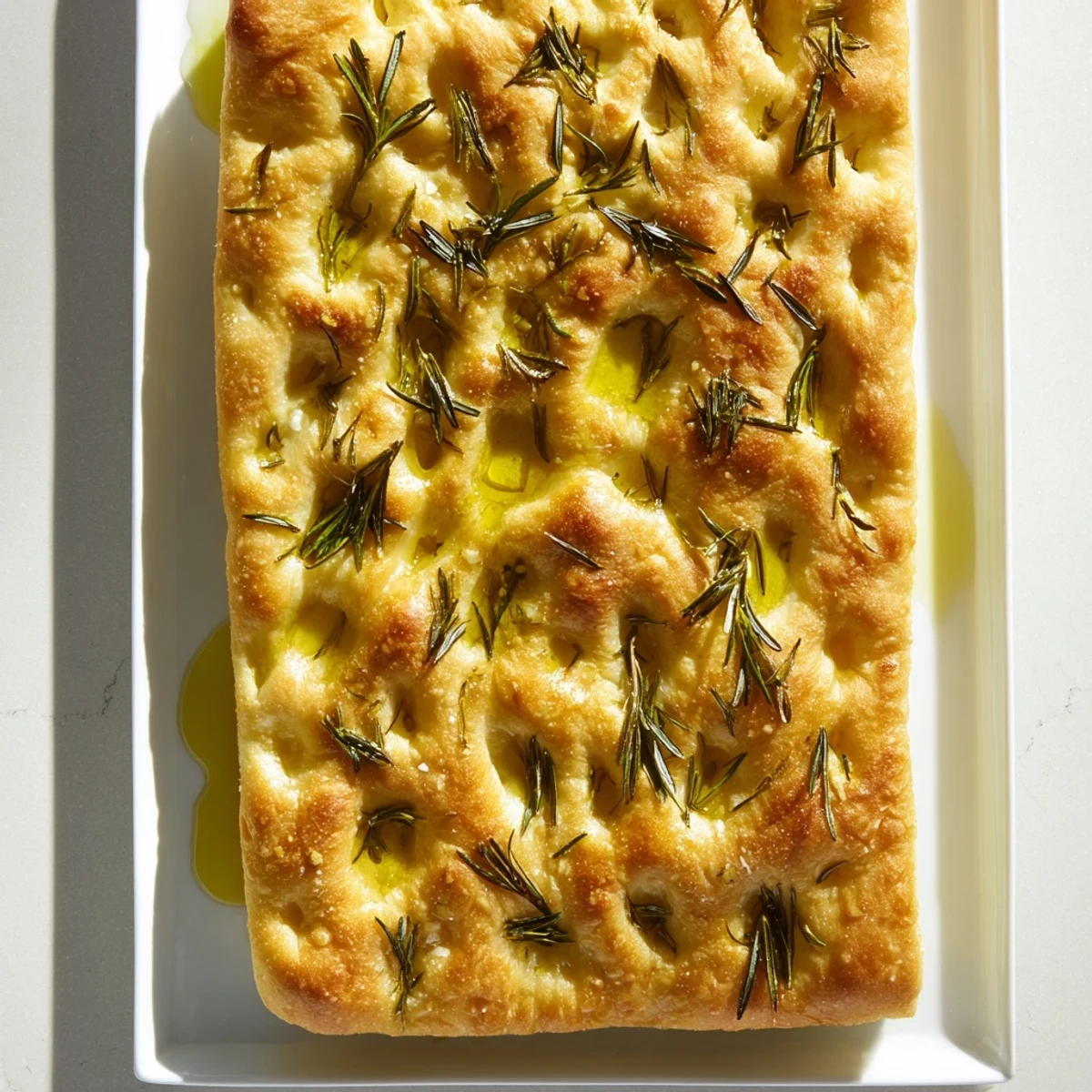
 This traditional Italian flatbread delivers the perfect balance of textures—crisp and golden on the outside, irresistibly soft and airy within. The dough develops its signature dimpled surface through a simple rising process, then gets generously brushed with extra virgin olive oil and sprinkled with aromatic rosemary and flaky sea salt. Ready in about 2.5 hours with mostly hands-off time, this versatile bread shines as an appetizer, sandwich base, or accompaniment to soups and salads.
The apartment smelled like a bakery in Liguria the afternoon I burned my first batch of focaccia, too busy talking on the phone to notice the timer. That charred disaster taught me more about dough than any cookbook ever did, and honestly, Ive been chasing that perfect golden crust ever since. There is something almost meditative about pressing your fingertips into soft dough, creating those little pools that catch olive oil like tiny mirrors. This recipe is the one that finally got it right.
My neighbor Carla once knocked on my door just as I pulled a tray of this from the oven, and we ended up standing in the hallway tearing off warm pieces with our bare hands until half the loaf was gone. No plates, no napkins, just two people and a slab of bread that tasted like sunshine. She now texts me every Friday asking if Im baking.
Ingredients
- Bread flour (500 g): Bread flour has higher protein than all purpose, which gives focaccia its signature chew and structure.
- Salt (10 g): Dont skimp here, salt tightens the gluten network and deepens every flavor in the crumb.
- Active dry yeast (7 g): One standard packet is all you need, and watching it bloom frothy in warm water never gets old.
- Lukewarm water (325 ml): Think baby bottle temperature, too hot kills the yeast and too cold puts it to sleep.
- Extra virgin olive oil (50 ml for dough, 2 tbsp for topping): This is the soul of focaccia, use the good stuff and your kitchen will smell like the Italian countryside.
- Sugar (1 tsp): Just enough to wake up the yeast and give it something to feed on.
- Fresh rosemary (1 tbsp chopped): Fresh needles make the dough smell like a hillside garden, but dried works in a pinch.
- Flaky sea salt (1.5 tsp): Those crunchy crystals on top are what make each bite satisfying, use Maldon if you have it.
- Optional olives or cherry tomatoes: Press them gently into the dough and they roast into sweet, salty jewels.
Instructions
- Wake up the yeast:
- Dissolve the yeast and sugar in lukewarm water and let it sit undisturbed for about ten minutes until the surface looks like creamy foam. If nothing happens, your yeast is dead and you need to start fresh.
- Bring the dough together:
- Pour the flour and salt into a large bowl, create a well in the center, and add the yeasty water along with the olive oil. Stir with a wooden spoon until you have a shaggy, sticky mass that clings to everything it touches.
- Knead with patience:
- Turn the dough onto a lightly floured counter and work it for eight to ten minutes, pushing it away with the heel of your palm and folding it back. You will feel it transform from a ragged lump into something smooth, springy, and alive under your hands.
- Let it rise:
- Place the dough in an oiled bowl, cover it with a damp kitchen towel, and find something else to do for an hour. It should double in size and look puffy and full of trapped air bubbles.
- Shape and dimple:
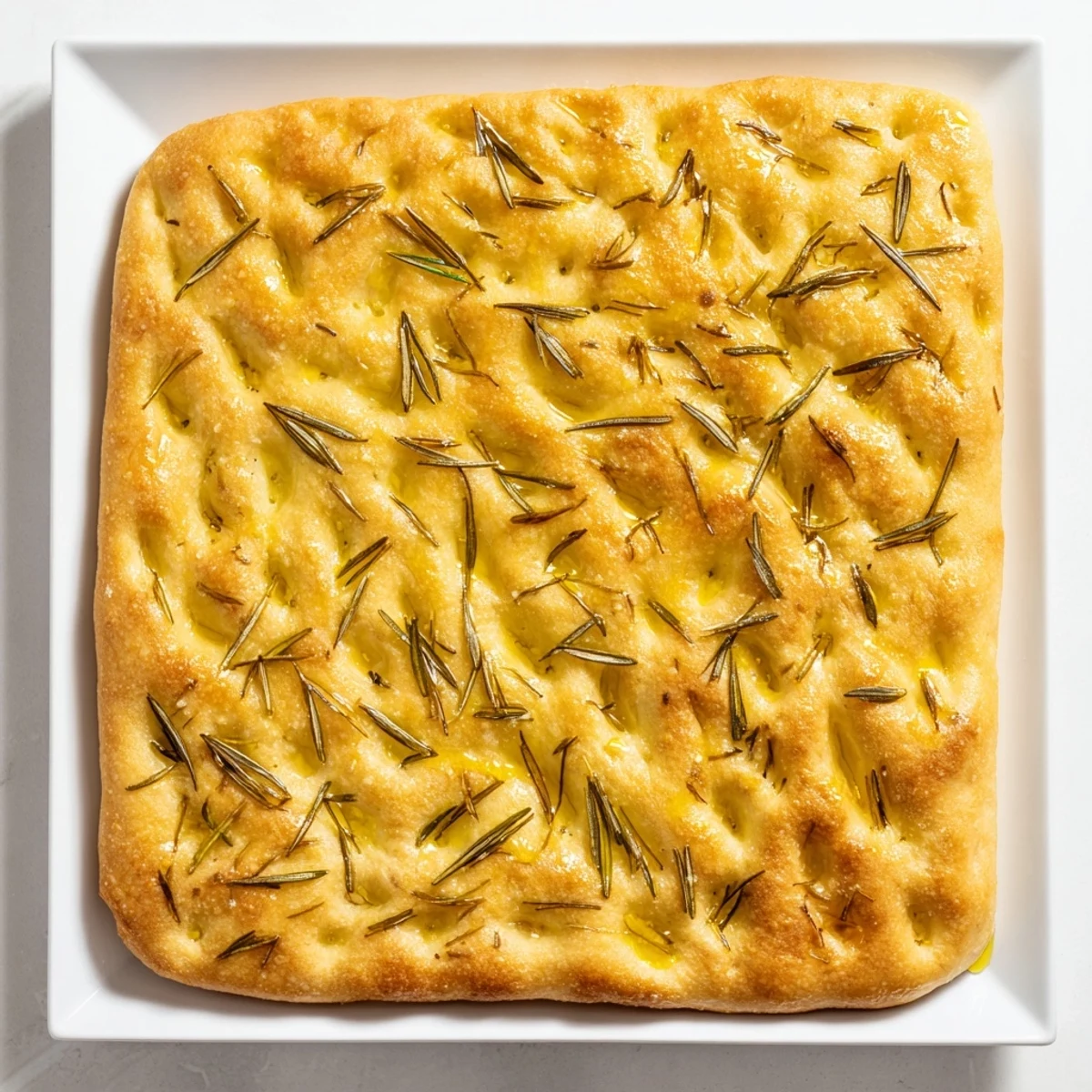
- Grease your baking tray generously with olive oil, then stretch the dough to fit it, pressing your oiled fingertips deep into the surface to create those classic dimples. Each indentation becomes a tiny pool for oil and herbs.
- Dress the top:
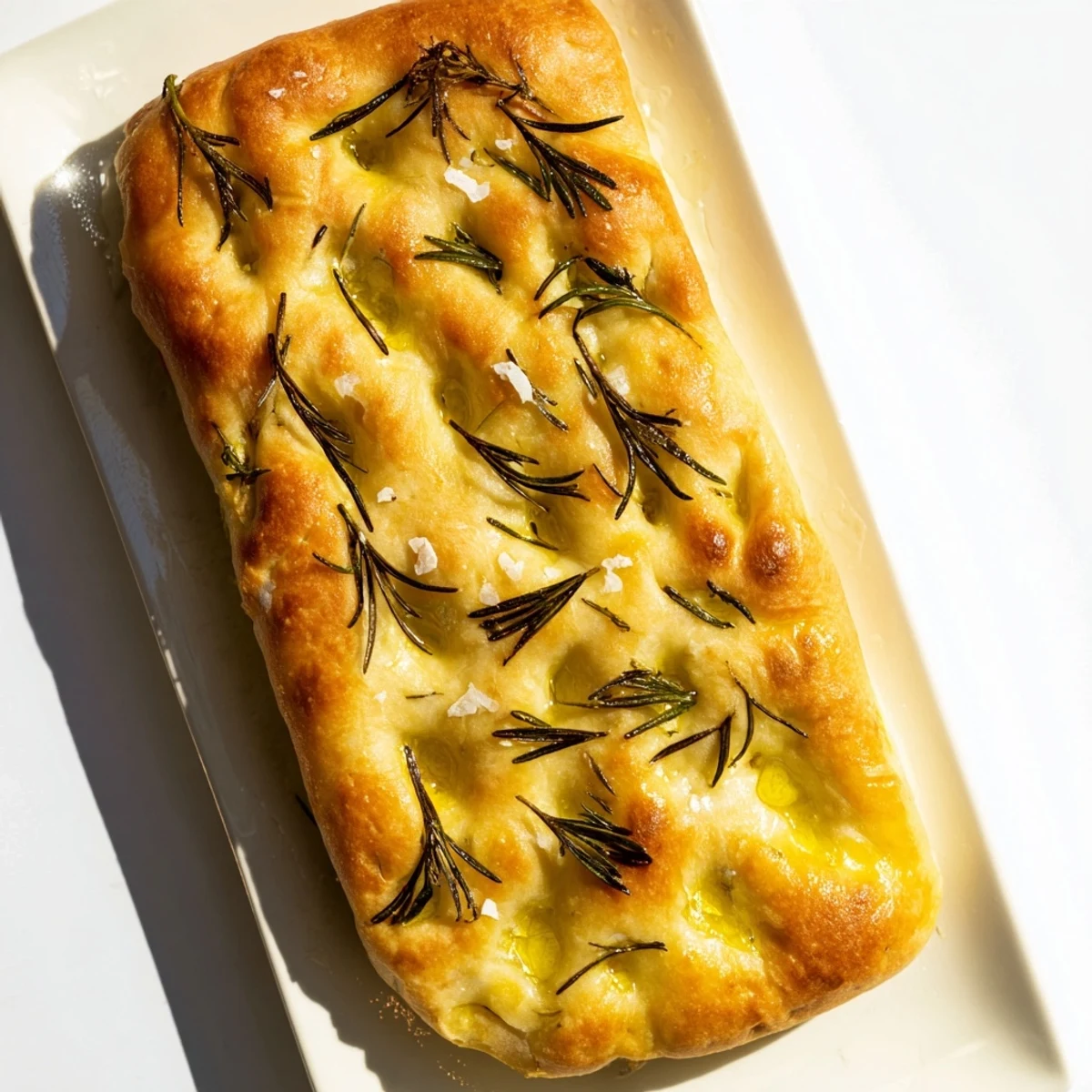
- Drizzle olive oil over the surface so it collects in the dimples, then scatter rosemary and flaky salt evenly across the entire tray. Tuck olives or halved cherry tomatoes into the dough if you want extra bursts of flavor.
- Second rise:
- Leave the tray in a warm spot for twenty to thirty minutes until the dough looks swollen and relaxed, the dimples slightly less pronounced as the dough puffs around them.
- Bake until golden:
- Slide the tray into a fully preheated 220 degree Celsius oven and bake for twenty to twenty five minutes, until the top is deeply golden and the bottom sounds hollow when tapped. Let it cool just enough that you dont burn your tongue, then tear in.
 Save to Pinterest
 I brought a tray of this to a potluck once and watched a quiet table of strangers turn into fast friends, all reaching for seconds and trading stories over torn pieces of warm bread. Food does that.
Getting Creative with Toppings
Sometimes I scatter thin slices of red onion over the dough before baking, and they caramelize into sweet, jammy ribbons that pair beautifully with the rosemary. Sun dried tomatoes, crushed garlic, or even thin potato slices work wonders too. Treat the top of your focaccia like a canvas and trust your instincts.
Serving It Right
Warm focaccia needs nothing more than a drizzle of good olive oil, but it also makes an extraordinary sandwich base. Split it horizontally and layer with prosciutto, fresh mozzarella, and arugula for a lunch that feels like a Roman holiday. A glass of Pinot Grigio or a young Chianti alongside would not be a mistake.
Storing and Reheating
Leftover focaccia keeps well wrapped in foil at room temperature for up to two days, and a quick stint in a 180 degree Celsius oven brings back the crust beautifully. Avoid the microwave, it turns the interior gummy and sad.
- Freeze sliced portions individually so you can pull out exactly what you need.
- A light spritz of water before reheating helps the crust re crisp.
- Always let frozen focaccia thaw at room temperature rather than in the fridge for the best texture.
 Save to Pinterest
 Every time I press my fingers into that soft dough I think about how something so simple can bring so much joy. This is the kind of recipe that makes your kitchen feel like home.
Common Questions
- → What makes focaccia different from regular bread?
-
Focaccia is a flatbread with a higher olive oil content, creating a moist interior and crisp exterior. The signature dimpled surface traps olive oil and herbs, resulting in a flavorful, aromatic loaf that's thicker than pizza but flatter than traditional bread.
- → Can I let the dough rise longer than specified?
-
Absolutely. Longer rising time (up to 2 hours for the first rise) develops more complex flavors. Just ensure the dough stays covered in a warm, draft-free area. The second rise of 20-30 minutes helps achieve that characteristic puffy texture.
- → What toppings work well beyond rosemary and sea salt?
-
Caramelized onions, sun-dried tomatoes, garlic slices, olives, cherry tomatoes, or fresh thyme all complement beautifully. You can also add grated Parmesan or scatter fresh sage leaves during the final minutes of baking.
- → How do I store and reheat focaccia?
-
Store wrapped in foil or in an airtight container at room temperature for up to 2 days. For longer storage, freeze sliced portions in freezer bags. Reheat in a 180°C oven for 5-7 minutes to restore crispness, or toast individual slices.
- → Why is my focaccia too dense or heavy?
-
Dense texture usually results from insufficient rising time or over-kneading. Ensure the yeast is activated properly—you should see frothy bubbles after 10 minutes. Also, avoid adding too much extra flour during kneading; slightly sticky dough yields better results.