
 Save to Pinterest
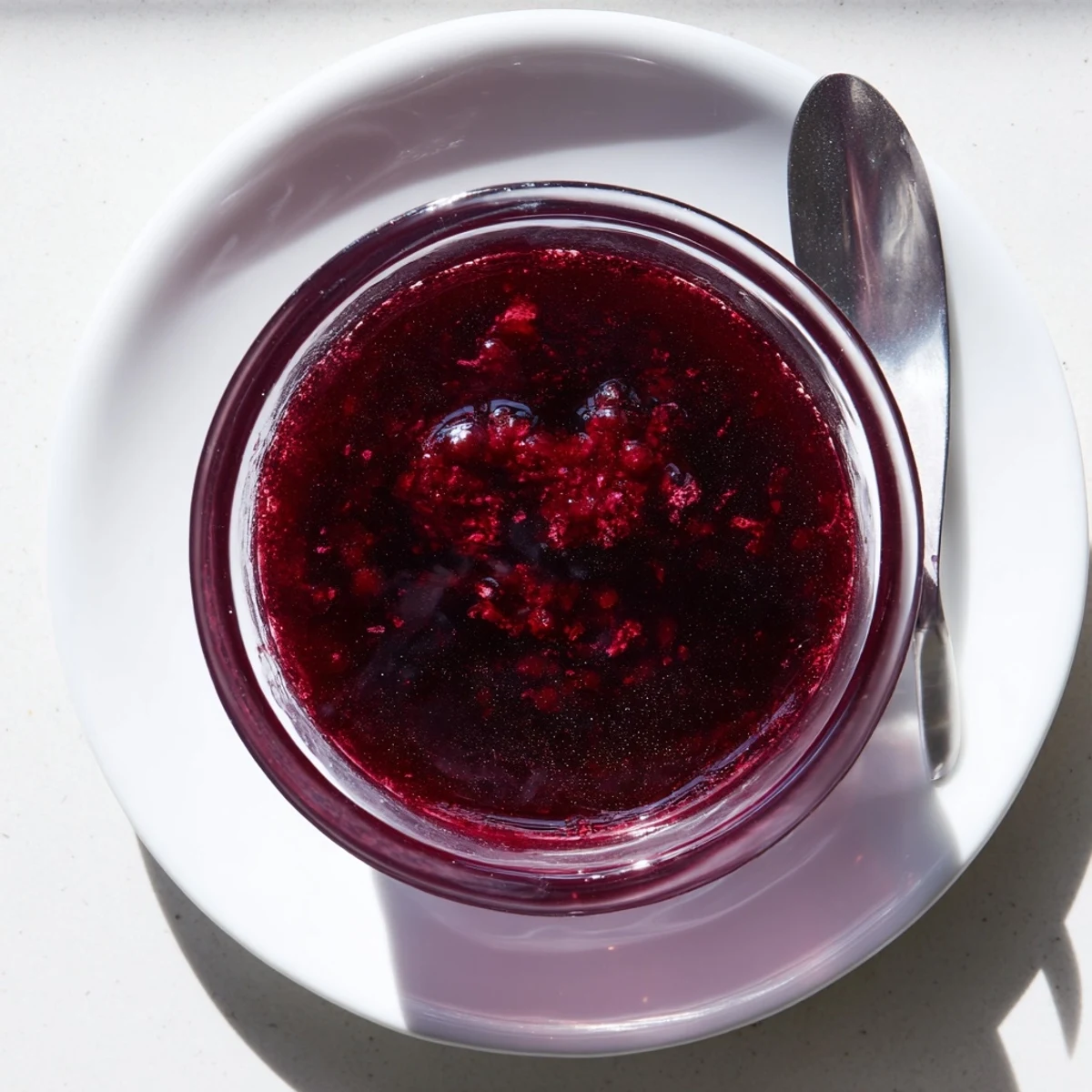
 This homemade cranberry syrup delivers vibrant color and tangy sweetness in just 25 minutes. Fresh or frozen cranberries simmer with sugar and water until burst and thickened, creating a versatile topping for pancakes, waffles, yogurt, and desserts—or a colorful addition to cocktails.
The recipe yields about 1.5 cups and keeps refrigerated for up to two weeks. For smooth syrup, strain through a fine mesh sieve, or skip straining for a chunkier texture. Optional vanilla extract and lemon juice add depth.
Naturally vegan and gluten-free, this syrup contains no common allergens and requires only basic kitchen tools.
The kitchen smelled like a cranberry bog had exploded on my stove, and honestly, I was thrilled about it. One grey November afternoon, armed with a clearance bag of cranberries and nothing particular to do, I dumped them into a pot with sugar and water on a whim. Twenty minutes later I had this ruby red syrup that made everything it touched taste like the holidays had arrived early. It was the kind of accidental victory that keeps you experimenting in the kitchen for years.
I bottled a batch in little mason jars and handed them out as holiday gifts one year, and my neighbor Karen texted me three times asking for the recipe. My cousin now expects a jar at every family gathering or there is trouble. Even my dad, who thinks syrup comes in one flavor called maple, drizzles it on his oatmeal without complaint.
Ingredients
- 2 cups fresh or frozen cranberries: Frozen work beautifully and you do not need to thaw them first, which makes this a year round recipe rather than a seasonal one.
- 1 cup granulated sugar: This amount gives you a syrup that walks the line between tart and sweet perfectly.
- 1 cup water: Just enough to get things moving in the pan without diluting that intense cranberry punch.
- 1 teaspoon lemon juice (optional): A tiny squeeze brightens everything and keeps the color vivid during storage.
- 1 teaspoon vanilla extract (optional): Adds a warm roundness that makes the syrup feel more like dessert than a condiment.
Instructions
- Get everything in the pot:
- Toss the cranberries, sugar, and water straight into a medium saucepan. Give it a stir so the sugar starts dissolving into the water and nothing sticks to the bottom before things heat up.
- Bring it to a boil:
- Set the heat to medium high and let it come to a rolling boil, stirring now and then. You will hear the cranberries start to pop and hiss, which is exactly the sound you want.
- Simmer and wait:
- Turn the heat down to low and let it bubble gently for about 15 minutes. The cranberries will burst open and the kitchen will smell incredible while the mixture thickens into something glossy and deep red.
- Strain or do not strain:
- Remove the pot from the heat and decide if you want a smooth syrup or a chunky one. For smooth, pour everything through a fine mesh sieve into a bowl and press hard with the back of a spoon to squeeze out every drop of that jewel toned liquid.
- Add the finishing touches:
- Stir in the lemon juice and vanilla extract if you are using them. Taste it while it is still warm and adjust if you want it sweeter or brighter.
- Cool and store:
- Let the syrup cool completely because it will thicken up as it sits. Pour it into a clean jar and keep it in the fridge where it will happily wait for you for up to two weeks.
 Save to Pinterest
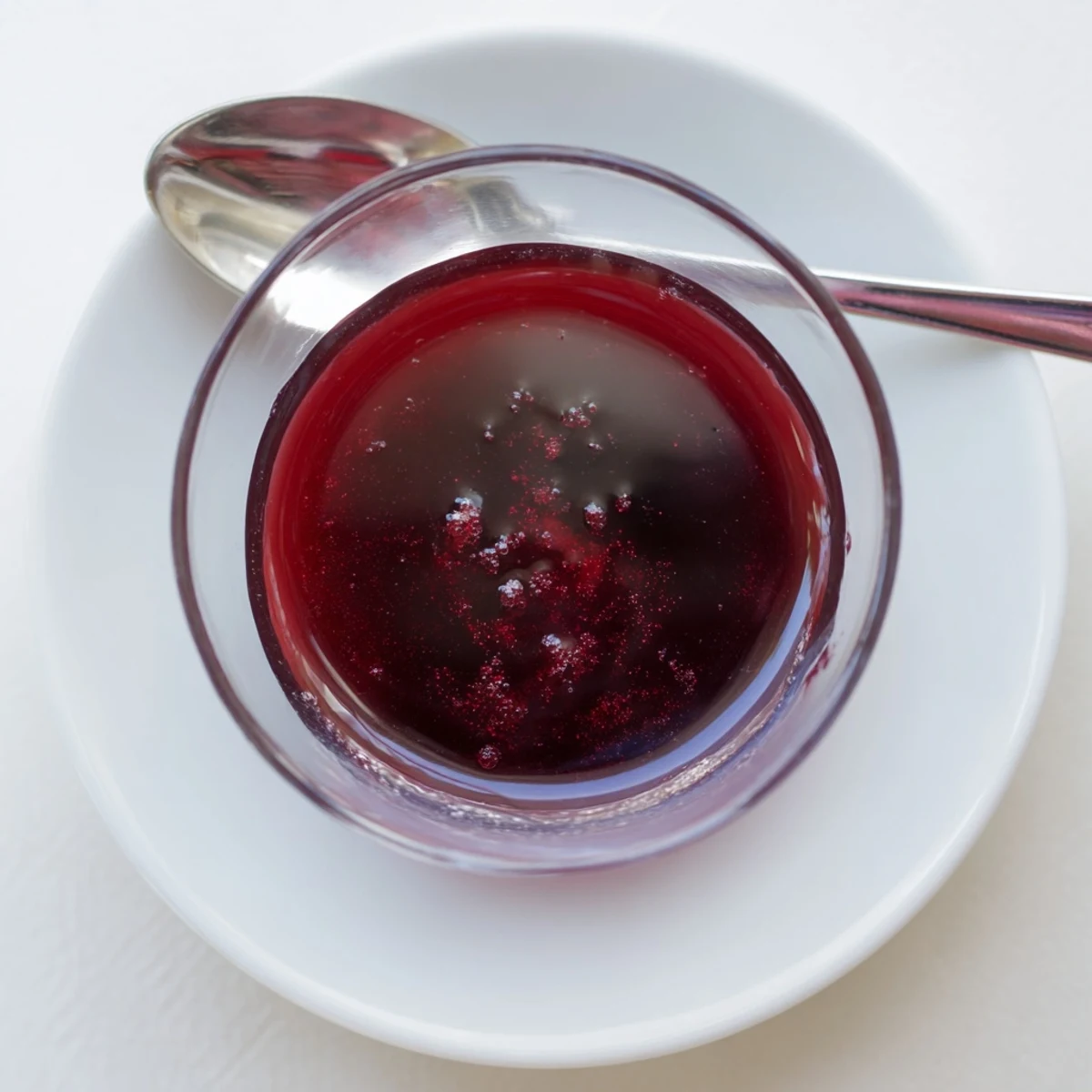
 There is something deeply satisfying about watching plain cranberries transform into this glowing red liquid that makes everything better. It became my unofficial contribution to every brunch and holiday table, quietly stealing the show from fancier dishes.
Serving Ideas Worth Trying
This syrup is wildly versatile once you start thinking beyond breakfast. I have drizzled it over cheesecake, swirled it into whipped cream, and even reduced it further into a glaze for roasted meats. A spoonful in sparkling water with a sprig of rosemary makes a non alcoholic drink that feels genuinely special.
Making It Your Own
Orange zest is the classic addition and it works beautifully, but do not stop there. A cinnamon stick simmered alongside the berries adds warmth, a slice of fresh ginger gives it a little hum of spice, and a few crushed cardamom pods make it taste like something from a fancy cafe. Start with small amounts because these flavors build quickly.
Storage and Shelf Life
A clean glass jar with a tight lid is all you need for storage, and the fridge keeps it good for a solid two weeks. You can also freeze it in ice cube trays then transfer the frozen cubes to a bag for longer storage.
- Always use a clean spoon when dipping into the jar to keep the syrup fresh longer.
- Give it a quick shake or stir if it has been sitting for a few days because natural separation is normal.
- Label the jar with the date so you know when the two week window is closing.
 Save to Pinterest
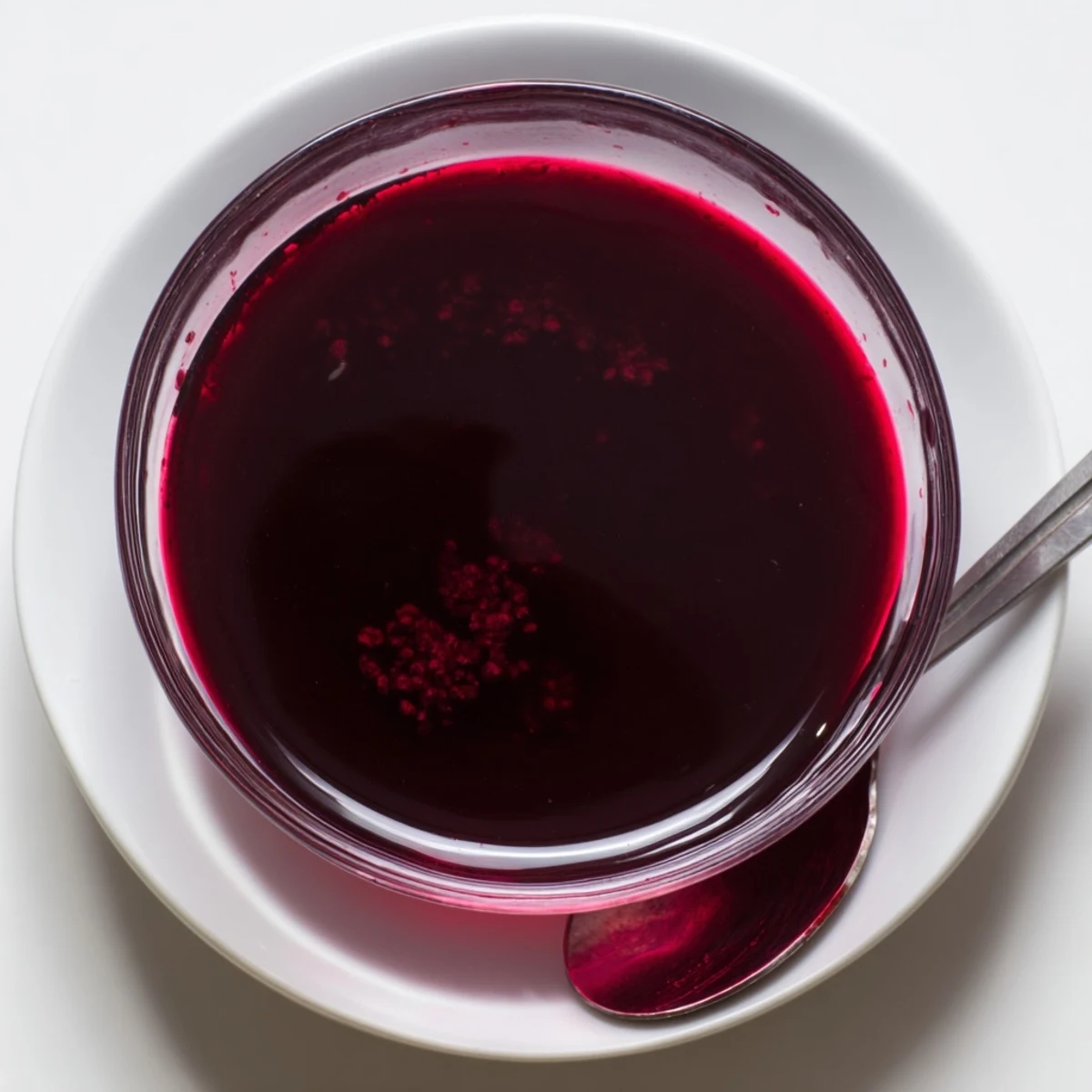
 Keep a batch of this in your fridge and you will find yourself reaching for it more often than you expect. It is one of those small kitchen victories that makes everyday food feel a little more intentional and a lot more delicious.
Common Questions
- → How long does homemade cranberry syrup last?
-
Stored in an airtight container in the refrigerator, cranberry syrup stays fresh for up to 2 weeks. The natural acidity and sugar content help preserve it.
- → Can I use frozen cranberries instead of fresh?
-
Absolutely. Frozen cranberries work equally well—no need to thaw first. They'll burst and release their juice just like fresh berries during simmering.
- → Why is my syrup too thin?
-
Syrup thickens as it cools. If still too runny after cooling, return to the stove and simmer 5-10 minutes longer to reduce further.
- → What can I use cranberry syrup for?
-
Drizzle over pancakes, waffles, and oatmeal. Stir into yogurt or vanilla ice cream. Mix into cocktails, sparkling water, or tea for a tart twist.
- → Can I reduce the sugar?
-
You can cut sugar slightly, but it helps preserve the syrup and balance cranberries' natural tartness. Less sugar may reduce shelf life.
- → Should I strain the cranberries?
-
For smooth syrup, strain through a fine mesh sieve. For chunkier texture with fruit pieces, skip straining—both methods are delicious.