
 Save to Pinterest
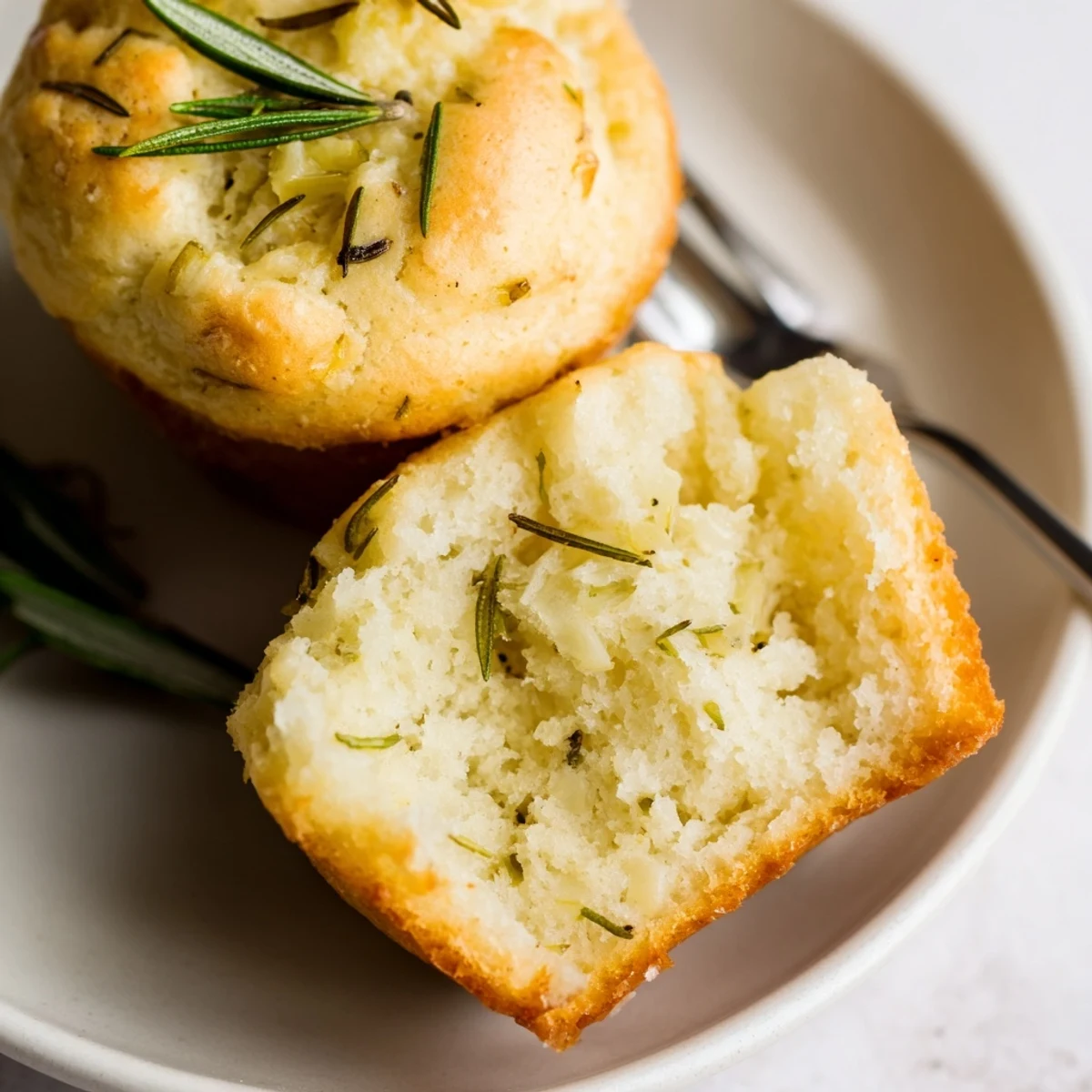
 These soft focaccia muffins meld roasted garlic and fresh rosemary into a sticky, yeasted dough that needs about an hour to double. After mixing and folding the aromatics, divide the dough into a well-oiled 12-cup muffin tin, brush tops with extra virgin olive oil, and sprinkle flaky sea salt and extra rosemary. Bake at 400°F (200°C) for 18–22 minutes until golden. Cool briefly and serve warm; grate Parmesan on top before baking for extra savory depth.
The first time I pulled these Garlic Rosemary Focaccia Muffins from the oven, their aroma nearly startled me – all warm, grassy rosemary and mellow, sweet garlic wafting through the kitchen. It was an early spring day and the windows were open, letting in a breeze that mingled with the baking bread. I remember fiddling nervously with the muffin tin, half-expecting the dough to spill over or turn dense, but they rose into golden pillows. Testing one, I ended up eating two before anyone else had a chance.
One Sunday, my sister dropped by with a stormy mood and news of a ruined dinner, so we chatted over warm muffins pulled straight from the rack. She said the kitchen smelled like an Italian bakery, and by the third muffin, her mood had shifted to pure contentment. Simple bakes like these have a certain magic in unexpected moments. There’s just something about sharing freshly made bread that smooths even a rocky day.
Ingredients
- All-purpose flour: The backbone of tender muffins, and sifting it first means no lumps or surprises in the dough.
- Bread flour: I like it for extra chew and structure, perfect to mimic classic focaccia texture in muffin form.
- Instant yeast: This cuts down the waiting time, but always check the best-by date – old yeast lets you down when you least expect it.
- Sugar: Just a pinch, but it helps give the yeast a head start and rounds out the herby flavors.
- Fine sea salt: Seasoning is crucial – too little and everything falls flat. I’ve learned not to skimp here!
- Lukewarm water: Warm but not hot, so the yeast wakes up but doesn’t get shocked. If it feels cozy to the touch, it’s perfect.
- Extra virgin olive oil: Rich and grassy, it makes the dough supple and wonderful. Don’t be stingy; it’s what gives the crust its golden edge.
- Garlic: Freshly minced garlic melts into the dough as it bakes, giving every bite mellow, buttery fragrance.
- Fresh rosemary: Chop it fine so you get herby flavor in every bite and a sprinkle on top means pure focaccia goodness.
- Flaky sea salt (for topping): A scattering right before baking elevates these from good to memorable.
- Extra olive oil (for brushing): Brushing the tops helps the muffins turn golden and crisp, plus it holds on all that rosemary and salt.
Instructions
- Mix the dry ingredients:
- In a big mixing bowl, whisk together both flours, yeast, sugar, and fine sea salt so everything is evenly combined and airy.
- Add water and olive oil:
- Pour in the lukewarm water and the olive oil, then stir with a wooden spoon or dough hook – the dough will look sticky and shaggy, which is exactly right.
- Incorporate garlic and rosemary:
- Fold in the minced garlic and chopped rosemary; pause to inhale that bright herby aroma.
- Let it rise:
- Cover the bowl with a clean towel and tuck it in a warm spot for about an hour, until the dough looks impressively puffy and doubled in size.
- Prep the tin and oven:
- Preheat your oven to 400°F (200°C) and lightly grease each cup of a 12-cup muffin tin so nothing sticks.
- Fill the cups:
- With oiled hands or a scoop, divide the sticky dough among the muffin cups; smoothing the tops is optional, as they'll puff up nicely on their own.
- Brush and sprinkle:
- Generously brush each muffin top with olive oil, and scatter over flaky sea salt and an extra pinch of rosemary for bakery-worthy looks.
- Bake to golden:
- Bake for 18–22 minutes, watching for golden tops and fragrant, herby clouds escaping the oven; a gentle tap should sound hollow.
- Cool and serve:
- Let the muffins rest in the tin for 5 minutes, then slip them onto a wire rack to finish cooling. Serve warm or at room temp – both ways are delightful.
 Save to Pinterest
 The day these muffins disappeared before I even had time to set out soup, I realized they were more than just bread – they became tiny invitations to linger around the table, to catch up on stories, and to laugh a little louder. When the last one was split in half and savored, I knew I’d be baking them again soon.
Troubleshooting Sticky Dough Moments
If the dough feels impossibly sticky, don’t panic – focaccia is supposed to be wetter than most breads. Resist the urge to add lots of extra flour, as that’s what makes the crumb dense rather than pillowy. Instead, a coat of olive oil on your hands (or your spoon) works like magic while dividing the dough. The golden crust rewards your patience.
Serving Ideas That Always Impress
I love setting out a platter of these muffins at parties beside bowls of herbed olive oil for dipping – guests can’t resist tearing into them. They’re also perfect with a bowl of tomato soup or as a side for a leafy salad. Add a sprinkle of Parmesan for a cheesy upgrade, or keep them vegan by skipping the cheese entirely. Flexibility makes them shine in every situation.
Tools and Shortcuts I Depend On
A sturdy wooden spoon makes short work of mixing a sticky dough, but a stand mixer with a dough hook saves your arm if doubling the batch. Muffin tins ensure even baking and easy portions each time. Don’t skip the wire rack either – letting the muffins breathe keeps their edges crisp and centers soft.
- If you’re in a rush, proof the dough near the oven for gentle warmth.
- Lightly brush any crumbs off your muffin tin before baking for a clean release.
- Have a little extra olive oil ready for brushing – it gives the best finish.
 Save to Pinterest
 Let the scent of rosemary and garlic fill your kitchen and watch as these focaccia muffins vanish faster than you expect. Cozy, sophisticated, and endlessly shareable: they’re sure to become a kitchen staple for you, too.
Common Questions
- → How sticky should the dough be?
-
The dough should be soft and slightly sticky to the touch; it should hold shape but still cling a bit to your fingers. Use oiled hands or a lightly floured surface when shaping and dividing for the muffin tin.
- → Can I substitute flours?
-
Swapping part of the all-purpose with more bread flour will give stronger structure and a chewier crumb. Whole wheat can be used up to 25% for a nuttier flavor; increase hydration slightly if dough feels dry.
- → How can I tell when they are done baking?
-
Look for a deep golden top and slightly crisp edges. Muffins should sound hollow when tapped and register around 190–200°F in the center if you use a thermometer.
- → What are good make-ahead and storage tips?
-
Store cooled muffins in an airtight container at room temperature for 2 days or freeze for up to a month. Reheat from frozen or at room temperature in a warm oven for a few minutes to refresh the crust.
- → How do I add a cheesy finish?
-
Sprinkle grated Parmesan or Pecorino over each portion just before baking for a golden, savory crust. Press lightly so the cheese adheres and browns evenly.
- → Can I make them dairy-free or vegan?
-
Yes. The base is naturally dairy-free; omit any cheese and ensure the sugar is vegan and the yeast is suitable. Use extra olive oil or a plant-based brush for richness.