
 Save to Pinterest
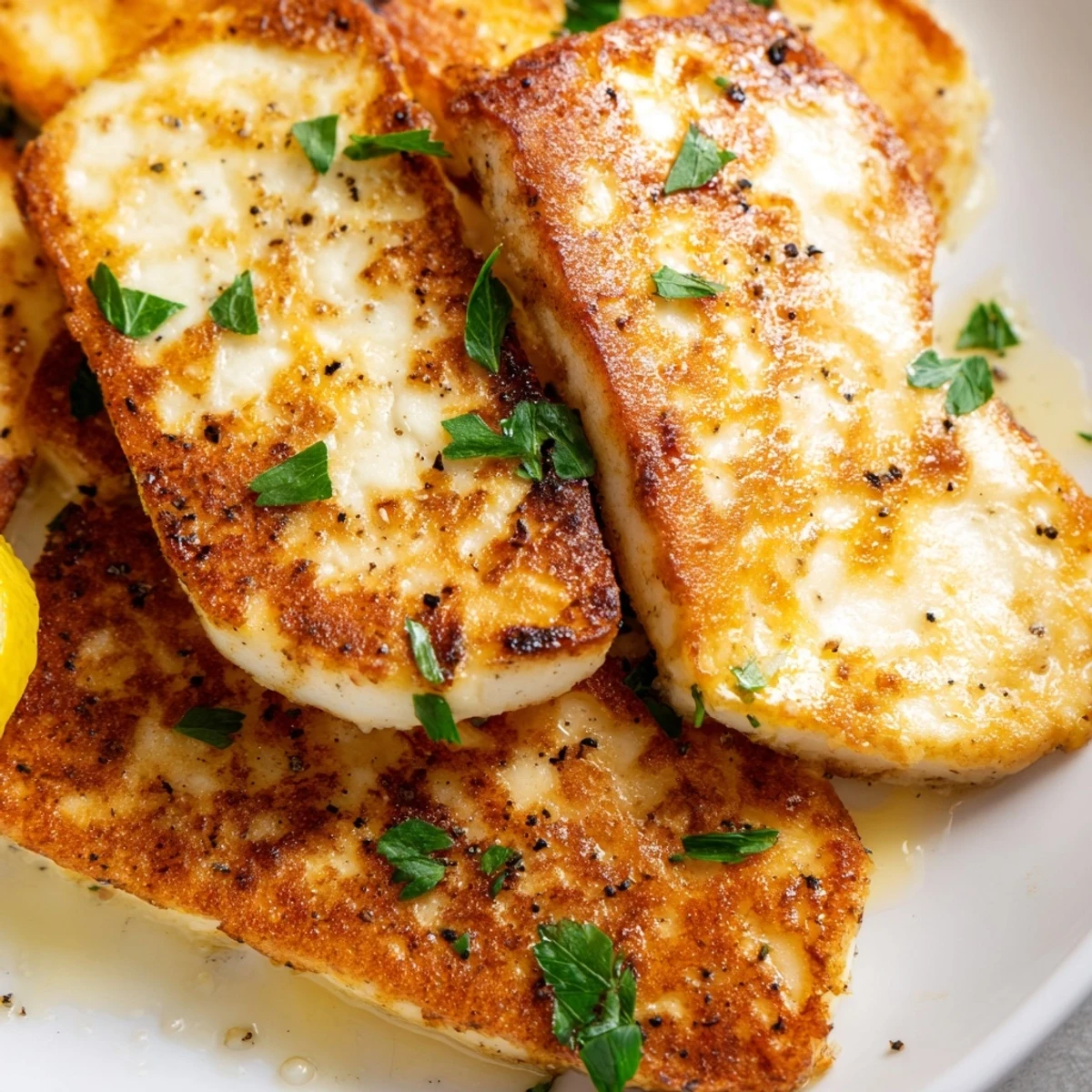
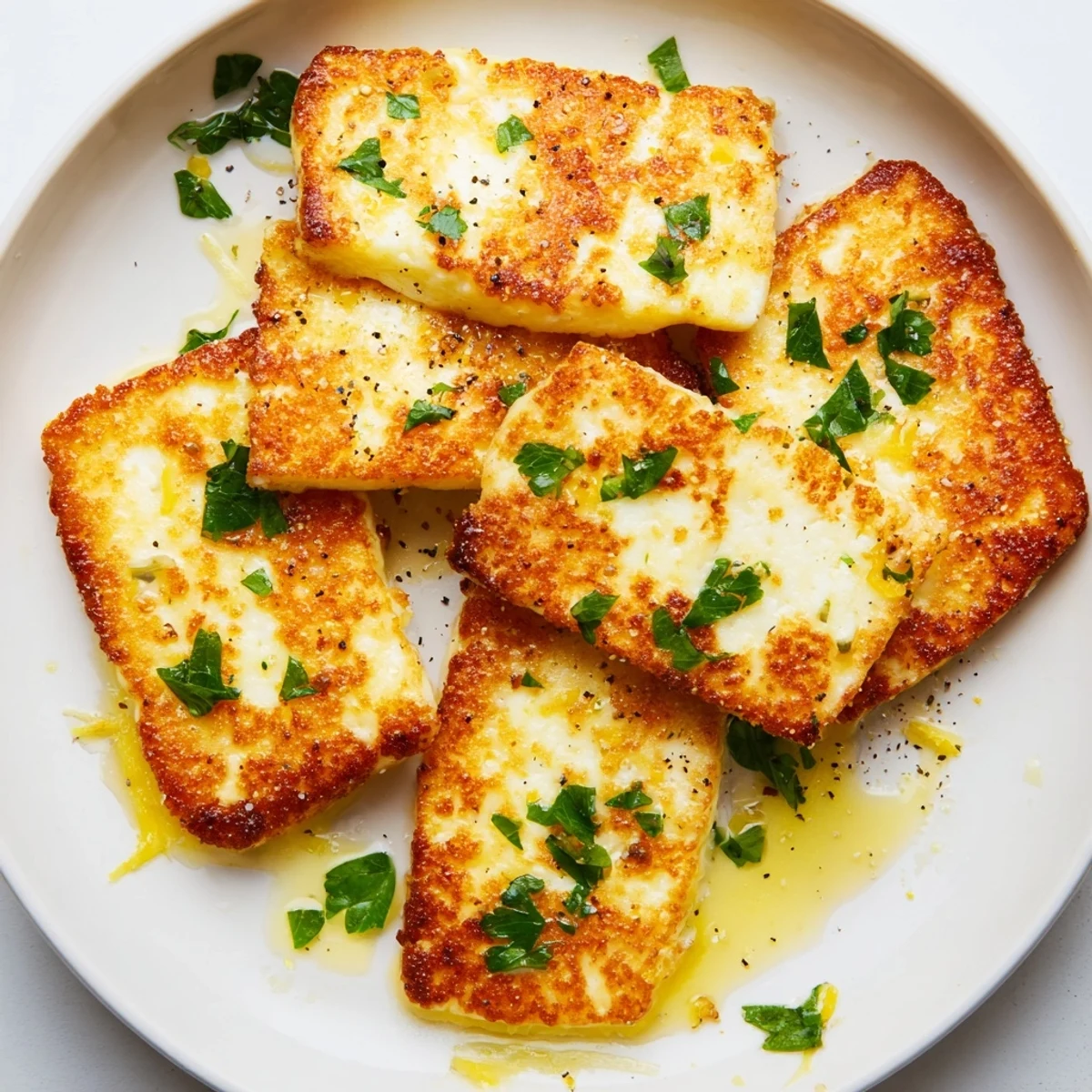
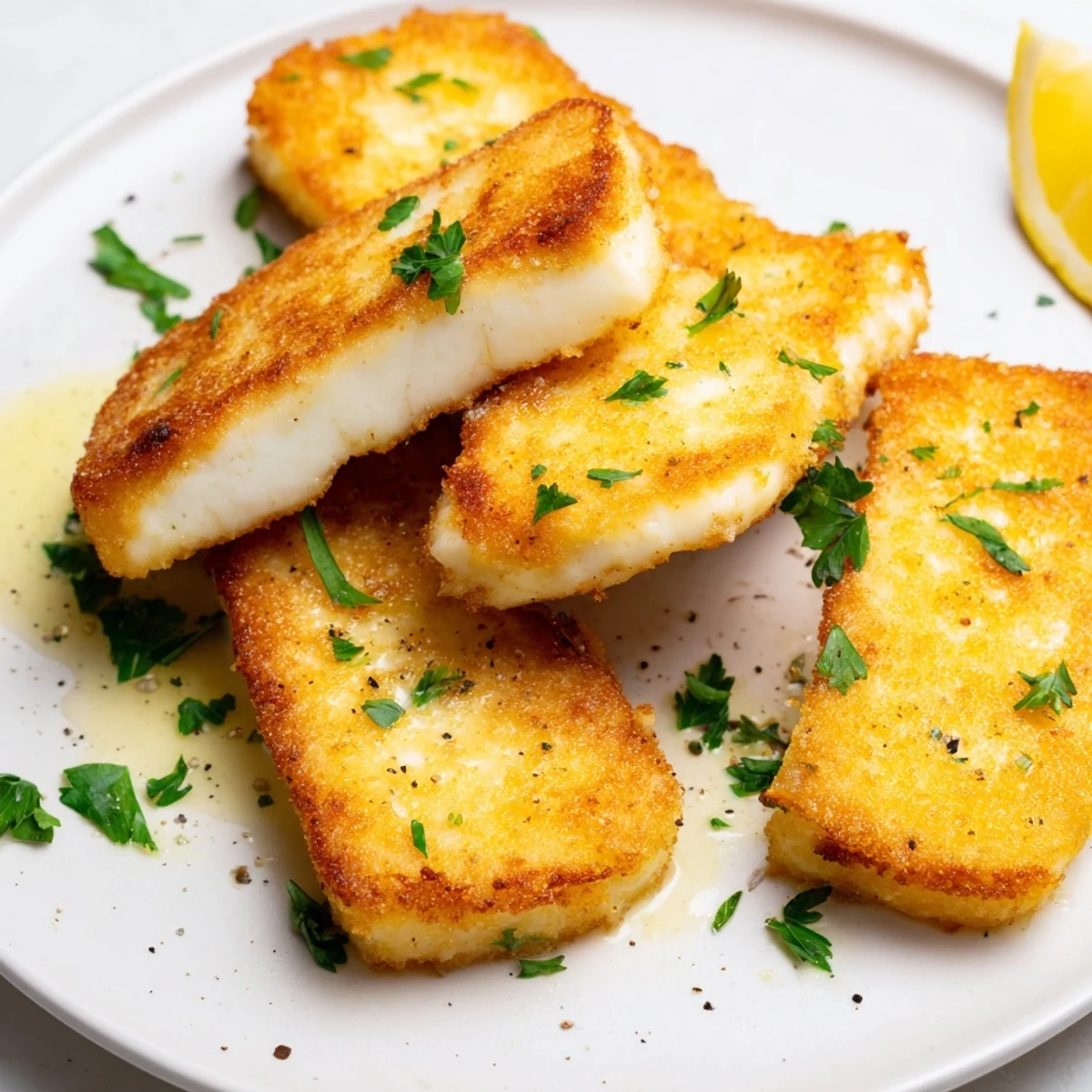
 Create perfectly golden halloumi with a crispy exterior and soft, salty interior. The cheese develops a beautiful golden crust when pan-fried, while staying irresistibly creamy inside. A squeeze of fresh lemon juice cuts through the richness, while chopped parsley adds vibrant color and herbal freshness. This Mediterranean staple comes together in under 15 minutes and makes an impressive addition to any mezze spread or as a simple yet satisfying appetizer.
The sizzle of halloumi hitting a hot pan is one of those sounds that makes everyone wander into the kitchen, asking what smells so good. My friend Elena introduced me to this cheese at a tiny seaside taverna in Cyprus, where the owner simply fried it and handed it over with a lemon wedge. Nothing fancy, nothing complicated, just salty golden perfection that disappeared in minutes. I have been making it ever since, especially on lazy warm evenings when cooking feels more like a mood than a task.
One summer evening I was grilling outdoors and realized I had forgotten to marinate anything ahead of time, so I grabbed a block of halloumi from the cooler, sliced it, and threw it straight on the grill pan. My partner laughed and called it emergency cheese, but those golden strips vanished before anything else even made it to the table.
Ingredients
- Halloumi cheese (225 g): The star of the show, so buy the best quality you can find because the salty, briny flavor varies wildly between brands.
- Olive oil (1 tbsp): Just enough to coat the pan and help develop that beautiful golden crust without making the cheese greasy.
- Lemon wedges (half a lemon): A bright squeeze of acidity cuts through the richness and balances every single bite.
- Fresh parsley, chopped (1 tbsp, optional): Adds a pop of color and a fresh herbal note that makes everything feel more intentional.
- Freshly ground black pepper: A finishing touch that brings warmth and depth without overpowering the cheese.
Instructions
- Prep the cheese:
- Remove the halloumi from its packaging and pat it thoroughly dry with paper towels because excess moisture is the enemy of a good crust. Slice it into even pieces about one centimeter thick so every slice cooks at the same rate.
- Heat the pan:
- Warm the olive oil in a non stick skillet over medium high heat until you see a gentle shimmer across the surface. Give it a moment because a properly hot pan is what makes the difference between pale and golden.
- Fry until golden:
- Lay the slices in the pan without crowding or overlapping them, then let them sit undisturbed for two to three minutes per side. You are looking for a deep golden crust that releases easily when you flip with a spatula.
- Serve immediately:
- Transfer the slices to a warm plate, squeeze fresh lemon juice over the top, and sprinkle with parsley and black pepper if you like. Halloumi waits for no one, so call everyone to the table the moment it leaves the pan.
 Save to Pinterest
 I once served a platter of this at a potluck alongside warm pita and a simple tomato salad, and a woman I had never met followed me to the kitchen to ask how I made it. She looked genuinely stunned when I told her it was just cheese, oil, and lemon. Sometimes the simplest things carry the most weight.
Serving Ideas Worth Trying
This cheese plays beautifully with others on a mezze platter, tucked into warm flatbread with roasted vegetables, or even crumbled over a grain bowl for something more substantial. A drizzle of honey transforms it into an unexpected sweet and savory bite that surprises people every time. Sprinkling chili flakes over the top adds a gentle heat that works wonders if you like a little kick.
Choosing the Right Pan
I learned the hard way that cast iron, while beloved for so many things, can cause halloumi to stick and tear unless it is impeccably seasoned. A good non stick skillet lets the cheese develop its crust and release cleanly every single time. If you only have stainless steel, make sure the pan is fully preheated and the oil is shimmering before the cheese goes in.
Storing and Reheating
Cooked halloumi does not reheat particularly well since the texture changes and loses that magical contrast between crisp exterior and soft center. If you have leftovers, eat them cold straight from the fridge as a snack because they still taste wonderfully salty and satisfying. Your best strategy is cooking only what you plan to eat immediately.
- Keep uncooked halloumi in its original brine in the fridge for the freshest flavor.
- Freeze cooked slices only as a last resort because the texture will never be quite the same.
- Always pat the cheese dry before cooking, even if it does not look wet, because brine residue causes splattering.
 Save to Pinterest
 Keep a block of halloumi in your fridge and you are never more than ten minutes away from something that makes people happy. It is the kind of recipe that reminds you great food does not require great effort.
Common Questions
- → How do I keep halloumi from getting too salty?
-
Soak the halloumi in cold water for 30 minutes before cooking to remove excess salt. Pat dry thoroughly before frying to ensure proper browning.
- → Can I fry halloumi without oil?
-
Halloumi contains natural oils that help it fry, but using a small amount of olive oil prevents sticking and promotes even browning. A non-stick pan with minimal oil works best.
- → What's the best way to serve pan-fried halloumi?
-
Serve immediately while warm and crispy. Pair with warm pita bread, roasted vegetables, or as part of a mezze platter. The lemon-herb finish complements the salty cheese perfectly.
- → Can I prepare halloumi ahead of time?
-
Slice the halloumi in advance and store refrigerated. However, it's best fried fresh just before serving for optimal texture and flavor. Reheating can make it rubbery.
- → What other seasonings work well with halloumi?
-
Beyond lemon and parsley, try honey for sweet-salty contrast, chili flakes for heat, or za'atar and dried mint for authentic Mediterranean flavor. Fresh mint or thyme also work beautifully.