
 Save to Pinterest
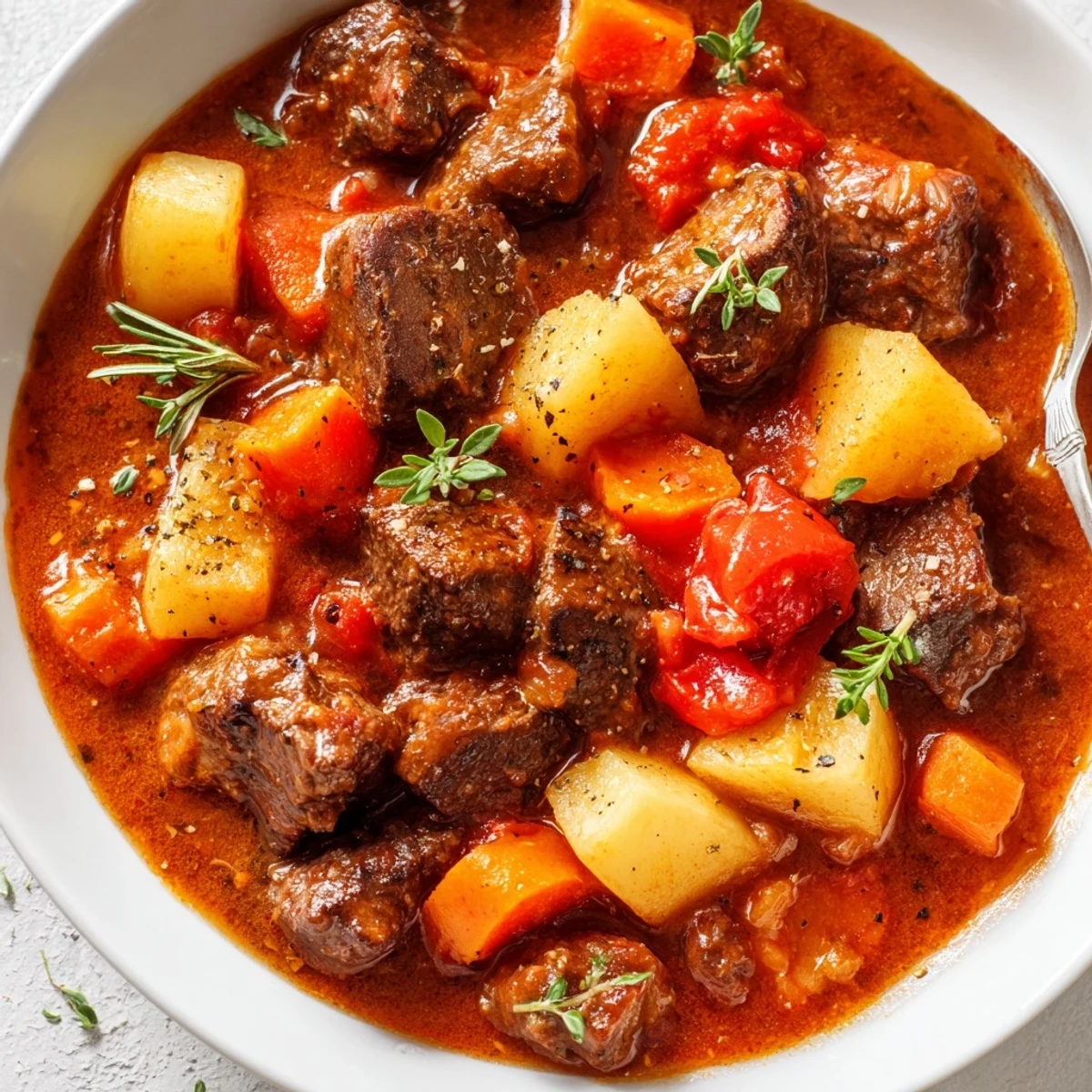
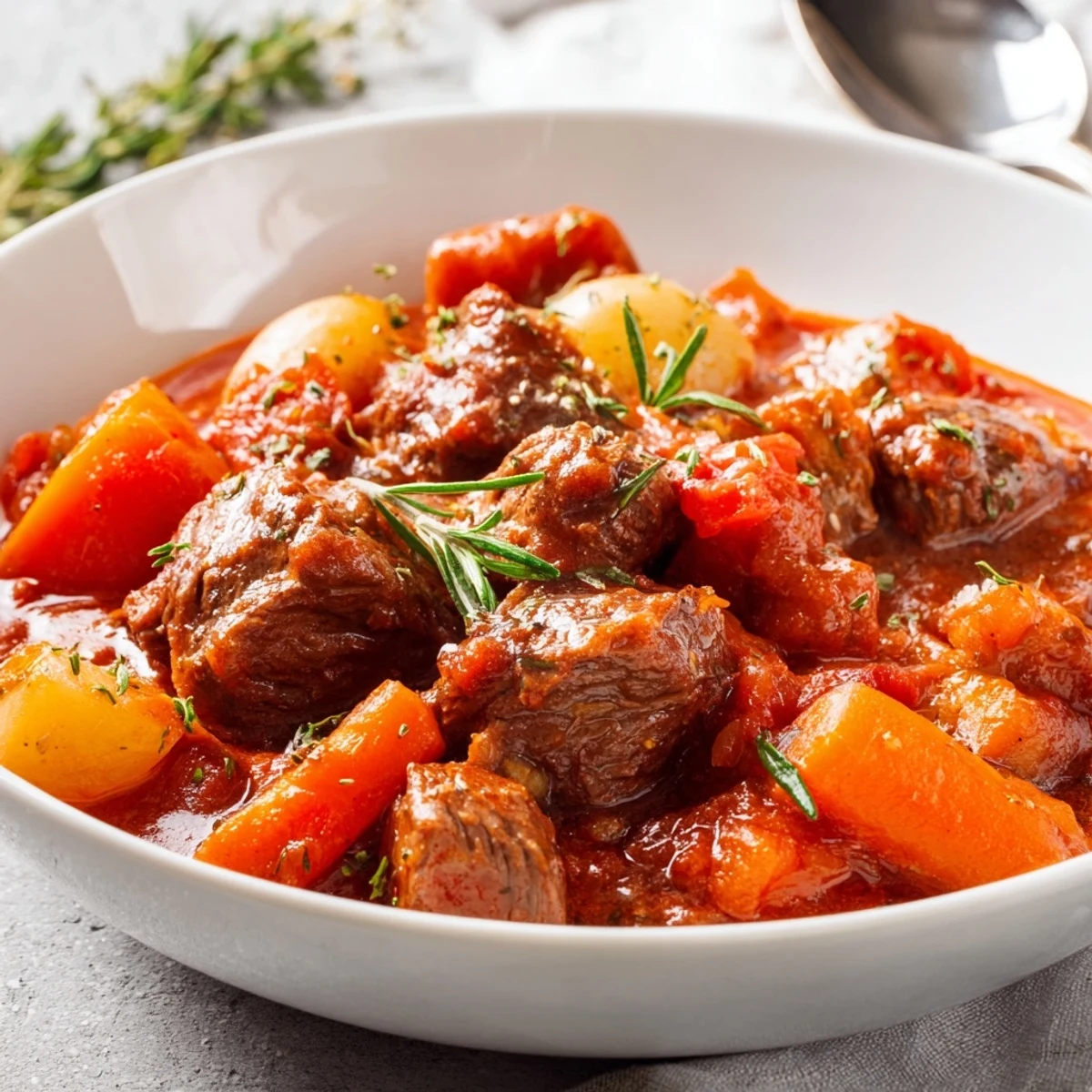
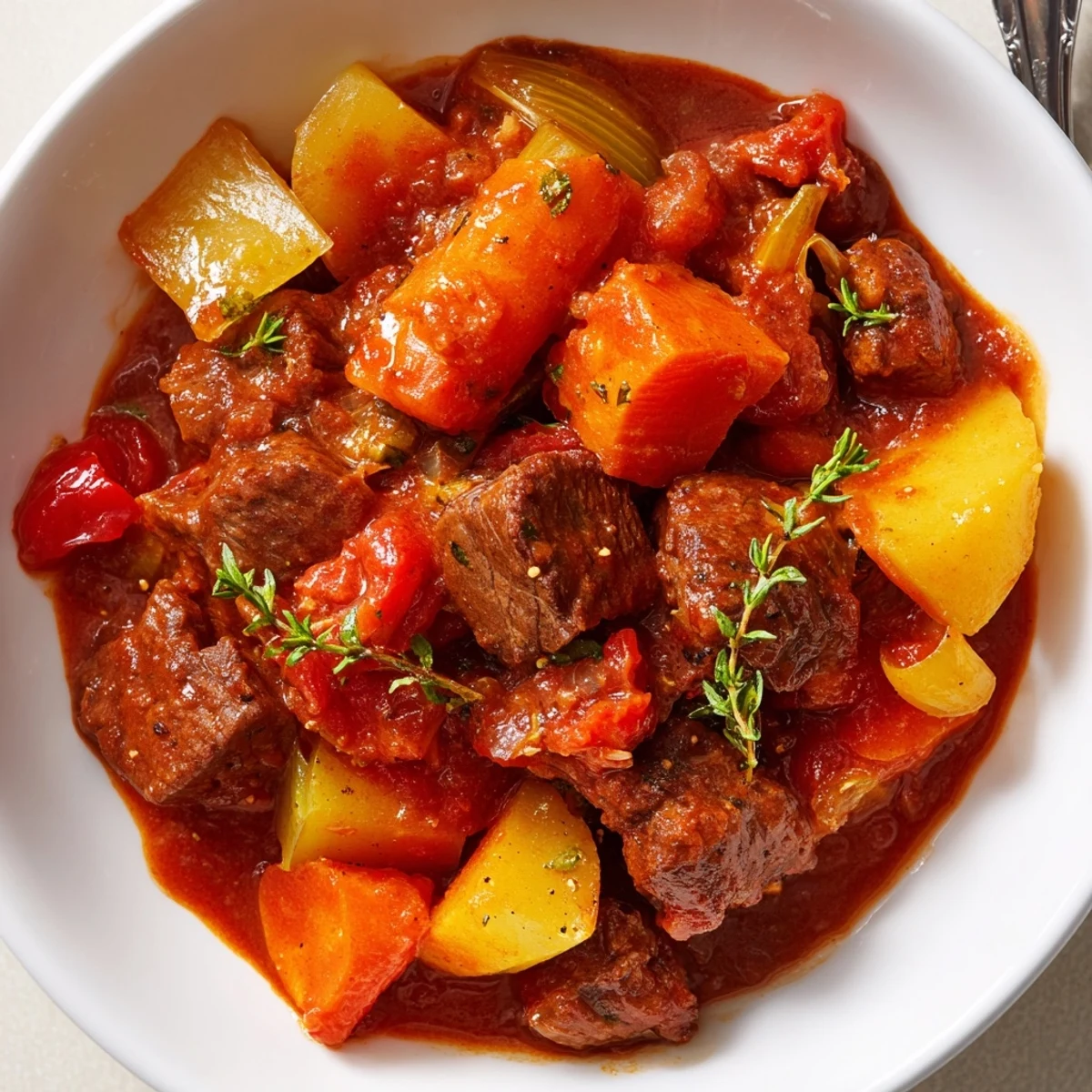
 Spezzatino di Manzo is a slow-braised beef chuck cooked with onions, carrots, celery, tomatoes and red wine until deeply flavored and fork-tender. Brown the meat in batches, deglaze with wine, then simmer with broth and herbs about 1.5–2 hours; add potatoes for the final 30 minutes. Serve hot with polenta, mashed potatoes or crusty bread; flavors improve after resting overnight.
The kitchen window was fogged up and my cat refused to leave the warm stovetop corner the evening this stew first came together in my pot. Something about the way red wine hit hot metal and sent that sharp sweet vapor into the air made me stand still and just breathe for a moment. Spezzatino di manzo is the kind of dish Nonna types argue over at Sunday lunch, each claiming theirs is the true version.
I made this for my neighbor Luca after he helped carry groceries up four flights of stairs in the rain. He sat at my small kitchen table, dipped bread straight into the pot without asking, and told me his mother would have approved of the rosemary.
Ingredients
- Beef chuck, 800 g cut into 3 cm cubes: Chuck has the right fat content and connective tissue that breaks down into silk over a long braise, so do not substitute lean cuts unless you enjoy chewing.
- 2 medium carrots, peeled and sliced: They add natural sweetness that balances the acidity of the tomatoes and wine.
- 2 celery stalks, chopped: Celery is the quiet backbone of Italian soffritto, never the star but always missed when absent.
- 1 large yellow onion, finely chopped: One generous onion is better than two small ones because larger onions tend to be sweeter and milder.
- 2 medium potatoes, peeled and cubed: They thicken the broth as they cook and turn into creamy little treasures.
- 2 cloves garlic, minced: Fresh garlic only, and add it late so it never turns bitter.
- 400 g canned diced tomatoes: San Marzano if you can find them because the flavor difference is real and noticeable.
- 500 ml beef broth: Low sodium lets you control the salt yourself throughout cooking.
- 120 ml dry red wine: Drinkable wine only, and if you would not sip it from a glass leave it out of the pot.
- 2 tbsp tomato paste: A small spoonful concentrated deepens the color and adds umami that ties everything together.
- 2 tbsp extra virgin olive oil: Use the good peppery kind because you are browning meat in it and that flavor carries through.
- 2 bay leaves, 3 to 4 sprigs fresh thyme, and 1 sprig fresh rosemary: Fresh herbs make a noticeable difference here since the simmer is long and gentle enough to coax out their essential oils.
- Salt and freshly ground black pepper: Season in layers throughout cooking rather than all at once at the end.
Instructions
- Season and dry the beef:
- Pat every cube thoroughly with paper towels until no moisture remains, then season generously with salt and pepper because wet beef steams instead of browning and you lose that gorgeous crust.
- Sear the meat in batches:
- Heat the olive oil in your heaviest pot over medium high heat until it shimmers, then add beef in a single layer without crowding and let it sit undisturbed until a deep brown crust forms before turning each piece, transferring finished batches to a plate.
- Build the soffritto:
- In the same pot with all those stuck on browned bits, sauté the onion, carrots, and celery with a pinch of salt for about five minutes until they soften and smell sweet, then stir in the garlic for just one minute more.
- Concentrate with tomato paste:
- Stir the tomato paste into the vegetables and let it cook for two minutes until it darkens slightly and smells deeply roasted, which removes its raw metallic edge.
- Deglaze with wine:
- Pour in the red wine and use your wooden spoon to scrape up every last bit from the bottom of the pot because that fond is concentrated flavor, then let the wine reduce by half so the alcohol cooks off and only richness remains.
- Combine and bring to a simmer:
- Return the beef and any accumulated juices back to the pot, add the diced tomatoes, broth, bay leaves, thyme, and rosemary, stir everything together, and bring it to a gentle bubble.
- Slow cook covered:
- Cover the pot, reduce the heat to low, and let it cook for one and a half hours, lifting the lid to stir occasionally and check that it is barely murmuring rather than boiling.
- Add potatoes and finish uncovered:
- Tuck the potato cubes into the liquid, taste and adjust the salt and pepper, then leave the pot uncovered for thirty more minutes until the potatoes are fork tender and the sauce has thickened enough to coat a spoon.
- Rest and serve:
- Fish out the bay leaves and herb stems, let the stew rest for five minutes off the heat, then ladle into warm bowls over polenta or alongside crusty bread for soaking up every drop.
 Save to Pinterest
 There is something about a pot of spezzatino cooling on the counter that makes people linger in the kitchen longer than they planned.
What to Serve Alongside
Soft polenta is my favorite accompaniment because it acts like an edible cushion that soaks up the braising liquid, but mashed potatoes work beautifully too on nights when comfort is the only goal. Crusty bread is the simplest option and honestly sometimes the most satisfying when you tear off a piece and drag it through the sauce while nobody is watching.
Worth Knowing About Wine
The wine you cook with should be something you would gladly drink, and a Chianti or Barbera poured into the pot and then into your glass alongside it creates a natural harmony. Avoid anything too oaky or heavily tannic because those qualities concentrate during reduction and can make the finished stew taste harsh rather than rounded.
Making It Your Own
Once you understand the basic method this stew welcomes improvisation beautifully.
- Toss in a handful of peas or sliced mushrooms during the last fifteen minutes for extra vegetables and color.
- Omit the potatoes entirely if you want a lighter version served over pasta or polenta.
- Remember that the liquid should always come about three quarters up the sides of the meat, so add a splash more broth if needed.
 Save to Pinterest
 Some recipes feed you, and some recipes make everyone at the table go quiet for a few minutes. This is the second kind, and it is always worth the wait.
Common Questions
- → Why brown the beef first?
-
Browning creates caramelized surfaces that boost savory depth and color. Do it in batches over medium-high heat so the meat sears rather than steams; use the fond to deglaze with wine for added flavor.
- → Which cuts work best besides chuck?
-
Chuck is ideal for braising, but brisket, short ribs or a well-marbled round can also be used. Tougher cuts benefit from low, slow cooking until they break down and become tender.
- → Can I skip the wine or replace it?
-
Yes—substitute extra beef broth with a splash of red wine vinegar or balsamic and an extra tablespoon of tomato paste to retain acidity and depth. Non-alcoholic red wine alternatives or concentrated broth work too.
- → How do I thicken the sauce if it’s too thin?
-
Reduce the braise uncovered to concentrate flavors, or mash a few cooked potatoes into the sauce. A cornstarch slurry (1 tsp cornstarch + 1 tbsp cold water) added off-heat and warmed through also thickens without altering flavor.
- → Can this be made ahead or frozen?
-
Yes. Flavors often deepen after resting—store in the refrigerator up to 3 days or freeze for 2–3 months. Reheat gently over low heat to avoid drying the meat; add a splash of broth if needed.
- → What are classic serving ideas and pairings?
-
Serve over creamy polenta, mashed potatoes, or with crusty rustic bread to soak up the sauce. Chianti or Barbera complement the tomato and herb notes; a simple green salad refreshes the palate.