
 Save to Pinterest
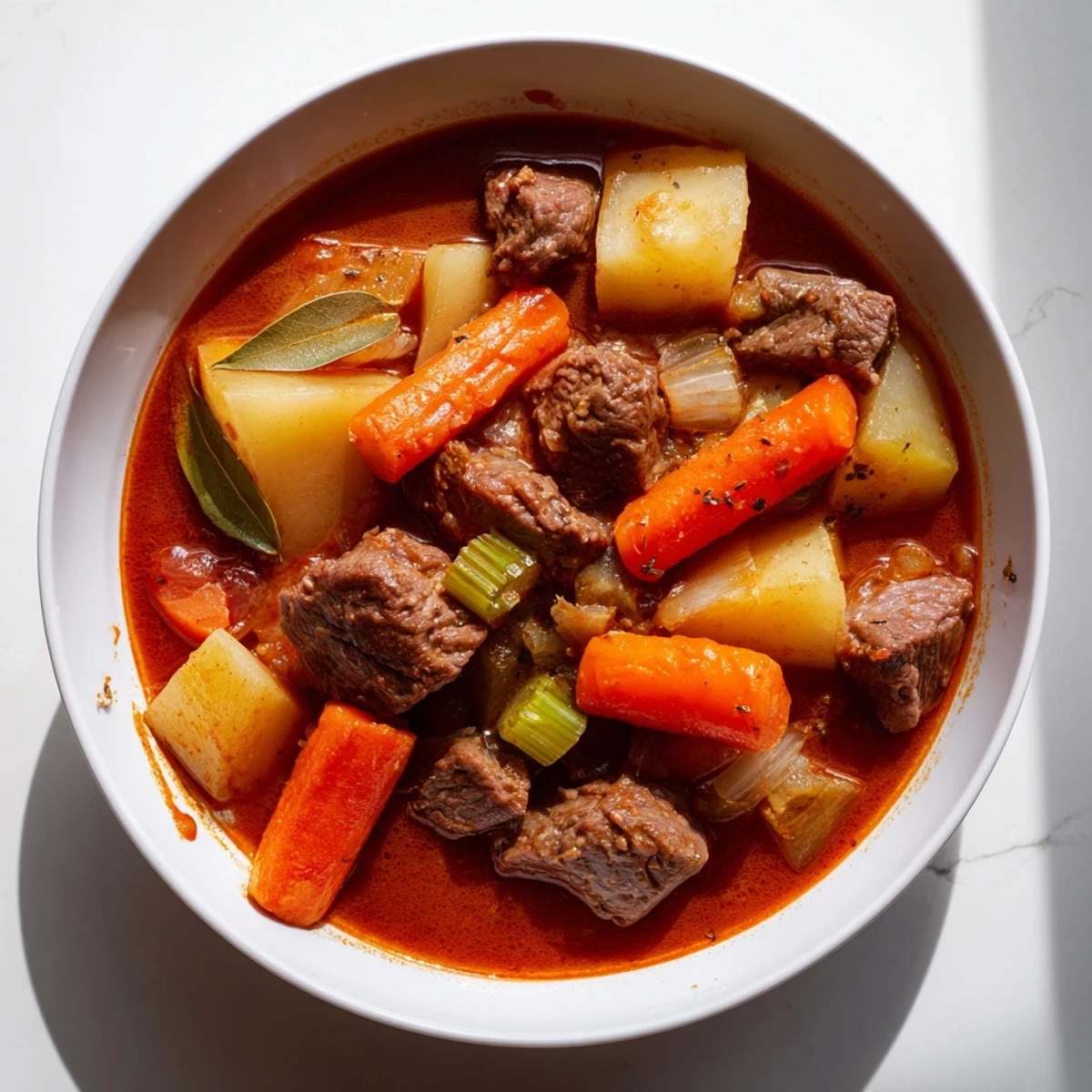
 This traditional Northern Italian dish features beef chuck slowly braised with onions, carrots, celery, and potatoes in a red wine and stock base. The long cooking time breaks down the tough meat into tender, melt-in-your-mouth pieces while creating a thick, flavorful sauce.
The key to success lies in properly searing the beef first to develop depth, then deglazing with dry red wine to incorporate those caramelized flavors. Fresh herbs like rosemary and bay leaves infuse the dish throughout the slow cooking process.
Perfect for making ahead—the flavors deepen overnight. Serve with crusty bread to soak up the rich sauce or over creamy polenta for a complete meal.
The rain was hammering against the kitchen window that November evening when I pulled out my grandmothers chipped Dutch oven and decided Spezzatino Di Manzo was the only reasonable answer to the cold. The smell of browning beef and red wine curling through the apartment made my neighbor knock on the door within twenty minutes, asking what on earth I was cooking. Some dishes feed you, and some dishes remind you why feeding people matters, and this rich Italian beef stew sits squarely in both camps.
I once made a double batch of this for a friends moving day, figuring a crowd of tired people carrying boxes deserved something warm and substantial, and three people asked for the recipe before the last box was even loaded onto the truck.
Ingredients
- Beef chuck (800 g, cubed): Chuck is the undisputed king of braising cuts because its marbling melts slowly into the sauce, creating richness that leaner cuts simply cannot match.
- Onions (2 medium, finely chopped): They form the sweet aromatic backbone of the entire dish, so do not rush their time in the pot.
- Carrots (2, sliced): They add natural sweetness and a gentle texture that balances the heavy meat.
- Celery (2 stalks, sliced): Celery brings a quiet earthiness that you might not notice on its own but would absolutely miss if it were gone.
- Potatoes (2 medium, peeled and cubed): They break down just enough to thicken the braising liquid while holding their shape in satisfying chunks.
- Garlic (2 cloves, minced): Added later in the process so its potency doesnt cook away before it matters.
- Dry red wine (250 ml): Use something you would gladly drink, because the stew will taste whatever the wine brings to the pot.
- Beef stock (500 ml): A good quality stock deepens the flavor dramatically, and homemade is worth the extra effort if you have it.
- Tomato paste (2 tbsp): Just a couple of tablespoons lend body and a subtle tang that ties everything together.
- Olive oil (2 tbsp): The starting fat that helps build the fond, which is where all the concentrated flavor lives.
- Bay leaves (2): Remove them before serving, but never skip them, because they do quiet work in the background.
- Fresh rosemary (1 sprig): A single sprig infuses the broth with piney warmth without taking over.
- Dried thyme (1 tsp): It pairs naturally with beef and adds a layer of herbaceous complexity.
- Salt and black pepper: Season gradually throughout cooking rather than all at once at the end.
Instructions
- Sear the beef with confidence:
- Heat olive oil in a large heavy-bottomed pot over medium-high heat and brown the beef cubes in batches, giving each piece space so it sears rather than steams, then set the browned meat aside on a plate.
- Build the vegetable base:
- Reduce heat to medium and add onions, carrots, and celery to the same pot, stirring and scraping up every last bit of browned fond from the bottom because that is pure concentrated flavor you do not want to lose.
- Wake up the garlic and tomato:
- Add minced garlic and tomato paste, stirring constantly for about two minutes until the kitchen smells impossibly fragrant and the paste darkens slightly.
- Let the wine do its work:
- Pour in the red wine to deglaze, scraping the pot one more time, and let it reduce by half over about five minutes so the sharp alcohol bite cooks off and what remains is deep fruity complexity.
- Bring it all together:
- Return the beef to the pot along with the potatoes, stock, bay leaves, rosemary, thyme, salt, and pepper, then stir gently so everything is submerged and cozy.
- Braise low and slow:
- Bring to a gentle simmer, cover tightly, and cook on low heat for two hours, stirring occasionally and peeking under the lid to watch the sauce slowly thicken and the beef turn fork-tender.
- Finish and taste:
- Fish out the bay leaves and rosemary sprig, then taste the sauce and adjust salt and pepper as needed before ladling into warm bowls.
 Save to Pinterest
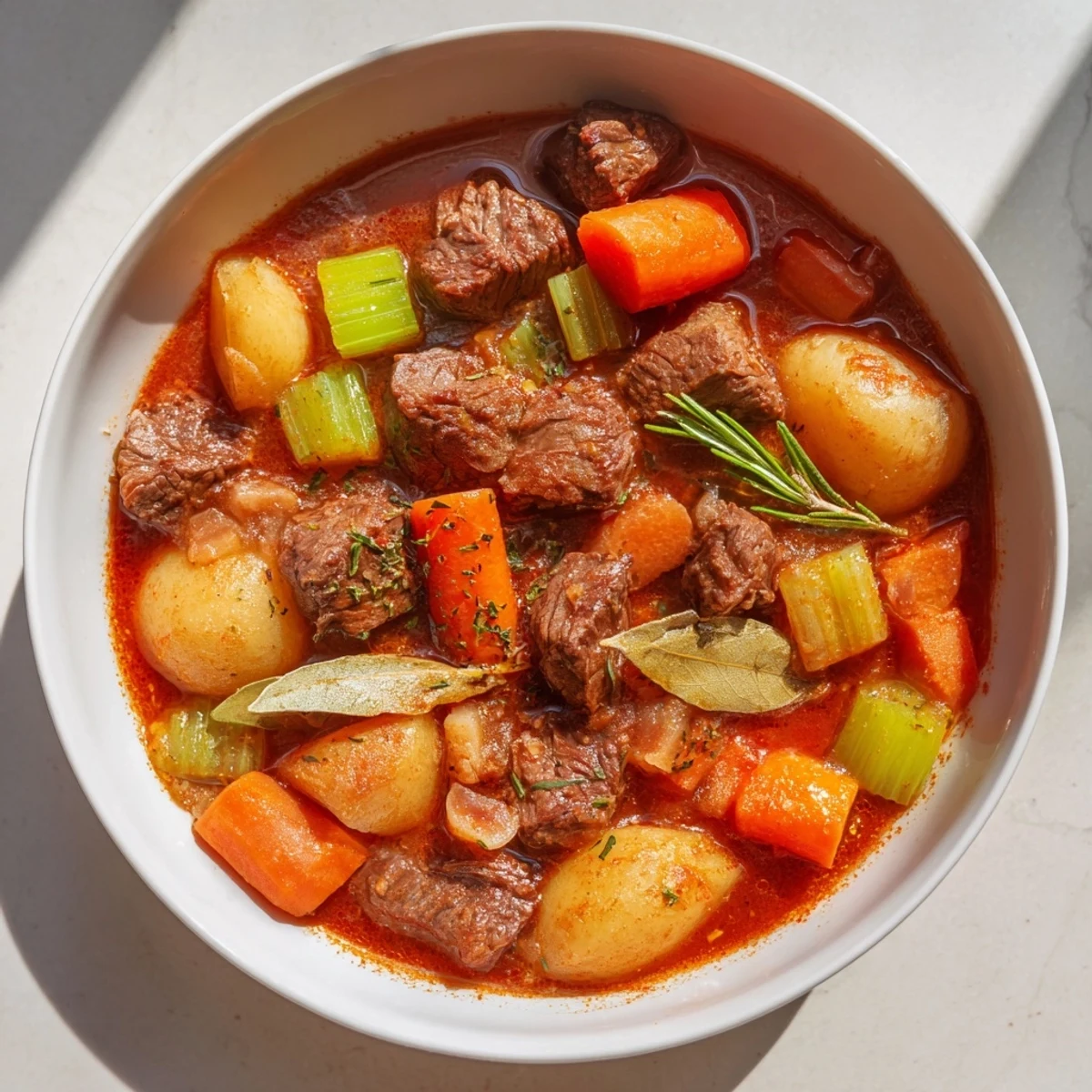
 There is something about ladling a steaming bowl of this stew for someone who has had a long day that goes beyond cooking and enters the territory of genuine care.
Serving Ideas Worth Trying
Rustic bread is the traditional companion, perfect for mopping up every drop of sauce, but a soft mound of creamy polenta underneath the stew turns it into something you would happily pay for at a trattoria in Rome.
Making It Ahead Changes Everything
This stew improves dramatically after a night in the refrigerator, as the flavors settle and marry, so if you have the luxury of time, cook it a day before you plan to serve it and gently reheat it on the stove.
Tools and Kitchen Notes
A heavy Dutch oven is really the ideal vessel because it distributes heat evenly and holds a steady low simmer better than most pots, but any thick-bottomed pot will serve you well if you keep the heat gentle and patient.
- A wooden spoon is gentler on the fond than metal when scraping the pot.
- A sharp knife makes quick work of cubing the beef and saves your wrists.
- Always check labels on store-bought stock and tomato paste if gluten is a concern.
 Save to Pinterest
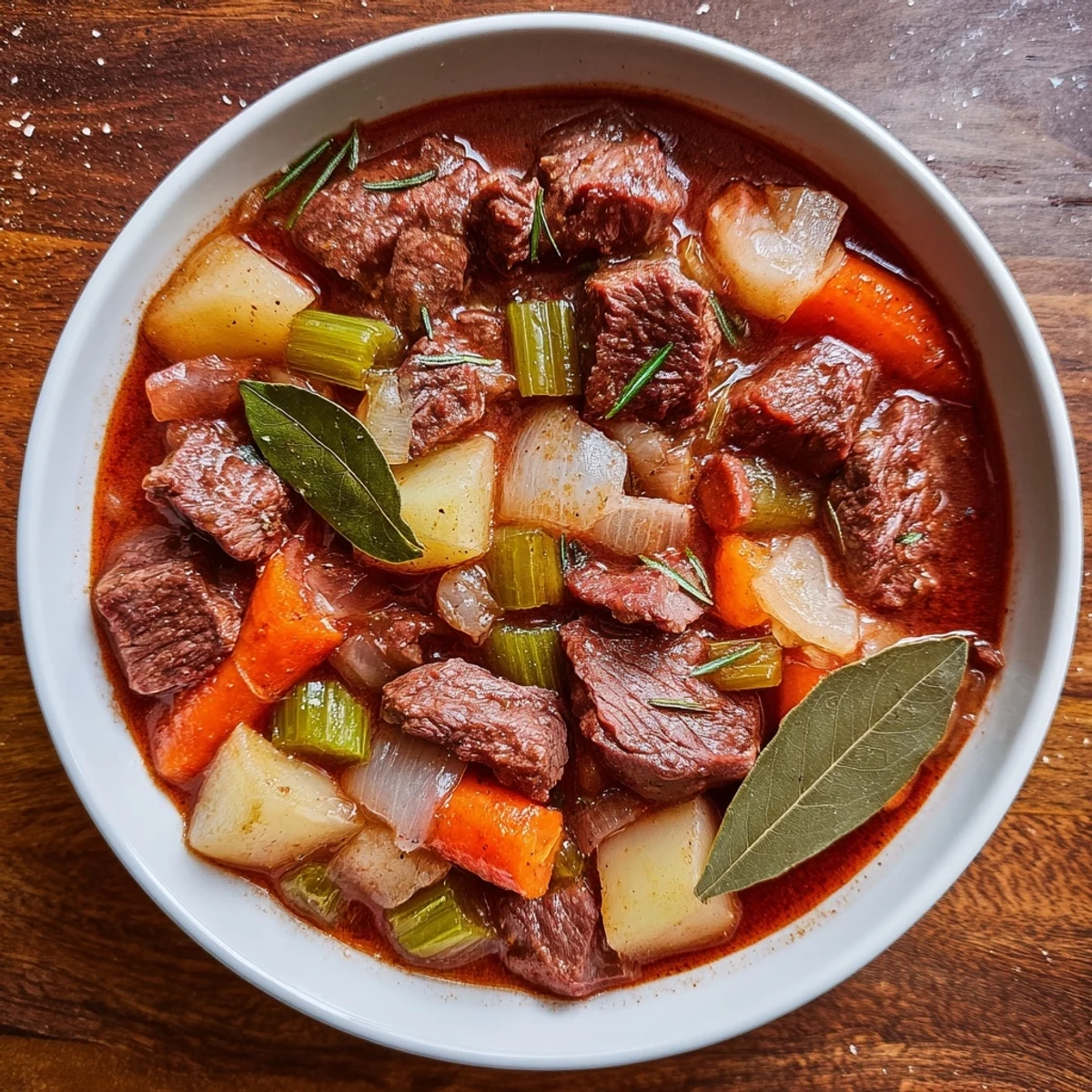
 Some recipes become staples because they are easy, but this one earns its place because it turns a cold evening into an occasion worth remembering. Keep it in your back pocket for the people you want to feel at home in your kitchen.
Common Questions
- → What cut of beef works best?
-
Chuck roast is ideal because it becomes tender during long braising. Look for well-marbled meat with some fat content for the most flavorful result.
- → Can I make this ahead?
-
Absolutely. This actually tastes better the next day as flavors develop. Store in the refrigerator for up to 3 days and reheat gently.
- → What wine should I use?
-
A dry Italian red like Chianti, Barbera, or Valpolicella works beautifully. Use something you'd enjoy drinking, as the flavor concentrates.
- → How do I know when it's done?
-
The beef should be fork-tender and easily pull apart. The sauce will have thickened naturally and the vegetables will be soft but not mushy.
- → What should I serve with it?
-
Rustic bread, polenta, or mashed potatoes are classic accompaniments. The starch helps soak up the rich, wine-infused sauce.
- → Can I freeze this?
-
Yes, it freezes well for up to 3 months. Cool completely, transfer to airtight containers, and thaw overnight in the refrigerator before reheating.