
 Save to Pinterest
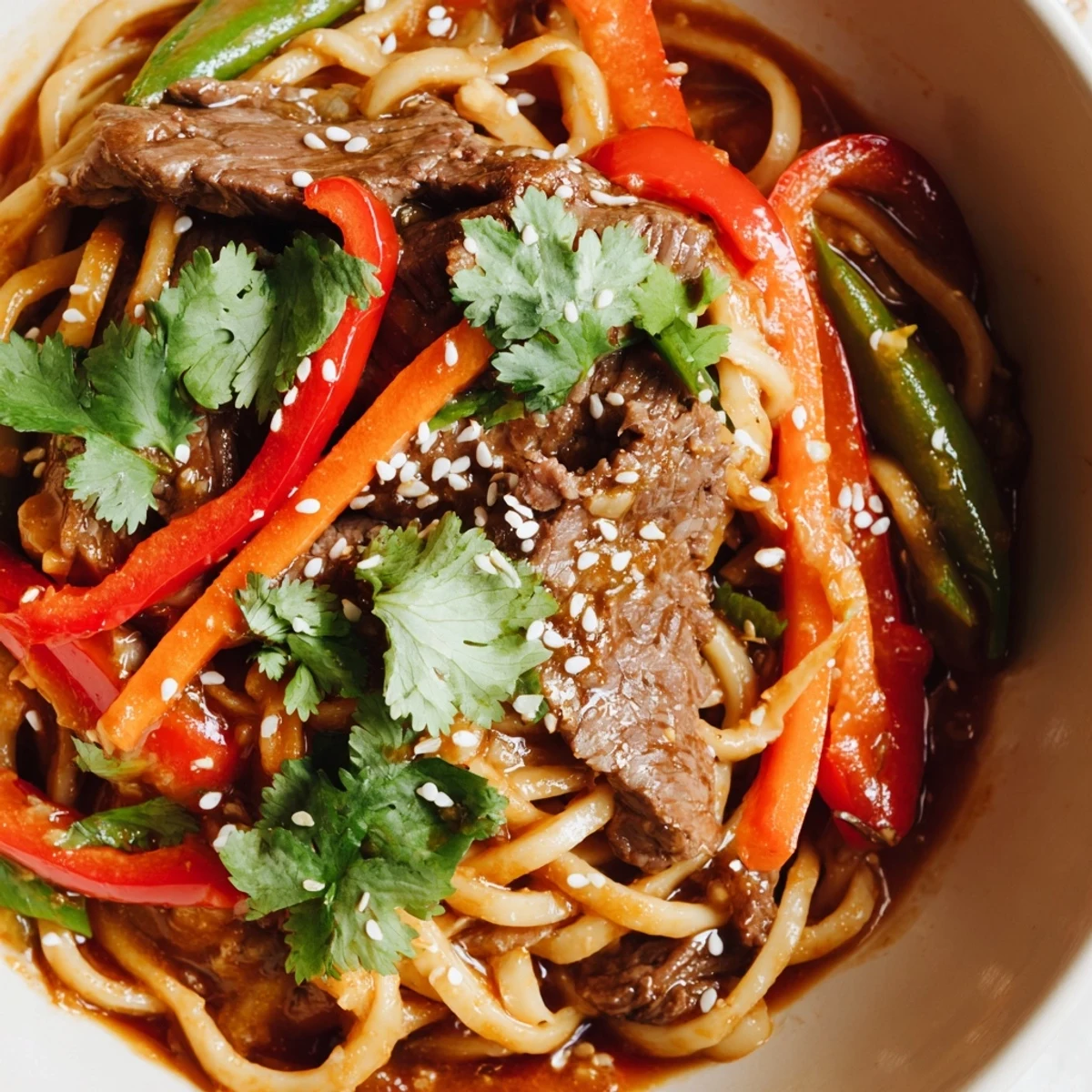
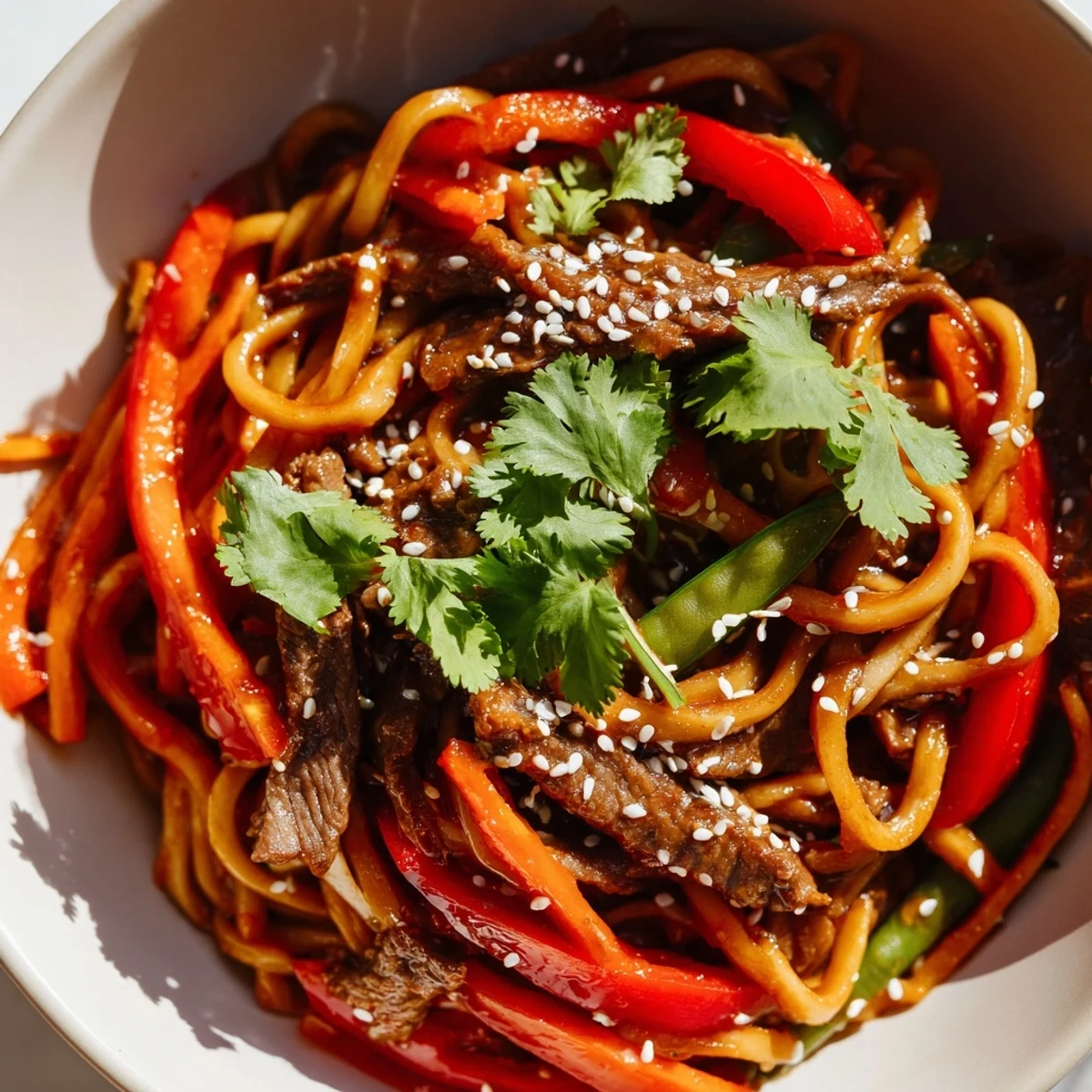
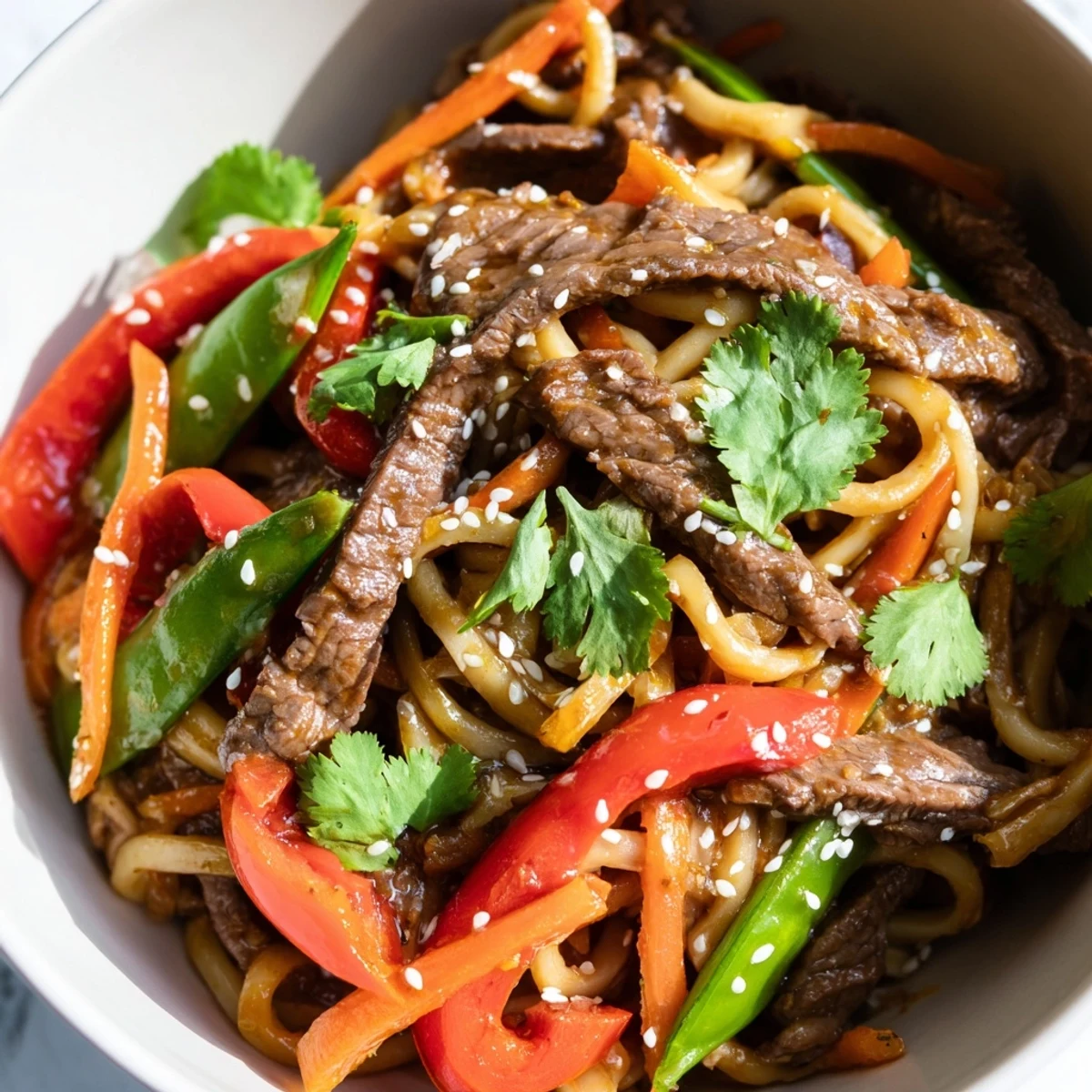
 This dish features thinly sliced beef marinated in soy and sesame oil, stir-fried with fresh vegetables like bell pepper, carrot, and snap peas. Wheat noodles are cooked and tossed with a savory, spicy sauce including chili garlic and oyster sauces. Garnished with sesame seeds and cilantro, it offers a quick, vibrant meal balancing heat and umami, perfect for those who enjoy bold flavors in their cooking.
Late one Thursday night, my roommate came home with a bag of takeout boxes and the most intoxicating smell hit me before she even kicked off her shoes—ginger, garlic, that deep umami from soy sauce, and a whisper of heat that made my eyes water. She'd ordered spicy beef noodles from a tiny place downtown, and I couldn't stop stealing bites. The next morning, I decided to chase that memory in my own kitchen, armed with nothing but determination and a wok I'd barely used. What emerged that afternoon was better than the original—the beef was more tender, the vegetables still had snap, and I could control exactly how much fire lived in that sauce.
I made this for my sister on her first night back in town, and she took one bite and immediately asked for the recipe in that serious way that means it actually landed. We were standing in my tiny kitchen, the wok still hot, steam rising between us, and she said it tasted like the place we'd gone to years ago on her birthday. That moment—when food becomes a shortcut through time—that's when I knew this recipe was something worth keeping close.
Ingredients
- Flank steak or sirloin, thinly sliced (350 g): The cut matters more than you'd think—flank has enough marbling to stay tender even with high heat, while sirloin gives you a slightly meatier chew.
- Soy sauce (1 tbsp for beef marinade, 3 tbsp for sauce): Use full-sodium soy, not the reduced version, because the salt is doing work beyond just flavor.
- Cornstarch and sesame oil (for marinade): These two work together to seal in moisture and create a subtle glossy finish on the beef.
- Fresh or dried wheat noodles (300 g): Udon or lo mein both work beautifully—thicker noodles grip sauce better than thin ones do.
- Red bell pepper, carrot, and sugar snap peas: The vegetables should still have resistance when you bite them, which only happens if you don't overcook this stage.
- Garlic and ginger: Mince them fine—they perfume the entire dish in just thirty seconds.
- Oyster sauce and chili garlic sauce: Oyster sauce adds depth that soy alone can't reach, while chili garlic sauce is where your heat lives.
- Rice vinegar and brown sugar: A pinch of each keeps the sauce balanced so it doesn't tip into one-note spice.
- Sesame seeds and cilantro: Don't skip the garnish—these aren't just decoration, they're the final note that makes you remember the bite.
Instructions
- Prep your beef with intention:
- Combine your thin beef slices with soy sauce, cornstarch, and sesame oil, then let it sit for ten minutes while you handle everything else. This isn't laziness—the cornstarch is coating each piece so it stays tender even when the heat gets serious.
- Get your noodles ready:
- Cook them exactly to package instructions, then rinse with cold water so they don't keep cooking and turn mushy. You want them to have a tiny bit of firmness left.
- Build your sauce:
- Whisk everything together in a small bowl and taste it—this is your only chance to adjust the heat before it all comes together. If you like things hotter, add more chili garlic sauce now.
- Sear the beef fast:
- Heat your wok until a drop of water dances and vanishes instantly, then work in batches so the beef browns instead of steams. This takes about two minutes per batch, and you'll know it's right when the edges curl slightly.
- Build flavor with aromatics:
- Add a little more oil if the wok looks dry, then hit the garlic and ginger for thirty seconds—count it out, because thirty seconds is exactly when that fragrance peaks. Add your vegetables and keep them moving for two to three minutes until they have color but still snap when you bite them.
- Bring everything together:
- Return the beef to the wok, add your noodles, pour the sauce over everything, and toss for about two minutes until the noodles are coated and heated through. The whole kitchen should smell like a proper dinner now.
- Finish with green things:
- Stir in the sliced spring onions at the very end so they stay bright and sharp.
 Save to Pinterest
 There's something about a dish that fills the whole house with its presence—where even someone upstairs can smell it and knows exactly what you're making. Spicy beef noodles have that power, and once you understand how the elements talk to each other, you'll find yourself making it on nights when you want to feel like you have it all figured out.
The Heat Game
Spice is a choice, not a punishment, which is why the chili garlic sauce comes as an adjustment rather than a fixed amount. Some people want it gentle and warm, others want it loud enough to clear your sinuses. Start with one tablespoon and taste a noodle—you can always add more, but you can't take it back. I learned this the hard way, of course, by making it so hot the first time that my dad ate three bites and reached for milk like his mouth was on fire.
On Substitutions
This recipe is flexible enough to handle whatever protein is in your fridge or freezer. Chicken breast works beautifully if you slice it the same thickness as the beef, tofu if you want it dairy-free and vegetarian, shrimp if you're feeling fancy and have them on hand. The sauce doesn't care what holds it—it's too good to waste on just one possibility.
Why This Works Every Time
The secret isn't any single ingredient—it's the sequence and the heat. You brown the beef, build fragrance with aromatics, vegetables get a quick kiss of high heat, then everything comes together in the sauce.
- Buy the best soy sauce you can find because you're using three tablespoons of it and it makes an actual difference.
- Don't walk away from the wok—this whole thing is fast and needs your attention for about fifteen minutes.
- Taste as you go because everyone's stove runs different and your chili garlic sauce bottle isn't exactly like someone else's.
 Save to Pinterest
 Make this when you want restaurant-quality dinner without the wait or the price tag. Once you've done it once, it becomes the go-to dish for Thursday nights when you're hungry and tired but still want something that tastes like you actually tried.
Common Questions
- → What cut of beef works best for this dish?
-
Flank steak or sirloin, thinly sliced, works well due to their tenderness and quick cooking time.
- → How can I adjust the spice level?
-
Modify the amount of chili garlic sauce to increase or decrease heat according to your preference.
- → Which noodles are recommended?
-
Fresh or dried wheat noodles like udon or lo mein provide the ideal texture and absorb the sauce nicely.
- → Can I substitute the beef?
-
Yes, chicken, tofu, or shrimp are great alternatives to suit different dietary needs or preferences.
- → What garnishes enhance the dish?
-
Sesame seeds, fresh cilantro, and extra sliced spring onions add aroma and texture to the dish.