
 Save to Pinterest
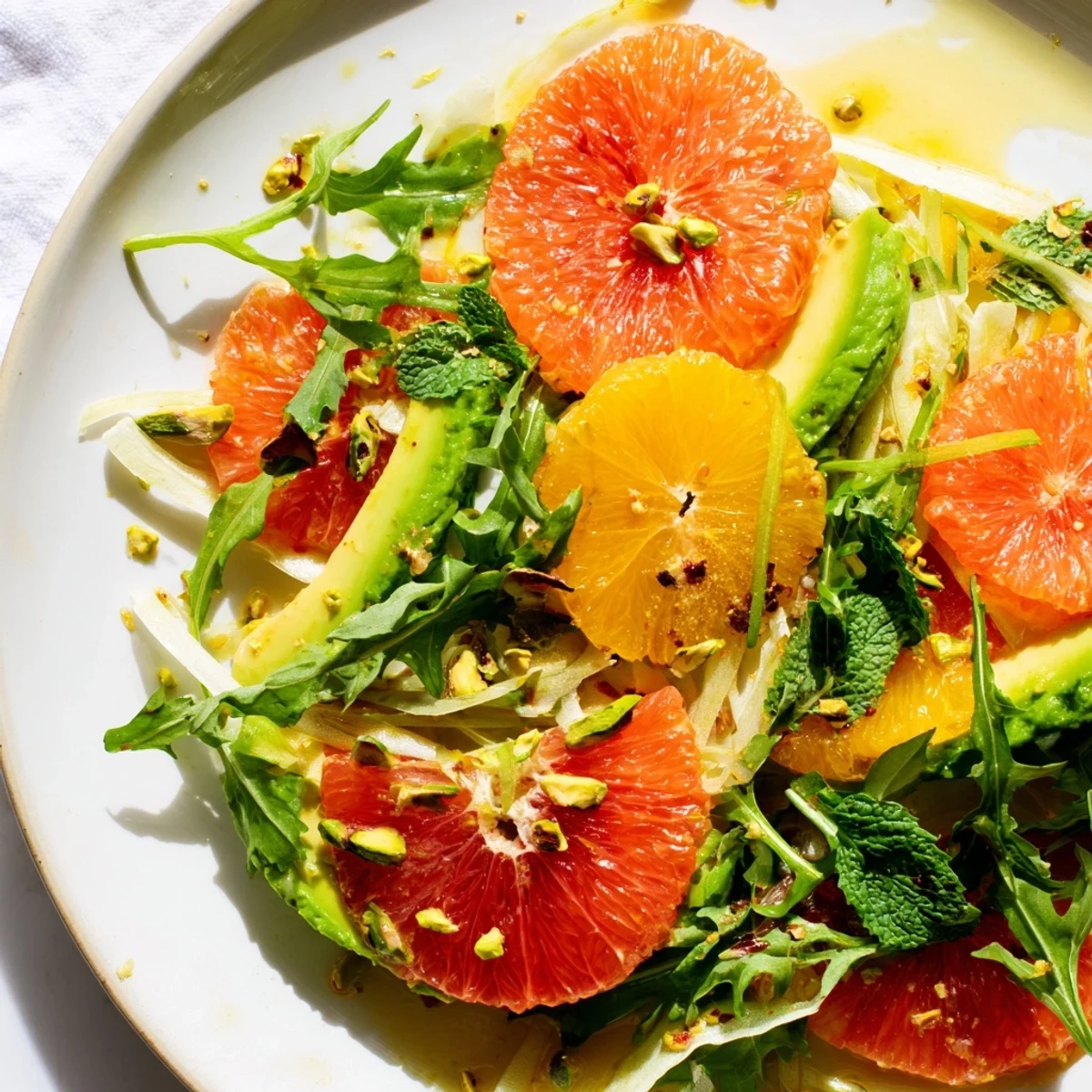
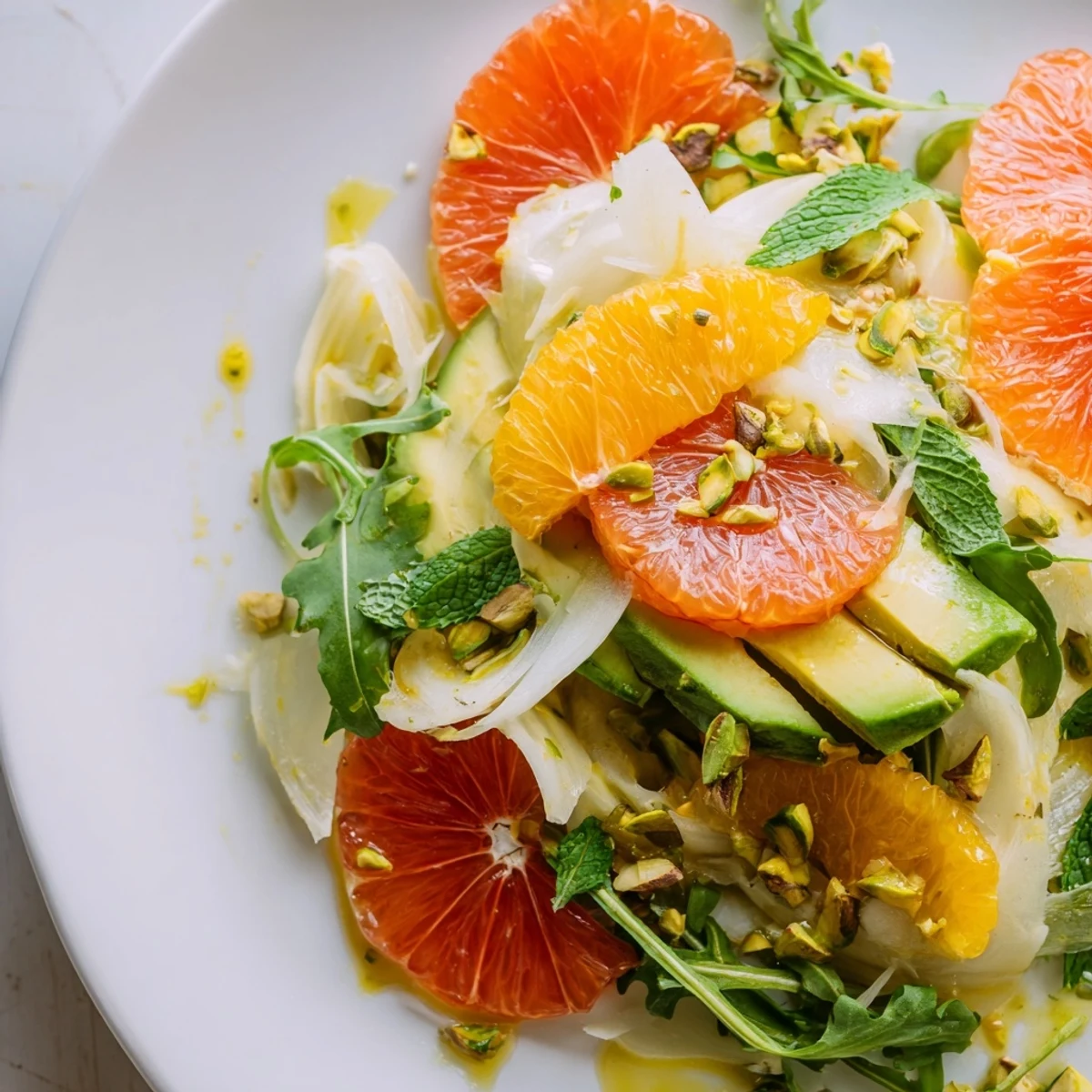
 This dish showcases the fresh flavors of juicy winter citrus paired with thinly sliced fennel and creamy avocado. Tossed with a light dressing, it is complemented by fresh mint leaves and crunchy toasted nuts for texture. Ideal as a refreshing vegan and gluten-free Mediterranean-inspired option, its balance of sweet, tangy, and creamy elements creates a pleasing contrast on the palate. Ready in just 15 minutes, it brightens cold days effortlessly.
There's something about watching winter citrus glow on a cutting board that makes the season feel less grey. I stumbled onto this combination one February afternoon when I had blood oranges, a stubborn fennel bulb I wasn't sure about, and half an avocado that needed rescuing. The result was so bright and unexpected that I've made it at least once every cold month since, each time discovering a new way the flavors talk to each other.
I made this for a lunch party once and was shocked when someone asked for the recipe before even finishing their plate. What struck me was how it managed to feel both casual and special at the same time, like we were eating something effortless when really I'd just arranged beautiful things on a platter and let them do their own thing.
Ingredients
- Blood or Cara Cara oranges: These varieties are sweeter and less acidic than regular oranges, which keeps the salad from tasting too sharp.
- Grapefruit: Pink or ruby varieties add visual drama and a gentle bitterness that balances the sweetness.
- Fennel bulb: Slice it as thin as you can manage; it loses its licorice intensity when raw and becomes this crispy, almost delicate thing.
- Ripe avocado: This is where patience matters, so pick one that yields just slightly to pressure and wait until the last moment to slice it.
- Arugula or mixed greens: These form the base and catch all the juices, so don't skip them even if you think you just want the toppings.
- Fresh mint: Torn rather than chopped keeps it from bruising and losing its oils.
- Extra-virgin olive oil: A good one makes an audible difference; you'll taste the difference immediately.
- Fresh lemon juice: Squeeze it yourself if you can, which takes two extra minutes and changes everything.
- Honey or maple syrup: Just a touch rounds out the dressing without making it sweet.
- Sea salt and black pepper: Freshly ground pepper is worth the small effort here.
- Toasted pistachios or almonds: The toasting step brings out their natural oils and makes them taste less like an afterthought.
- Orange zest: A microplane does this in seconds and adds brightness that surprised me the first time I tried it.
Instructions
- Make the dressing first:
- Whisk together the olive oil, lemon juice, honey or maple syrup, salt, and pepper in a small bowl until it tastes balanced to you, which means not too sharp and not too mild. Set it aside while you prep everything else so the flavors have a moment to settle.
- Prepare your canvas:
- Spread the arugula or mixed greens across a large serving platter, using your hands to create gentle pockets and texture rather than pressing it flat. Think of it as the base layer that will hold everything together.
- Layer the citrus:
- Arrange the orange and grapefruit slices over the greens, letting them overlap slightly like roof tiles so they catch some dressing but stay visible. The slight overlapping also keeps them from sliding around.
- Add the fennel and avocado:
- Scatter the thin fennel slices and avocado slices across the salad, distributing them so each bite will have a little of both. The fennel brings a textural snap that surprises people every time.
- Dress and finish:
- Drizzle the dressing evenly across everything, using your eyes rather than measuring so it looks intentional rather than drowned. Tear the mint leaves over top, scatter the nuts, add orange zest if you're using it, and serve right away while everything is still crisp.
 Save to Pinterest
 What made me keep coming back to this salad was the moment a friend who usually picks around salads actually went back for seconds. There's something quietly powerful about watching food break through someone's expectations.
Why Winter Citrus Matters
Winter is when citrus peaks, which is kind of nature's way of saying you need brightness when the days are short. Blood oranges, grapefruits, and lemons all reach their sweetest, juiciest point somewhere between December and February, and using them then tastes like you're working with the season instead of against it. This salad is my way of celebrating that, of making something that tastes like late afternoon sun even when it's only 5 p.m.
The Fennel Revelation
I used to be nervous about fennel because of its strong licorice smell, but I learned that raw fennel is almost nothing like cooked fennel. Sliced paper-thin and eaten raw, it becomes this crispy, slightly sweet thing that plays beautifully with citrus. It also adds a textural element that keeps the salad from feeling like just a pile of soft things, which matters more than you'd think.
Building Flavor and Balance
This salad works because of contrast: juicy against crispy, sweet against slightly bitter, rich against light. The dressing is what ties it all together, so don't undersalt it or hold back on the lemon juice. When you taste the dressing on its own, it should be bold enough to make you pause, which sounds dramatic but is the truth about good vinaigrettes.
- Add pomegranate seeds or red onion if you want color and another layer of flavor without much extra effort.
- For protein, crumbled feta or goat cheese works if you're not keeping it vegan, or roasted chickpeas if you want to keep it plant-based.
- Make the dressing up to a day ahead and let it sit in the fridge; it actually tastes better the next day once everything has mingled.
 Save to Pinterest
 This salad has become my answer to the question of what to bring to winter gatherings when everyone else is bringing heavy things. It reminds people that winter food doesn't have to feel like winter.
Common Questions
- → What type of citrus works best in this dish?
-
Blood oranges, Cara Cara oranges, and grapefruit provide vibrant color and balanced sweetness ideal for this preparation.
- → Can the dressing be adjusted for vegan preferences?
-
Yes, substitute honey with maple syrup to keep the dressing vegan while maintaining sweetness.
- → How should the fennel be prepared for best texture?
-
Slice the fennel bulb thinly to preserve its crisp texture and mild anise flavor, which complements the citrus well.
- → What nuts are suggested as toppings?
-
Toasted pistachios or sliced almonds add a pleasant crunch and nutty richness to the dish.
- → Is this suited for gluten-free and vegan diets?
-
Yes, the combination of ingredients naturally supports both gluten-free and vegan dietary needs.
- → What servings yield does this preparation provide?
-
It yields approximately four servings, perfect for sharing or a light meal.