
 Save to Pinterest
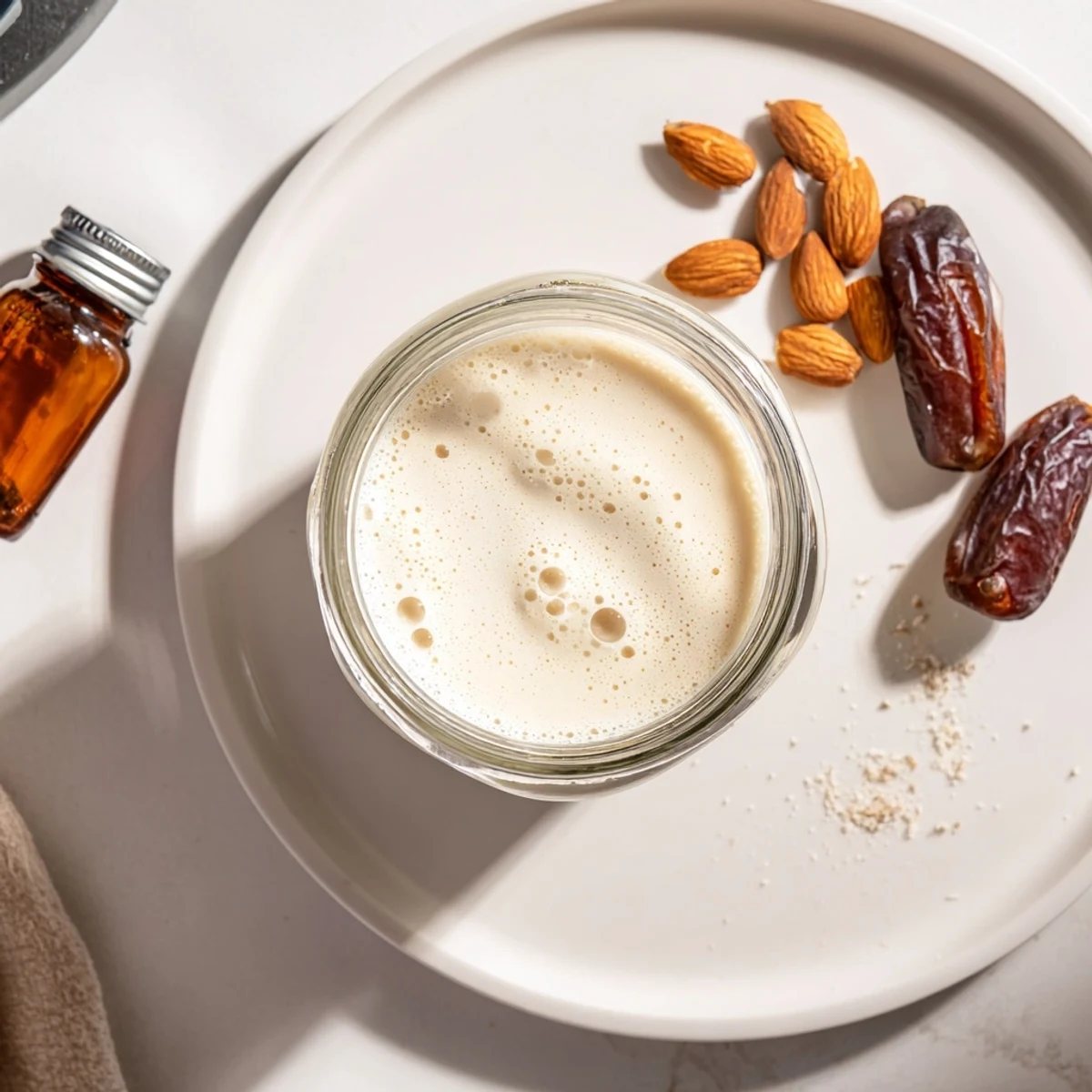
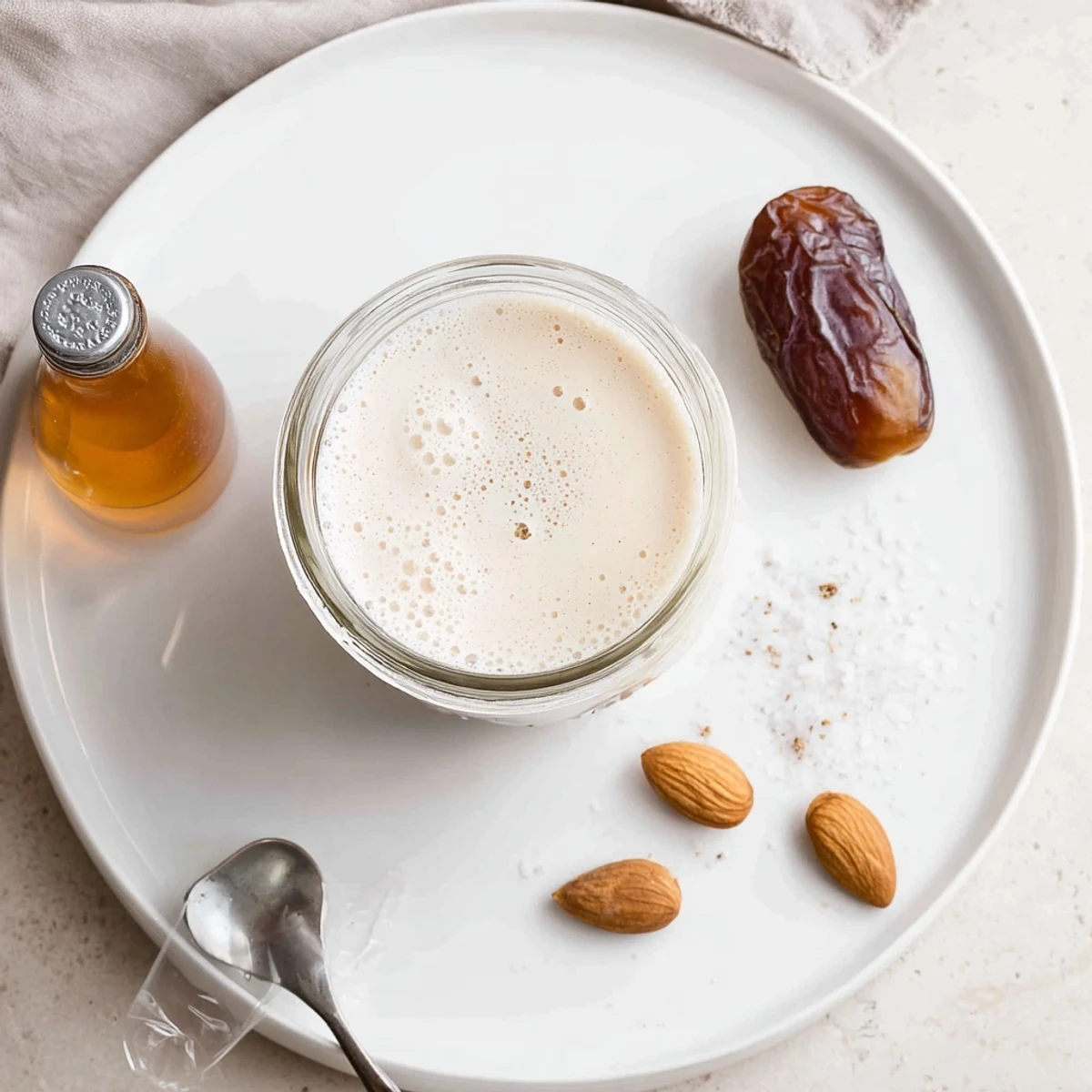
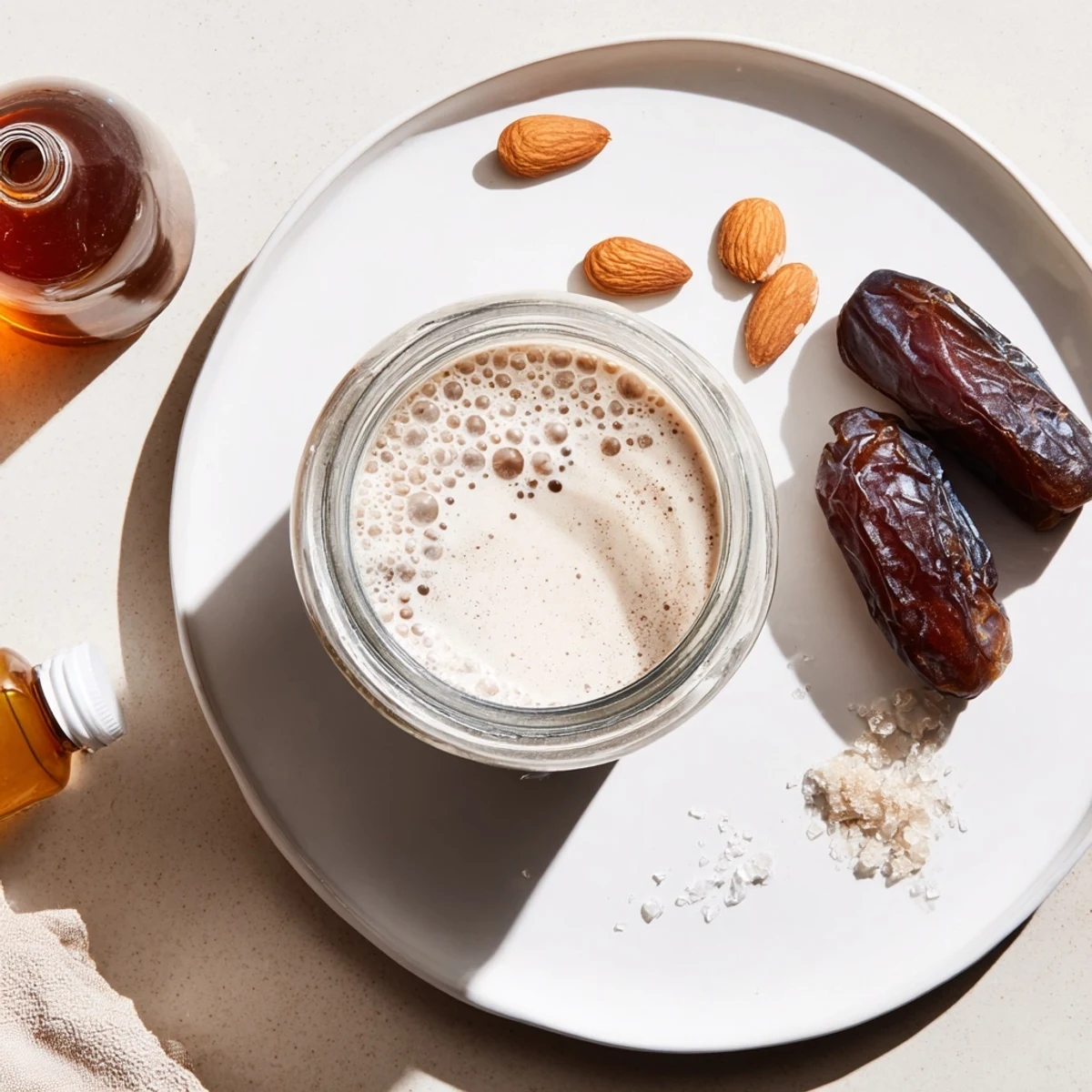
 Soak raw almonds overnight, then drain and blend with filtered water until very smooth. Strain through a nut milk bag or fine mesh to extract the liquid, squeezing out the pulp. Sweeten with dates or flavor with vanilla and a pinch of salt. Adjust water for thinner or creamier texture. Refrigerate in a sealed jar and use within 3–4 days; reserve pulp for baking or smoothies.
My blender was protesting at 6 AM on a Tuesday, rattling against the counter like it had a personal vendetta against almonds. I had run out of store-bought milk and coffee was not negotiable. That morning taught me something important: homemade almond milk is absurdly easy, and once you taste the real thing, the carton version feels like a watercolor painting of a sunset compared to standing outside.
My neighbor Linda knocked on my door later that week asking what that creamy stuff was in my coffee when I brought a cup out to the garden. She now makes a batch every Sunday and swears her kids pour it over cereal without complaint, which is apparently a miracle in that household.
Ingredients
- Raw almonds (1 cup, 150 g): Use truly raw, unsalted almonds because roasted ones will give the milk a heavy, toasted flavor that fights against the delicate sweetness you want.
- Filtered water (4 cups, 1 liter, plus more for soaking): The quality of your water matters here since it is the base of everything, and tap water with a chlorine taste will come through.
- Dates, pitted (1 to 2, optional): These add a gentle, caramel-like sweetness that feels more natural than refined sugar and blends seamlessly into the milk.
- Vanilla extract (1 tsp, optional): A small splash rounds out the flavor and makes it feel like a treat rather than just a milk substitute.
- Sea salt (pinch, optional): Salt does not make it salty, it just wakes up the other flavors and balances the sweetness beautifully.
Instructions
- Soak the almonds:
- Cover the almonds with plenty of water in a bowl and let them soak at least 8 hours or overnight until they look plump and tender between your fingers.
- Drain and rinse:
- Dump the soaking water and rinse the almonds well under cool running water until it runs clear, because that soaking liquid carries bitterness you do not want in your milk.
- Blend everything:
- Toss the soaked almonds into your blender with 4 cups of fresh filtered water plus the dates, vanilla, and salt if you are using them, then blend on high for 1 to 2 minutes until the mixture looks completely smooth and frothy on top.
- Strain the milk:
- Pour the blended mixture through a nut milk bag or cheesecloth into a large bowl, gathering the fabric and squeezing firmly with both hands until the pulp inside feels nearly dry and you have extracted every last drop.
- Store and enjoy:
- Transfer your fresh almond milk into a clean bottle or jar, pop it in the refrigerator, and give it a good shake before each use because natural separation is completely normal and expected.
 Save to Pinterest
 There is something quietly satisfying about pouring milk you made yourself into a glass, watching the way it catches the light differently than the store-bought kind. It became a small ritual for me, a Sunday morning rhythm that feels grounding.
Getting the Right Consistency
If your first batch feels too thin, reduce the water to 3 cups next time for a creamier result that coats the tongue more luxuriously. For a lighter milk perfect for drinking straight or pouring over granola, stick with the full 4 cups and it will pour like a dream.
Flavor Variations Worth Trying
Once you have the basic recipe down, the fun really begins with additions like a tablespoon of cocoa powder for chocolate milk or a dash of cinnamon and honey for something warm and comforting. My favorite unexpected twist was blending in a handful of frozen strawberries, which turned the milk a pale blush pink and tasted like a milkshake without the guilt.
Storage and Freshness
Fresh almond milk lasts 3 to 4 days in the refrigerator, which means a batch made on Sunday gets you through most of the work week before it is time to make more. You will know it has turned when it smells slightly sour or tastes sharper than usual, so trust your senses over the calendar.
- Always use a very clean bottle because any residual bacteria will shorten the shelf life significantly.
- Freeze extra milk in ice cube trays for smoothies if you cannot finish a batch in time.
- Shake vigorously before pouring since separation is a sign of purity, not a problem.
 Save to Pinterest
 Homemade almond milk is one of those tiny kitchen victories that makes you feel capable and resourceful, like you have unlocked a small secret the grocery store never wanted you to know. Pass it on.
Common Questions
- → How long should almonds be soaked?
-
Soak raw almonds at least 8 hours or overnight for the softest texture and sweetest flavor. Extended soaking helps remove bitterness and yields a smoother milk when blended.
- → Can I use roasted or salted almonds?
-
Avoid roasted or salted almonds; they produce off flavors and saltiness. Use raw, unsalted almonds for a clean, neutral base that blends into smooth milk.
- → How do I make the milk creamier?
-
Use less water relative to almonds for a creamier mouthfeel, or add a small handful of soaked cashews. Blending longer at high speed also helps emulsify fats for a richer texture.
- → What’s the best way to strain almond milk?
-
Strain through a nut milk bag, double-layered cheesecloth, or fine mesh sieve. Squeeze or press firmly to extract maximum liquid; re-strain if finer clarity is desired.
- → How should I store the milk and how long does it last?
-
Store in a sealed bottle or jar in the refrigerator and shake before use. Fresh almond milk keeps well for 3–4 days; discard if it smells sour or separates excessively.
- → What can I do with the leftover almond pulp?
-
Dry or use the pulp in baked goods, smoothies, granola, or crackers. It can be gently baked to remove moisture and incorporated into doughs for added fiber and almond flavor.