
 Save to Pinterest
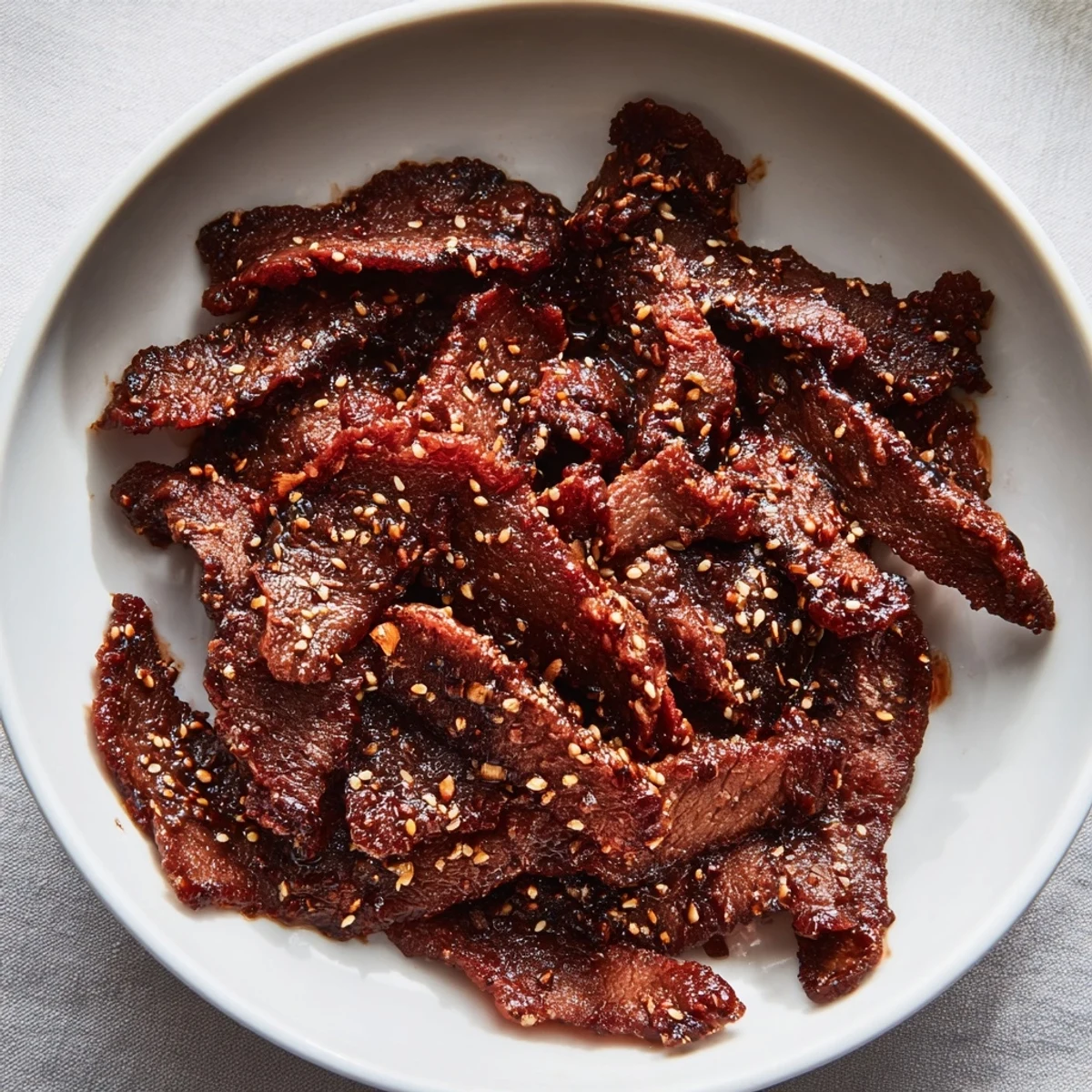
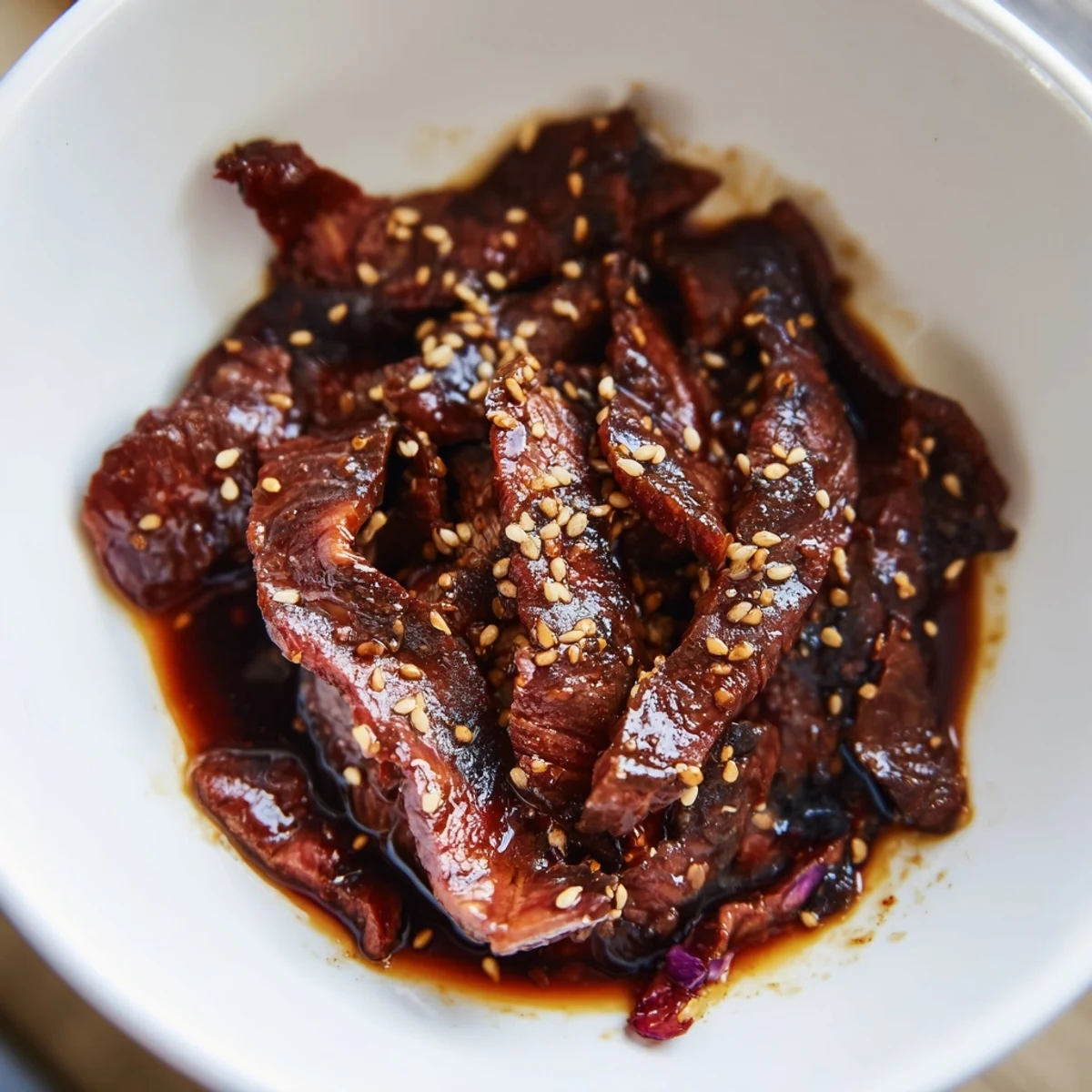
 This Korean beef bowl combines thinly sliced marinated beef with gochujang, sesame oil, and garlic for authentic spice and depth. Serve over fluffy steamed jasmine rice with fresh julienned carrots, cucumber, radishes, and scallions for crunch and brightness. Ready in just 35 minutes, it's an easy weeknight dinner that feels restaurant-quality. Customize the heat level with extra gochujang or sriracha, and swap the beef for tofu or chicken if preferred.
The aromatic scent of sesame oil hitting a hot wok takes me straight back to my tiny apartment kitchen where I first attempted Korean cooking. My hands were shaking as I added that vibrant red gochujang paste to the marinade, unsure if Id gone too bold for my unaccustomed palate. The sizzle of beef hitting that scorching pan and the sweet-spicy fragrance that filled my home told me this Spicy Korean Beef Bowl would become a staple long before I took my first bite.
Last winter, when my friend Mia was going through a rough patch, I invited her over without mentioning Id be cooking. The moment she walked in, the fragrance of ginger and garlic sizzling with beef stopped her mid-sentence. We sat cross-legged on my living room floor with these steaming bowls, and somewhere between bites of spicy beef and crunchy vegetables, her shoulders relaxed and she finally smiled. Food has this magical way of providing comfort when words fall short.
Ingredients
- Gochujang: This Korean chili paste is the heart and soul of the dish, offering a complex sweet heat that store-bought hot sauces just cant replicate.
- Flank steak: I learned to slice this against the grain while its still slightly frozen for the most tender result.
- Sesame oil: Just a tablespoon transforms the entire dish with its nutty depth, but add it to the marinade rather than cooking with it to preserve its flavor.
- Short-grain rice: The slightly sticky texture creates the perfect base to soak up all those incredible beef juices and marinade.
Instructions
- Prepare your rice first:
- Rinse the rice until the water runs clear, which removes excess starch and prevents gumminess. Once its simmering, resist the urge to peek under the lid, as that precious steam is what makes it perfectly fluffy.
- Create your flavor bomb:
- Whisk together the marinade ingredients until the brown sugar completely dissolves, ensuring every slice of beef gets evenly coated. The longer you can let this sit, the deeper the flavor will penetrate.
- Master the quick-fire stir-fry:
- Get your pan screaming hot before adding the oil and beef. Youll know youre doing it right when you hear that satisfying sizzle and see caramelization forming within seconds.
- Build your bowl with intention:
- Start with a base of rice, then add beef to one side rather than on top, and arrange vegetables in colorful sections. This isnt just for looks, its about creating the perfect bite with all the elements.
 Save to Pinterest
 One particularly hectic Tuesday, I threw this together while simultaneously helping my nephew with math homework over video chat. The mindless chopping of vegetables and the rhythmic stirring of beef somehow cleared my head enough to remember middle school algebra. When we finished both the homework and the meal prep, I realized this dish had become my culinary equivalent of comfort food, not just in taste but in the meditative process of preparing it.
Serving Suggestions
Ive found that serving this family-style, with all components in separate bowls, creates this wonderful interactive dinner experience. Something magical happens when everyone builds their own bowl, adjusting the ratio of spicy beef to cooling cucumber according to their preference. Even my most particular eater feels ownership over the meal and inevitably tries components they might otherwise avoid.
Storage and Reheating
After an impulsive decision to meal prep six portions of this, I discovered the beef actually develops an even deeper flavor after a day in the refrigerator. The key to successful reheating is keeping the fresh vegetables separate until serving time, and adding a tiny splash of water to the rice before microwaving to revive its texture. The beef itself needs just a quick 30-second zap to avoid turning tough.
Making It Your Own
What began as a strictly traditional recipe has evolved in my kitchen through countless iterations and happy accidents. Once when I ran out of gochujang, I substituted with a blend of miso and sriracha which created an entirely different but equally delicious profile that my heat-sensitive friends actually preferred.
- For a low-carb version, serve over cauliflower rice or fresh greens instead of traditional rice.
- Add a fried egg with a runny yolk on top for an extra layer of richness that transforms this into a spectacular weekend brunch.
- Keep some quick-pickled vegetables in the refrigerator to add brightness when youre short on fresh produce.
 Save to Pinterest
 This Spicy Korean Beef Bowl has become more than just a recipe in my collection, its the meal I turn to when I need both comfort and excitement on the same plate. Whether youre cooking for yourself or sharing with loved ones, theres something uniquely satisfying about bringing together these bold flavors and textures in a single bowl.
Common Questions
- → Can I prepare the beef marinade ahead of time?
-
Yes, you can marinate the beef for up to 4 hours in the refrigerator for deeper flavor. For quick preparation, marinating for just 10 minutes will still provide good taste.
- → What type of rice works best for this dish?
-
Jasmine or short-grain white rice is ideal for its fluffy texture and slight fragrance. Brown rice is an excellent alternative for added fiber and nuttiness, though it requires longer cooking time.
- → How do I make this dish spicier?
-
Increase the gochujang in the marinade from 1 tablespoon to 1.5 tablespoons, or add a drizzle of sriracha on top. You can also include fresh sliced Korean red chili peppers as a garnish.
- → Is this suitable for dietary restrictions?
-
Easily adaptable: substitute beef with tofu or chicken for different proteins. For gluten-free, use tamari instead of soy sauce and verify gochujang is gluten-free. Check kimchi labels for fish sauce if needed.
- → What can I serve alongside this bowl?
-
Kimchi is the traditional accompaniment for authentic Korean flavor. Steamed edamame, pickled vegetables, or a fresh cucumber salad complement the spicy beef perfectly. Miso soup makes an excellent side.
- → How should I store leftovers?
-
Store cooked beef and rice separately in airtight containers for up to 3 days. Keep fresh vegetables separate to maintain crispness. Reheat beef gently in a skillet, and serve vegetables fresh or chilled.