
 Save to Pinterest
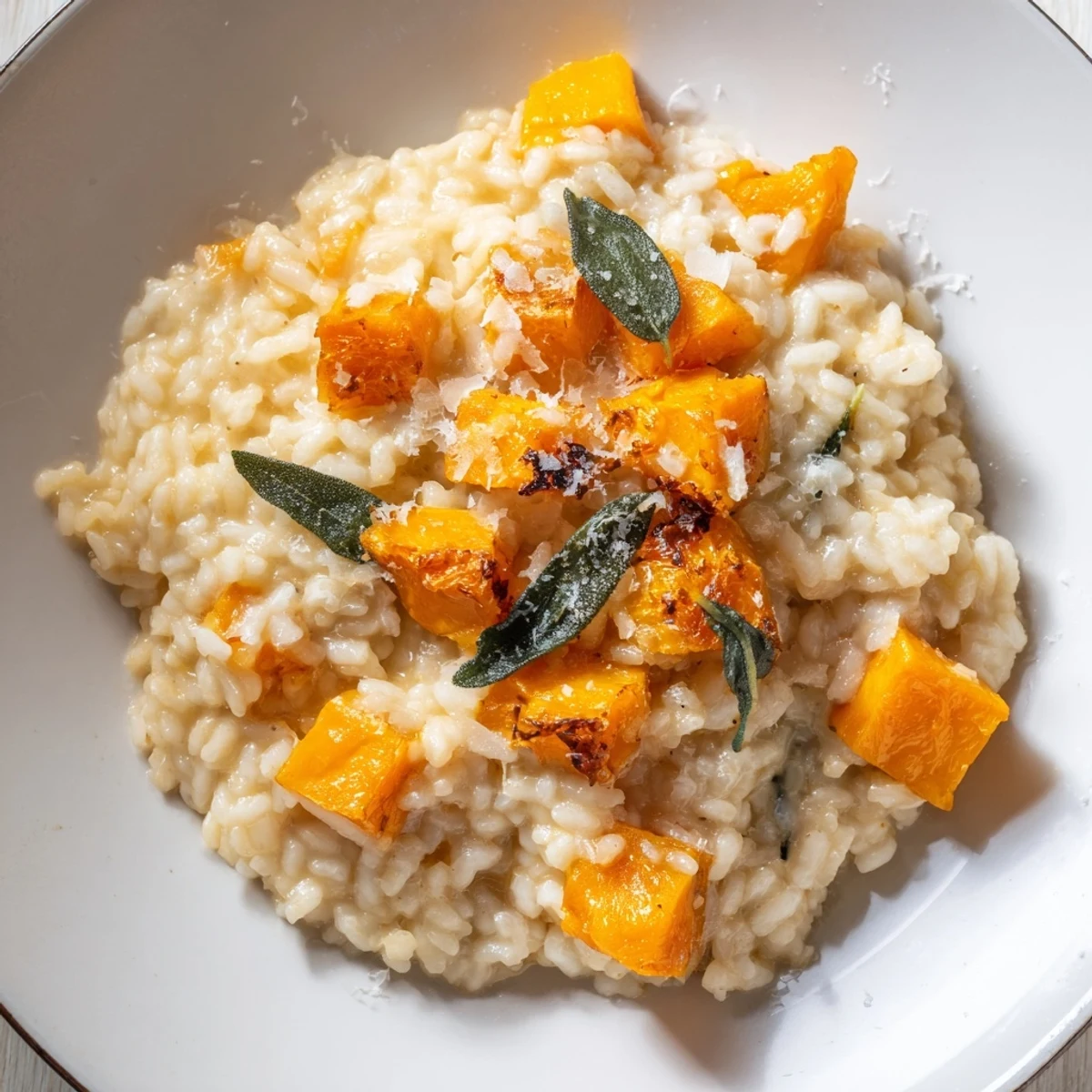
 This classic Italian risotto combines creamy Arborio rice with roasted winter squash, fresh sage, and Parmesan cheese for a rich, comforting dish. Begin by roasting cubed squash until caramelized, then prepare the risotto base with sautéed onion, garlic, and sage. Toast the rice before gradually adding warm vegetable broth, stirring frequently until creamy and al dente. Fold in the roasted squash and finish with butter and Parmesan for a luxurious texture. Serve immediately garnished with fresh sage and extra cheese.
The first time I made this winter squash risotto, I was mesmerized by how the cubes of butternut slowly melted into the creamy rice, creating pockets of sweetness amid the savory broth. My kitchen filled with the herbaceous aroma of sage crisping in butter while outside, autumn leaves spiraled past my window. Something about the rhythm of stirring risotto forces you to slow down, to breathe, to be present with your food.
Last November, I brought this risotto to a potluck dinner where my friend Sarah, who always claimed to hate squash, took one reluctant spoonful to be polite. I caught her returning for seconds, then thirds, and now she asks for this recipe whenever the temperature drops below 60 degrees. The rich golden color against the dark evening somehow made everyone at the table lean in closer to one another.
Ingredients
- Winter squash: I prefer butternut for its natural sweetness and smooth texture, but after my garden went wild one year, I discovered acorn squash creates a more rustic version with beautiful flecks of green skin.
- Arborio rice: The high starch content is absolutely non-negotiable for that signature creamy texture, something I learned the hard way after trying to substitute regular rice during a pantry emergency.
- Fresh sage: Dried sage simply cannot capture the same aromatic pine-like fragrance that fresh leaves release when they hit warm butter, transforming the entire dish.
- Parmesan cheese: Spring for the real block and grate it yourself, as the pre-grated stuff contains anti-caking agents that prevent it from melting properly into that silky finish we want.
Instructions
- Roast the squash:
- Toss those beautiful cubes with olive oil until they glisten before spreading them on a baking sheet, giving them plenty of space to caramelize rather than steam. The edges should develop a golden-brown crust that intensifies the squash's natural sweetness.
- Build the flavor base:
- When the onions hit the pan, you'll know you're on the right track once they become translucent but not browned, softening into a sweet foundation. Adding the sage at this stage perfumes the oil, releasing its essential oils in a way that permeates the entire dish.
- Toast the rice:
- Listen for the subtle clicking sound as you stir the rice in the hot pan, coating each grain with fat. You'll notice the edges becoming translucent while the centers remain pearly white, a visual cue that you're building flavor before adding any liquid.
- Pour with patience:
- The wine will sizzle dramatically when it hits the pan, releasing an intoxicating cloud of steam. Let yourself enjoy this moment of sensory delight before beginning the meditative process of adding broth.
- The rhythm of risotto:
- I find a quiet zen in the repetitive motion of adding broth and stirring, watching the rice slowly transform. You'll feel the resistance against your spoon gradually change as the starches release and create that signature creaminess.
- Finishing touches:
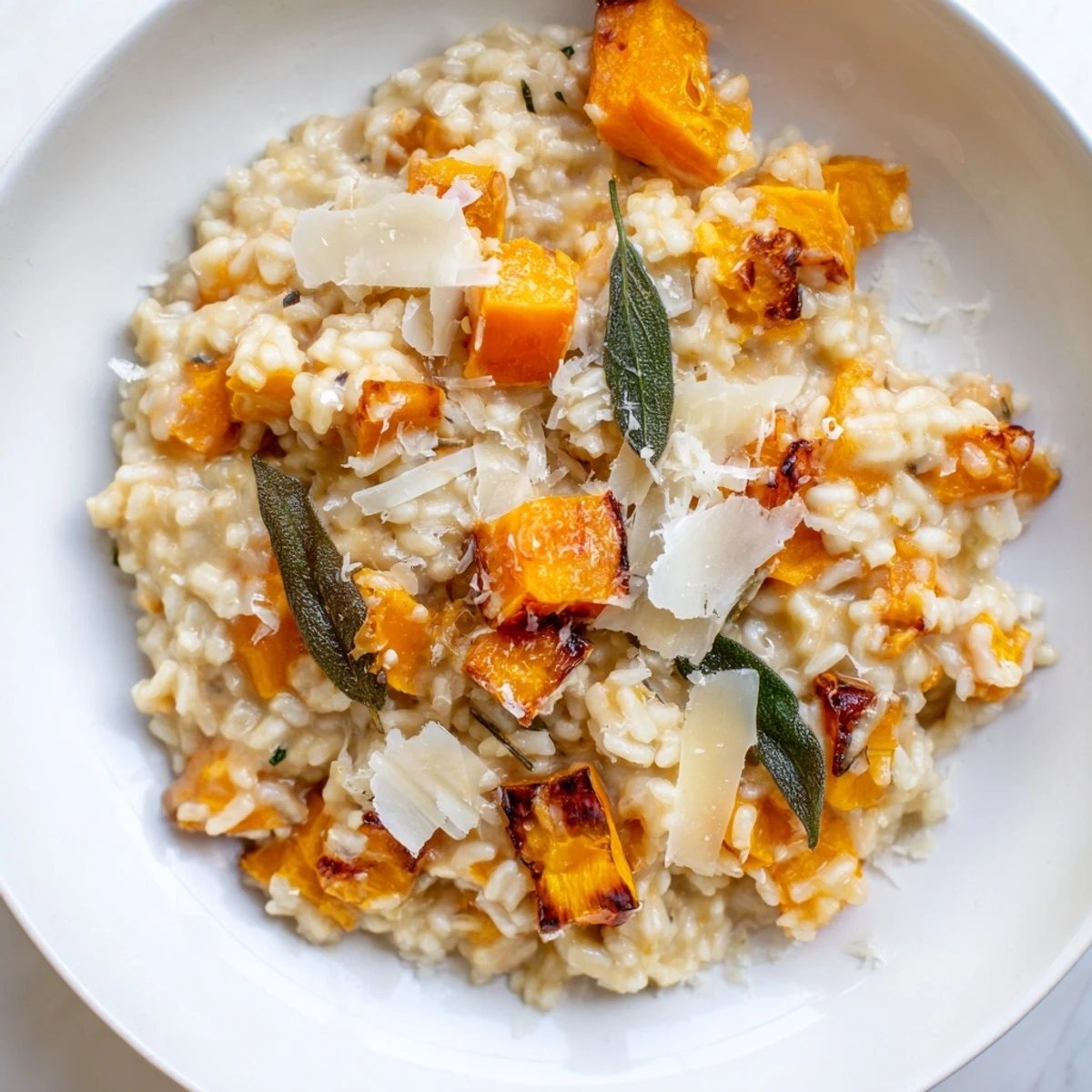
- Adding the butter and cheese off the heat prevents the emulsion from breaking, keeping everything silky smooth. This final enrichment should cause the risotto to shimmer slightly, taking on a glossy appearance that signals perfection.
 Save to Pinterest
 My neighbor Carlo, who grew up outside Milan, tasted this risotto last winter and grew quiet for a moment. He placed his spoon down and told me it reminded him of his grandmother's kitchen on cold Sunday afternoons, when the windows would fog from the warmth of cooking. That unexpected connection between my modern kitchen and his childhood memories in Italy made this dish feel like so much more than just dinner.
Make-Ahead Options
Though risotto has a reputation as a last-minute dish, I've found ways to break the rules when needed. You can roast the squash up to three days ahead and refrigerate it in an airtight container, which actually intensifies its flavor. For dinner parties, I often prepare the risotto until it's about 75% cooked, then spread it on a baking sheet to cool quickly before refrigerating, allowing me to finish the final cooking just before guests arrive.
Wine Pairing Suggestions
The buttery richness of this risotto calls for something with enough acidity to cut through it. I stumbled upon a perfect match when a friend brought over an unoaked Chardonnay that had just enough body to complement the creaminess while maintaining bright notes that highlighted the sweetness of the squash. For those who prefer red, a light Pinot Noir works surprisingly well, especially when the squash develops caramelized edges from roasting.
Seasonal Variations
This recipe follows the rhythm of the seasons in my kitchen, changing subtly as the year progresses. Spring brings a version with asparagus tips and lemon zest replacing the squash and sage, while summer allows for sweet corn kernels and basil to step in. Early fall might see the addition of wild mushrooms alongside the squash, creating an earthier profile.
- For a holiday twist, add a pinch of nutmeg and cinnamon to the squash before roasting, creating subtle warmth without overwhelming the savory nature of the dish.
- During late summer, replace half the squash with fresh corn cut straight from the cob for a beautiful seasonal transition dish that bridges the seasons.
- When fresh sage is unavailable, rosemary makes a wonderful substitute, though use slightly less as its flavor is more assertive.
 Save to Pinterest
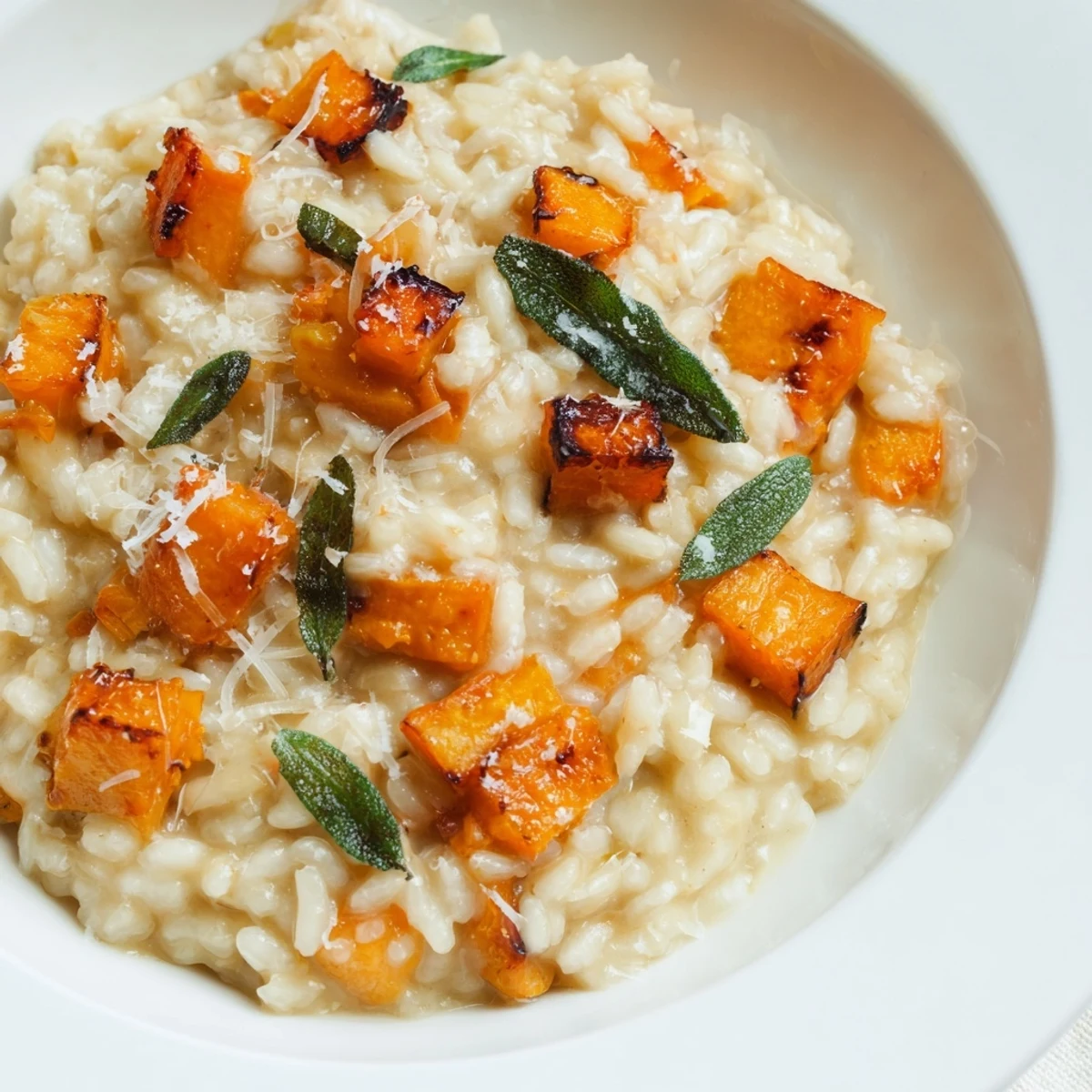
 This winter squash risotto has become my culinary equivalent of a warm embrace, offering comfort on even the coldest evenings. There's something magical about transforming humble ingredients into something so luxurious through nothing more than attention and care.
Common Questions
- → What type of winter squash works best for this dish?
-
Butternut and acorn squash are excellent choices for their natural sweetness and creamy texture when roasted. Kabocha and pumpkin also work beautifully as alternatives, each bringing subtle flavor variations to the risotto.
- → Can I make this dish ahead of time?
-
Risotto is best enjoyed immediately after cooking. However, you can prepare the roasted squash and broth in advance. For leftover risotto, reheat gently over low heat with a splash of broth to restore its creamy consistency.
- → How do I know when the rice is perfectly cooked?
-
The rice should be al dente—tender yet slightly firm when bitten. The risotto should flow slightly on the plate when served, with a luxurious, creamy consistency rather than thick or mushy texture.
- → Is there a vegan version of this risotto?
-
Yes. Replace butter with vegan butter and use a plant-based Parmesan alternative. The cooking technique remains the same, delivering the same creamy, satisfying results for a fully plant-based meal.
- → What wine pairs well with this risotto?
-
A crisp white wine complements this dish beautifully. Pinot Grigio and Sauvignon Blanc are ideal choices, as their bright acidity balances the richness of the cheese and butternut squash.